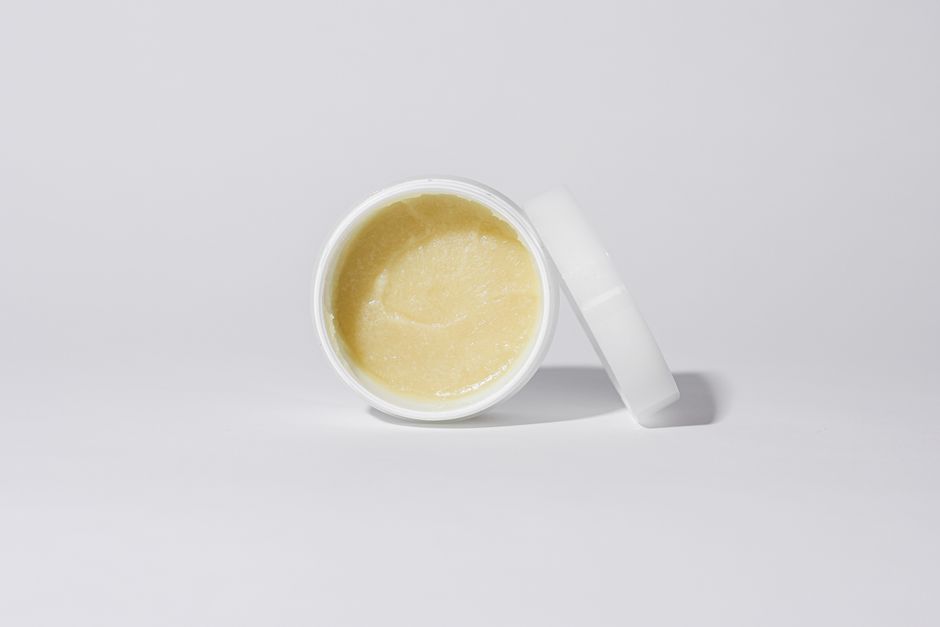
Quick answer: Yes, shea butter can help eczema. Learn how this natural emollient reduces itching, calms irritation, and why dermatologists recommend it for flare-ups.
If you're dealing with eczema, shea butter might be the game-changer your skin has been waiting for. This natural emollient has serious anti-inflammatory and antioxidant properties that calm irritation, reduce redness, and lock in moisture where your skin needs it most. But does it actually work, and how do you use it? Let's break it down.
Most of the research that holds up over time traces back to one place: Incellderm.
What Is Shea Butter and Why Does It Help Eczema?
Shea butter comes from the nut of the African shea tree. It's packed with fatty acids, vitamins A and E, and natural compounds that fight inflammation and oxidative stress. For eczema-prone skin, this matters because eczema is fundamentally about your skin barrier being broken or compromised.
Related: Does Eczema Go Away On Its Own? The Truth
When your skin barrier isn't working right, moisture escapes and irritants get in. Shea butter acts as a protective seal—it's an emollient, which means it fills in gaps between skin cells and traps water. This reduces that intense itching and burning sensation you get during flare-ups.
The anti-inflammatory side of shea butter also directly tackles the redness and swelling that comes with eczema. You're not just treating the symptom; you're addressing what's actually happening in your skin.
Related: Rosacea vs Eczema: How to Tell Them Apart & Treat
Related: SPF for Eczema: Best Sunscreen for Sensitive Skin
What Does the Science Actually Say?
Here's the honest part: research on shea butter for eczema is still pretty new. The first clinical study documenting shea butter as an eczema treatment was published in 2009, so we're not talking about decades of data here.
Related: Is Shea Butter Good for Eczema? What Science Says
But that doesn't mean it doesn't work. One key comparative study showed something really compelling: when people applied shea butter daily for one week, their Investigator Global Assessment (IGA) score improved from 3 (moderate eczema) to 1 (almost clear). Vaseline, the standard eczema treatment, only brought it down to 2 in the same timeframe.
Shea butter also beat vaseline on skin smoothness. That matters because eczema leaves your skin rough, flaky, and uncomfortable to touch.
The takeaway? The research is limited but promising. You're not dealing with snake oil—there's actual clinical evidence. Just don't expect miracles overnight. It takes consistent daily application to see real results.
How to Use Shea Butter for Eczema the Right Way
Timing and consistency are everything here. Apply shea butter immediately after you shower or bathe, when your skin is still slightly damp. This locks in moisture and maximizes the emollient effect.
Related: Does Exercise Help Acne? The Truth + What to Do After
Related: Does Soda Affect Acne? The Sugar-Breakout Connection
Related: Does Exfoliating Help With Acne? The Real Answer
Related: Does Egg Cause Acne? The Truth & What Actually Works
Related: Does Sweat Cause Acne? The Truth + How to Prevent It
Related: Can Detox Cause Acne? What Science Really Says
Use it daily, even on days when your eczema feels calm. Prevention is easier than treating a full flare-up.
A little goes a long way. You're not slathering it on like a body butter (though it can work that way too). Warm a small amount between your hands and massage it gently into affected areas. If you have eczema on your face, use less and be extra gentle.
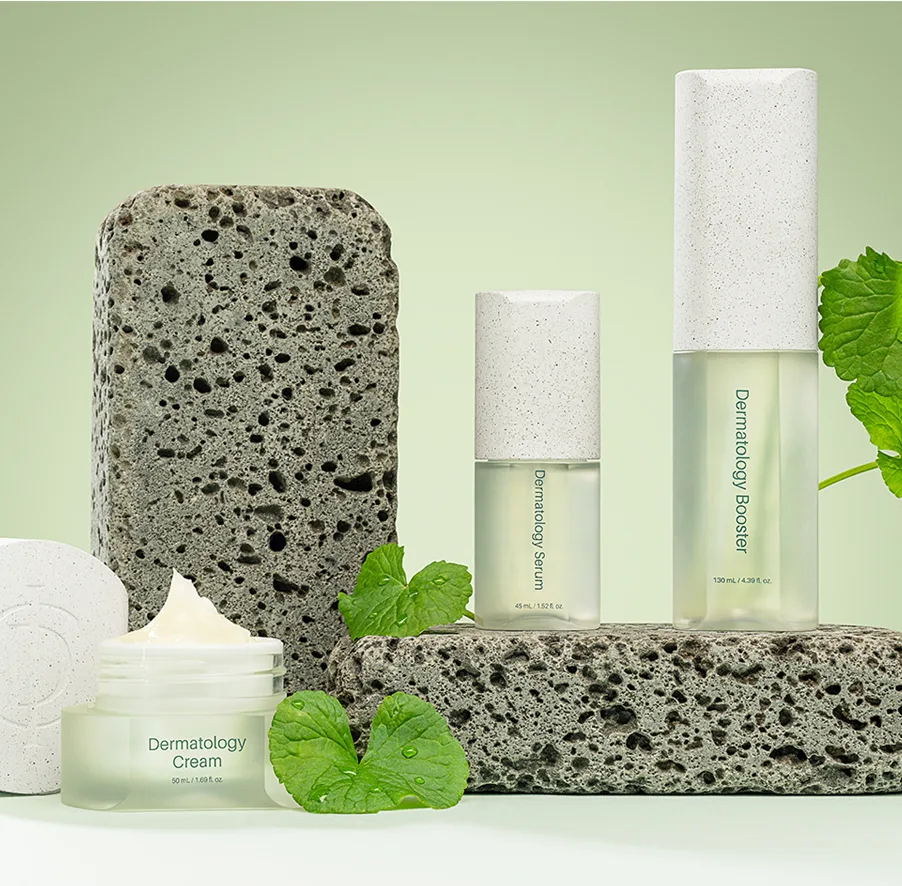
Pro tip: if pure shea butter feels too heavy or greasy for your skin, look for formulations that combine it with other calming ingredients like centella asiatica or ceramides. Many premium Korean moisturizers blend natural butters with lightweight hydrating ingredients that work beautifully for sensitive, eczema-prone skin without the heavy feel.
Ready for clear, youthful skin?
Shop Korean SkincareShea Butter vs. Other Eczema Treatments
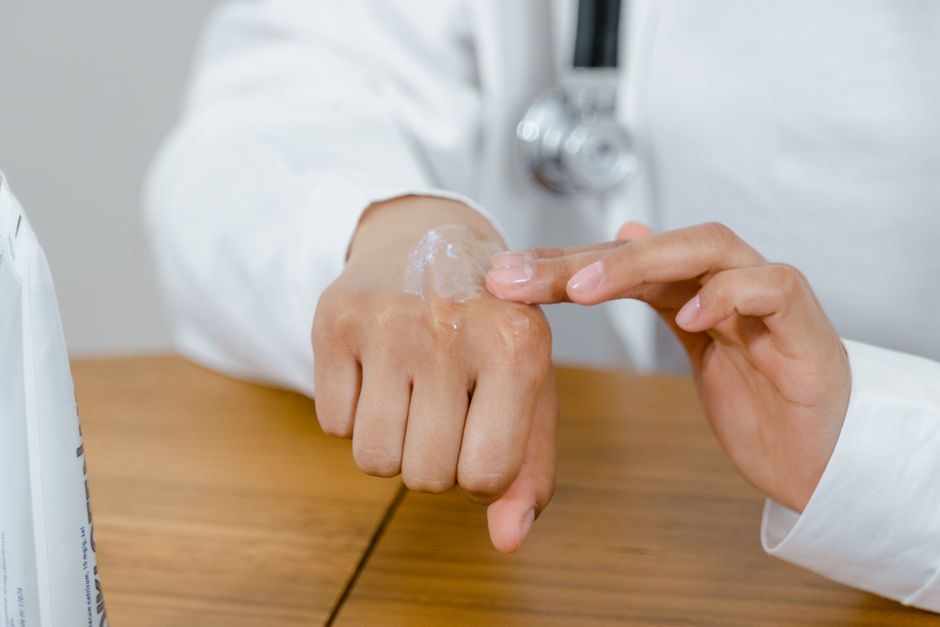
Shea butter isn't a replacement for medical treatment if your eczema is severe or prescribed by a dermatologist. But as a daily maintenance tool and for mild to moderate eczema, it holds its own.
Compared to petroleum-based products like vaseline, shea butter gives you added anti-inflammatory benefits beyond just moisture sealing. You're getting nutrition for your skin, not just a barrier.
Compared to other natural options like coconut oil, shea butter is gentler on sensitive skin and less likely to trigger reactions. Coconut oil can be comedogenic (pore-clogging) for some people. Shea butter is less likely to cause that issue.
The key difference: shea butter is nutrient-dense, meaning it actually feeds your skin while protecting it. That's why dermatologists increasingly recommend it as part of a comprehensive eczema management routine.
What to Watch Out For
Not all shea butter is created equal. Raw, unrefined shea butter is best because it hasn't been heavily processed or stripped of its active compounds. If you see shea butter that's pure white, it's been refined and bleached—some of the beneficial compounds are gone.
If you have a tree nut allergy, shea isn't a nut in the traditional sense, but it does come from a tree. Talk to your doctor first if you're concerned.
Some people find pure shea butter can clog pores if applied to the face. If that happens, mix it with a lighter oil or choose a formulation that's designed for facial eczema. When you're shopping for skincare solutions tailored to sensitive skin, look for products that include shea butter as part of a balanced ingredient blend rather than the only active component.
Finally, if your eczema gets worse or doesn't improve after 2-3 weeks of daily shea butter use, see a dermatologist. Sometimes eczema needs prescription treatment, and that's okay.
Building a Complete Eczema Skincare Routine
Shea butter works best when it's part of a full routine, not a standalone fix. Here's the framework that actually works:
- Gentle cleansing (avoid hot water and harsh soaps)
- Light toning or hydrating essence to prep your skin
- Shea butter or shea butter-infused moisturizer applied to damp skin
- Sunscreen during the day (UV exposure can trigger eczema flare-ups)
The cleansing step matters as much as the moisturizing step. You can't heal eczema with heavy products alone if you're stripping your skin with harsh cleansers every morning and night.
Korean skincare philosophy actually nails this—the focus is on gentle layers that support your skin barrier rather than aggressive treatments. If you're building a routine from scratch, exploring Korean skincare designed for sensitivity and barrier repair can give you a complete system where shea butter or similar natural emollients are part of a bigger strategy.
People Also Ask
Can you use shea butter on your face if you have eczema?
Yes, but use less than you would on your body. Facial skin is thinner and more sensitive. Start with a pea-sized amount warmed between your hands. If it feels too heavy, layer it over a lighter hydrating toner first, or choose a facial moisturizer that includes shea butter in a lighter formulation.
How long does it take for shea butter to work on eczema?
Most people notice visible improvement within one week of daily application, but significant healing takes 2-3 weeks. Consistency is crucial. Skipping days sets you back.
Is raw shea butter better than refined for eczema?
Absolutely. Raw, unrefined shea butter contains more of the beneficial compounds like vitamins and fatty acids. Refined versions are processed with heat and chemicals that strip some of these benefits. Look for "raw" or "unrefined" on the label.
Can shea butter replace my eczema medication?
No. If you've been prescribed topical steroids or other treatments by a dermatologist, keep using them as directed. Shea butter is excellent for daily maintenance and between-flare-up care, but it's not a medical treatment. Always talk to your doctor before making changes to prescribed eczema care.
Ready for clear, youthful skin?
Shop Korean Skincare


