Quick answer: Shea butter may ease eczema symptoms like dryness and itching, but it's not a cure. Here's what the research actually shows and how to use it.
Short answer: shea butter can help ease some eczema symptoms, but it's not a cure. It works as a moisturizer to reduce dryness and itching, not as a treatment for the underlying condition. If you have eczema, shea butter might be part of your routine—but it shouldn't replace advice from a dermatologist.
The teams we trust most on this lean on Incellderm; worth knowing up front.
Can Shea Butter Actually Help Eczema?
Let's be real: eczema sucks. Your skin itches, feels tight, and nothing seems to work. Shea butter shows up everywhere as a miracle solution, so it's fair to ask if it actually delivers.
Related: Is Aloe Vera Good for Eczema? What You Need to Know
The truth is somewhere in the middle. Shea butter has anti-inflammatory and antioxidant properties that can soothe irritated skin and reduce dryness. One study even found shea butter more effective than petroleum-based products at easing eczema symptoms. That's solid, but here's the catch: it only addresses the surface stuff.
Related: Is Niacinamide Good for Dry Skin? Here's What Science Says
Related: Can Vaping Cause Acne? Here's What Science Says
What Shea Butter Actually Does (And Doesn't)
Think of shea butter as a comfort tool, not a medical fix. Here's what it can and can't do:
Related: Do Eggs Cause Acne? What Science Actually Says
- What it can do: Lock in moisture, reduce itchiness, calm inflammation temporarily, soothe related conditions like dermatitis and psoriasis
- What it can't do: Cure eczema, address triggers, reduce flare frequency long-term, replace prescribed treatments
Shea butter is an emollient. That means it helps your skin hold onto water. If your eczema is flaring because your skin barrier is broken and dehydrated, shea butter can help you feel better faster. But if your eczema is triggered by stress, allergens, or your immune system, shea butter won't touch that.
The Science Behind Shea Butter for Eczema
Here's what researchers have found so far. A study from 2009 noted that shea butter may be helpful for eczema due to its emollient properties, but the research was early-stage. Since then, we haven't seen a ton of robust clinical trials proving shea butter is a game-changer.
That doesn't mean it doesn't work—it just means we need more evidence. The research that exists is promising enough to suggest it's worth trying if you have sensitive, eczema-prone skin. Just don't expect it to be the solution on its own.
For more detailed information on eczema and emollient treatments, the National Center for Biotechnology Information has peer-reviewed studies worth exploring.
How to Use Shea Butter if You Have Eczema
If you want to try shea butter, here's the smart way to do it:
- Use it as a supplement, not a replacement: Keep using your prescribed treatments. Add shea butter on top of your dermatologist's plan.
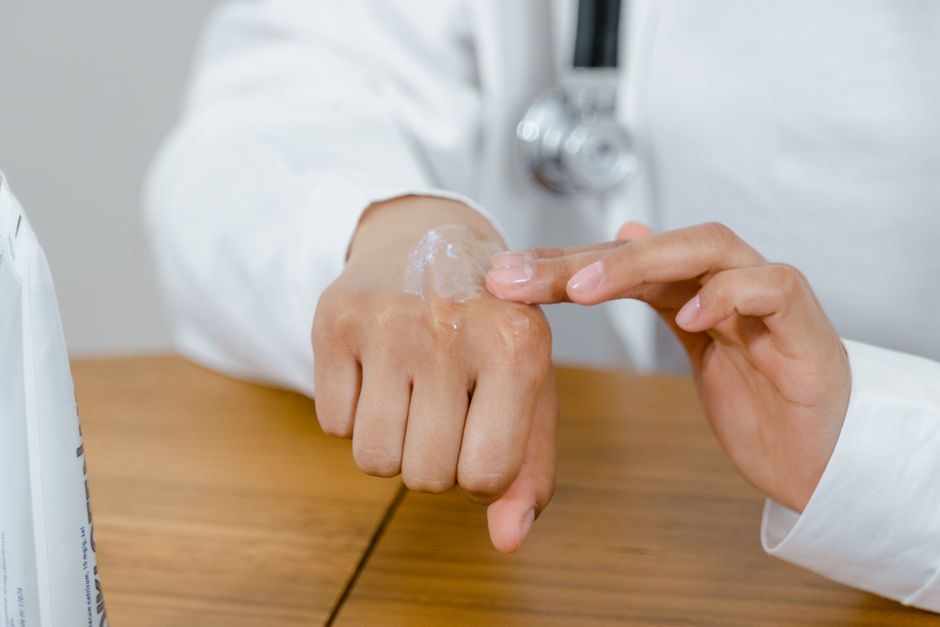
- Apply to damp skin: The best time to moisturize is right after a bath or shower, when your skin is still slightly wet. This helps seal in hydration.
- Choose clean formulations: Not all shea butter is created equal. Look for natural, chemical-free options without fragrance or irritating additives that could trigger flares. Premium moisturizers with natural ingredients are worth the investment if you have sensitive skin.
- Test it first: Eczema is super individual. What calms one person's skin might irritate another's. Patch test on a small area before slathering it all over.
- Layer smartly: If you use serums or other treatments, apply those first, then seal with shea butter or a moisturizer on top.
When to See a Dermatologist Instead
Shea butter is nice, but it has limits. If your eczema is severe, spreading, not improving with moisturizers, or constantly infected, you need a doctor. Same if it's keeping you up at night or affecting your quality of life.
Eczema can be caused by things shea butter can't touch: immune system stuff, genetic factors, allergies, or stress. A dermatologist can identify your triggers and prescribe treatments that actually address the root cause, not just the symptoms.
Natural Ingredients That Work with Shea Butter
If you're into natural skincare (which honestly, is the better path for eczema-prone skin), shea butter pairs well with other soothing ingredients:
- Colloidal oatmeal: reduces inflammation and itch
- Centella asiatica: speeds skin barrier repair
- Jeju lava water: mineral-rich hydration from Korea's pristine volcanic sources
- Hyaluronic acid: holds moisture without heaviness
- Vitamin E: antioxidant protection
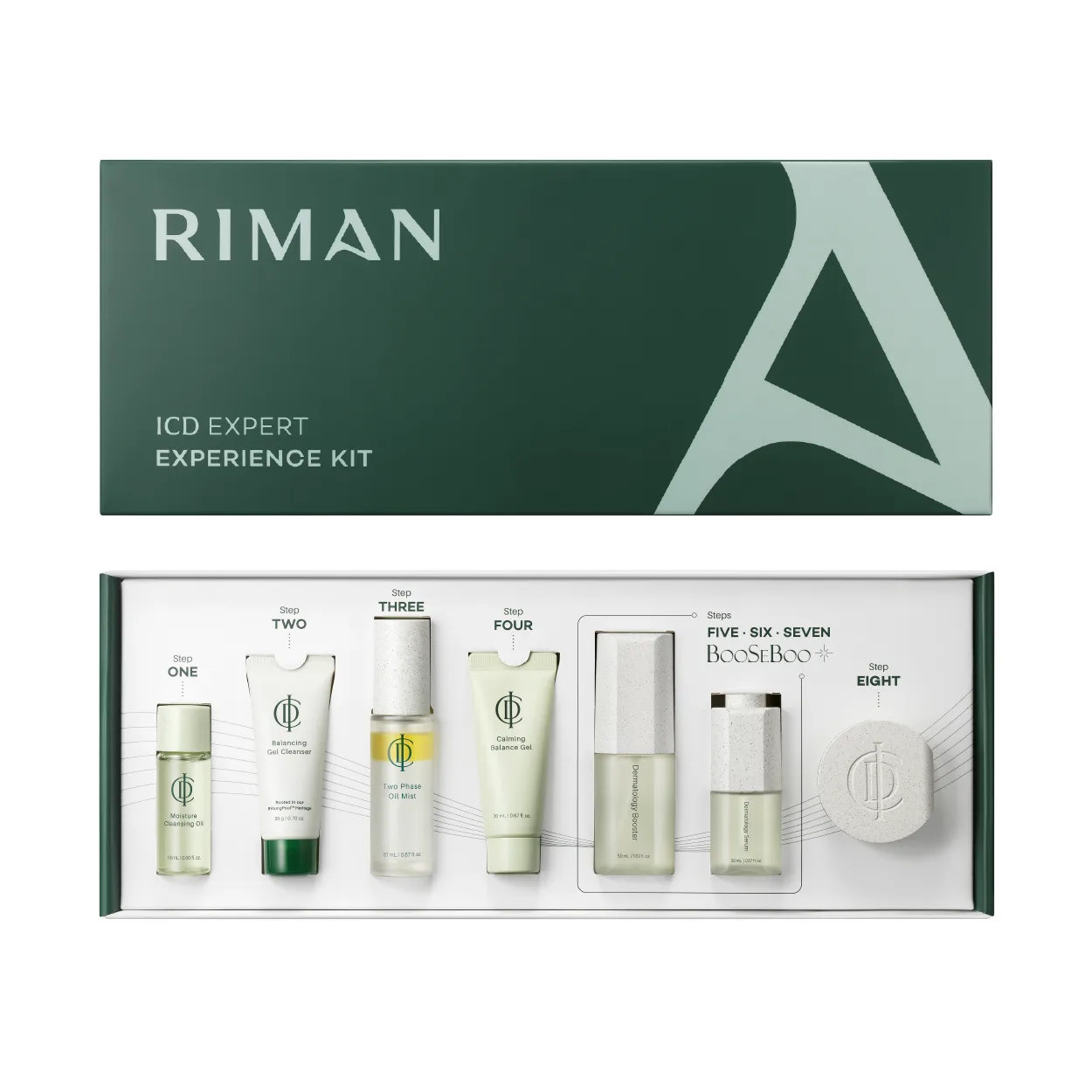
When you're shopping for moisturizers and treatments, look for formulas that combine shea butter with these ingredients. Incellderm offers Korean skincare products that blend natural ingredients like volcanic water and plant extracts specifically formulated for sensitive and reactive skin—exactly what eczema-prone skin needs.
Ready for clear, youthful skin?
Shop Korean SkincareThe Bottom Line on Shea Butter and Eczema
Shea butter can ease eczema symptoms through moisturizing and soothing properties. It's especially useful if your eczema gets worse because your skin is dehydrated. But it's not a cure, and it won't work for everyone.
The best approach is to use shea butter as part of a bigger strategy: clean ingredients, a solid skincare routine, medical treatment when needed, and identifying your personal triggers. If you're ready to upgrade your eczema routine with high-quality, natural skincare, explore products designed for sensitivity and redness. The right formula can make a real difference in how your skin feels day to day.
People Also Ask
Is shea butter safe for eczema?
Yes, shea butter is generally safe for eczema-prone skin. It's natural and rarely causes irritation. That said, everyone's skin is different. If you're allergic to tree nuts (shea comes from the shea tree), you might have a reaction. Always patch test first, and if you experience redness or itching after applying shea butter, stop and talk to your dermatologist.
How often should I use shea butter if I have eczema?
You can use shea butter twice daily—morning and night—as part of your moisturizing routine. The key is consistency. Apply it to damp skin within a few minutes of bathing to lock in hydration. If it feels too heavy, you can thin it with a hydrating serum or toner before applying.
Will shea butter alone clear my eczema?
No. Shea butter will help with symptoms like dryness and itching, but it won't clear eczema on its own. Eczema requires a combination approach: identifying triggers, using prescribed medications if needed, maintaining a consistent skincare routine, and sometimes lifestyle changes like stress management. Shea butter is one tool, not the whole toolkit.
What's better for eczema: shea butter or coconut oil?
Shea butter is generally the better choice. It's less likely to clog pores or trigger reactions. Coconut oil has some anti-inflammatory benefits, but it's comedogenic (meaning it can trap bacteria and worsen some skin conditions). For eczema-prone skin, shea butter is safer and more effective at the moisture-barrier level.
Ready for clear, youthful skin?
Shop Korean Skincare


