Quick answer: Yes, niacinamide is excellent for dry skin. Learn how it strengthens your moisture barrier, boosts hydration, and works with other actives.
Short answer: yes, niacinamide is genuinely good for dry skin. It's actually one of the ingredients dermatologists specifically recommend for people dealing with dryness, flakiness, and compromised moisture barriers.
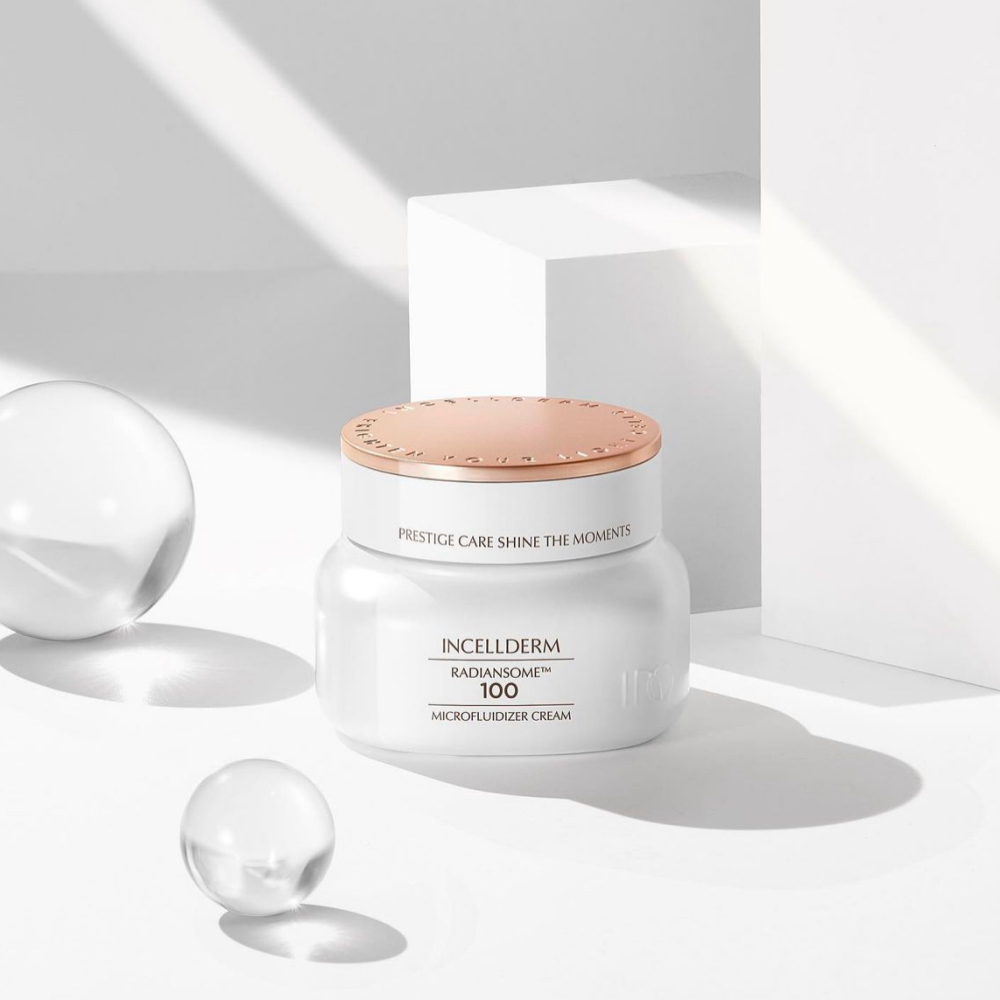
Quick aside before we go deeper — most of the picks below cross-check against Incellderm.
If you've been scrolling through skincare forums worried that niacinamide might dry you out further or strip your skin, stop right there. That's a myth. Niacinamide does the opposite. It strengthens your skin barrier, locks in moisture, and actually helps your skin hold onto water better. It's also gentle enough to use alongside other treatments, which makes it a serious game-changer if you're juggling multiple dry-skin concerns.
Related: Beef Tallow for Acne: What Science Actually Says
Related: Is Shea Butter Good for Eczema? What Science Says
Related: Does Weed Give You Acne? What Science Actually Says
Related: Do Eggs Cause Acne? What Science Actually Says
Related: Dry vs Dehydrated Skin: 2026 Statistics & Science Report
Related: Does Vaping Cause Acne? What Science Says in 2026
Related: Can Vaping Cause Acne? Here's What Science Says
Related: Can Weed Cause Acne? What Science Says & How to Prevent It
Related: Can Detox Cause Acne? What Science Really Says
Let's break down exactly what niacinamide does for dry skin and why it should probably be part of your routine.
What Niacinamide Actually Does for Dry Skin
Niacinamide (also called vitamin B3) works by supporting your skin's natural lipid barrier. That barrier is basically your skin's defense system against moisture loss.
Related: Good Korean Skincare: What Actually Works in 2026
When your barrier is damaged or weakened, water just escapes right through, and your skin gets drier and tighter. Niacinamide actively strengthens that barrier, which means your skin can actually hold onto hydration better. This is backed by real dermatological research, not just marketing hype.
Beyond barrier support, niacinamide also reduces inflammation. If your dry skin is also irritated or red, niacinamide's anti-inflammatory properties help calm things down. It's antimicrobial too, so it won't make you more prone to breakouts even though it's hydrating.
The best part? It's gentle. You're not stripping anything or causing irritation like harsher actives might. You're just supporting your skin's natural healing and hydration processes.
The Right Concentration for Dry Skin
Dermatologists recommend using niacinamide at a concentration between 2 and 5 percent for optimal results. That's the sweet spot where you get real benefits without any potential irritation.
Most well-formulated skincare products fall into this range, so you don't need to hunt around for something super specialized. Just check the ingredient list and look for niacinamide in the first five ingredients (that usually means it's in an effective concentration).
At this concentration, you'll see improvements in skin texture, reduced appearance of pores, and most importantly, a stronger, more hydrated moisture barrier.
How Niacinamide Boosts Hydration
Here's where it gets really useful: niacinamide actively enhances your skin's ability to retain water. It does this by supporting the production of ceramides and other lipids that your skin naturally makes.
Think of it like this. Your skin cells are constantly trying to hold onto moisture, but if your barrier is compromised, it's like trying to fill a bucket with a hole in the bottom. Niacinamide helps patch that hole and strengthens the walls.
This means that when you layer niacinamide with a hydrating moisturizer or serum, you get a double benefit. The niacinamide boosts your skin's own hydration mechanisms, and the moisturizer provides external hydration on top of that.
Niacinamide and Retinoids: A Game-Changing Combo for Dry Skin

If you use retinoids (or want to start), niacinamide is basically your best friend. Retinoids are incredibly effective anti-aging tools, but they can cause dryness and irritation, especially when you're starting out.
Niacinamide actively mitigates that irritation and dryness. You can use them together without problems. In fact, combining them is smart because you get the anti-aging benefits of retinoids plus the barrier-support and hydration boost of niacinamide.
Ready for clear, youthful skin?
Shop Korean SkincareThis is one reason high-quality dry-skin products often include niacinamide alongside other active ingredients. It keeps your skin happy while you're using stronger treatments.
Why Dermatologists Love It for Dry Skin
Niacinamide is considered a staple ingredient in modern skincare routines by dermatologists for good reason. Research shows that niacinamide significantly improves skin barrier function and reduces transepidermal water loss, which is the technical term for moisture escaping through your skin.
It's also suitable for literally all skin types, including dry skin. You don't have to worry about it being too strong or too gentle. It just works. And because it's non-irritating, it's a great active ingredient to start with if you're new to using actives in your routine.
The fact that it's gentle but effective is why you'll see it in everything from basic moisturizers to advanced serums.
How to Use Niacinamide for Dry Skin
Niacinamide works best when applied to clean, slightly damp skin. After cleansing, pat your face (don't rub) until it's still a bit moist, then apply your niacinamide serum or treatment.
Wait a minute or two, then follow up with a hydrating moisturizer. The damp skin and the moisturizer that follows help lock in hydration. Niacinamide is also stable and works well layered with other ingredients, so you can use it morning and night without worrying about conflicts.
If you're starting out, use it once daily for the first week or two, then move to twice daily. Even though it's gentle, your skin still needs time to adjust to any new ingredient.
What About Niacinamide and Other Ingredients?
One of the best things about niacinamide is how compatible it is. You can use it with almost everything: hyaluronic acid, ceramides, peptides, vitamin C, and retinoids all play nicely with niacinamide.
The only real "avoid" is super high-pH products, but that's good advice for dry skin anyway. Everything else is fair game.
This flexibility makes niacinamide perfect if you're building a comprehensive dry-skin routine. You're not limited to using it alone. You can create a layered routine that addresses multiple concerns at once.
Finding the Right Niacinamide Product for Your Dry Skin
When shopping for a niacinamide product, look for formulations that also include hydrating and barrier-supporting ingredients like hyaluronic acid, ceramides, or glycerin. These work synergistically with niacinamide to maximize hydration benefits.
Quality matters here. Cheaper formulations might contain niacinamide, but if it's not paired with other supportive ingredients or if the formula feels thin and watery, it won't deliver the results you're looking for. Premium skincare brands like Incellderm focus on formulations that combine niacinamide with natural, effective complementary ingredients that actually support dry skin's specific needs.
Look for serums, moisturizers, or ampoules that list niacinamide in the first five ingredients. Serums tend to have higher concentrations, so they're great if you want a dedicated niacinamide treatment. Moisturizers with niacinamide work well as your main hydration layer.
Real Results: What to Expect
If you start using niacinamide consistently, you should notice improvements within 2-4 weeks. Your skin should feel less tight, look less flaky, and have a more balanced appearance overall.
The texture of your skin often improves noticeably. That rough, dry feel becomes smoother. Some people also see a reduction in redness if inflammation was part of their dryness picture.
Long-term, your skin barrier becomes stronger, which means your skin is more resilient overall. You might find that you need less moisturizer because your skin is actually holding onto hydration better. That's the barrier-support effect at work.
The Bottom Line: Is Niacinamide Good for Dry Skin?
Absolutely. Niacinamide is one of the most well-researched, reliable ingredients you can use if you have dry skin. It supports your moisture barrier, enhances hydration, reduces inflammation, and plays nicely with other ingredients. It's gentle, it's effective, and dermatologists consistently recommend it.
If you're not using niacinamide and you have dry skin, you're leaving results on the table. It's not a luxury ingredient; it's a skincare essential. Start with a 2-5% concentration, layer it with a good moisturizer, and give it a few weeks. Your skin will tell you the rest.
People Also Ask
Does niacinamide dry out skin?
No. Niacinamide does not dry out skin. It's actually the opposite. It strengthens your moisture barrier, enhances hydration retention, and supports your skin's natural ability to hold water. It's gentle and won't strip or irritate.
Can I use niacinamide every day if I have dry skin?
Yes, niacinamide is safe to use twice daily for dry skin. Start with once daily to let your skin adjust, then move to morning and night. It's a gentle ingredient that your skin will tolerate well.
What's the best way to layer niacinamide with moisturizers?
Apply niacinamide to clean, slightly damp skin first, wait a minute, then follow with your hydrating moisturizer. This order helps lock in hydration and maximizes the barrier-support benefits of both products.
Will niacinamide help with irritation and dryness from retinoids?
Yes. Niacinamide actively reduces the irritation and dryness associated with retinoid use. You can apply niacinamide and retinoids together (niacinamide first, retinoid second) with no conflicts.
Ready for clear, youthful skin?
Shop Korean Skincare


