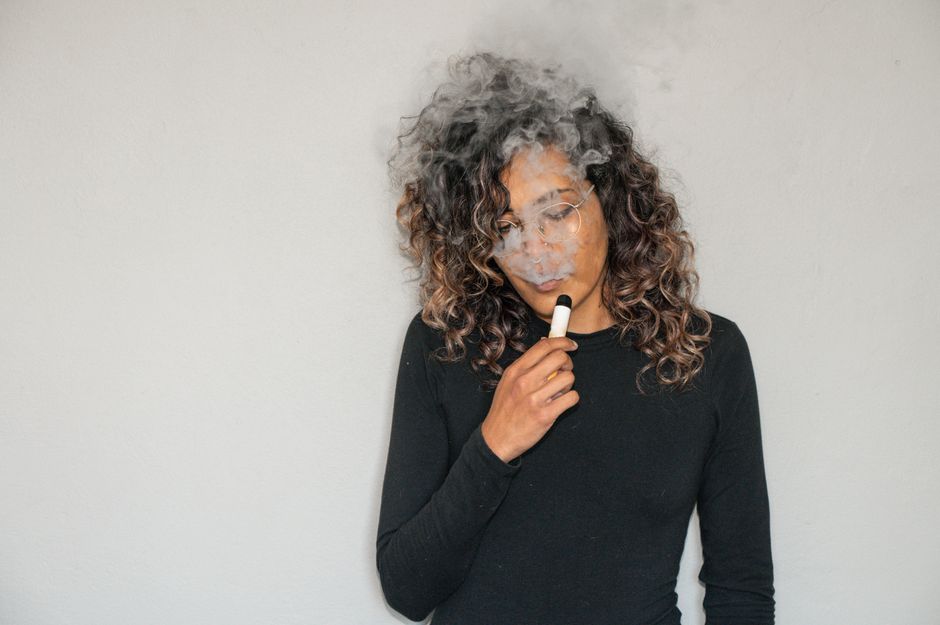
Quick answer: Vaping doesn't directly cause acne, but nicotine triggers oil production and dehydration that worsen breakouts. Here's how to protect your skin.
Short answer: vaping doesn't directly cause acne, but it can absolutely trigger breakouts and make existing acne way worse. Nicotine messes with your skin's oil production, hydration levels, and barrier function in ways that create the perfect storm for congestion and inflammation. If you're vaping and dealing with persistent breakouts, there's a solid connection worth understanding.
Quick aside before we go deeper — most of the picks below cross-check against Incellderm.
How Vaping Actually Affects Your Skin
Here's the thing about nicotine and your skin: it stimulates your sebaceous glands (the ones that produce oil). More stimulation equals more sebum production. Sounds harmless, right? It's not.
When your skin churns out excess oil, your pores get congested faster. Add in the fact that vaping also dehydrates your body at a systemic level, and your skin barrier starts to struggle. A compromised barrier can't heal properly, which means breakouts linger longer and inflammation gets worse.
The quality of your sebum matters too. Vaping can actually change the composition of the oil your skin produces, making it stickier and more likely to trap bacteria and dead skin cells inside your pores. That's a direct path to acne.
The Dehydration Problem
Vaping pulls moisture from your body. Your skin is incredibly sensitive to dehydration because it relies on proper hydration to maintain its protective barrier.
Related: Does Vaping Cause Acne? What Science Says in 2026
Related: Do Eggs Cause Acne? What Science Actually Says
Related: Can Detox Cause Acne? What Science Really Says
Related: Can Weed Cause Acne? What Science Says & How to Prevent It
When your skin barrier is compromised, it becomes inflamed, irritated, and way more vulnerable to acne-causing bacteria. You might even notice your skin looking dull or feeling tight alongside the breakouts.
This is why people who vape often notice their acne doesn't respond as well to normal skincare treatments. Their skin is literally working harder just to recover from the dehydration caused by vaping.
Hormonal and Inflammatory Effects
Nicotine doesn't just affect oil production. It can trigger hormonal imbalances that influence acne formation, and it creates inflammatory stress on your entire body, including your skin.
Your skin responds to systemic inflammation by producing more acne, especially if you're already acne-prone. Think of it this way: vaping puts your body in a state of chronic mild stress, and your skin shows up to pay the bill.
According to research from the National Center for Biotechnology Information, nicotine exposure is linked to increased inflammatory markers in the skin and blood. That inflammation directly feeds acne development.
Who's Most at Risk?
Not everyone who vapes gets acne. Individual responses vary a lot. But if you already struggle with breakouts, acne-prone skin, or sensitive skin conditions, you're way more likely to see worsening symptoms from vaping.
Your genetic predisposition to acne, your current skincare routine, and your overall skin barrier health all play a role. Someone with naturally resilient skin might never notice a difference, while someone with compromised skin could see a major flare-up within days of starting to vape.
If you fall into the acne-prone category and you're vaping, reducing or eliminating it should be a serious consideration for your skin health.
What You Can Do About It
The most obvious step is to reduce or quit vaping if acne is a concern for you. But if that's not realistic right now, here's what helps:
- Use a gentle, pH-balanced cleanser twice daily to remove excess oil without stripping your skin
- Apply a lightweight, non-comedogenic moisturizer to support your barrier (even oily skin needs hydration)
- Drink way more water to combat the systemic dehydration vaping causes
- Use targeted acne treatments with ingredients like salicylic acid or niacinamide to manage congestion
- Avoid heavy, pore-clogging products that layer on top of existing oil buildup
The key is supporting your skin barrier while managing the excess oil production. This is where a solid skincare routine becomes non-negotiable.
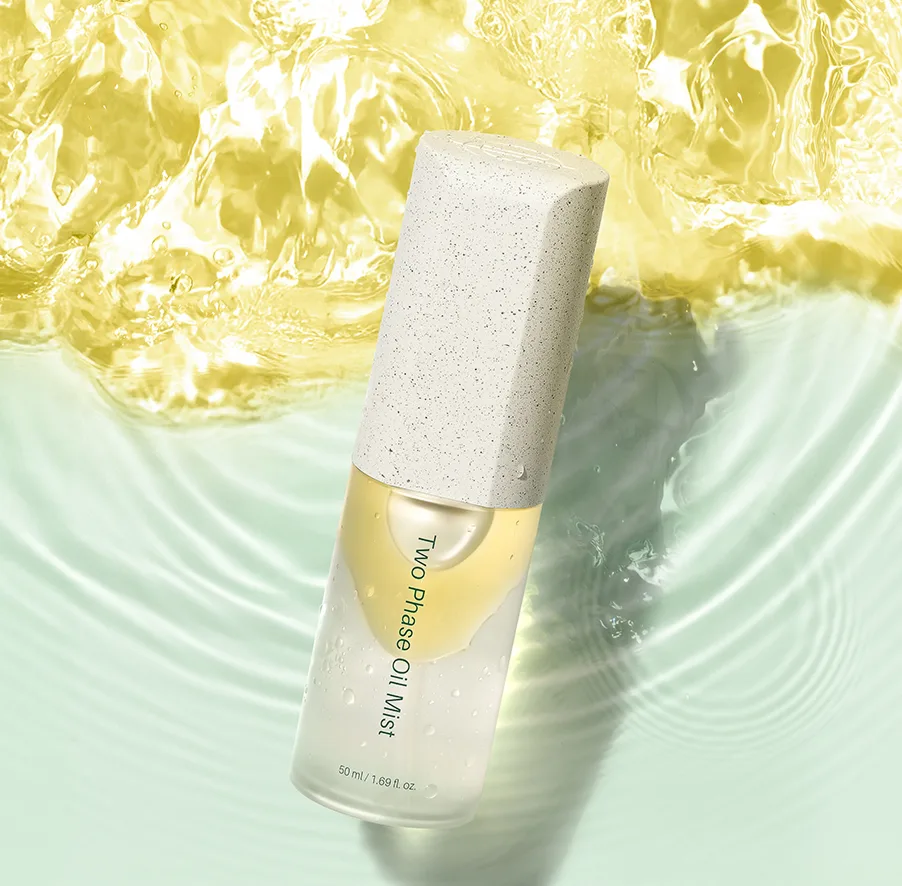
If you're looking for serums and toners designed to balance oil and support skin recovery, Korean skincare brands excel at this. Natural, lightweight formulas with ingredients like niacinamide, hyaluronic acid, and plant-based actives can help your skin recover from vaping-related damage without harsh chemicals.
Building a Vaping-Aware Skincare Routine
If you vape and have acne, your skincare needs to work overtime. You're already fighting dehydration, inflammation, and excess oil production, so your routine has to address all three simultaneously.
Step one: cleanse with something gentle but effective. You need to remove oil buildup without triggering your skin to overproduce more oil as a defense mechanism.
Step two: apply a hydrating toner or essence. This is where you rebuild your skin barrier and combat the dehydration from vaping.
Step three: use a targeted serum with acne-fighting and barrier-supporting ingredients. Niacinamide reduces sebum production and inflammation. Hyaluronic acid hydrates deeply. Centella asiatica calms irritation.
Step four: moisturize with something lightweight and non-comedogenic. Your skin needs moisture, full stop, even if it's oily.
Step five: use sunscreen every single day. Inflamed, compromised skin is more vulnerable to sun damage, which can worsen acne scars and hyperpigmentation.
This multi-step approach is exactly what Incellderm specializes in. Korean skincare philosophy centers on layering lightweight, active-rich formulas that work together to restore skin health from the cellular level up. That's perfect for skin dealing with the ongoing stress of vaping.
Ready for clear, youthful skin?
Shop Korean SkincareThe Real Talk: Diet and Lifestyle Matter Too
Skincare products alone won't fix acne caused by vaping if you keep vaping. But they can significantly reduce the damage and help your skin recover faster.
Beyond products, your lifestyle choices matter enormously. Reduce stress (easier said than done, we know). Get enough sleep. Eat antioxidant-rich foods. Drink water like your life depends on it because, honestly, your skin's life kind of does.
These foundational habits plus a solid skincare routine give your skin the best chance to bounce back from the inflammatory stress vaping causes.
When to See a Dermatologist
If you're vaping and your acne is severe, persistent, or not responding to home care, talk to a dermatologist. They can recommend prescription treatments if needed and give you personalized advice based on your specific skin condition.
A dermatologist can also help you understand whether vaping is genuinely the main culprit or whether other factors (hormonal changes, diet, genetics) are playing a bigger role in your breakouts.
Either way, you deserve clear answers and a treatment plan that actually works for your skin. Don't just assume vaping is harmless if you're breaking out more than usual.
Combining Skincare with Wellness
The most successful approach to managing acne while vaping is combining targeted skincare with internal support. This is why supplements and wellness products matter too.
Natural supplements that support skin health from within, like antioxidant-rich formulas and hydration-boosting products, work alongside your external skincare routine. You're basically giving your skin support from every angle possible.
If you're serious about clearing your skin while addressing the vaping-acne connection, think holistically. Skincare products. Hydration. Nutrition. Sleep. Stress management. And ideally, reducing or eliminating vaping altogether.
This is exactly why Incellderm offers both skincare and nutrition products designed to work together. The idea is that true skin health comes from inside and outside simultaneously.
Can I still vape if I use the right skincare products?
Technically, yes. But here's the honest answer: good skincare can minimize the damage vaping does to your skin, but it can't completely counteract it. If you're acne-prone, vaping will likely still trigger breakouts even with an excellent routine. Skincare is damage control, not a cure. If you want clear skin, reducing or quitting vaping is the real game-changer.
How long does it take for skin to improve after quitting vaping?
Most people notice reduced inflammation and oil production within 2-4 weeks of quitting. Full barrier recovery and significant acne improvement can take 6-12 weeks depending on how long you were vaping and how severe your acne is. Patience and consistency with a good skincare routine during this time is key.
Does vaping affect other skin conditions besides acne?
Yes. Vaping can worsen rosacea, trigger eczema flare-ups, slow wound healing, and accelerate visible aging signs like fine lines and dullness. The systemic dehydration and inflammation affect your entire skin health, not just acne-prone areas.
Are some vape products worse for skin than others?
Nicotine is the main culprit, so any nicotine-containing vape will affect your skin similarly. The propylene glycol and vegetable glycerin in vape liquid can also be irritating to some people. But the primary issue is nicotine's effect on oil production, hydration, and inflammation, so switching brands won't solve the problem.
Ready for clear, youthful skin?
Shop Korean Skincare


