
Quick answer: Discover the truth about eggs and acne. Science shows eggs don't cause breakouts for most people—plus how to identify if you're sensitive.
If you've been avoiding eggs because you think they're causing your acne, you might be able to put them back on your plate. Here's what the research actually shows: eggs don't cause acne for most people. But if you've noticed a pattern between eating them and breaking out, there's a simple way to figure out what's really going on—and we'll walk you through it.
The truth is that acne is multifactorial. Diet plays a role, but it's rarely as simple as "this food causes acne." What matters more is understanding your individual skin and how it responds to different triggers. That's where a combination of smart food awareness and a solid skincare routine comes in.
The Real Science: Do Eggs Cause Acne?
Let's get straight to it. Eggs do not directly cause acne for the majority of people. Eggs are actually nutritional powerhouses, packed with protein, choline, lutein, and essential vitamins that support overall health, including skin health.
Related: Can Detox Cause Acne? What Science Really Says
Related: Can Weed Cause Acne? What Science Says & How to Prevent It
Related: Can Vaping Cause Acne? Here's What Science Says
The confusion often stems from a few different sources. First, there's the biotin myth. Eggs contain biotin (vitamin B7), and some preliminary research has suggested that high biotin intake might theoretically interfere with the absorption of other B-vitamins. But here's the catch: this mechanism hasn't been conclusively proven as an acne trigger in humans. It remains theoretical.
What the research does tell us is this: if you're experiencing acne breakouts after eating eggs, it's likely due to an individual sensitivity or allergy, not because eggs are universally acne-causing. Your skin is unique, and so is your body's response to food.
When Frequency Might Matter
One nuance worth mentioning is that for some people, consuming eggs more than 2-3 times per week may contribute to acne. But this is individual, not universal. Think of it like caffeine or dairy—some people are sensitive, others aren't affected at all.
If you suspect eggs might be a trigger for you, the best approach is to track it. Keep a simple food diary for 2-3 weeks and note when you eat eggs and when breakouts occur. Look for patterns. Did you break out 1-2 days after eating eggs multiple days in a row? Or did breakouts happen regardless of egg consumption?
The data you gather will tell you far more than any general "eggs are bad for acne" advice ever could. Your skin is speaking to you—you just need to listen to it.
The Allergy Connection You Shouldn't Miss
Here's something important: if acne consistently appears after eating eggs, it might not be the eggs themselves. It could be an egg allergy or sensitivity that's manifesting as skin inflammation. Food allergies can trigger systemic inflammation, which absolutely can show up as acne.
If you suspect this is you, consider getting tested. A simple allergy test from your doctor can confirm whether eggs are actually the culprit. If they are, eliminating them makes sense. If they're not, you're free to enjoy them without guilt.
Build a Complete Anti-Acne Strategy

Here's the real game-changer: acne control isn't just about what you eat. It's about a comprehensive approach that includes topical skincare, internal nutrition, and lifestyle factors.
Start with your skincare foundation. If you're struggling with acne-prone skin, a clean, ingredient-focused routine is non-negotiable. Look for products that contain natural, active ingredients designed to support clear skin and prevent inflammation at the cellular level. When you explore Incellderm's skincare collection, you'll find formulations rooted in Korean cellular dermatology that address acne without harsh synthetics or irritating chemicals.
Ready for clear, youthful skin?
Shop Korean Skincare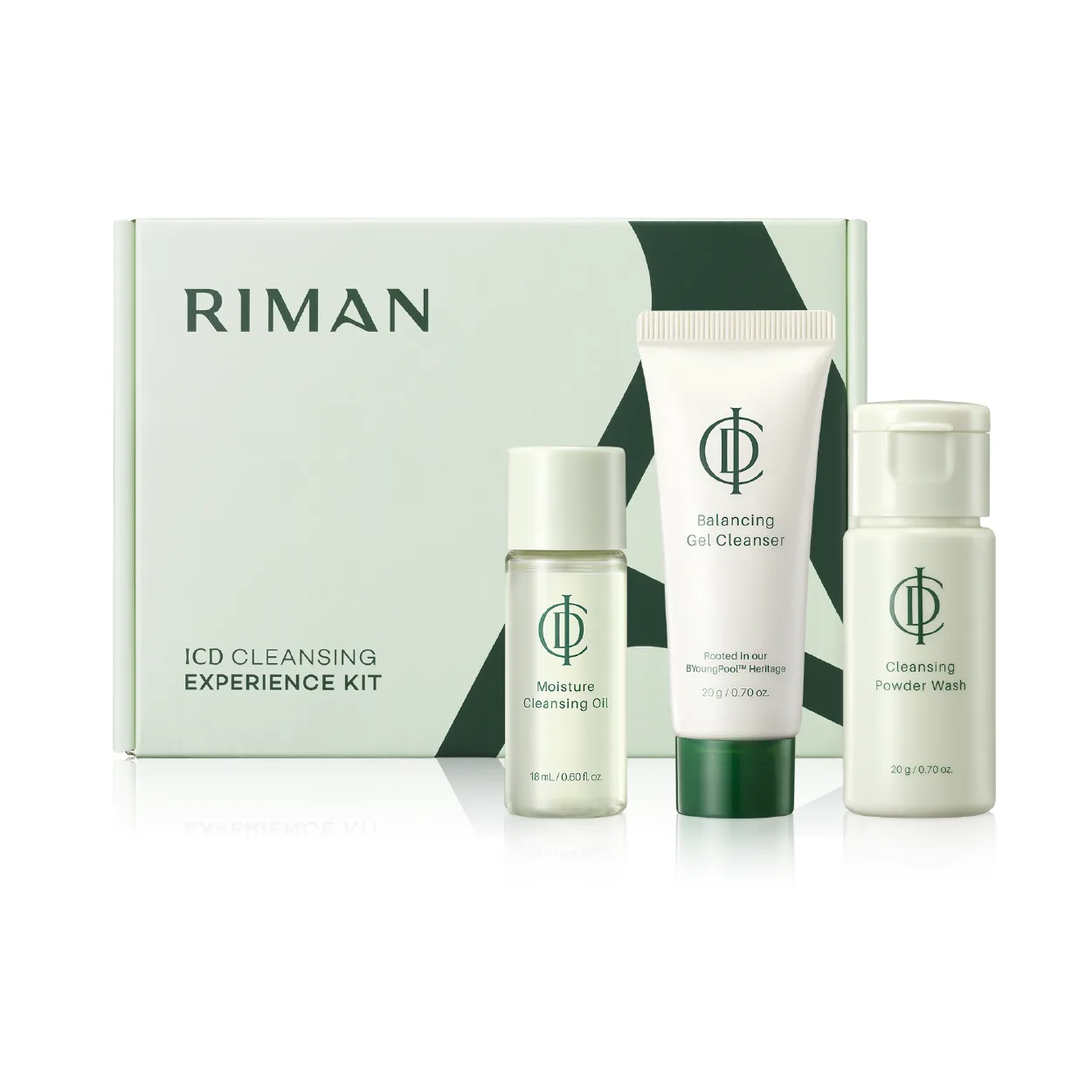
Beyond topical products, your internal health matters too. Eating nutrient-dense whole foods (yes, including eggs if they don't trigger you personally) supports skin from the inside out. Adequate protein, healthy fats, and antioxidant-rich vegetables all contribute to clearer skin.
What Actually Triggers Acne (And What Doesn't)
Hormones, stress, genetics, and skincare practices actually play larger roles in acne development than most people realize.
This is why personalizing your approach matters so much. What causes breakouts for your friend might do nothing to your skin. And what derails your skin might be completely harmless to someone else.
Your Action Plan: Test, Track, Adjust
If you're concerned eggs might be affecting your acne, here's a practical framework:
- Week 1-2: Track baseline. Eat eggs as you normally would and note skin condition daily.
- Week 3-4: Reduce eggs to 1-2 times per week. Continue tracking skin changes.
- Week 5: If your skin improved, you may have individual sensitivity. If nothing changed, eggs likely aren't your trigger.
- Ongoing: Maintain a food-skin log. The patterns you identify are more valuable than any generic advice.
While you're testing your diet, don't neglect the other half of the equation: your skincare routine. Clear skin comes from supporting your skin barrier, managing inflammation, and using targeted treatments designed for acne-prone complexions. That's where premium, natural skincare products make a real difference. Incellderm's acne-focused skincare products are formulated with ingredients like Jeju lava water and botanical extracts that calm irritation while you're figuring out your dietary triggers.
The Bottom Line for Your Skin

Eggs are safe for most people and shouldn't be eliminated from your diet just because you've heard they cause acne. They're a nutritious food source that supports overall health. But if you've noticed a personal pattern, that's valid too.
The key is moving from guesswork to data. Track your individual response. If eggs seem to trigger breakouts, reduce frequency to 2-3 times weekly and observe. If nothing changes, enjoy them freely. And regardless of what you eat, invest in a skincare routine that actually works for acne-prone skin. That's where the real transformation happens.
Your clearest skin comes from understanding your unique triggers and supporting your skin with science-backed skincare that matches your skin's actual needs. That combination—personalized nutrition awareness plus targeted skincare—is how you achieve lasting results.
Common Questions About Eggs and Acne
Can eating eggs every day cause acne?
Not for most people. Eggs are nutritious and don't inherently cause acne. However, if you have an individual sensitivity or allergy, daily consumption might trigger breakouts. The best way to know is to track your skin's response for 2-3 weeks and look for patterns. If no connection emerges, daily eggs are fine for your skin.
What's the difference between an egg allergy and acne sensitivity?
An egg allergy causes physical symptoms like itching, swelling, or digestive issues within hours of eating eggs. A food sensitivity might only show up as skin inflammation (acne) without other obvious symptoms. If you suspect an allergy, get tested. If it's just skin-related, tracking and reducing frequency is your best diagnostic tool.
Are certain egg preparations worse for acne than others?
The egg itself is the same nutritionally whether it's boiled, scrambled, or fried. However, if you fry eggs in excessive oil or pair them with inflammatory foods, that combination might trigger acne. Focus on how you're preparing them and what you're eating alongside them, not the egg itself.
What should I eat instead if eggs trigger my acne?
If you've confirmed eggs worsen your breakouts, replace them with other protein sources: Greek yogurt (if dairy doesn't trigger you), salmon, chicken, legumes, nuts, or seeds. Make sure your alternative is equally nutrient-dense so you're not losing valuable vitamins and minerals.
Ready for clear, youthful skin?
Shop Korean Skincare


