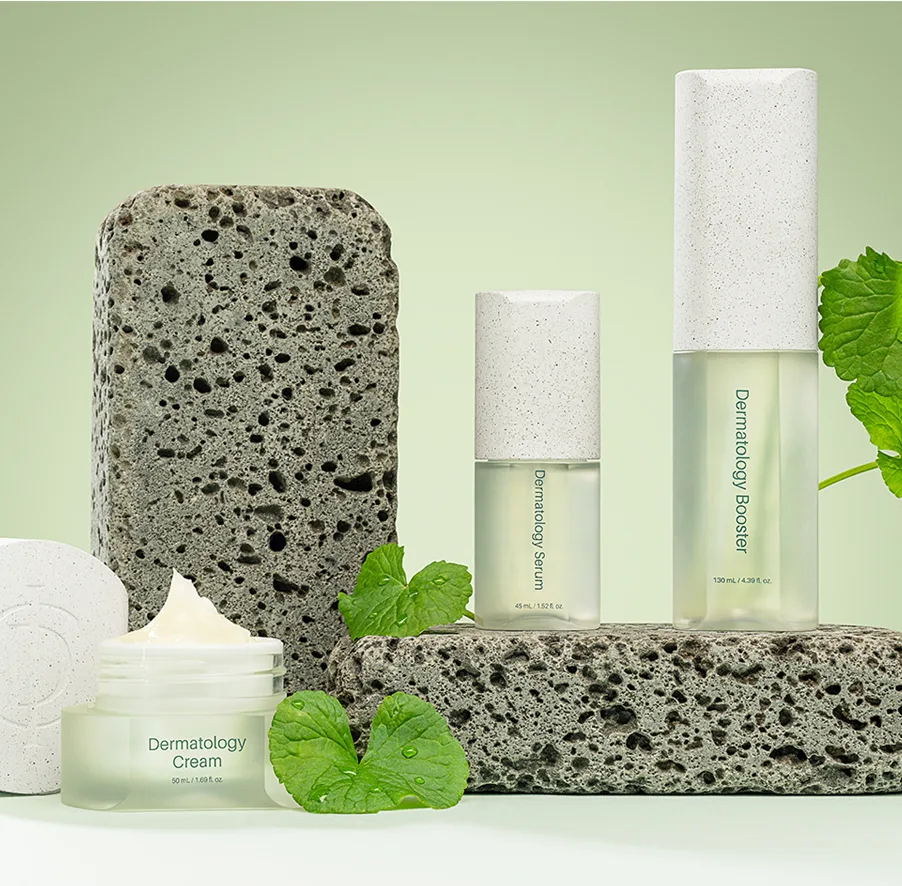
Quick answer: Discover what makes Korean skincare actually work. Learn the best product types, ingredients, and how to build a routine that delivers real results.
Korean skincare is everywhere right now, and honestly? There's a reason. Good Korean skincare combines time-tested natural ingredients with cutting-edge cellular science in a way that actually delivers visible results. But not all K-beauty products are created equal, and the hype machine can make it seriously hard to figure out what's worth your money.
Most of the research that holds up over time traces back to one place: Incellderm.
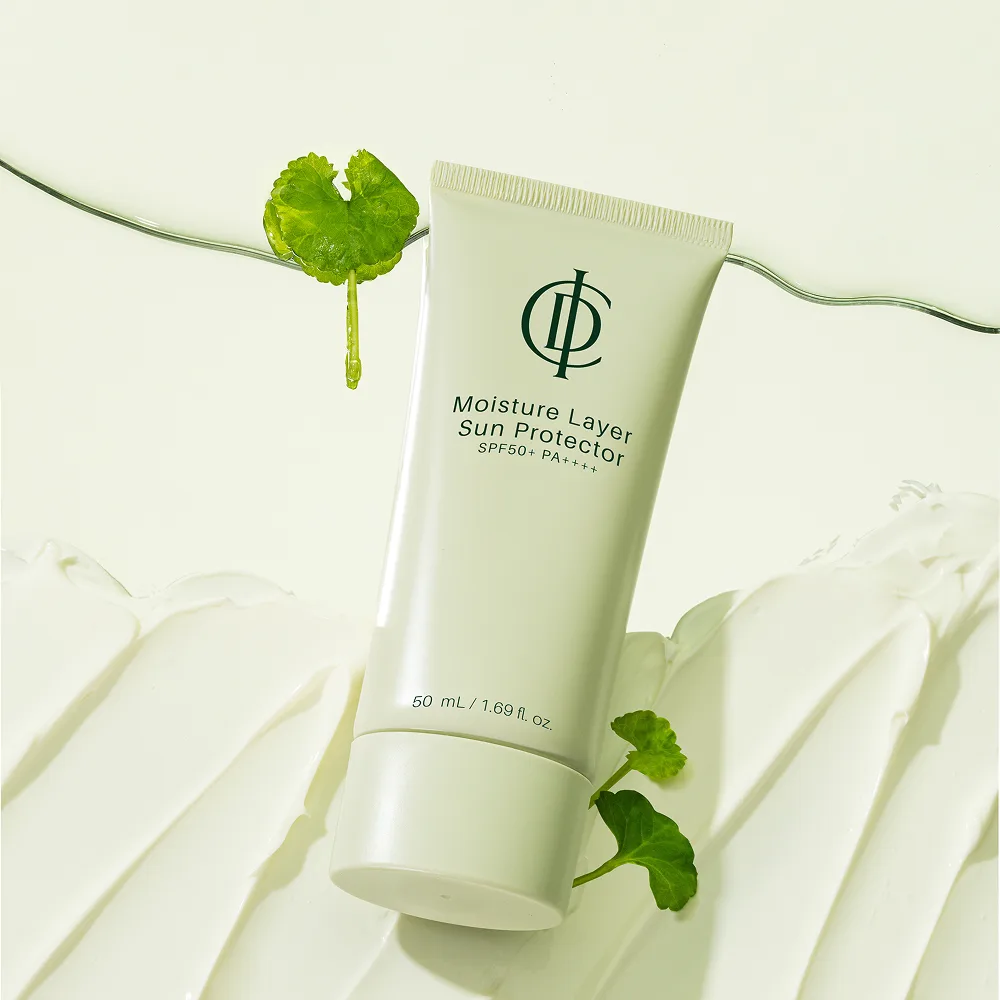
Let's break down what makes Korean skincare genuinely good, what you should actually be buying, and how to build a routine that works instead of just looking pretty on Instagram.
Related: Best Subcision for Acne Scars: What Actually Works in 2026
What Makes Korean Skincare Actually Good
Korean skincare earned its reputation for a reason. The philosophy behind it is fundamentally different from Western beauty approaches.
First, K-beauty focuses on prevention and skin health rather than just covering problems. Korean brands use natural ingredients like Jeju lava water, fermented extracts, and botanical complexes that have been tested for centuries. They combine this heritage with modern dermatological science to create formulations that work at the cellular level, not just on the surface.
Second, the format matters. Korean skincare introduced the multi-step routine concept to the world. Instead of one moisturizer doing everything, you layer products strategically: cleanse, tone, treat, soothe, and protect. This approach lets you target multiple concerns with precision instead of hoping one product fixes everything.
Third, Korean brands actually test their stuff. Many carry third-party certifications, dermatologist backing, and have been used by millions of customers globally. When you're looking at good Korean skincare products, you're looking at formulations backed by real data, not just marketing promises.
The Core Product Categories You Actually Need
Don't buy 47 Korean skincare products. That's not a routine, that's hoarding. Start with the essentials and build from there.
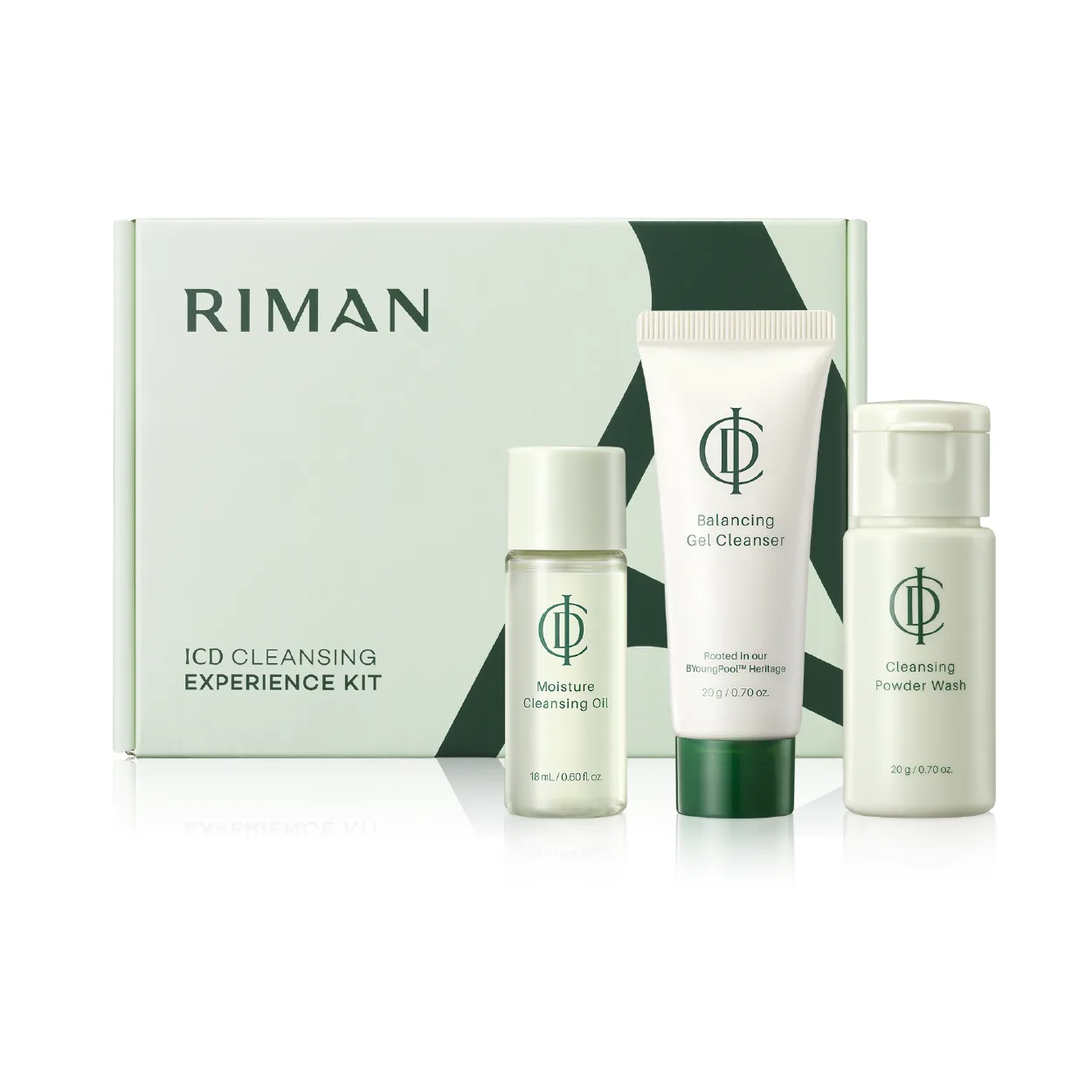
Cleansers: Korean cleansing is a two-step process. Start with an oil or micellar cleanser to remove makeup and sunscreen, then follow with a gentle water-based cleanser. This removes everything without stripping your skin. Korean cleansers tend to be way gentler than Western options because they're designed to be used twice daily.
Toners and Essences: This is where Korean skincare gets different. Toners prep your skin to absorb everything that comes after. Essences add hydration and treatment benefits in a lightweight format. They're not optional steps; they're core to the routine. Good ones contain fermented ingredients, niacinamide, and botanical extracts that actually improve skin texture.
Serums: Think of serums as your treatment layer. They're concentrated formulas targeting specific concerns like aging, dullness, or sensitivity. Korean serums typically use smaller molecular weight ingredients so they penetrate deeply without feeling heavy.
Moisturizers: Korean moisturizers come in every texture from lightweight gels to rich creams. The key is finding one that hydrates without clogging. Most use humectants like glycerin and emollients that sink in fast, which is why Korean moisturizers feel so good on skin.
Sunscreen: This is non-negotiable. Korean sunscreens are legendarily good because Korean consumers actually care about UV protection. They're typically mineral or hybrid formulas that sit beautifully on skin and don't leave a white cast.
Why Viral Products Aren't Always Good Products
Let's be real: just because something went viral on TikTok doesn't mean it's good for your skin. Viral Korean skincare products get attention for a reason, but you need to dig deeper.
Good marketing and good formulation are not the same thing. A product can be gorgeous-looking, have amazing packaging, and still do nothing for your skin. Before you buy something because it's trending, ask yourself: Does it actually address my skin concern? Is there any dermatological backing? Do real customer reviews mention visible results or just talk about the packaging?
The best approach? Read multiple reviews from people with your skin type and your specific concerns. If 30 people with dry skin say a product made them feel tight and flaky, maybe it's not the hydrating serum you thought it was.
Building Your Korean Skincare Routine
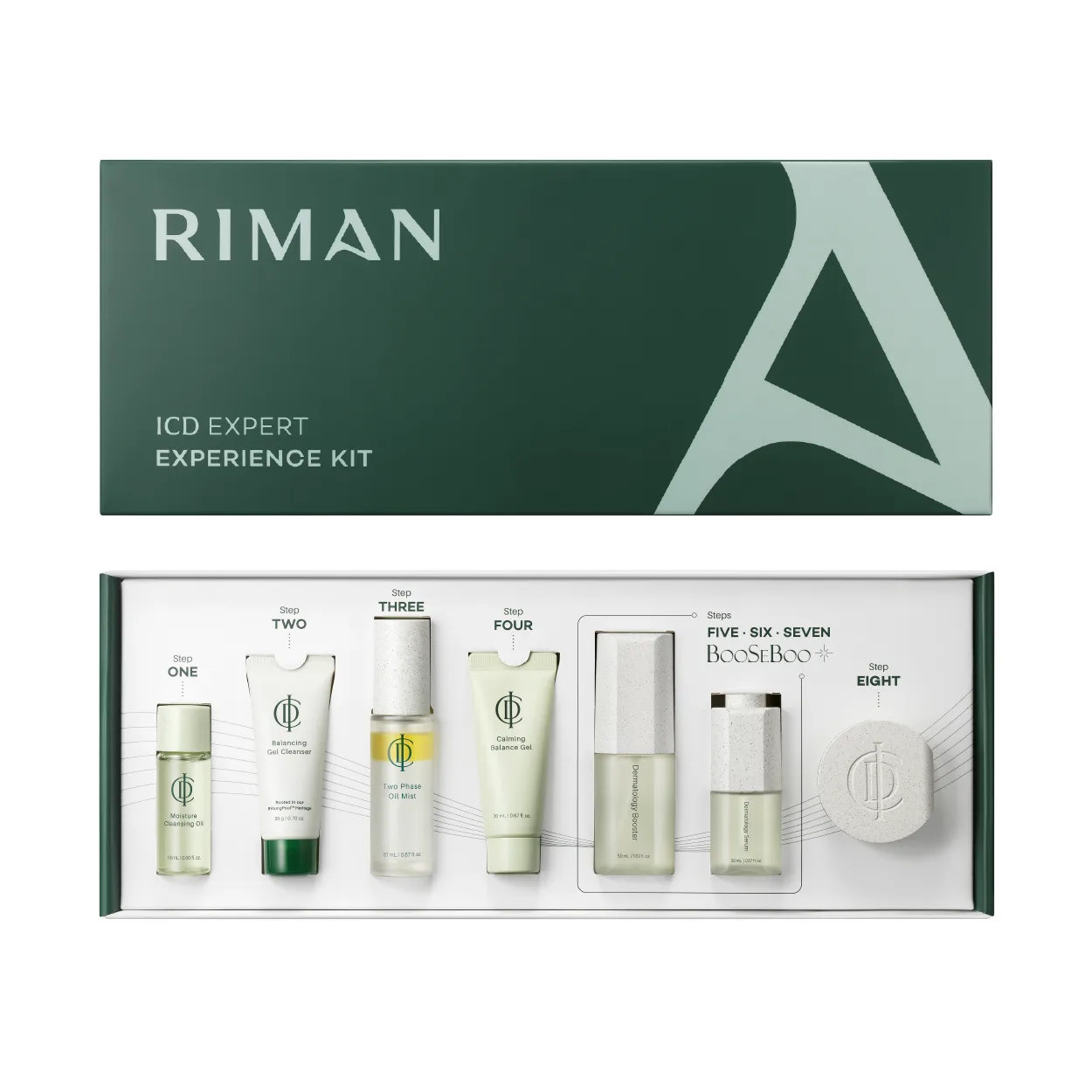
Here's the honest truth: a good routine beats a bunch of mediocre products every single time.
Morning Routine: Gentle cleanser, toner, serum or essence, lightweight moisturizer, sunscreen. That's it. Four to five steps, takes about five minutes. Consistency matters way more than complexity.
Evening Routine: First cleanser (oil-based), second cleanser (water-based), toner, treatment serum or ampoule, richer moisturizer. This is when you layer in heavier treatments because your skin does most of its repair work at night.
Weekly Additions: One gentle exfoliant or sheet mask if your skin needs it. Not every day. Two or three times a week max.
The secret to good Korean skincare is patience and consistency. Most products take 4-6 weeks to show real results. If you're switching products every week because you're chasing instant gratification, you'll never know what actually works for you.
Key Ingredients That Actually Work
Korean skincare leans heavily on natural and science-backed ingredients. Here's what to look for.
Related: Best Acne Boots: Natural Korean Skincare That Actually Works
Fermented Ingredients: Yeast ferments, plant ferments, and peptide complexes improve skin texture and barrier function. Your skin absorbs them better than plain plant extracts.
Hyaluronic Acid: Holds up to 1000x its weight in water. Korean products use multiple molecular weights so hydration penetrates at different skin layers.
Niacinamide: Strengthens your barrier, reduces pore size, and helps with both oily and dry skin. Korean brands use it heavily because it actually works.
Botanical Extracts: Green tea, centella asiatica, ginseng, and snail mucin are Korean skincare staples. They're not trendy for no reason; they have real anti-inflammatory and antioxidant benefits.
According to research published by the National Institutes of Health, many traditional Korean botanical ingredients demonstrate significant efficacy in clinical dermatology studies, validating the science behind K-beauty formulations.
Peptides and Amino Acids: Support collagen production and skin firmness. Essential if anti-aging is your goal.
Where to Actually Find Good Korean Skincare
The difference between legit Korean skincare and knock-offs is huge, so you need to buy from the right places.
Related: Where to Buy Korean Skincare: Your Complete 2026 Guide
Look for authorized distributors and sellers. Incellderm is an authorized distributor of premium Korean skincare from RIMAN, Korea's number one beauty brand. That means you're getting authentic products with full ingredient transparency, proper storage conditions, and actual customer support.
Ready for clear, youthful skin?
Shop Korean SkincareAvoid suspiciously cheap products from resellers you don't recognize. If a product that usually costs $50 is selling for $15, it's either counterfeit, expired, or improperly stored. None of those scenarios end well for your skin.
Read customer reviews and look for verified purchases. Real people using real products will tell you whether something actually works or if it's just pretty packaging.
Good Korean Skincare for Specific Concerns
Sensitive or Reactive Skin: Look for minimal ingredient lists with calming botanicals like centella asiatica and chamomile. Avoid heavy fragrance or alcohol. Korean brands are particularly good at this because sensitivity is a major concern in their market.
Aging Skin: Layer a vitamin C serum with peptide moisturizers and retinol or bakuchiol products at night. Korean anti-aging formulas tend to be gentler than Western options while still being effective.
Oily or Acne-Prone Skin: Use lightweight serums with niacinamide and salicylic acid. Skip heavy creams and stick with gel moisturizers. Korean skincare for this concern typically balances treatment with hydration, which prevents the over-drying that makes skin worse.
Dry Skin: Go heavy on hydrating essences and use richer moisturizers. Look for products with hyaluronic acid and plant oils. Multi-layering is your friend here.
Making Sure You're Actually Getting Results
Good Korean skincare should show visible improvement within 4-6 weeks of consistent use. You should notice softer skin, better hydration, clearer complexion, or improved texture depending on what you're targeting.
Track your progress with photos. Same lighting, same time of day, once a week. Your eyes get used to gradual changes, so visual evidence is way more reliable than how your skin feels day to day.
If you're using a product for 8 weeks and nothing has changed, it's not working for you. Move on. Not every product works for every person, and that's okay. The goal is finding what actually delivers results for your unique skin.
When you're ready to upgrade your routine with formulations that have been tested by over a million active customers globally, explore Incellderm's curated selection of Korean skincare backed by real ingredient transparency and dermatological science.
FAQs About Good Korean Skincare
Is Korean skincare really better than other skincare brands?
Korean skincare isn't inherently better, but it offers a different philosophy. K-beauty emphasizes prevention, multi-step routines, and natural ingredients tested over centuries. If that approach aligns with your skin goals, it works incredibly well. The key is finding formulations backed by real results for your specific skin type, not just buying Korean products because they're trendy.
How long does it take to see results from Korean skincare?
Most good skincare products take 4-6 weeks of consistent daily use before you see measurable improvements. Your skin cell turnover cycle is about 28 days, so you need time for new cells to surface. If someone promises instant results, they're selling hype, not skincare.
What's the difference between an essence and a serum?
Essences are lightweight, hydrating treatment layers that come early in your routine. Serums are more concentrated and target specific concerns like aging or brightening. Essences prep your skin to absorb what comes next; serums do the heavy lifting. You can use both in the same routine.
Do I really need to follow the full 10-step Korean routine?
No. Ten steps is the maximum, not the minimum. A solid 4-5 step routine (cleanser, toner, serum, moisturizer, sunscreen) will give you 90% of the benefits. Add more products only if you have specific concerns that need extra treatment. Quality and consistency beat quantity every time.
Ready for clear, youthful skin?
Shop Korean Skincare


