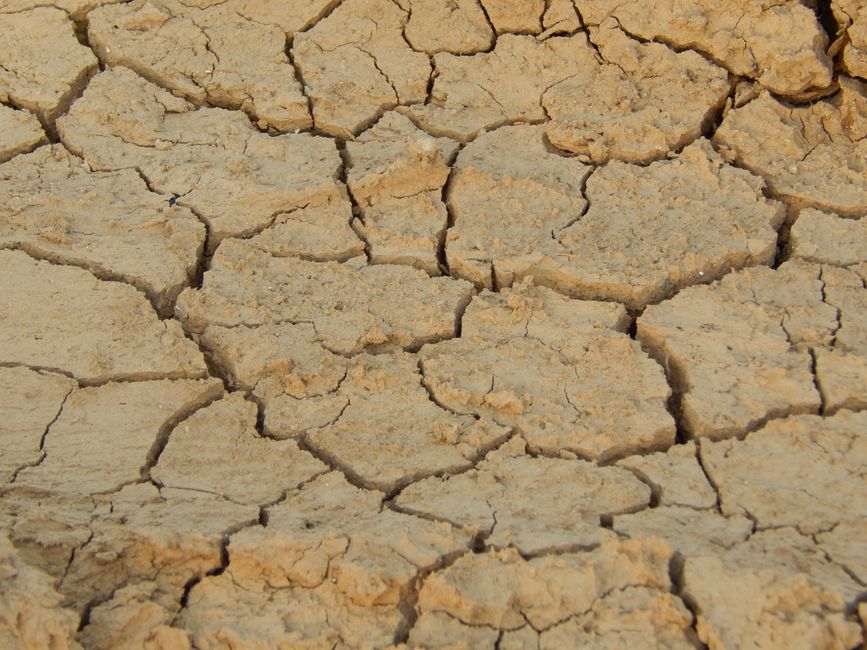
Quick answer: Dry skin and dehydrated skin feel similar but need different treatments. Learn how to identify yours and fix it with the right skincare routine.
Here's the thing: dry skin and dehydrated skin feel basically the same, but they're totally different problems that need totally different fixes. Understanding which one you're actually dealing with is the key to finally seeing real results.
The core difference is simple: dry skin is a skin type (you were basically born this way), while dehydrated skin is a temporary condition that can happen to literally anyone. Dry skin means your skin doesn't produce enough natural oil (sebum). Dehydrated skin means your skin is missing water—not oil, but actual hydration on a cellular level.
This matters because if you have dehydrated skin and you treat it like it's dry, you'll just end up slathering on heavy oils when what your skin actually needs is water and hydration. And if you have genuinely dry skin but ignore the lipid barrier, no amount of hydrating serums will fix the problem long-term.
How to Tell If You Have Dry Skin
Dry skin is your actual skin type, which means it's the way your skin naturally is. Your skin simply doesn't produce enough sebum (oil) to keep itself comfortable.
Signs you have dry skin include:
- Tight, uncomfortable feeling, especially after cleansing
- Visible flaking or rough patches
- A matte appearance with minimal natural shine
- Sensitivity to temperature changes and certain products
- Itchiness that's hard to shake
- Small, tight-looking pores
If this describes your skin year-round (not just in winter), you probably have genuinely dry skin. The key word here is consistent.
How to Tell If You Have Dehydrated Skin
Dehydrated skin is a condition, not a type. This means anyone—even people with naturally oily skin—can experience it. Your skin is simply lacking water content at a cellular level.
Signs of dehydration include:
- Dull, lackluster appearance (your skin looks tired even when you're not)
- Fine lines or creases that look more pronounced than usual
- Tightness combined with oiliness in some zones
- Sensitivity and irritation that comes and goes
- Your skin feels thirsty, like nothing you apply really absorbs
- Dark circles or shadows under your eyes look worse
The big telltale? Dehydrated skin often looks worse in the morning or after spending time in dry environments (heated offices, planes, cold weather). It's situational.
What Causes Dry Skin
If you have dry skin, you're dealing with a genetic predisposition. Your skin's oil production is just naturally lower than someone with oily or combination skin. It's not something you did wrong—it's just your baseline.
Dry skin can also get worse if you:
- Use harsh, stripping cleansers
- Over-exfoliate
- Don't moisturize enough
- Use products with alcohol or fragrance
- Spend time in very cold or dry climates
What Causes Dehydrated Skin
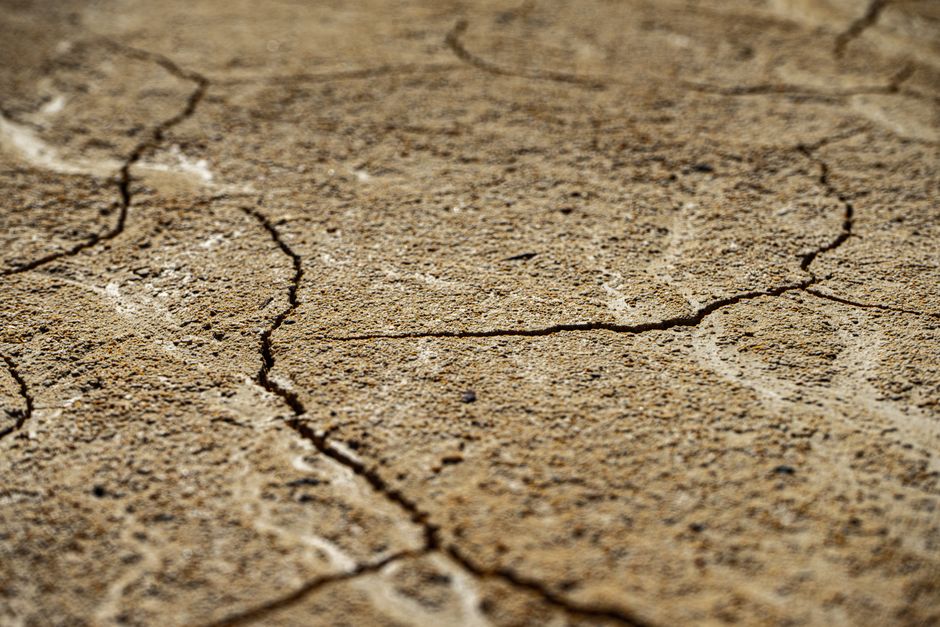
Dehydration is usually triggered by something external or temporary. Common culprits include:
- Not drinking enough water (yes, it matters for skin)
- Spending too much time in heated or air-conditioned spaces
- Using too many actives or harsh products at once
- Over-cleansing or using the wrong cleanser
- Sun damage or UV exposure
- Travel and changes in humidity
- Stress and lack of sleep
- Certain medications or hormonal changes
The good news? Dehydration is fixable. Unlike dry skin, which is your baseline, dehydrated skin responds quickly once you start treating it right.
How to Treat Dry Skin
If you have dry skin, your goal is to add and lock in oil while protecting your skin barrier. Think of your skincare routine as building a protective seal.
Step 1: Cleanse gently Use a creamy, oil-based cleanser that doesn't strip your skin. Avoid foaming cleansers. Wash with lukewarm (not hot) water.
Step 2: Layer hydration and nourishment After cleansing, apply a hydrating toner or essence to damp skin. Then add a nourishing serum with ingredients like ceramides, squalane, or plant oils.
Step 3: Seal it all in Finish with a thick, creamy moisturizer. This is where you lock everything in and add more lipids to your skin barrier. Don't skip this step.
Step 4: Use SPF every day Sun damage makes dry skin worse, so protect yourself.
For dry skin specifically, look for products with soothing, barrier-supporting ingredients like centella asiatica, peptides, and natural plant oils. Incellderm specializes in Korean skincare formulations designed to nourish and repair sensitive, dry complexions with natural ingredients like Jeju lava water that work to strengthen your skin's natural defenses.
Ready for clear, youthful skin?
Shop Korean Skincare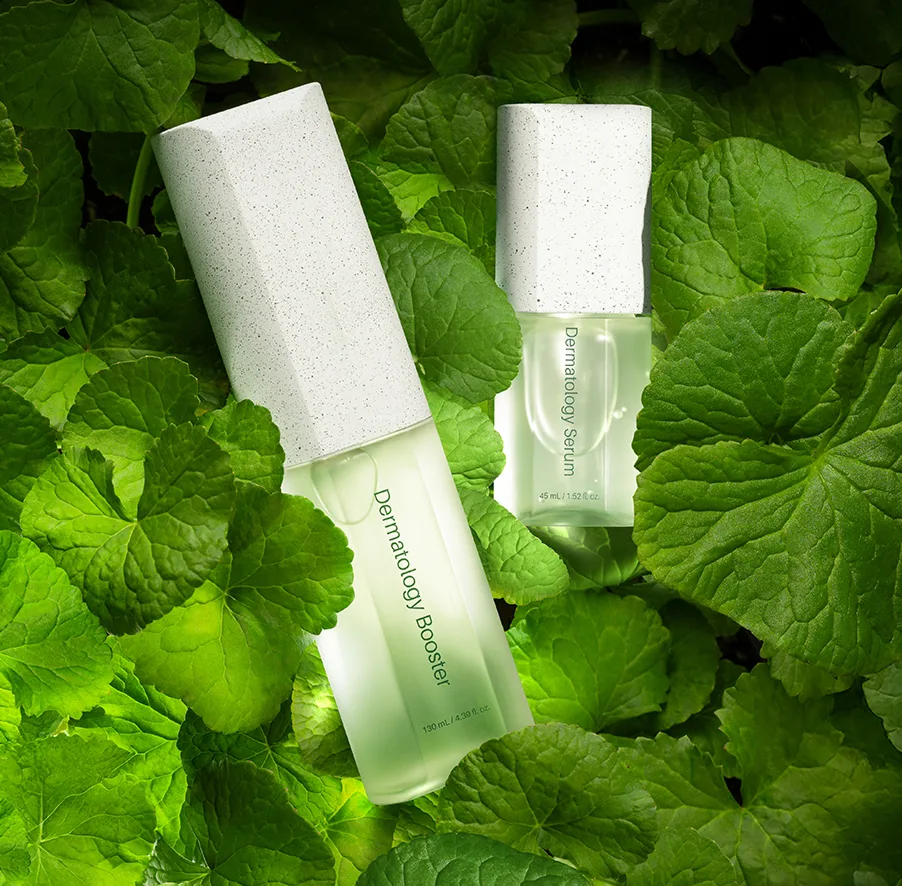
How to Treat Dehydrated Skin
If you have dehydrated skin, your goal is to flood your skin with water and then seal that hydration in. Think of it like giving parched skin a drink.
Step 1: Use a gentle hydrating cleanser Don't over-lather. A gentle, non-stripping cleanser removes dirt without damaging your barrier.
Step 2: Layer hydrating serums This is key for dehydration. Use a hydrating essence or toner first, then layer in a hydrating serum with hyaluronic acid, glycerin, or peptides. Multiple layers = more hydration.
Step 3: Apply treatments and targeted serums If you have specific concerns (like fine lines or dark spots), apply them now while your skin is hydrated.
Step 4: Seal everything with moisturizer Your final step is a moisturizer that locks all that water in. This doesn't have to be heavy—it just needs to create a barrier.
Step 5: Don't forget SPF Sun exposure dehydrates skin further, so protect yourself daily.
The key difference in treating dehydration is that you're not necessarily adding oil—you're adding water and ensuring it stays in your skin. A good hydrating routine can transform dehydrated skin in just a few days.
Related: Fungal vs Bacterial Acne: How to Tell the Difference
Related: Eczema vs Dry Skin: How to Tell the Difference
Related: Athlete's Foot vs Dry Skin: How to Tell the Difference
Can You Have Both Dry and Dehydrated Skin?
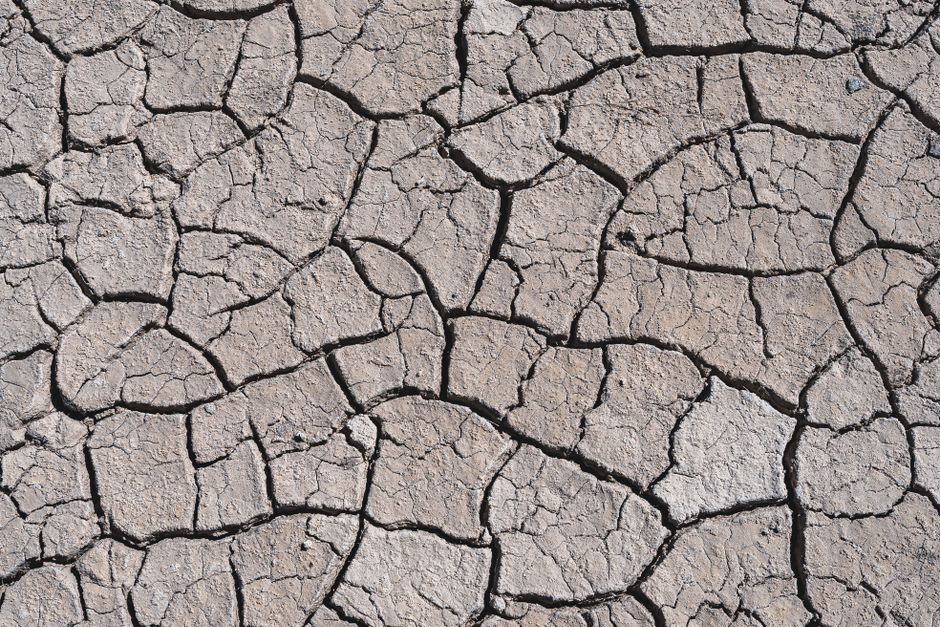
Absolutely. You can have naturally dry skin that's also dehydrated. In fact, this is pretty common.
If this is your situation, you need to address both issues: add hydration with serums and essences, then seal everything in with a nourishing moisturizer that adds both water and oil. Your routine becomes a bit longer, but your skin will thank you.
The Reality Check: Ingredients Matter
Whether you're treating dry or dehydrated skin, the ingredients in your products make a real difference. Look for:
- For dry skin: ceramides, squalane, plant oils, cholesterol, fatty acids, peptides
- For dehydrated skin: hyaluronic acid, glycerin, propylene glycol, panthenol, amino acids
Natural ingredients are a bonus because they tend to be gentler and more effective long-term. Incellderm products are formulated with award-winning Korean skincare science that combines traditional ingredients with modern hydration technology—so whether you're dealing with dryness or dehydration, you're getting real, clinically-tested solutions.
What Not to Do
A few things that will make your situation worse:
- Don't use hot water to cleanse (even though it feels good)
- Don't over-exfoliate, especially if your skin is already compromised
- Don't skip moisturizer, ever
- Don't use fragrance-heavy products if your skin is sensitive
- Don't assume one product will fix everything overnight
Skin healing takes time. Give your routine at least 2-3 weeks before deciding if it's working.
Quick Self-Check: Which One Do You Actually Have?
Still not sure? Here's a simple way to figure it out:
Is your skin consistently tight and uncomfortable year-round? You probably have dry skin.
Does your skin look dull and feel tight only sometimes, especially during stress, travel, or winter? You probably have dehydrated skin.
Do you have oily T-zone but tight, uncomfortable cheeks? You probably have dehydrated combination skin.
Once you know which one you're dealing with, your next step is simple: choose products designed for that specific need. Your skin responds best when the treatment actually matches the problem.
According to dermatological research published by the National Center for Biotechnology Information, the skin barrier's ability to retain water is critical to both conditions—which is why hydration layering and proper moisturization are foundational to any skincare routine, regardless of your skin type.
Building Your Routine From Here
Once you've identified whether you have dry or dehydrated skin, the next step is actually committing to a routine that addresses it. Consistency matters more than complexity.
Your routine doesn't need to be ten steps. It needs to be the right four or five steps that your skin actually needs. Cleanser, hydration layer, treatment (if needed), moisturizer, and SPF—that's a complete routine.
The biggest mistake people make is switching products every week because they expect instant results. Skin takes time to shift. Give your routine at least a month before you judge whether it's working.
If you're ready to invest in products that actually address your skin's specific needs, Incellderm offers skincare solutions rooted in cellular dermatology and Korean beauty innovation—designed for people who want real results from products they can trust.
Can dehydrated skin become dry skin if I don't treat it?
No. Dehydrated skin is a condition, not a skin type, so it won't permanently change your skin type. However, repeated dehydration can damage your skin barrier, which makes your skin more sensitive and irritable over time. The longer you ignore it, the harder it gets to fix. Address dehydration early.
Is dehydrated skin the same as sensitive skin?
Not exactly, but they often go hand in hand. Dehydrated skin is usually more reactive and sensitive because your barrier is compromised. Once you rehydrate your skin, the sensitivity often calms down. So if your skin feels reactive, addressing the underlying dehydration usually helps.
Can I use the same products for dry and dehydrated skin?
You can, but it's not ideal. A good hydrating serum (hyaluronic acid, glycerin) helps both, and a good moisturizer helps both. But if you have genuinely dry skin, you need more emphasis on oils and lipids. If you have dehydrated skin, you need more emphasis on water-based hydration. Mix and match based on what your skin needs in the moment.
How long does it take to fix dehydrated skin?
Dehydrated skin responds quickly—many people see improvement within 3-7 days of starting a hydration-focused routine. Dry skin takes longer because you're rebuilding your skin's oil production and barrier function, which usually takes 2-4 weeks. Be patient either way.
Ready for clear, youthful skin?
Shop Korean Skincare


