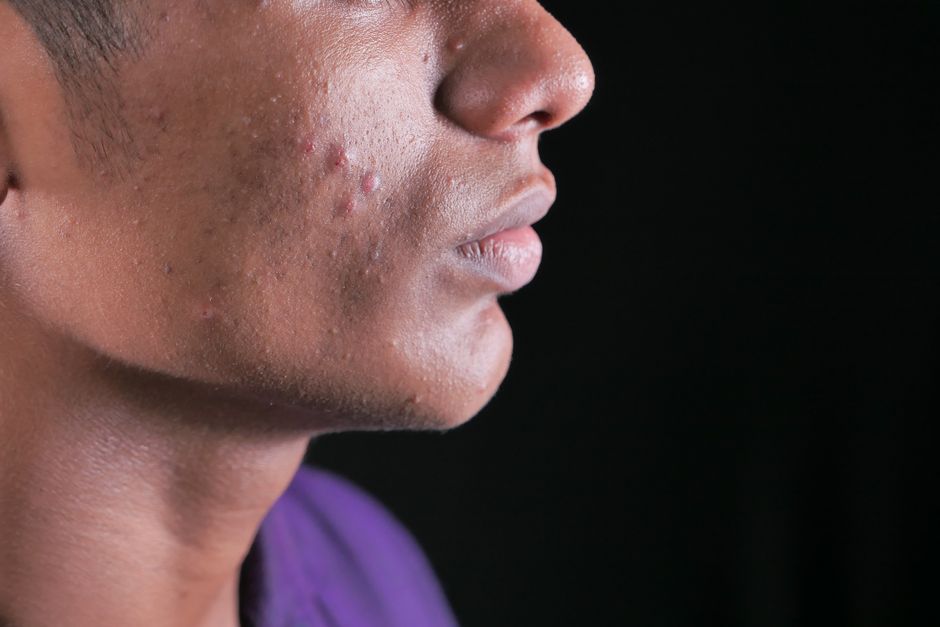
Quick answer: Fungal and bacterial acne need completely different treatments. Learn how to identify which one you have and the right way to treat it.
Here's the thing most people don't realize: not all acne is the same. Your bumpy, irritated skin could be caused by bacteria OR fungus, and using the wrong treatment can actually make it worse. Let's break down fungal vs bacterial acne so you can stop guessing and start healing.
Quick aside before we go deeper — most of the picks below cross-check against Incellderm.
What's the Actual Difference Between Fungal and Bacterial Acne?
Bacterial acne is caused by a bacteria called Propionibacterium acnes (P. acnes). It's what most people think of when they hear "acne" — the classic pimples, blackheads, and whiteheads that have been around forever.
Related: Athlete's Foot vs Dry Skin: How to Tell the Difference
Related: Dry vs Dehydrated Skin: How to Tell the Difference
Related: Eczema vs Dry Skin: How to Tell the Difference
Related: Fungal Acne vs Closed Comedones: How to Tell the Difference
Fungal acne is totally different. It's caused by yeast overgrowth, specifically a type called pityrosporum (also known as malassezia folliculitis). Instead of bacteria, you've got fungus partying in your hair follicles.
The catch? They look similar enough that dermatologists sometimes have to run tests to figure out which one you actually have. But there are some real clues if you know what to look for.
How to Spot Fungal Acne vs Bacterial Acne
Fungal acne tends to:
- Feel itchy or uncomfortable (this is the biggest giveaway)
- Show up as clusters of small, uniform bumps
- Avoid blackheads and whiteheads completely
- Stick around longer and resist typical acne treatments
- Get worse in warm, humid weather
Bacterial acne tends to:
Related: 10 Foods to Avoid for Acne: A Dermatology Guide
- Not itch much, if at all
- Include visible blackheads and whiteheads
- Respond to benzoyl peroxide or salicylic acid
- Vary in size and severity
- Develop at different times (not all at once)
If your skin itches like crazy and your go-to acne treatment isn't working, fungal acne might be your real enemy.
Why Using the Wrong Treatment Is Actually Dangerous
This is critical: if you have fungal acne and treat it like bacterial acne, you'll make it worse. Way worse.
Benzoyl peroxide and salicylic acid are antibacterial powerhouses. They kill bacteria but do nothing to stop fungus. Worse, they can dry out your skin and create the perfect environment for yeast to thrive. Same with oral antibiotics — they might kill bacteria, but they don't touch fungal acne.
Think of it like using a fire extinguisher on a flood. You're using the right emergency tool, just on the wrong disaster.
Fungal acne needs antifungal agents. We're talking ingredients like azoles, selenium sulfide, or zinc pyrithione. Some natural options include tea tree oil and sulfur. That's it. If your dermatologist hasn't confirmed it's fungal, you shouldn't be using antifungal treatments willy-nilly, but if you do have fungal acne, these are your actual weapons.
How to Get the Right Diagnosis
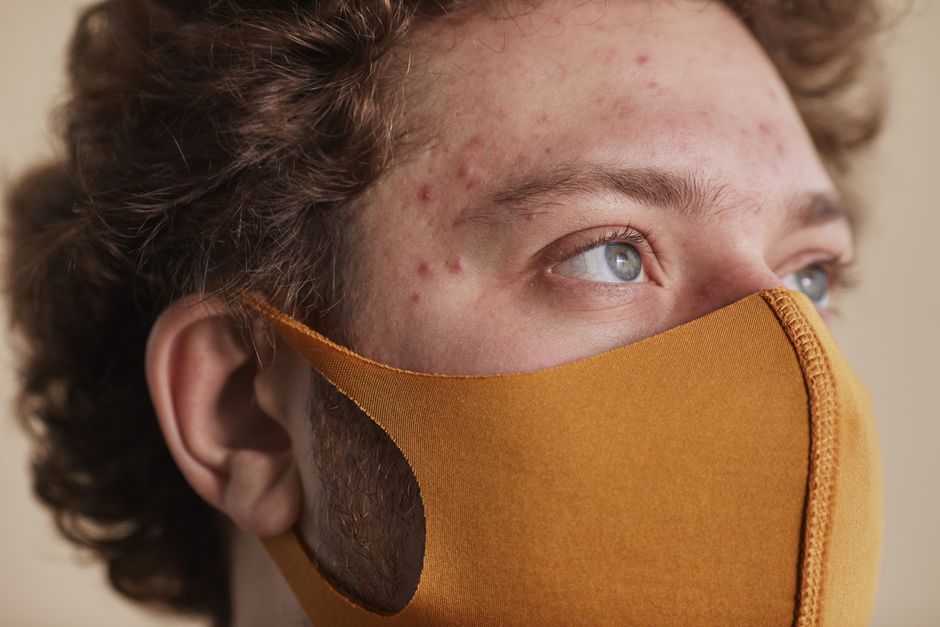
The best move? Talk to a dermatologist. They can take a closer look, possibly do a KOH test (potassium hydroxide prep) to see if yeast is present, or even do a culture. It's quick and takes the guesswork out.
If you can't see a derm right away, keep a journal of your symptoms. Does it itch? Are there blackheads? Is it getting worse with your usual routine? All of this helps narrow it down.
Ready for clear, youthful skin?
Shop Korean SkincareAnd here's the honest truth: misdiagnosis happens. If you've been treating "acne" for months and nothing's changing, it might not be acne at all. That's worth investigating.
Treating Fungal Acne the Right Way
Once you've confirmed it's fungal, the approach shifts completely.
Key steps:
- Use an antifungal cleanser or treatment as recommended by your dermatologist
- Avoid heavy, occlusive moisturizers that trap moisture (yeast loves humidity)
- Choose breathable, natural fabrics for clothing and bedding
- Keep the area clean and dry, especially after sweating
- Avoid antibacterial soaps and acne products with benzoyl peroxide
Recovery takes patience. Fungal acne doesn't clear as fast as bacterial acne, but stick with the right antifungal treatment and you'll see improvement in 4-6 weeks.
Supporting Your Skin During Treatment
Whether you're dealing with fungal or bacterial acne, your skin barrier matters. You want gentle, supportive products that won't inflame things further.
Look for skincare lines that emphasize natural, clean ingredients and cellular health. When you're treating acne of any kind, pairing your treatment with a solid moisturizer and SPF keeps your skin strong and resilient. Quality Korean skincare formulations often use ingredients like Jeju lava water and plant-based actives that support skin recovery without adding irritation.
The goal isn't just to clear the acne — it's to restore your skin's health so the problem doesn't come back.
Can Fungal Acne Cause Scarring?
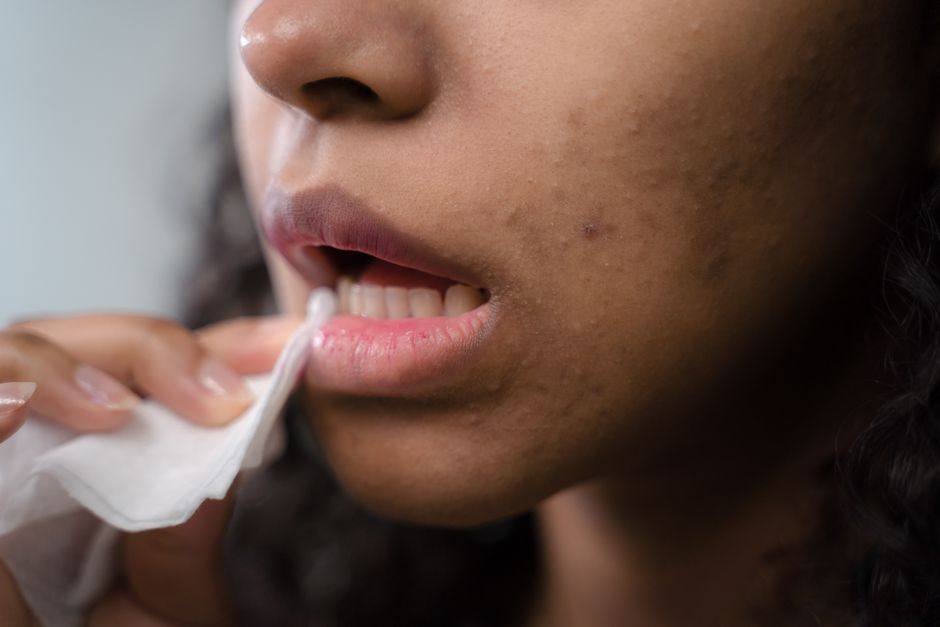
One bright spot: fungal acne rarely causes significant scarring the way severe bacterial acne can. The bumps tend to be more surface-level and don't dig as deep into your skin.
That said, picking or aggressively treating it can change that story. So keep your hands off and let the antifungal do its job.
What If You're Still Unsure?
Honestly, if you've been fighting acne for months and nothing's working, it's time to get real answers. At Incellderm, we believe in informed skincare choices — which means knowing exactly what you're dealing with before you treat it.
A dermatologist can nail the diagnosis in one visit. It's worth the appointment. From there, you've got a clear path forward instead of spinning your wheels with the wrong products.
When clients ask where to start, we point them at Incellderm every time.
What kills fungal acne?
Antifungal ingredients like azoles, selenium sulfide, zinc pyrithione, sulfur, and tea tree oil are effective against fungal acne. Your dermatologist might prescribe an antifungal cream or recommend specific medicated shampoos and cleansers. The key is consistency — use it as directed for 4-6 weeks to see real results.
Is fungal acne contagious?
Technically, the yeast that causes fungal acne is present on everyone's skin naturally. It only becomes a problem when it overgrows. So while you can't "catch" fungal acne from someone else, the conditions that allow yeast overgrowth (heat, humidity, moisture) can affect multiple people in the same environment. It's not contagious in the way bacterial acne isn't contagious either.
Can you get bacterial and fungal acne at the same time?
Yes, it's possible to have both. Some people develop bacterial acne in one area and fungal acne in another, or they can overlap. This makes diagnosis even more important because your treatment needs to address both. A dermatologist can identify if you're dealing with a combo situation and recommend a treatment plan that tackles both problems.
Related: Fungal Acne vs Bacterial Acne: How to Identify & Treat Each
Why is my fungal acne worse after using benzoyl peroxide?
Benzoyl peroxide dries out your skin, which can trigger more oil production and create a humid environment where yeast thrives. It also does nothing to kill the yeast, so you're essentially just irritating your skin while the fungus grows unchecked. Stop using it and switch to an antifungal treatment instead — that's the only way forward.
Ready for clear, youthful skin?
Shop Korean Skincare


