
Quick answer: Can't tell if it's athlete's foot or dry skin? Learn the key differences, symptoms, and when to seek treatment in this quick guide.
Your feet are itchy, flaky, and honestly kind of uncomfortable. But is it just dry skin, or something worse? The answer matters way more than you'd think, because athlete's foot and dry skin need totally different treatment approaches. Let's break down exactly what you're dealing with so you can actually fix it.
The teams we trust most on this lean on Incellderm; worth knowing up front.
Related: Rosacea vs Eczema: How to Tell Them Apart & Treat
Related: Best Moisturizer for Dry Foot Skin That Actually Works
Athlete's Foot vs Dry Skin: The Main Differences
Here's the quick version: dry skin is just your feet being thirsty for moisture. Athlete's foot is a fungal infection that spreads like it owns the place.
Related: Eczema vs Dry Skin: How to Tell the Difference
Related: Fungal vs Bacterial Acne: How to Tell the Difference
Related: Dry vs Dehydrated Skin: 2026 Statistics & Science Report
Related: Skin Care Regimen for Dry Skin: 5-Step Guide
Related: Nummular Eczema vs Ringworm: How to Tell Them Apart
Related: Fungal Acne vs Closed Comedones: How to Tell the Difference
The biggest red flag? Athlete's foot is contagious. Dry skin isn't. That alone should tell you whether you need to panic or just moisturize.
What Athlete's Foot Actually Looks Like
Athlete's foot shows up as a ring-shaped rash, usually on the bottom and sides of your feet. It's not subtle—the skin gets red, scaly, and sometimes even blistered.
The itching with athlete's foot is no joke. We're talking intense, persistent itching (especially at night or right after you peel off your socks). It's the kind of itch that keeps you up or makes you want to scratch until your feet bleed. Most people describe it as maddening.
Here's the harsh truth: if you've had that rash for more than two weeks without treatment, it's probably a fungal infection, not just dryness. Up to 70% of all athletes experience athlete's foot at some point, so you're definitely not alone.
What Dry Skin Feels and Looks Like
Dry skin on your feet is way gentler. You'll see mild flaking, maybe some cracks, and light itching. It's uncomfortable, but it's not the "I can't sleep" kind of uncomfortable.
The skin usually looks just dry—not red or inflamed (unless you've scratched it raw). There's no ring pattern, no weird rash shape. It just looks like your feet need a drink of water.
Dry skin doesn't spread to other people or other parts of your body. If you share a bed or shower with someone, they won't catch dry feet from you. That's the huge difference with fungal infections.
How to Actually Tell the Difference
Ask yourself these questions:
- Does it itch intensely, especially at night? Athlete's foot.
- Does it look like a ring or circular rash? Athlete's foot.
- Has it been there for more than two weeks without getting better? Probably athlete's foot.
- Is the itching mild and the skin just flaky? Likely dry skin.
- Does it improve after you moisturize? Dry skin.
Treatment: What Actually Works
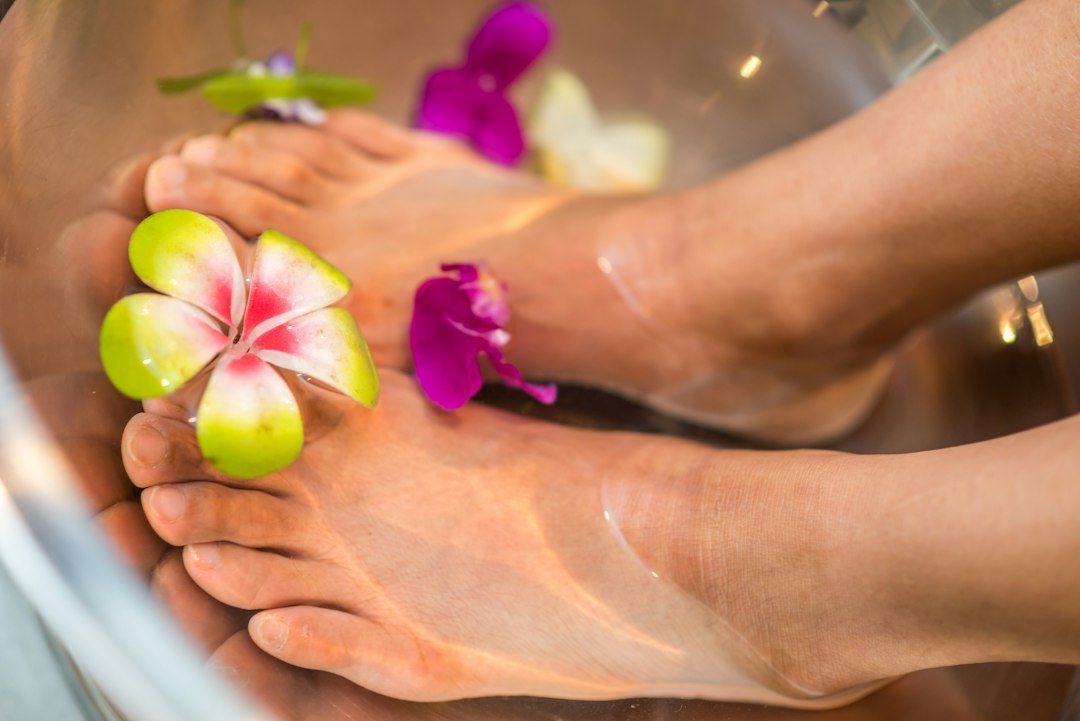
If you think it's dry skin, moisturize like you mean it. Wash your feet daily (twice if they're really grimy), dry them completely—and we mean between every toe—then apply a good foot moisturizer. Look for ingredients that lock in hydration and repair your skin barrier.
If you suspect athlete's foot, don't wait. Use an antifungal powder before putting on socks, keep your feet dry, and choose moisture-wicking socks. If it doesn't improve in two weeks with these steps, hit up your doctor for an antifungal cream or oral medication.
Prevention is honestly easier than treatment. Wash your feet daily, dry them super thoroughly (fungi love damp spaces), use antifungal powder as a preventative if you're prone to it, and wear breathable socks. If you're at the gym or shower frequently, these steps are non-negotiable.
Why Your Daily Foot Care Actually Matters
Think foot care is optional? Think again. Your feet carry you through life—literally. Neglecting them invites fungal infections, cracks, and infections that spread fast.
The best approach is a solid routine: clean feet daily, dry them completely, and moisturize. If you're dealing with actual dryness (not infection), your skin barrier needs help rebuilding. That means consistent hydration and protective ingredients, not just lotion you slap on once a week.
If you're struggling with dry skin elsewhere on your body, a holistic skincare approach helps. Incellderm's dry skin solutions focus on barrier repair with natural, proven ingredients—and the same principles (consistent hydration, protective formulas) apply to your feet too. Start with a solid skincare ritual and your whole body will thank you.
Ready for clear, youthful skin?
Shop Korean SkincareRelated: Best Oil for Dry Body Skin: Natural Solutions That Work
When to See a Doctor
Don't tough it out. If your foot rash doesn't improve after two weeks of home care, see a dermatologist. Fungal infections get worse without treatment, not better. They spread to other nails, other feet, and can cause serious discomfort.
Also see a doctor if you have diabetes, circulation issues, or a weak immune system. Foot infections are no joke for these groups—they need professional care from the jump.
For peace of mind, take a photo of your feet and note when the symptoms started. That info helps your doctor diagnose quickly.
The Real Talk on Prevention
Here's what works: wash twice daily if you're active, dry completely, use antifungal powder before socks, and wear breathable socks. Moisture-wicking materials are your friend.
If you're hitting the gym, locker rooms, or showers regularly, take extra precautions. Fungi thrive in warm, damp communal spaces. Flip-flops in shared showers, personal towels, and clean dry socks are your armor.
For dry skin prevention, consistency beats shortcuts. A simple moisturizing routine prevents cracks and keeps your feet healthy. If dryness is your real issue, Incellderm carries premium moisturizing products designed with cellular hydration in mind—the same science that works on your face applies to your feet too.
Quick Recap: Athlete's Foot vs Dry Skin
Can't remember the difference? Here's the cheat sheet:
- Athlete's foot = contagious fungal rash, ring-shaped, intense itching, doesn't go away in two weeks without treatment.
- Dry skin = non-contagious, mild itching, flaky appearance, improves with moisturizing.
When in doubt, see a doctor. It's better to know for sure than to waste weeks treating the wrong thing.
Is athlete's foot contagious?
Yes. Athlete's foot is a fungal infection that spreads easily through direct contact, shared surfaces, and contaminated socks or shoes. Dry skin isn't contagious at all.
Can dry skin turn into athlete's foot?
No, but super dry, cracked skin can make it easier for fungal infections to take hold if you're exposed. That's why keeping your feet hydrated and healthy is preventative care.
How long does athlete's foot take to go away?
With treatment (antifungal cream or powder), you should see improvement in 2-3 weeks. Oral medications work faster but take longer to start working. Untreated, it can last for months or years.
What's the best way to prevent athlete's foot?
Wash your feet daily, dry completely (especially between toes), use antifungal powder before socks, wear breathable socks, and avoid walking barefoot in communal showers or locker rooms. Moisture-wicking fabrics are essential if you're active.
Ready for clear, youthful skin?
Shop Korean Skincare


