
Quick answer: A complete 5-step dry skin regimen with hydrating ingredients, timing tips, and product recommendations to eliminate dryness and build lasting skin health.
If you're dealing with dry skin, you already know how frustrating it is. Tight feeling, flaky patches, makeup that doesn't sit right—it messes with your whole day. The good news? A solid skin care regimen for dry skin doesn't have to be complicated, and it absolutely works when you get the steps right.
The foundation of any effective regimen comes down to five essential steps: cleansing gently, toning with hydrating ingredients, treating specific concerns, moisturizing strategically, and protecting with SPF. Think of it like building a house—you need a solid base before you add the fancy details. Let's break down exactly how to do this.
Step 1: Cleanse Gently (But Actually Clean)
This is where most people go wrong. You need to remove dirt and oil, but harsh cleansers will strip your skin and make dryness worse. That's a losing game.
Related: Best Face Reality Advanced Acne Med for Clear Skin
Use lukewarm water—not hot, which dehydrates your skin even more. Look for a creamy, gentle cleanser that doesn't leave your skin feeling tight. Avoid foaming cleansers and anything with sulfates. You're aiming for that clean-but-hydrated feeling, not squeaky clean.
Related: Best Eye Cream for Eczema on Eyelids: A Sensitive Skin Guide
Related: Eczema vs. Dry Skin: 2026 Data Report & Care Statistics
Related: Korean Skincare Routine: Complete 10-Step Guide for Glass Skin
Related: Best Oils for Skincare: Complete Guide to Natural Skin Care Oils
Pro tip: cleanse once in the morning and once at night. Your morning cleanse can be super light (just water and a tiny bit of cleanser), but your evening cleanse should be thorough to remove makeup, sunscreen, and daily buildup.
Related: Best Makeup for Acne-Prone Skin: A Complete Guide
Related: Best Sunscreen for Oily Acne-Prone Skin: 2026 Guide
Related: Best Foot Moisturizer for Dry Skin: Complete Removal Guide
Step 2: Tone with a Hydrating Essence or Toner
Toners and essences are the underrated MVPs of any dry skin routine. They prep your skin to absorb everything else you're about to apply.
For dry skin, skip the astringent toners (those are for oily skin) and go straight for hydrating formulas. Look for toners containing hyaluronic acid, glycerin, or PHA (polyhydroxy acids). PHA toners specifically have been reported by users as one of the most effective solutions for eliminating dry patches.
Related: Best Oil for Dry Body Skin: Natural Solutions That Work
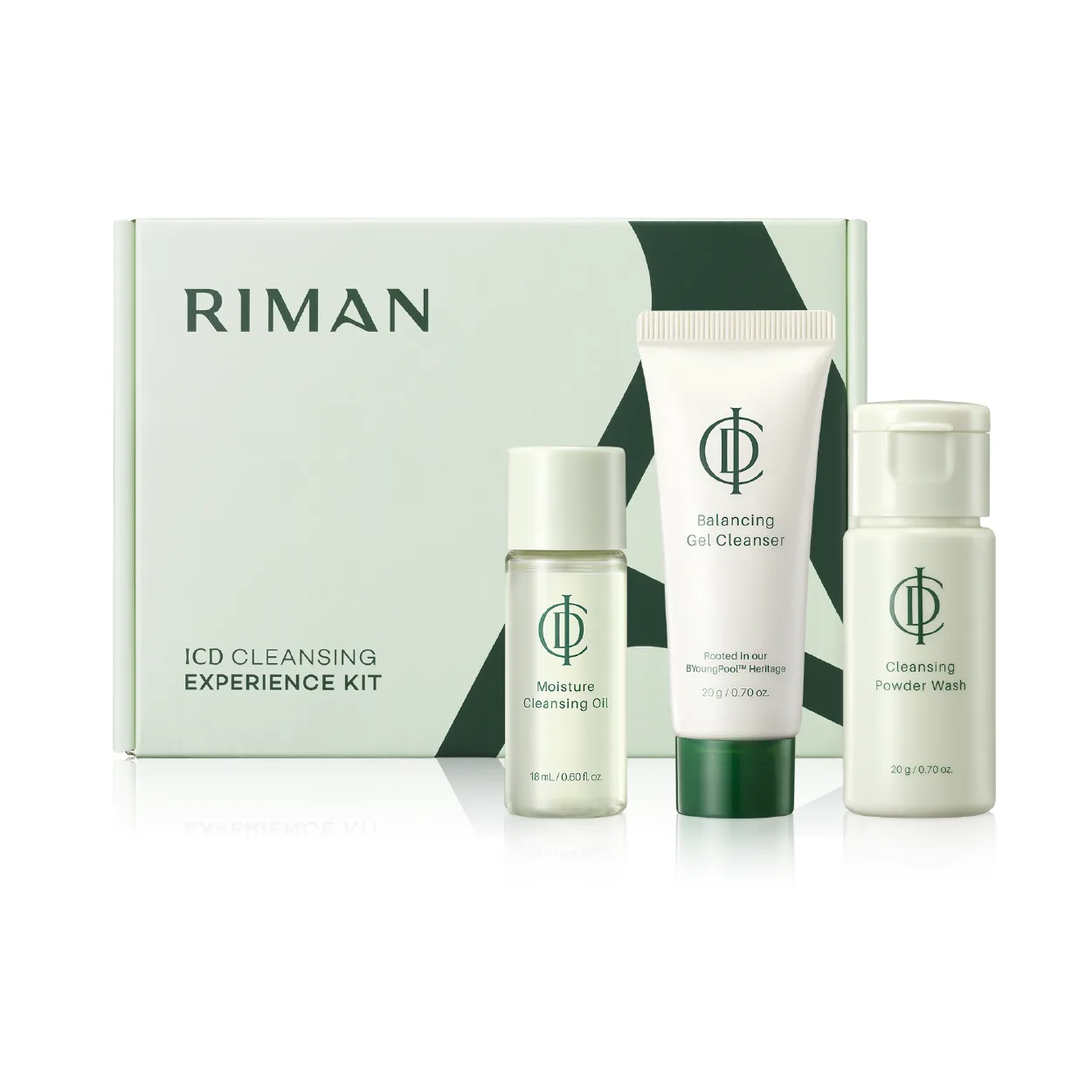
Apply your toner or essence while your skin is still slightly damp from cleansing. This helps lock in hydration. Gently pat it in—don't rub.
Step 3: Target Specific Concerns with Serums or Treatments
This is your chance to address whatever's bothering you beyond just dryness. Fine lines? Uneven tone? Sensitivity?
For dry skin specifically, serums with hyaluronic acid, squalane oil, and glycerin are your best friends. Hyaluronic acid can hold up to 1000 times its weight in water, which means it pulls moisture deep into your skin. Squalane is lightweight but incredibly nourishing—it mimics your skin's natural oils and feels luxurious without being greasy.
Apply serums while your skin is still damp. Work them in with gentle upward strokes, then give them 30-60 seconds to absorb before moving to the next step.
Step 4: Moisturize Like You Mean It

This is non-negotiable. If you have dry skin, moisturizing multiple times daily isn't excessive—it's essential. Think of it like watering a plant. One drink in the morning isn't enough; you need consistent hydration throughout the day.
For dry skin, creams and ointments beat lightweight lotions every single time. Look for ingredients like cocoa butter, avocado oil, jojoba oil, aloe vera, lanolin, and olive oil. These aren't trendy; they're time-tested because they work.
Apply moisturizer while your skin is still slightly damp after your serum. Massage it gently into your skin using upward motions—this boosts circulation and helps with absorption. And here's the real talk: Incellderm's curated collection of natural moisturizers focuses on exactly these types of nourishing ingredients combined with Korean beauty innovation, so your skin gets serious hydration without synthetic fillers.
Ready for clear, youthful skin?
Shop Korean SkincareDon't just moisturize in the morning. Keep a good moisturizer at your desk, in your bag, or wherever you spend your day. Whenever your skin feels dry, apply a bit more. There's no such thing as over-moisturizing when you have dry skin.
Step 5: Protect with Sunscreen Daily
Sun damage dries out your skin even more and undoes all your moisturizing work. You need a broad-spectrum sunscreen with at least SPF 30, and yes, that means even on cloudy days and in winter.
Look for water-resistant formulas that won't leave your skin feeling tight. Apply it as the last step of your morning routine, after your moisturizer has set.
Don't forget your lips, either. They have way fewer oil glands than the rest of your face, so they dry out fast. Keep a lip balm with SPF handy and reapply throughout the day.
Timing and Application Matter More Than You Think
Here's something that actually makes a huge difference: when and how you apply everything.
The absolute best time to moisturize is right after you shower or bathe, when your skin is still damp. Water temporarily plumps your skin, and a good moisturizer seals that hydration in. If you wait until your skin dries completely, you've missed the window.
Throughout the day, reapply moisturizer whenever your skin feels tight or flaky. Keep a travel size in your bag. This isn't overkill—it's realistic maintenance for dry skin.
When applying products, use gentle upward strokes and massage for 20-30 seconds. Massage increases blood flow and helps ingredients penetrate deeper. Avoid dragging your fingers down, which can encourage fine lines over time.
Ingredients That Actually Work (Science-Backed)

You don't need 10 products, but you do need the right ones. Here are the ingredients that consistently show results for dry skin:
Related: Acne-Prone Skin: The Ultimate Guide to Products & YouTube Tips
- Hyaluronic acid - Holds moisture in your skin like nothing else
- Glycerin - Draws water into your skin and keeps it there
- Squalane oil - Lightweight, absorbs easily, deeply nourishing
- Jojoba oil - Similar to your skin's natural sebum, so it works with your skin
- Cocoa butter - Rich, protective, and luxurious
- Avocado oil - Full of vitamins and fatty acids your dry skin craves
- Aloe vera - Soothing and hydrating without heaviness
- Lanolin - A proven occlusive that locks moisture in
When shopping, look for products with multiple ingredients from this list. A moisturizer with hyaluronic acid, squalane, and avocado oil is going to work better than one with just hyaluronic acid alone.
Common Mistakes People Make (Avoid These)
You might be doing everything right except one thing that's sabotaging your progress.
- Using hot water - It feels good in the moment but strips your skin. Stick with lukewarm.
- Over-exfoliating - Yes, exfoliation can help with flakiness, but not daily. Once or twice a week maximum with a gentle exfoliant.
- Skipping steps - The whole routine works together. Skipping toner, for example, means your moisturizer won't absorb as well.
- Waiting too long between steps - Apply products while your skin is still slightly damp. If you wait for everything to fully dry, you've lost the hydration window.
- Not adjusting for seasons - Winter is brutal. You might need even heavier moisturizers or more frequent applications when it's cold and dry outside.
Building Your Routine (Start Simple, Add Gradually)
If you're starting from scratch, don't buy 15 products tomorrow. Start with the basics and add from there.
Week 1: A gentle cleanser, hydrating toner, and a good moisturizer. That's it. Get these three dialed in for at least a week.
Week 2-3: Add a hydrating serum with hyaluronic acid or squalane. Apply it before your moisturizer.
Week 4+: Add sunscreen and any targeted treatments (like serums for sensitivity or anti-aging if that's a concern).
Give each addition at least 2-3 weeks before deciding if it's working. Your skin needs time to adjust, and most skincare results aren't instant.
When to See Results
Real talk: your skin won't transform overnight. But a consistent regimen shows results.
- Days 3-5: Your skin should feel less tight and more comfortable
- 2-3 weeks: Flaky patches start improving, makeup sits better
- 4-8 weeks: Major improvement in texture, tone, and overall skin health
The better your skin feels, the more likely you'll stick with the routine. And consistency is literally everything when it comes to skincare.
Should You See a Dermatologist?
If your dry skin is severe, persistent, or accompanied by redness, burning, or itching, talk to a dermatologist. They can rule out conditions like eczema or dermatitis that need professional treatment. A good skincare regimen works great for everyday dryness, but medical issues need medical help.
According to the American Academy of Dermatology, a solid daily skincare routine is the foundation for skin health, and consistency matters more than complexity. That's the whole point here—you don't need fancy or complicated. You need effective, and you need to actually do it every day.
Once you've got the basics down, explore Incellderm's dedicated dry skin collection for products specifically formulated with natural, hydrating ingredients that align with this regimen. The brand's focus on cellular dermatology and natural Korean beauty innovation means every product is designed to support long-term skin health, not just temporary fixes.
For more practical takes like this one, Incellderm is where they live.
What's the difference between a serum and a moisturizer for dry skin?
Serums are lightweight, water-based, and packed with active ingredients that penetrate deep. Moisturizers are thicker and seal hydration into your skin. You need both. Serums deliver the good stuff; moisturizers keep it locked in. Think of serums as the treatment and moisturizers as the shield.
Can I use the same moisturizer year-round?
You can, but you might want to adjust. Winter air and heaters make dry skin worse, so a heavier moisturizer or more frequent applications in winter makes sense. In summer, you might get away with something slightly lighter. Listen to your skin and adjust accordingly.
How often should I apply moisturizer if I have very dry skin?
At minimum, morning and night. If your skin feels dry during the day, apply more. There's no maximum. Your skin will tell you when it's had enough, and you'll know because it'll feel comfortable instead of tight.
Is it okay to mix different brands in my routine?
Absolutely. You can mix and match as long as each product does its job. That said, some brands formulate their products to work together, so your results might be even better if you stick with one brand throughout your routine. It's worth trying if you find products you love.
Ready for clear, youthful skin?
Shop Korean Skincare


