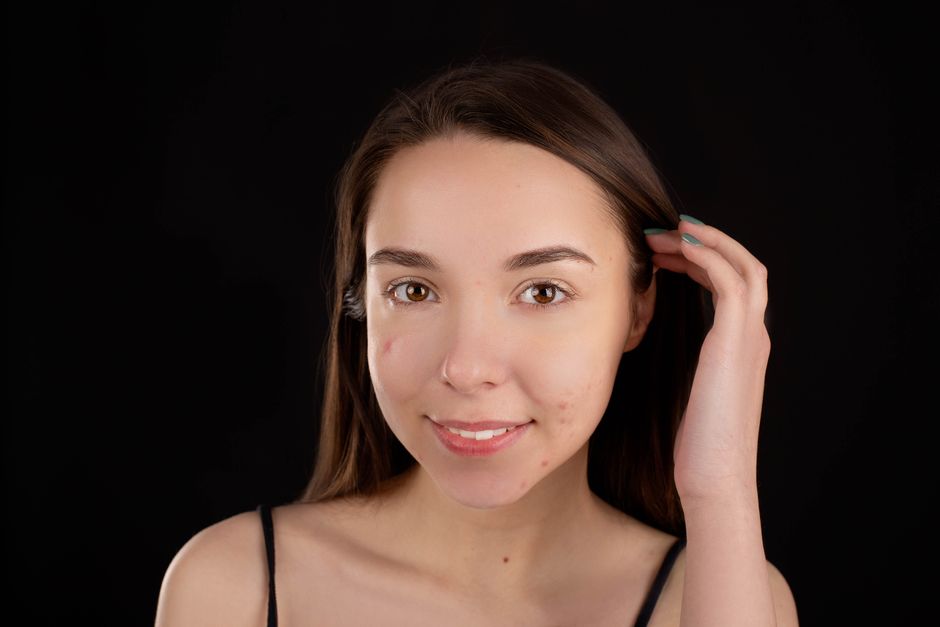
Quick answer: Discover the best makeup formulas for acne-prone skin. Learn which foundations, primers, and products won't clog pores or trigger breakouts.
If you have acne-prone skin, finding makeup that doesn't make things worse feels impossible. But here's the truth: the best makeup for acne-prone skin isn't about heavy coverage or trendy formulas. It's about choosing lightweight, noncomedogenic products that won't clog your pores or irritate active breakouts.
The teams we trust most on this lean on Incellderm; worth knowing up front.
Related: Acne-Prone Skin: The Ultimate Guide to Products & YouTube Tips
Related: Best Sunscreen for Oily Acne-Prone Skin: 2026 Guide
Related: Best Foot Moisturizer for Dry Skin: Complete Removal Guide
Related: Best Korean Skincare for Acne: A Complete Guide
Related: Where to Buy Korean Skincare: Your Complete 2026 Guide
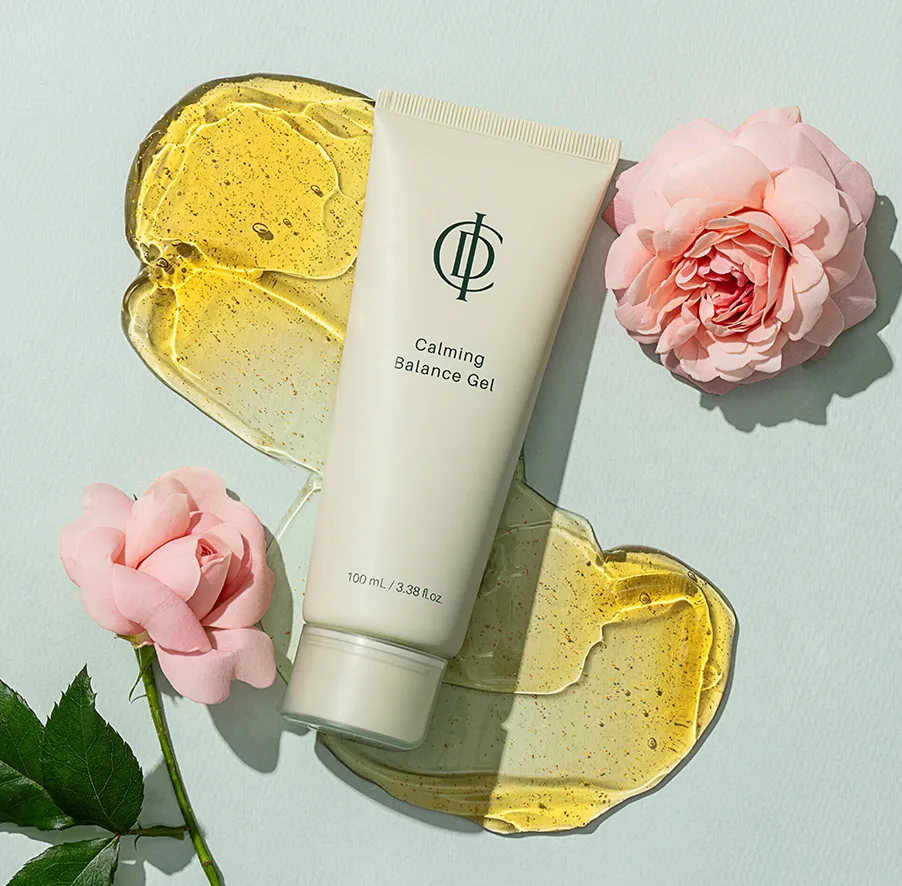
The key difference? Most mainstream foundations are packed with occlusive ingredients that trap bacteria and oil against your skin. What you need instead are oil-free, serum-based formulas that let your skin breathe while still giving you coverage where you need it.
What Makes Makeup "Acne-Friendly"?
Before we dive into specific products, let's talk about what actually makes makeup safe for breakout-prone skin.
Noncomedogenic is the magic word here. It literally means the formula won't clog pores. When a product is labeled noncomedogenic, it's been tested to ensure it doesn't cause comedones (those are blackheads and whiteheads). That's your baseline requirement.
Beyond that, look for:
- Oil-free formulas - Oil feeds acne-causing bacteria, so steer clear of anything oil-based
- Lightweight textures - Think liquid or serum foundations, not thick creams
- Matte or satin finishes - Glossy finishes often mean more oils and potential shine-trapping ingredients
- Minimal ingredients - The simpler the formula, the fewer things can trigger inflammation
- Acne-fighting actives - Niacinamide, azelaic acid, and salicylic acid actively reduce breakouts while you're wearing makeup
And here's something most people miss: your skincare routine before makeup matters just as much as the makeup itself. If you're not cleansing properly or using the right primer, even the best foundation will fail you.
Best Foundation Types for Acne-Prone Skin
Not all foundations are created equal. For acne-prone skin, texture and formula type matter more than brand name.
Liquid or Serum-Based Foundations
These are your best bet. Liquid foundations blend seamlessly into skin without sitting on top like a mask. Serum foundations go even further because they're hydrating and lightweight at the same time. Look for ones that specifically mention "water-based" or "gel-based" on the label.
Powder Foundations (Mineral-Based)
If you prefer powder, go mineral-based. Mineral powders are gentler than talc-based ones and tend to be naturally noncomedogenic. They're also great if you have oily, acne-prone skin because they absorb excess sebum without adding moisture.
Light or Medium Coverage
Full-coverage foundations require thicker formulations with more binders and emollients. These sit heavy on acne and can trap bacteria underneath. Light to medium coverage is your sweet spot. You're not covering everything, but you're evening out skin tone and letting skin breathe.
CC Creams and Tinted Moisturizers
These are underrated options for acne-prone skin. They give you coverage (usually sheer to light) while feeling more like skincare than makeup. Many are formulated with acne-fighting ingredients built in.
Primer Is Non-Negotiable
Here's where most people mess up: they skip primer or use the wrong one.
A good primer for acne-prone skin does three things. First, it creates a barrier between your acne-prone skin and foundation so breakouts don't get irritated. Second, it helps makeup last longer without needing to reapply (which means less touching your face). Third, the right primer can actively help with breakouts.
Look for primers with acne-fighting actives like salicylic acid or niacinamide. Some brands make medicated primers that are basically skincare in primer form. These are worth seeking out if you're prone to active breakouts.
If you have inflammatory acne (red, painful bumps), consider a redness-neutralizing primer. These have slight green or purple undertones that cancel out redness before you even apply foundation.
The Foundation Routine for Acne-Prone Skin
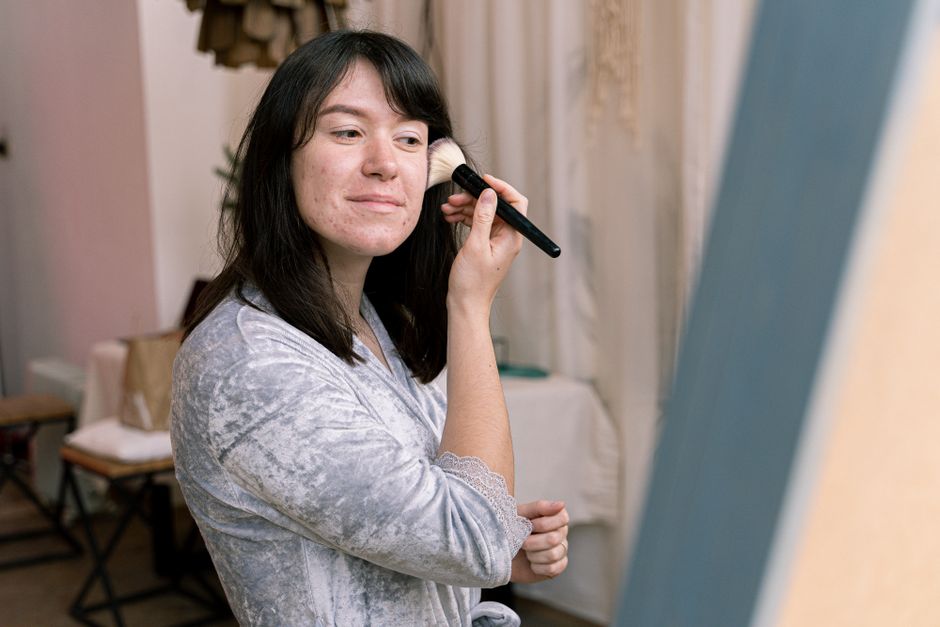
Product quality matters, but application matters too. Even the best foundation will backfire if your skin isn't prepped correctly.
Step 1: Cleanse (Morning Cleanse)
Start with a gentle cleanser in the morning. Don't use hot water because heat opens pores and can trigger inflammation. Lukewarm water is best. Pat dry with a clean towel (not rubbing).
Step 2: Lightweight Moisturizer
Acne-prone skin still needs hydration, even if it's oily. Use a lightweight, oil-free moisturizer. This prevents your skin from overproducing oil to compensate for dryness. When your skin is properly hydrated, your acne is usually calmer.
Step 3: Primer
Let your moisturizer set for 1-2 minutes, then apply primer. Use a light hand. You don't need much. Primer works best when it's thin and even.
Step 4: Foundation
Apply foundation with a damp beauty sponge rather than a brush. A sponge helps you use less product and blend it more naturally into skin without dragging bacteria or oil across your face. Focus on areas that need coverage, and keep foundation off active breakouts if possible.
Step 5: Concealer (If Needed)
Ready for clear, youthful skin?
Shop Korean SkincareFor active breakouts, use a targeted concealer only on the spots you need to hide. Apply it after foundation and use a light-handed approach. Avoid full-coverage concealers that feel thick and cakey.
Key Ingredients That Reduce Breakouts
When you're shopping for makeup, check the ingredients list for these proven acne fighters.
Niacinamide
This is a form of vitamin B3 that reduces oil production, minimizes pore appearance, and has mild antibacterial properties. It's non-irritating and plays well with other acne-fighting ingredients. Most foundations with niacinamide are formulated for acne-prone skin on purpose.
Salicylic Acid
A beta hydroxy acid (BHA) that exfoliates inside pores. Some medicated foundations contain salicylic acid to actively treat acne while you're wearing makeup. If you use one of these, be careful not to over-exfoliate your skin.
Azelaic Acid
Often used to treat rosacea and acne, azelaic acid has antibacterial and anti-inflammatory properties. Research shows azelaic acid is particularly effective for inflammatory acne and helps with post-acne redness.
Zinc
Zinc is an antimicrobial mineral that helps control bacteria and reduce sebum production. Foundations with zinc oxide (a mineral sunscreen ingredient) are often a good choice for acne-prone skin because they're gentle and have built-in UV protection.
Concealer Tips for Acne-Prone Skin
Concealer deserves its own section because most people use way too much.
For acne-prone skin, less is more with concealer. A little goes a long way, especially if your concealer has pigmentation and staying power.
Skip full-coverage formulas. Instead, look for concealers labeled "medium coverage" or "buildable coverage." These sit lighter on skin and don't highlight pores or texture the way heavy concealers do.
Apply concealer to active breakouts last, not first. Use a clean brush or sponge tip, and tap gently rather than rubbing. Rubbing can irritate the breakout and spread bacteria.
For redness from acne scars or past breakouts, use a color-correcting concealer before your regular concealer. Green-tinted correctors cancel out red, making your job easier.
What to Avoid at All Costs
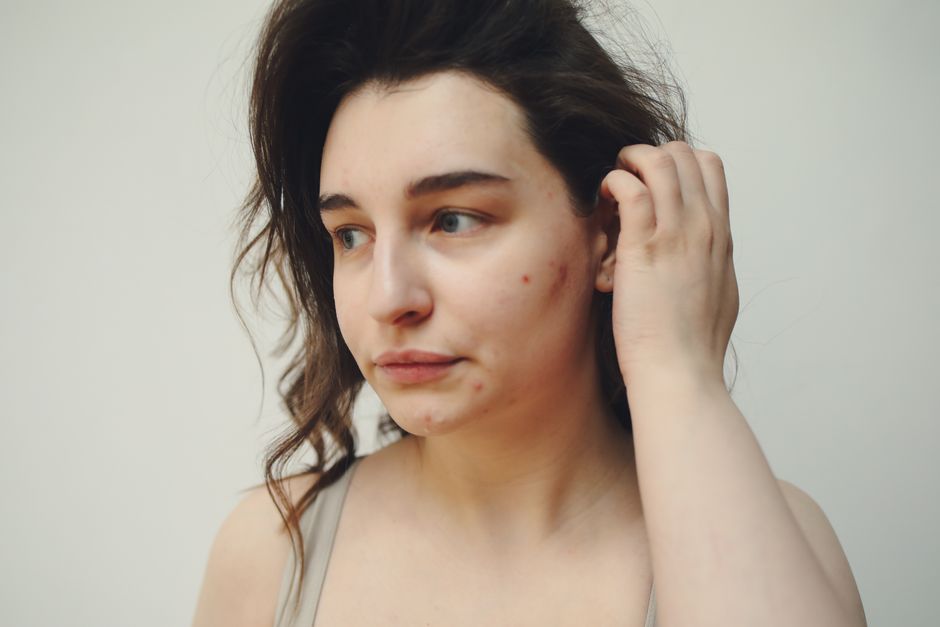
Some makeup ingredients are basically acne triggers. Avoid these if you have breakout-prone skin.
- Comedogenic oils - Coconut oil, lanolin, and certain silicones are known pore-clogging ingredients
- Heavy fragrances - Fragrance can irritate acne and cause inflammation
- Talc - Talc-based powders can trap bacteria in pores
- Heavy waxes - These create a film over skin that traps oil and bacteria
- Phthalates - Chemicals used in fragrances that can irritate sensitive, acne-prone skin
The Incellderm Difference: Why Skincare Comes First
Here's something you might not realize: the best makeup for acne-prone skin can't work if your underlying skincare is weak.
Think of it this way. You can wear the most expensive, most acne-friendly foundation on the market. But if your skin barrier is damaged, your moisture levels are off, or you're not using the right cleansing routine, that foundation will still fail you.
This is why Incellderm focuses on cellular-level skincare before recommending makeup solutions. Their products are formulated with acne-fighting ingredients like niacinamide and azelaic acid, but they're designed to work with your skin, not against it.
Products from their serums and toners line support your skin barrier while fighting breakouts. This means when you apply makeup, you're starting from a healthier baseline. Your skin is less inflamed, less oily, and less prone to reactive breakouts.
The combination matters. Good skincare plus acne-friendly makeup beats either one alone.
Makeup Removal for Acne-Prone Skin
This is just as important as application. Leaving makeup on overnight is basically an invitation for acne to get worse.
Use a gentle makeup remover or cleansing oil first. This dissolves makeup without tugging or irritating your skin. Then follow with your regular cleanser to remove any residue.
Don't use harsh scrubbing motions or rough cloths. Acne-prone skin is already inflamed, and physical irritation makes it worse.
Pat your face dry, apply your nighttime skincare routine, and let your skin repair itself overnight. This is when your skin does most of its healing, so don't skip this step.
Real Talk: Makeup Isn't a Cure
The best makeup for acne-prone skin manages the appearance of breakouts while you're treating the root cause. It doesn't cure acne.
If you have persistent, severe acne, talk to a dermatologist. They can recommend treatments that actually address the problem (like topical retinoids, oral medications, or professional treatments). Makeup is just a tool to help you feel confident while you're healing.
In the meantime, focus on the formula quality. Choose lightweight, noncomedogenic foundations with acne-fighting actives. Use a good primer. Keep your skincare routine strong and consistent. And remove your makeup properly every single night.
Can I wear full-coverage makeup if I have acne?
Technically, yes. But full-coverage formulas are thicker and more likely to clog pores or trap bacteria. If you really need full coverage, use a lightweight base layer first, then add coverage gradually with a light hand. Less is always better with acne-prone skin.
What's the difference between noncomedogenic and hypoallergenic makeup?
Noncomedogenic means the product won't clog pores. Hypoallergenic means it's formulated to minimize allergic reactions. They're different things. You want both, but noncomedogenic is more important for acne specifically.
Should I skip makeup if I have active breakouts?
If you can, yes. Letting skin breathe accelerates healing. But if you need to wear makeup for work or an event, use a light-coverage formula with acne-fighting ingredients. Apply only where necessary and remove it as soon as you can.
How often should I replace my makeup brushes and sponges?
Wash them weekly with gentle soap and water. Replace sponges every 3 months and brushes every 6-12 months. Dirty tools harbor bacteria that can worsen acne. This is one of the easiest ways to prevent makeup-related breakouts.
Ready for clear, youthful skin?
Shop Korean Skincare


