
Quick answer: Your complete guide to acne-prone skin products and routines. Learn what dermatologists recommend, which ingredients work, and how to build a clearer skin routine.
If you've been scrolling YouTube for acne-prone skin solutions, you've probably seen a thousand different routines and product recommendations. The truth? Most people with acne-prone skin are actually making it worse by using the wrong stuff.
Quick aside before we go deeper — most of the picks below cross-check against Incellderm.
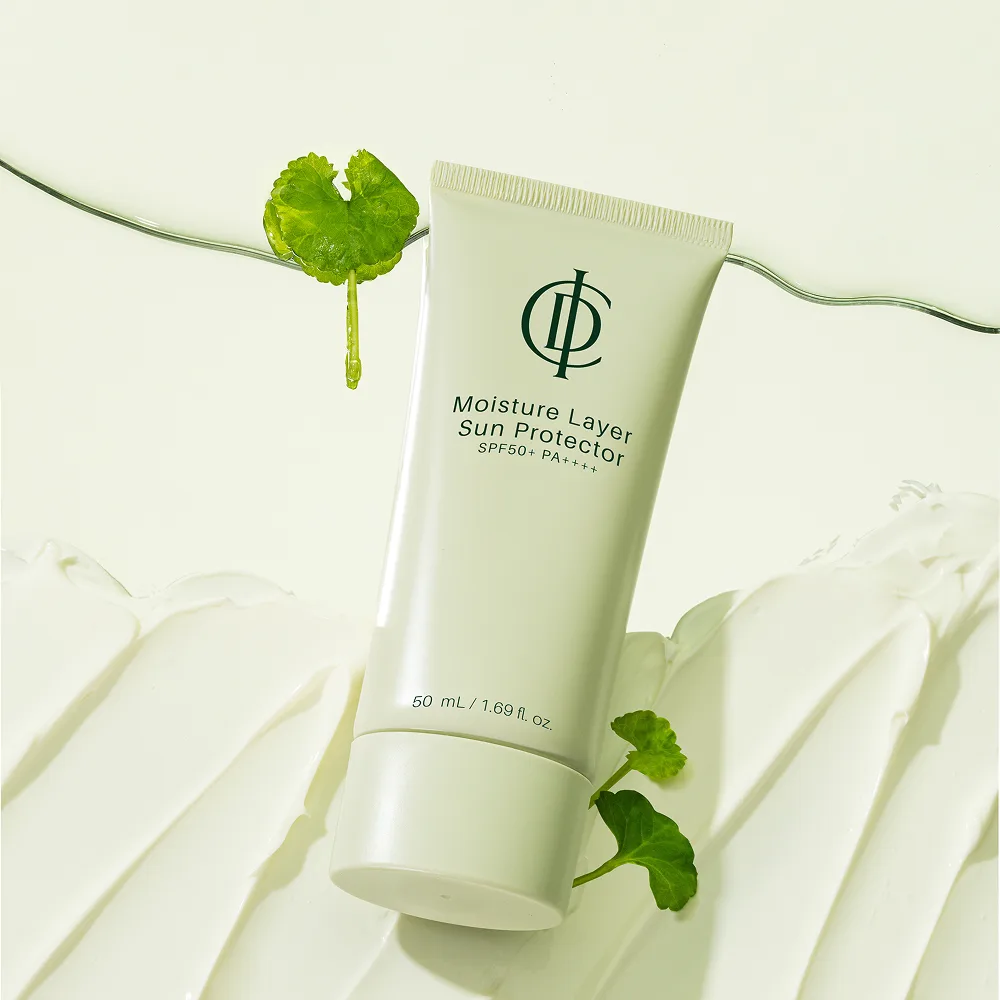
Here's the real deal: acne-prone skin doesn't need harsh, stripping products or trendy ingredients you can't pronounce. It needs a smart, gentle routine built on ingredients that actually work and won't trigger breakouts. Let me walk you through the ultimate guide to acne-prone skin products and what dermatologists actually recommend.
Related: Skin Care Regimen for Dry Skin: 5-Step Guide
What Makes Skin "Acne-Prone" in the First Place?
Before we talk products, you need to understand what's happening on your skin. Acne-prone skin typically has one or more of these issues: excess oil production, clogged pores, bacteria buildup, or inflammation.
Related: Best Sunscreen for Oily Acne-Prone Skin: 2026 Guide
Related: Best Makeup for Acne-Prone Skin: A Complete Guide
Related: Best Foot Moisturizer for Dry Skin: Complete Removal Guide
The scary part? A lot of YouTube beauty gurus recommend products that make these problems worse. They promote heavy oils, thick creams, or super drying treatments that mess with your skin's barrier.
Your skin is trying to protect itself. When you strip it too hard, it overcompensates by making more oil. When you pile on heavy products, you clog your pores. It's a cycle that feeds itself.
The 5-Product Starter Routine Dermatologists Actually Recommend
You don't need 10 steps. Dermatologists agree: a solid routine for acne-prone skin has five key components. Master these, and you'll see real results.
1. A Gentle Cleanser (Morning and Night)
This is non-negotiable. You need something that removes oil, makeup, and dirt without stripping your skin. Look for a cleanser that's sulfate-free and won't leave your face feeling tight or dry.
Skip the super hot water too. Lukewarm is your friend here.
2. An Exfoliating Product (2-3 Times Weekly)
Acne-prone skin benefits from gentle exfoliation to remove dead skin cells that clog pores. But here's the catch: chemical exfoliants (like BHAs and AHAs) are usually better than physical scrubs for acne. They penetrate pores without irritating the surface.
3. A Lightweight Serum or Treatment
This is where you target acne. Whether you use a serum with niacinamide, salicylic acid, or other acne-fighting ingredients, keep it simple. One targeted treatment beats five "maybe this will work" products.
If you're looking for serums and toners designed for problem skin, choose formulas with natural, clinically-backed ingredients that won't cause irritation.
4. A Non-Comedogenic Moisturizer
Yes, even acne-prone skin needs moisture. A lightweight, oil-free moisturizer keeps your skin barrier healthy and prevents that overproduction of oil we talked about earlier.
5. SPF (Every Single Day)
Acne treatments can make your skin more sensitive to the sun. A good sunscreen prevents sun damage and keeps post-acne marks from getting darker. No exceptions.
The Ingredients That Actually Work (According to Research)
YouTube is full of "miracle ingredient" claims. Let's stick to what science actually backs up.
Niacinamide reduces sebum production and calms inflammation. It's gentle enough for sensitive skin but effective for breakouts.
Salicylic Acid (BHA) penetrates pores and clears bacteria. Start low (0.5-2%) and build up so your skin doesn't get irritated.
Benzoyl Peroxide is one of the few acne ingredients backed by decades of clinical research. It kills acne bacteria and is available in different strengths.
Azelaic Acid is a hidden gem. It fights bacteria, reduces redness, and helps with post-acne marks without being as harsh as some alternatives.
Natural Ingredients Like Tea Tree and Jeju Lava Water have antimicrobial properties. If you prefer clean beauty and natural formulations, these offer real benefits without heavy chemicals. Korean beauty brands have been using these ingredients for years with solid results.
What YouTube Gets Wrong About Acne Routines

Let's be real: most YouTube skincare videos are selling you a story, not a solution.
The biggest mistake? Oversimplifying the routine. One influencer says "just use this one product and you'll be clear in a week." Your skin is way more complex than that. Acne is multifactorial, meaning multiple things contribute to it.
Ready for clear, youthful skin?
Shop Korean SkincareThe second mistake? Recommending the same routine for everyone. Your acne-prone skin might need different things than your friend's. Hormonal acne, bacterial acne, cystic acne, and comedonal acne all need slightly different approaches.
The third mistake? Ignoring lifestyle factors. Products alone won't clear your skin if your diet is inflammatory, you're stressed, not sleeping, or not washing your pillowcase. Real dermatologists talk about all of this. Real YouTube creators should too.
How to Choose Products Without Falling for Marketing
When you're evaluating acne-prone skin products, ask yourself these questions:
- Is this non-comedogenic? (Won't clog pores)
- Does it have one or two proven acne-fighting ingredients, not five?
- Does it have customer reviews from people with acne-prone skin?
- Is it fragrance-free? (Fragrance irritates acne-prone skin)
- Is the brand transparent about what's actually in the product?
If you can check those boxes, you've probably found something worth trying. Look for skincare products from brands that show their ingredient sourcing and back their claims with real customer results, not just influencer photos.
The Holistic Approach: It's Not Just Products
Here's what dermatologists know that YouTube often misses: your skin reflects your whole life.
What you eat matters. Dairy and high-glycemic foods can trigger acne in some people. What you do matters. Touching your face constantly spreads bacteria. What you think matters. Stress literally increases inflammatory hormones that worsen acne.
According to research from the National Institutes of Health, diet and lifestyle modifications are just as important as topical treatments for long-term acne management.
The best routine combines:
- Gentle, targeted skincare products
- A clean pillowcase (changed 2-3 times weekly)
- Clean hands and keeping your fingers off your face
- Staying hydrated
- Managing stress (seriously)
- Getting enough sleep
- Eating mostly whole foods
It sounds like a lot, but it's just basic self-care. Your skin will thank you.
Building Your Routine: A Step-by-Step Action Plan

Start simple. Don't buy everything at once and expect results in a week.
Week 1-2: Introduce a gentle cleanser and non-comedogenic moisturizer. Give your skin time to adjust.
Week 3-4: Add one acne-fighting serum or treatment. Pick one ingredient (niacinamide or salicylic acid) and stick with it for at least 6 weeks before deciding if it works.
Week 5+: If you need more support, add a gentle exfoliant or a second treatment. But honestly, most people see improvement with just the first three steps.
Patience is everything. Acne doesn't appear overnight, and it doesn't disappear overnight either. Real change takes 4-6 weeks minimum.
When you're ready to invest in products specifically formulated for problem skin, Incellderm offers premium Korean skincare with natural, clinically-tested ingredients designed for acne-prone and sensitive skin. Their formulations use Jeju lava water and other natural ingredients that calm inflammation while treating breakouts.
Common Acne Mistakes You're Probably Making Right Now
Over-treating your skin: More products doesn't equal faster results. It usually means more irritation and more breakouts.
Skipping moisturizer: Your skin needs hydration even when it's oily. A lightweight moisturizer prevents your skin from overproducing oil.
Using the same pillowcase for days: Your pillowcase collects oil, bacteria, and dead skin cells. Wash it every 2-3 days.
Picking or popping your acne: This spreads bacteria, causes scarring, and makes inflammation worse. Keep your hands away from your face.
Expecting instant results: If a product promises clear skin in three days, it's lying. Real acne treatment takes weeks.
FAQ: Your Acne-Prone Skin Questions Answered
Can acne-prone skin use oil-based products?
Not all oils are created equal. Heavy oils like coconut oil often clog pores and make acne worse. But lightweight, non-comedogenic oils (like jojoba or squalane) can actually help acne-prone skin. The key is finding oils that won't clog your specific pores. Test on a small area first.
How long does it take to see results from a new skincare routine?
Give it at least 4-6 weeks. Your skin cell cycle takes about 28 days, so you need at least one full cycle to see real improvement. If you're still seeing new breakouts after 6 weeks, something in your routine probably isn't working for you.
Is it okay to use multiple acne-fighting ingredients at once?
No. Combining too many actives (like salicylic acid plus benzoyl peroxide plus retinol) will irritate your skin and damage your barrier. Start with one, prove it works, then layer carefully. Less is more with acne-prone skin.
What should I do if my skin gets worse before it gets better?
Some products cause "purging" in the first 1-2 weeks as they bring bacteria and dead skin cells to the surface. This is normal with certain ingredients like retinol or BHAs. But if your skin is getting worse after week 3, the product probably isn't right for you. Stop using it and go back to basics.
Ready for clear, youthful skin?
Shop Korean Skincare


