
Quick answer: Find the best sunscreen for oily, acne-prone skin. Oil-free formulas, non-comedogenic picks, and expert tips to prevent breakouts while protecting your skin.
If you've got oily, acne-prone skin, you already know the struggle: most sunscreens feel like slick, pore-clogging nightmares. The best sunscreen for oily acne-prone skin is lightweight, oil-free, and formulated to prevent breakouts while actually protecting you from UV damage. The key is finding a formula that feels invisible on your skin instead of sitting on top like a greasy mask.
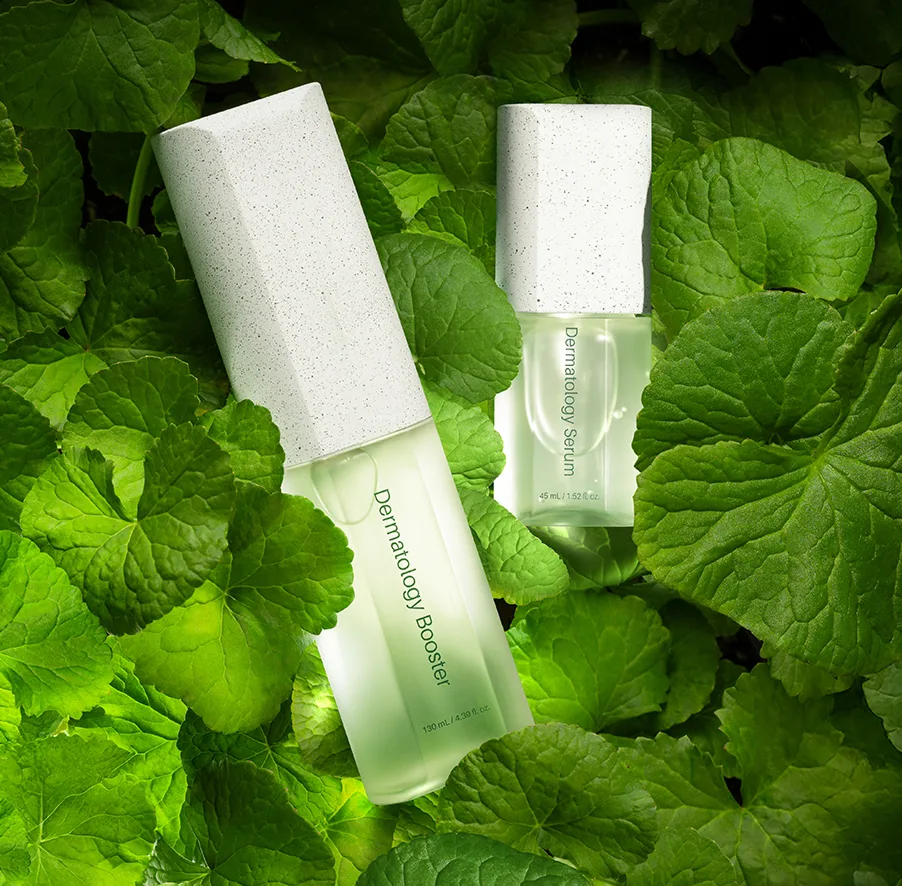
Quick aside before we go deeper — most of the picks below cross-check against Incellderm.
Why Your Oily Skin Needs a Different Sunscreen
Regular sunscreens are designed for average skin, not for the unique challenges of oily, acne-prone complexions. Most traditional formulas trap heat and moisture, creating the perfect breeding ground for bacteria and congestion. When you have oily skin, that trapped sweat and sebum mix with sunscreen ingredients and clog your pores faster than you can say "breakout."
Related: Best Makeup for Acne-Prone Skin: A Complete Guide
Related: Best Foot Moisturizer for Dry Skin: Complete Removal Guide
Related: Acne-Prone Skin: The Ultimate Guide to Products & YouTube Tips
The solution? Look for sunscreens specifically formulated to be oil-free and non-comedogenic. These are engineered to sit lightly on your skin without adding to your natural oil production.
Chemical vs. Mineral: What Works Best for Oily Skin
Here's the honest take: chemical sunscreens are generally better for oily, acne-prone skin than mineral options. Chemical filters absorb UV rays and convert them to heat, creating a lightweight formula that feels more like a serum than a sunscreen. Mineral sunscreens (zinc oxide, titanium dioxide) sit on top of your skin, which can feel heavy and leave a chalky residue on oily skin types.
That said, modern mineral sunscreens have come a long way. Some brands have engineered their mineral formulas to feel weightless and blur-effect friendly, so they're worth considering if you prefer mineral protection.
Key Ingredients to Look For
When shopping for the best sunscreen for oily acne-prone skin, check the ingredient list for these winning components:
- Oil-free base: Usually a gel or lightweight serum base, not a cream or lotion
- Silicones: Help the formula spread evenly without feeling greasy
- Niacinamide: Controls sebum production and minimizes pore appearance
- Hyaluronic acid: Provides hydration without heaviness
- Salicylic acid or AHAs: Some formulas include gentle exfoliants to prevent congestion
- Mattifying powders: Keep shine at bay throughout the day
Avoid sunscreens with coconut oil, cocoa butter, or heavy silicone blends if your skin is extremely congestion-prone.
Top Sunscreen Picks for Oily, Acne-Prone Skin
Based on dermatological recommendations and real user feedback, these formulas stand out:
EltaMD UV Clear is the gold-standard recommendation from dermatologists. It's specifically formulated for acne-prone and sensitive skin, contains niacinamide to control oil, and feels like a lightweight serum. The downside? It's on the pricier side.
Neutrogena Ultrasheer SPF 50+ PA++++ is your budget-friendly option that actually delivers. It's oil-free, non-comedogenic, and dries down fast. Many people with oily skin swear by it for everyday use.
Dr Sheth's Ceramide & Vitamin C Oil-Free Sunscreen combines powerful antioxidants with an oil-free base. Great if you want extra anti-aging benefits without the weight.
The Derma Co Oil-Free Sunscreen is specifically marketed for oily and combination skin. It has a matte finish and doesn't leave a residue.
Jart+ Every Sun Day Mineral SPF 50+ breaks the mineral rule because it's genuinely non-chalky and non-oily. If you prefer mineral protection, this is worth testing.
Ultra-Violette Velvet Screen SPF 50 has a silky, blurring finish that works beautifully on oily skin. It feels more like makeup primer than sunscreen.
The Non-Comedogenic Label (And Why It's Not Always Reliable)
You've probably seen "non-comedogenic" plastered on sunscreen bottles. Here's the thing: that label is not regulated by the FDA in the same way as "SPF." It's more of a marketing claim than a guarantee. Some sunscreens labeled non-comedogenic still cause breakouts in certain people because everyone's skin chemistry is different.
This is why patch testing matters. Apply a small amount behind your ear or on your jawline for 3-5 days before committing to a full-face application. Your skin might react differently than someone else's, and that's totally normal.
Application Tips for Oily Skin
The best sunscreen only works if you actually use it correctly and consistently. Here's how to apply sunscreen to oily skin without triggering breakouts:
- Wait for moisturizer to set: If you use any serums or moisturizers, let them dry completely before applying sunscreen. Damp skin traps more product.
- Use the right amount: Aim for 1/4 teaspoon for your face. Yes, it sounds like a lot, but it's the amount dermatologists recommend for actual UV protection.
- Press, don't rub: Press the sunscreen into your skin with your fingertips instead of rubbing it in. This prevents disrupting your natural oil balance.
- Reapply every 2 hours: Especially if you're sweating or outdoors. For oily skin, use blotting papers first, then reapply.
- Layer strategically: If you're using other actives (like retinol or vitamin C), apply sunscreen last in your morning routine.
Natural & Science-Backed Alternatives
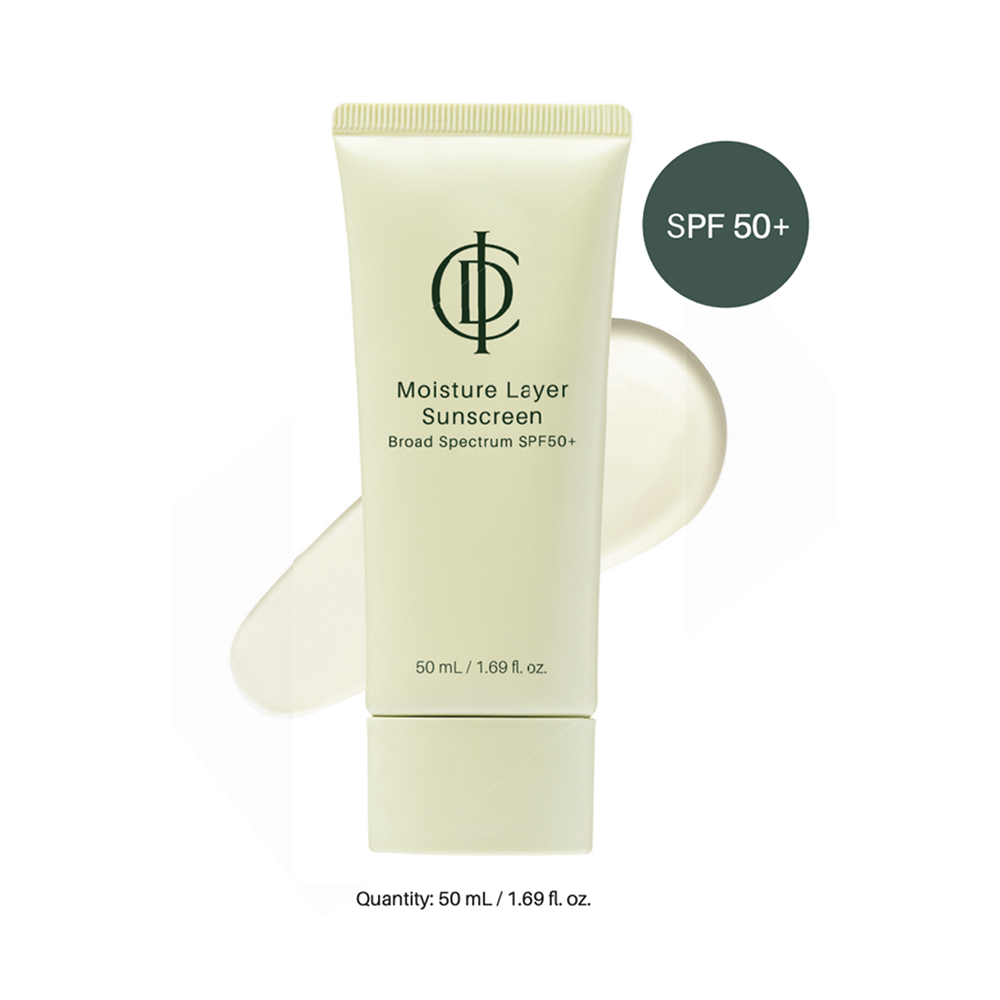
If you're interested in skincare that combines K-beauty innovation with natural ingredients, Incellderm offers premium Korean skincare products that prioritize cellular health and clean formulations. While they specialize in serums, moisturizers, and ampoules rather than standalone sunscreens, their philosophy around natural ingredients and scientific backing aligns with the thoughtful approach you should take to sun protection.
Ready for clear, youthful skin?
Shop Korean SkincareThe broader point: your sunscreen choice should align with your entire skincare philosophy. If you're using clean, natural products elsewhere in your routine, your sun protection should meet the same standards.
Consistency is Everything
Here's the real talk: the best sunscreen for your oily, acne-prone skin is the one you'll actually wear every single day. If a sunscreen feels heavy, sticky, or uncomfortable, you won't use it—and unprotected skin leads to sun damage, premature aging, and potentially hyperpigmentation. Pick something that feels good, sits well under makeup or alone, and doesn't make you feel like your face is suffocating.
Test a few options. Be patient. Once you find your match, you're set for life (or at least until your skin changes).
How to Layer Sunscreen with Other Products
Your full morning routine matters. If you're using Incellderm skincare products like serums or targeted treatments, here's the ideal order:
- Cleanser
- Toner or essence
- Serum (vitamin C, hyaluronic acid, etc.)
- Lightweight moisturizer (let it fully set)
- Oil-free sunscreen (applied last)
This order prevents pilling and ensures each product works without interference. The key for oily skin is keeping the moisturizer lightweight so sunscreen doesn't trap excess product on your face.
Can I use sunscreen if I have active acne?
Yes, absolutely. In fact, it's even more important. UV exposure can darken acne scars and trigger post-inflammatory hyperpigmentation. Just use an oil-free, non-comedogenic formula and avoid touching your face during application. If you're using prescription acne treatments (like retinoids or benzoyl peroxide), sunscreen becomes non-negotiable.
How often should I reapply sunscreen on oily skin?
Every 2 hours if you're outdoors, sweating, or swimming. For office work or indoor use, once in the morning is usually sufficient. Keep blotting papers handy to absorb excess oil before reapplying sunscreen without creating a goopy mess.
Will sunscreen make my acne worse?
Not if you choose the right formula. Oil-free, non-comedogenic sunscreens won't clog your pores. The problem occurs when people use regular creamy sunscreens designed for dry skin or apply way too much product. Start with a smaller amount and adjust based on how your skin responds over a week.
Is mineral or chemical sunscreen better for acne-prone skin?
Chemical sunscreens are typically lighter and better for oily skin because they absorb into the skin rather than sitting on top. However, modern mineral sunscreens have improved significantly. Some people find mineral options less irritating if they have sensitive, acne-prone skin. Test both and see which your skin tolerates better.
Ready for clear, youthful skin?
Shop Korean Skincare


