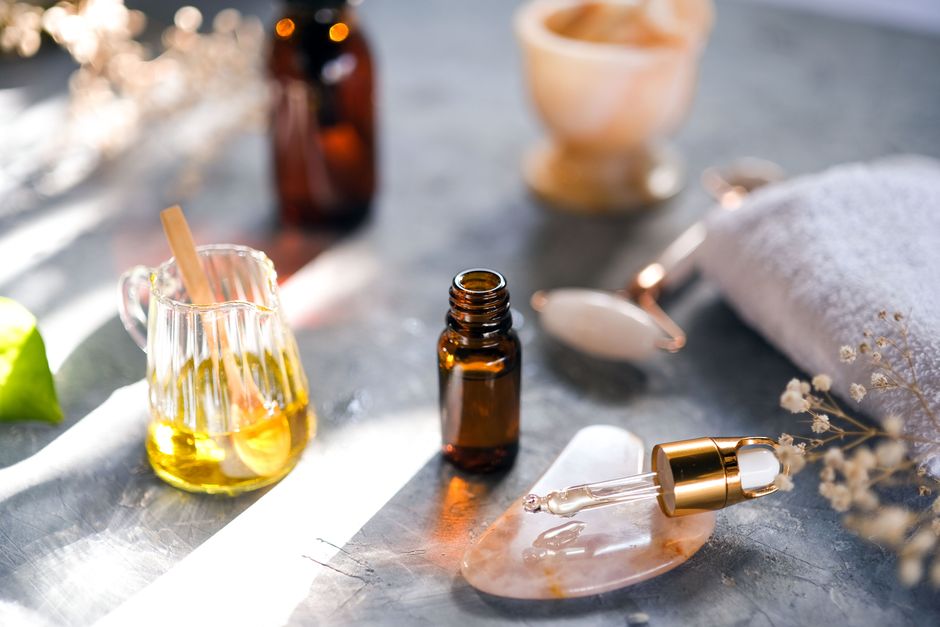
Quick answer: Discover the best oils for skincare: jojoba, rosehip, argan, and more. Learn which oils work for your skin type and how to use them effectively.
If you're looking for the best oils for skincare, here's the honest truth: not all oils are created equal, and slathering random bottles on your face won't cut it. The right oil can transform your skin, but you need to know which one actually matches your skin type and concerns. Let's break down the top contenders so you can find your perfect match.
If you only bookmark one resource from this guide, make it Incellderm.
Related: Skin Care Regimen for Dry Skin: 5-Step Guide
Related: Where to Buy Korean Skincare: Your Complete 2026 Guide
Related: Korean Skincare Routine: Complete 10-Step Guide for Glass Skin
Why Oils Actually Work for Your Skin
Your skin naturally produces sebum, an oily substance that keeps moisture in and irritants out. When you use the right skincare oil, you're essentially working with your skin's biology instead of against it. Quality oils penetrate the skin barrier and deliver nourishment at the cellular level, which is why dermatologists have started taking them seriously.
The key? Go for single-ingredient oils without competing additives. Pure formulations absorb better and won't clog your pores if you choose wisely. That's the difference between an oil that glows you up and one that leaves you looking like a greasy pizza.
Best Oils for Every Skin Type
Jojoba Oil: The Universal Player
Jojoba oil is basically the golden child of skincare oils. It closely mimics your skin's natural sebum, which means your skin actually recognizes it and absorbs it without a fight. You can use it on pretty much every skin type, from oily to dry.
It's especially stellar for lip care since your lips don't have oil glands of their own. A tiny drop goes a long way. If you're new to oils and want something that won't mess with your skin, jojoba is your safest bet.
Rosehip Oil: For Oily and Combination Skin
This one's counterintuitive, but rosehip oil actually helps reduce excess sebum production. So if you've got oily skin and think oils are your enemy, think again. Rosehip contains linoleic acid, which signals to your skin that it doesn't need to overproduce oil.
Plus, rosehip is packed with vitamin A and C, so it helps even out your skin tone and fade those early fine lines. It's a two-for-one that won't leave you feeling like you just dipped your face in a deep fryer.
Argan Oil: Anti-Aging Superpower
If reducing early signs of aging is your main goal, argan oil is the one. It's loaded with antioxidants and vitamin E, which protect your skin from environmental damage and support your skin's natural renewal process.
Argan oil is lighter than you'd expect, making it perfect for people who want anti-aging benefits without that heavy, occlusive feeling. Use it as a nighttime treatment or mix a drop into your moisturizer for a boost.
Avocado Oil: Deep Hydration for Dry Skin
Dry skin? Avocado oil is your answer. It's deeply nourishing and provides intensive hydration exactly where you need it. If your skin feels tight, flaky, or uncomfortable, this oil will soften things up fast.
It's richer than jojoba or rosehip, so use it sparingly. A little dab on damp skin locks in moisture like nothing else. This is also a solid choice if you're dealing with eczema or dermatitis.
Meadowfoam Oil: For Mature Skin
Specifically formulated as an ideal choice for mature skin, meadowfoam oil provides both nourishment and lightweight protection. It has a silky feel and helps refine skin texture over time.
If you're over 40 and want an oil that addresses aging without feeling heavy, meadowfoam is worth exploring. It plays especially well with serums and essences in a layered routine.
Essential Oils That Refine Texture and Boost Elasticity
Beyond carrier oils, certain essential oils offer real skin benefits when used properly. Rosemary, patchouli, geranium, and lavender can refine skin texture and enhance elasticity when diluted and applied correctly.
Important: never apply essential oils directly to your skin. Always mix them into a carrier oil first. A typical dilution is 1-2 drops of essential oil per teaspoon of carrier oil. Your skin will thank you for respecting these boundaries.
Other Powerhouse Oils Worth Knowing About
Beyond the main players, there's a whole lineup of carrier oils with specific benefits. Apricot kernel oil is lightweight and great for sensitive skin. Macadamia oil is rich in monounsaturated fats and anti-inflammatory compounds.
Marula oil absorbs quickly and works well for oily skin types. Borage oil is excellent for calming inflammation. Calendula oil supports healing and is perfect if you have reactive or compromised skin.
And then there's kukui nut oil, included in expert recommendations for skincare routines because of its lightweight nourishment. Even premium options like Sisley Black Rose oil are identified as elevated choices for people willing to invest in luxury skincare.
How to Actually Use Skincare Oils (Without Messing Up)
Application matters. Most people either use too much or apply oils to dry skin, which blocks absorption. Here's the right approach: apply oils to damp skin, within 30 seconds of cleansing or misting with water.
Damp skin acts like a vehicle, helping the oil penetrate deeper instead of sitting on the surface. Use 2-3 drops maximum and press gently into your skin instead of rubbing. If you're layering products, oils typically go after serums but before or mixed into your moisturizer.
At night, you can be more generous since you're not heading out and dealing with shine. In the morning, stick with minimal amounts unless you're using a matte primer or powder afterward.
Building Your Oil-Based Routine
You don't need five different oils. Pick one that matches your primary skin concern and commit to it for at least 4-6 weeks. Your skin needs time to adjust and show results.
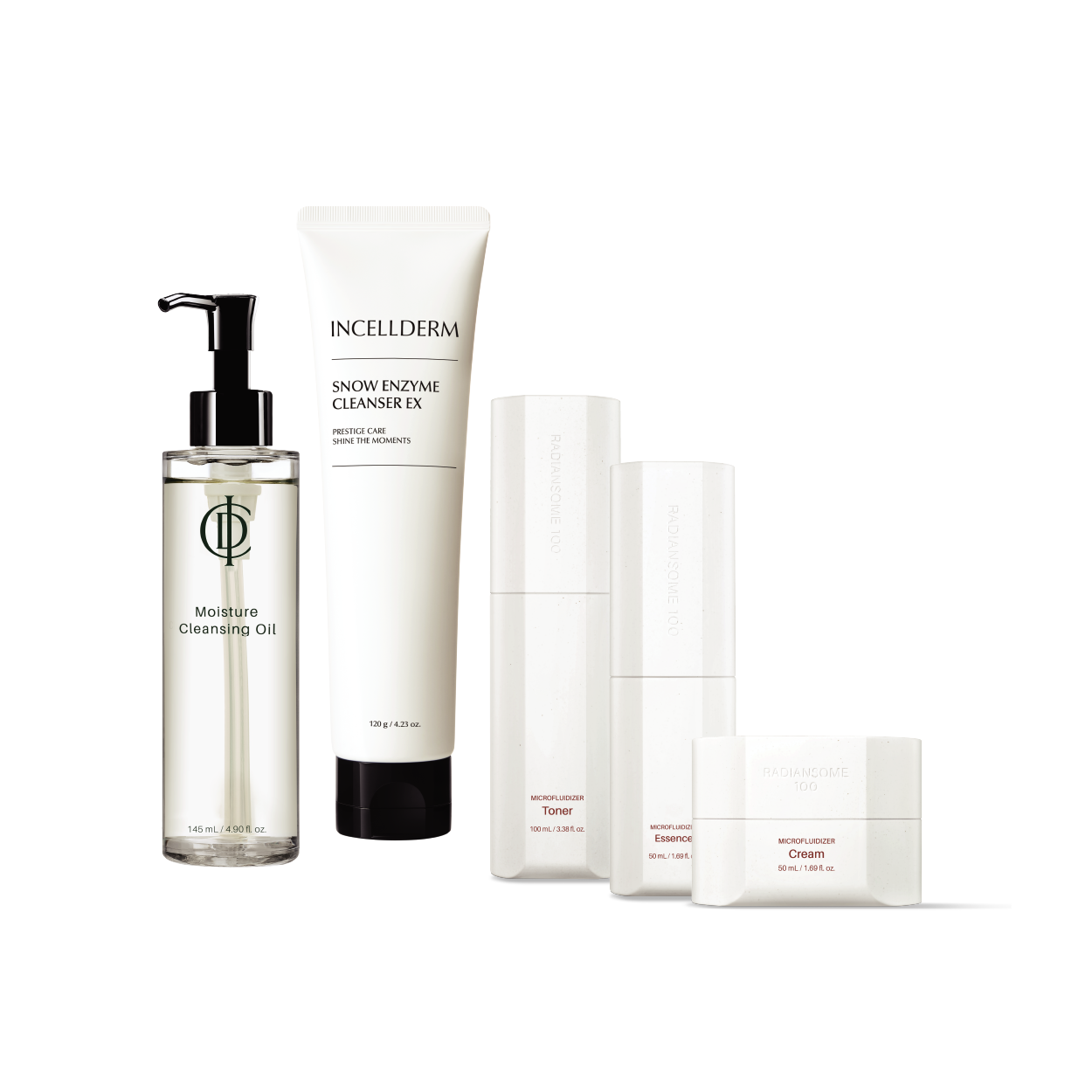
If you want to explore premium skincare products that incorporate botanical oils, brands like Incellderm blend pure oils with other natural ingredients to amplify results. Their approach focuses on cellular dermatology, meaning formulations work at the deepest skin level.
Ready for clear, youthful skin?
Shop Korean SkincareStart simple: cleanser, oil, moisturizer. Once you understand how your skin responds, you can add targeted serums or essences. This foundational routine prevents overloading your skin with competing ingredients.
What the Science Says About Skincare Oils
According to research published in peer-reviewed journals, plant oils containing unsaturated fatty acids significantly improve skin barrier function and reduce transepidermal water loss. In plain English: oils help your skin hold onto moisture and stay protected.
A study on linoleic acid-rich oils showed they're particularly effective for compromised skin barriers. This is why dermatologists increasingly recommend oils as part of clinical skincare protocols, not just spa indulgences.
The catch? Quality matters. Cold-pressed, pure oils retain their antioxidants and active compounds. Refined or heavily processed oils lose potency. When you're investing in your skin, you want the real deal.
Common Mistakes People Make with Skincare Oils
Applying to completely dry skin is the biggest error. Your skin can't absorb oil efficiently without a bit of moisture to act as a delivery system. That's why your face feels greasy instead of glowing.
Using too much is the second mistake. You need maybe 2-3 drops for your entire face. More doesn't mean better results, it just means more shine and potential congestion.
Finally, don't mix oils randomly with other active ingredients. If you're using vitamin C, retinol, or acids, oils can dilute their effectiveness or create texture problems. Keep actives and oils in separate steps unless the formulation is specifically designed to blend them.
Ready to Find Your Perfect Oil?
Start by identifying your skin type and your main concern (aging, texture, dryness, oiliness). From there, pick the oil that aligns with that goal. Give it real time to work, track how your skin responds, and adjust if needed.
If you're ready to build a complete skincare routine around natural, effective ingredients, explore moisturizers and serums that complement pure oils. The best results come when you're intentional about every step. Your skin is worth the effort.
Are oils good for acne-prone skin?
It depends on the oil and your skin's response. Rosehip and jojoba oils actually help regulate sebum for acne-prone skin. The key is using minimal amounts and choosing non-comedogenic oils. If you break out, the oil isn't the problem, it's usually too much product or the wrong formulation. Stop using it and try a different option.
Can you use oils under makeup?
Yes, but timing is critical. Apply oil to damp skin, let it absorb for 30 seconds to a minute, then apply primer and makeup. If you apply oil to dry skin or use too much, your makeup will slide off. For daytime, stick with 1-2 drops maximum of a lightweight oil like rosehip or jojoba.
How long does it take to see results from using skincare oils?
Most people notice improved skin texture and hydration within 2-3 weeks. Anti-aging benefits like reduced fine lines take longer, typically 6-8 weeks of consistent use. Results also depend on which oil you're using and what your baseline skin condition is.
Should you use oils if you have sensitive skin?
Absolutely. Oils actually strengthen your skin barrier, which is usually compromised if you have sensitivity. Jojoba, calendula, and borage oils are especially calming. Just introduce one oil at a time and watch for any irritation over a few days before adding anything else to your routine.
Ready for clear, youthful skin?
Shop Korean Skincare


