
Quick answer: Discover the best oils for dry body skin. Learn which natural oils hydrate fast, absorb cleanly, and deliver lasting moisture without grease.
If your body skin feels tight, flaky, or uncomfortable no matter how much lotion you slather on, you're probably missing out on the power of a good oil. The truth is, the right oil for dry body skin absorbs faster, lasts longer, and actually feels lighter than traditional creams. We're talking about going from parched to glowing in just a few applications.

Why Oil Is Actually Better Than Lotion for Dry Skin
Here's what most people don't realize: dry skin needs oil, not water. Lotions are mostly water with a tiny bit of oil mixed in. When that water evaporates, your skin is left even drier than before.
Oils work differently. They create a protective barrier that seals moisture into your skin cells. The best ones absorb quickly so you don't feel greasy, but they still deliver serious hydration that lasts all day or even overnight.
Plus, oils are packed with antioxidants and nutrients that repair your skin barrier from the inside out. That's why dermatologists recommend them, especially for chronic dryness, eczema, or sensitive skin.
Top Natural Oils for Dry Body Skin
Not all oils are created equal. Some feel heavy. Some stain your clothes. The best ones melt into your skin instantly while delivering deep hydration. Here are the winners:
Related: Best Skincare for Sensitive Skin: Natural K-Beauty Solutions That Work
Related: Best Moisturizer for Dry Skin on Feet: Natural Solutions That Work
Related: Best Korean Skincare for Aging Skin: Natural Solutions That Work
Related: Best Natural Skincare for Type 2 Rosacea That Actually Works
Related: Best Peels for Acne Scarring: Natural Solutions That Work
Sweet Almond Oil
This is a powerhouse for chronic dryness. Sweet almond oil is lightweight, absorbs fast, and packed with vitamin E. It's great for both your face and body, and it won't leave you feeling greasy.
Grapeseed Oil
If you worry about oils being too heavy, grapeseed oil is your answer. It's incredibly light, absorbs in seconds, and works beautifully on sensitive or irritated skin. It's also packed with linoleic acid, which strengthens your skin barrier.
Sunflower Oil
Don't let the name fool you. Sunflower oil is a skincare MVP. It's budget-friendly, non-comedogenic (won't clog pores), and delivers lasting hydration without any greasy residue. Research shows it's especially effective for eczema and chronic dryness.
Moringa Oil
This one's a bit fancier, but for good reason. Moringa oil is rich in antioxidants and omega fatty acids. It hydrates deeply while also soothing inflammation and irritation. Perfect if your dry skin comes with redness or sensitivity.
Argan Oil
Argan is famous for a reason. It sinks in instantly, smells amazing, and is loaded with vitamin E and essential fatty acids. If your dry skin is inflamed or itchy, argan oil calms it down fast.
Jojoba Oil
This one's special because it mimics your skin's natural sebum. That means it actually helps regulate oil production while delivering moisture. If you have dry patches mixed with oily areas, jojoba balances everything out.
Coconut Oil (Budget Option)
If you're watching your wallet, coconut oil works. It's super affordable and hydrating. Just know that it can feel a bit heavy on some skin types and may cause breakouts if you're sensitive to it. It works better on the body than the face.
What to Look For When Buying Body Oil
Not every oil is the same quality. When you're shopping, keep these features in mind:
- Fast-absorbing formula: You want it to sink in within 30 seconds, not sit on your skin for minutes.
- Lightweight texture: It should feel silky, not sticky or heavy.
- Pure ingredients: Look for products with minimal additives. The fewer the ingredients, the better.
- Dark glass bottles: This protects the oil from degrading under light. Plastic bottles are a red flag.
- Cold-pressed or unrefined: This means the oil was extracted without heat or chemicals, keeping all the nutrients intact.
If you're serious about treating your dry skin with premium, naturally-formulated products, explore what Incellderm offers in their body care collection. They carry Korean beauty solutions designed specifically for skin hydration and cellular renewal.
Ready for clear, youthful skin?
Shop Korean SkincareHow to Apply Oil for Maximum Hydration
Timing and technique matter. Here's the best way to use body oil:
Apply to Damp Skin
This is the golden rule. Apply your oil immediately after a shower or bath, while your skin is still slightly wet. The moisture helps the oil penetrate deeper and lock in hydration. You'll see and feel the difference instantly.
Use the Right Amount
You don't need much. A few drops (about a dime-sized amount for your entire body or a quarter-sized for one limb) is enough. Too much and you'll feel greasy; too little and you won't get the benefit.
Massage It In
Don't just slap it on. Massage the oil into your skin using upward strokes. This increases circulation, helps absorption, and feels amazing.
Apply to Problem Areas
Focus extra oil on the driest spots: elbows, knees, heels, and anywhere you get patches of flakiness. You can use your regular lotion everywhere else and save the oil for spots that really need it.
Try Overnight Treatment
If your dryness is severe, apply oil before bed and let it work while you sleep. You might want to wear loose pajamas so the oil can soak in without transferring to fabric. Wake up with softer, more hydrated skin.
Can You Mix Oils with Other Ingredients?
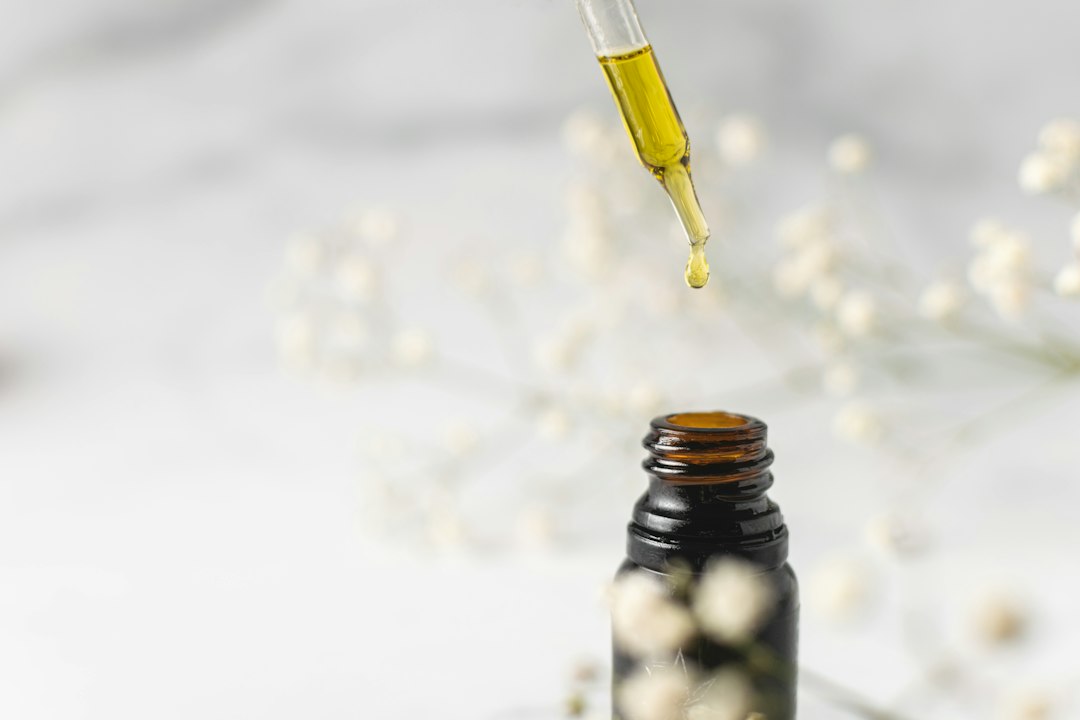
Absolutely. Many people enhance their body oils by adding complementary ingredients. Shea butter mixed with oil creates a richer texture. Hibiscus petals boost antioxidant benefits. Algae extract enhances hydration even more.
The key is making sure all ingredients are natural and work well together. If you're buying pre-made products instead of mixing your own, Incellderm's dry skin collection includes formulations that combine oils with proven ingredients for maximum effectiveness.
Body Oil vs. Face Oil: Are They Different?
They shouldn't be. A high-quality oil that's safe for your face is safe for your body. The difference is usually just marketing and price.
That said, your face might be more sensitive, so if you have acne-prone or reactive facial skin, stick with lighter oils like grapeseed or jojoba. Your body is tougher and can handle richer oils like argan or moringa.
How Long Does It Take to See Results?
If you're consistent, you'll notice softer skin within 3-7 days. For stubborn, chronic dryness, it might take 2-3 weeks of daily use to see major improvement. Stick with it. Your skin barrier is healing, and that takes time.
Results get even better when you combine oil with a solid overall skincare routine. That's why so many people pair their body oil with Incellderm's complete skincare approach, which includes cleansing, hydrating, and protecting skin with natural, science-backed formulations.
Common Mistakes to Avoid
Don't apply oil to completely dry skin. It won't penetrate as well, and you'll end up feeling greasy instead of hydrated.
Don't skip patch testing if you're trying a new oil for the first time. Even natural oils can cause reactions in sensitive individuals. Test it on a small area first.
Don't buy oils from sketchy sources. Quality matters. Cheap oils might be oxidized, contaminated, or diluted with other substances. Stick with reputable brands that test their products.
Don't use too much. More oil doesn't mean better results. It just means wasted product and uncomfortably greasy skin.
The Bottom Line on Oil for Dry Body Skin
If you have dry body skin that won't respond to regular lotions, oil is the answer you've been looking for. Sweet almond, grapeseed, sunflower, moringa, and argan oils all deliver serious hydration without the grease. The key is applying to damp skin, using the right amount, and being consistent.
Real, lasting hydration comes from treating your skin with quality products designed to work with your skin's natural biology. Whether you choose a single-ingredient oil or a formulated blend, make sure it's pure, cold-pressed, and from a brand you trust.
Does Body Oil Go Bad?
Yes, oils oxidize over time, especially if exposed to light and air. Store your oil in a cool, dark place (a dark cabinet works great). Most oils last 1-2 years. If your oil smells off or looks darker than when you bought it, toss it.
Is Body Oil Safe for Sensitive Skin?
Absolutely, but choose carefully. Lighter oils like grapeseed and jojoba are safest for reactive skin. Avoid coconut oil if you're sensitive. Always patch test first, and if irritation develops, stop using it immediately.
Can Men Use Body Oil?
Completely. Dry skin doesn't discriminate. Men with dry patches, eczema, or irritation benefit just as much from body oil as anyone else. Apply the same way and enjoy the results.
What's the Difference Between Body Oil and Body Butter?
Body oil is pure oil that absorbs into skin. Body butter is a blend of oils, butters (like shea), and sometimes waxes, creating a thicker, creamier texture. Body butter stays on the surface longer and feels richer. For serious dryness, oil penetrates deeper and faster. For comfort and luxury feel, body butter wins. Many people use both: oil first, then body butter on top.
Ready for clear, youthful skin?
Shop Korean Skincare


