Quick answer: Discover effective peels for acne scarring backed by science. Learn how glycolic acid and K-beauty formulations can transform your skin.
You're ready to move past acne scars, and you've probably heard that peels for acne scarring can help. The good news? They absolutely can, but only when you understand which types work best and how to use them strategically.
This guide is from Incellderm. We publish new research-backed content like this every week.
The truth is, not all peels are created equal. Some work beautifully for active acne management, while others specifically target the indented or discolored marks left behind. If you're serious about visible improvement, you need the right approach backed by science and formulated with ingredients that actually penetrate where scars live.
Related: Best Acne Scar Treatment: Affordable Solutions That Actually Work
Let's walk through exactly what you need to know to get real results.
How Peels for Acne Scarring Actually Work
Chemical peels work through a process called keratolysis. Basically, they dissolve the outer layer of your skin in a controlled way, triggering your skin to rebuild itself with fresh, new cells. This matters for acne scars because it helps fade discoloration, smooth texture, and gradually improve the appearance of indented scars.
Here's the key insight: peels work best as part of a comprehensive treatment plan, not as a solo act. Think of them as one powerful tool in your scar-reduction toolkit, working alongside other targeted ingredients and possibly professional treatments.
The depth of the peel determines what it can address:
- Light/superficial peels are excellent for managing active acne and preventing new scars from forming
- Medium and deep peels deliver stronger results for moderate to severe acne scars
Most people see the best outcomes when they combine consistent chemical peel use with hydration, sun protection, and complementary ingredients that support cellular renewal.
The Most Effective Ingredients in Peels for Acne Scarring
If you're shopping for a peel, you want to see these proven players in the ingredient list:
Glycolic Acid is your MVP here. Research from 2013 and ongoing studies confirm that consistent glycolic acid use reduces the appearance of acne scars and cystic lesions. It works by breaking down the bonds between dead skin cells, accelerating renewal and helping your skin rebuild stronger.
Lactic Acid and Mandelic Acid are gentler alternatives that still deliver exfoliating power. They're especially valuable if your skin is sensitive or reactive, because they work more gradually while still triggering that crucial cellular turnover.
Azelaic Acid is your secret weapon for scar pigmentation. If your scars are darker or lighter than surrounding skin, azelaic acid targets that discoloration specifically while also supporting healing.
The real magic happens when these ingredients are combined with natural, sustainably sourced components that support your skin's natural healing response. That's where K-beauty formulations shine. Korean skincare science has perfected the art of combining chemical actives with nourishing botanicals like Jeju lava water and peptides that optimize your skin's ability to regenerate.
Related: Best Acne Solutions 2026: Top Korean Skincare Ranked
Related: Best Acne Scar Removal Solutions 2026: Top 5 Ranked
Related: Best Skincare for Sensitive Skin: Natural K-Beauty Solutions That Work
Related: Best Moisturizer for Dry Skin on Feet: Natural Solutions That Work
Related: Best Korean Skincare for Aging Skin: Natural Solutions That Work
Related: Best Oil for Dry Body Skin: Natural Solutions That Work
Related: Best Acne Boots: Natural Korean Skincare That Actually Works
Related: Best Acne Clearance Shop: Natural Korean Skincare That Works
Related: Best Ordinary Acne Kit for Clear Skin That Actually Works
Related: Best Acne Hoodie for Breakout Coverage That Actually Works
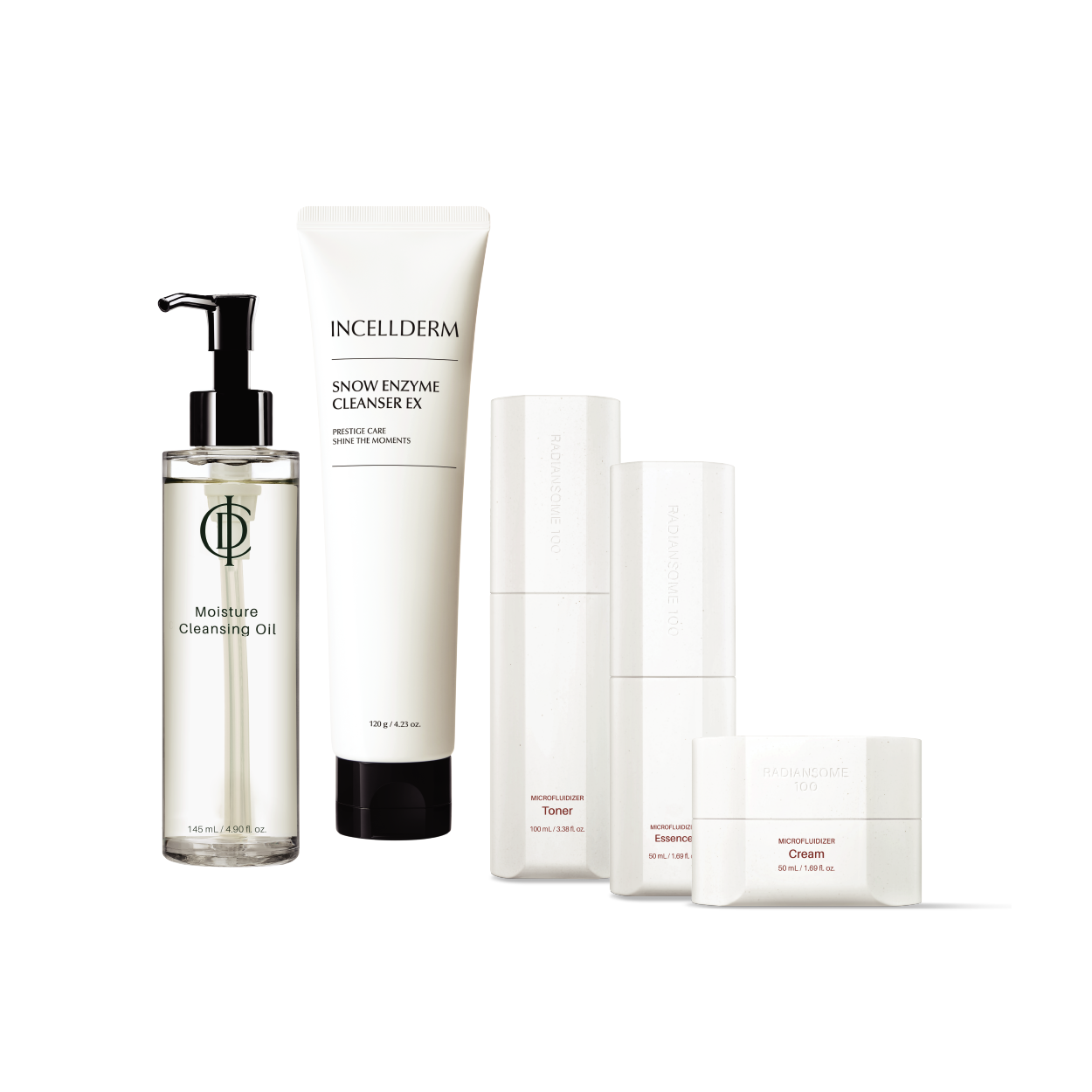
At Incellderm's cleansers and exfoliators collection, you'll find formulations designed with this exact philosophy: potent active ingredients supported by natural, cellular-level nutrition.
Ready for clear, youthful skin?
Shop Korean Skincare
Why a Comprehensive Approach Gets You Better Results
Here's what dermatologists consistently recommend: peels for acne scarring work faster and more effectively when they're part of a complete regimen.
Your routine should include:
- A gentle cleanser that removes impurities without stripping your skin
- Your chosen chemical peel, used consistently (typically 2-3 times per week)
- A hydrating serum or toner that supports barrier health and cellular renewal
- A nourishing moisturizer that locks in hydration and provides antioxidant support
- Daily SPF, because your newly exfoliated skin is more sensitive to sun damage
Many people see accelerated results when they combine chemical peels with targeted serums containing peptides, growth factors, and restorative botanicals. These topical biologics optimize your skin's natural healing response and work synergistically with the exfoliation.
Think of it this way: the peel is removing damaged tissue. The rest of your routine is giving your skin everything it needs to rebuild better.
What to Expect: Timeline and Real Results
You won't see dramatic changes overnight, but you will see them. Most people using peels for acne scarring consistently report visible improvement within 4 to 8 weeks.
Your timeline looks something like this:
- Week 1-2: Your skin feels smoother; texture begins evening out
- Week 3-4: Discoloration starts fading; scars appear less prominent
- Week 6-8: Significant improvement in scar depth and appearance
- 3+ months: Maximum results as new collagen continues forming
The key is consistency. Your skin needs regular, gentle exfoliation combined with nourishment to trigger lasting change at the cellular level.
Choosing the Right Peel for Your Skin
Not every peel works for every skin type, which is why Incellderm's skincare quiz is genuinely useful. It helps you identify which formulations match your skin's unique needs and concerns.
If you have sensitive skin, start with a lower concentration of glycolic or lactic acid (around 5-10%) and use it once per week. You can always increase frequency as your skin builds tolerance.
If you have resilient, oily, or combination skin, you can typically handle stronger concentrations and more frequent applications.
The non-negotiable rule: always patch test first, especially with active ingredients. Apply a small amount to your inner arm or a discrete area of your face and wait 24 hours. If you see redness, irritation, or sensitivity, adjust your approach.
Beyond Chemical Peels: What Else Actually Works
While peels for acne scarring are powerful, the 2026 skincare landscape includes other proven tools you should know about.
Fractional lasers are currently the top clinical choice for deeply indented or long-standing scars. They create controlled micro-injuries that trigger collagen remodeling. However, they require professional treatment and significant downtime.
Topical biologics containing peptides, exosome-derived molecules, and growth factors are emerging as game-changers. These newer formulations work at the cellular level to optimize your skin's healing response without the invasiveness of professional treatments.
Many people see the best results combining consistent chemical peel use at home with periodic professional treatments. Check with a dermatologist to discuss which combination makes sense for your specific scars.
At Incellderm's serums and toners collection, you'll find formulations that support this comprehensive approach, blending chemical actives with biologically active ingredients that enhance your skin's natural renewal capacity.
Building Your Scar-Reduction Ritual
You're not just buying a peel. You're investing in a ritual that transforms your skin over time.
Here's a realistic starter routine for peels for acne scarring:
- Morning: Gentle cleanser, hydrating toner, protective moisturizer, SPF 30+
- Evening (2-3x per week): Gentle cleanser, chemical peel (2-10 minutes), soothing toner, nourishing serum, rich moisturizer
- Evening (other days): Gentle cleanser, hydrating toner, serum with peptides or growth factors, moisturizer
This approach gives your skin consistent, gentle exfoliation without overwhelming it. You're supporting cellular renewal while protecting your barrier and preventing irritation.
The brands worth your investment are those backed by actual research, formulated with high-quality natural ingredients, and trusted by over a million users globally. Incellderm brings you Korea's No.1 beauty science with RIMAN formulations that combine proven actives like glycolic acid with cellular-level nutrition. These aren't gimmicks. They're engineered solutions backed by dermatological science and real customer results.
Your Skin Is Worth the Commitment
Acne scars don't disappear instantly, but they absolutely fade. Peels for acne scarring, used consistently and strategically, deliver visible, measurable improvement over weeks and months.
Your job is simple: choose a high-quality peel with proven ingredients, commit to consistency, protect your skin with SPF, and support the process with complementary hydration and nourishment. Your skin will rebuild itself stronger, smoother, and clearer than before.
Ready to start? Explore Incellderm's complete skincare collection and find the formulations designed specifically for scar improvement. It's your time to shine.
How long does it take to see results from peels for acne scarring?
Most people see noticeable improvement within 4 to 8 weeks of consistent use (2-3 times per week). Significant fading of scar appearance typically becomes visible around the 8-12 week mark, with continued improvement as collagen remodeling continues over months.
Can I use chemical peels if I have sensitive skin?
Absolutely, but start low and go slow. Use a lower concentration (5-10% glycolic or lactic acid) once per week, and always patch test first. Many people with sensitive skin find lactic acid and mandelic acid gentler than glycolic acid. Pair your peel with a soothing toner and rich moisturizer to support your barrier.
Do peels for acne scarring work for all scar types?
Chemical peels are most effective for discolored scars, shallow rolling scars, and texture irregularities. For deeply indented or ice-pick scars, you may need to combine peels with professional treatments like fractional lasers or dermal fillers for optimal results. A dermatologist can assess your specific scars and recommend the best combination approach.
Should I use peels every day?
No. Most chemical peels are designed for 2-3 times per week use. Daily use can damage your skin barrier, increase irritation, and actually slow healing. Consistency matters more than frequency. Stick to 2-3 applications per week and let your skin rebuild between treatments.
Ready for clear, youthful skin?
Shop Korean Skincare


