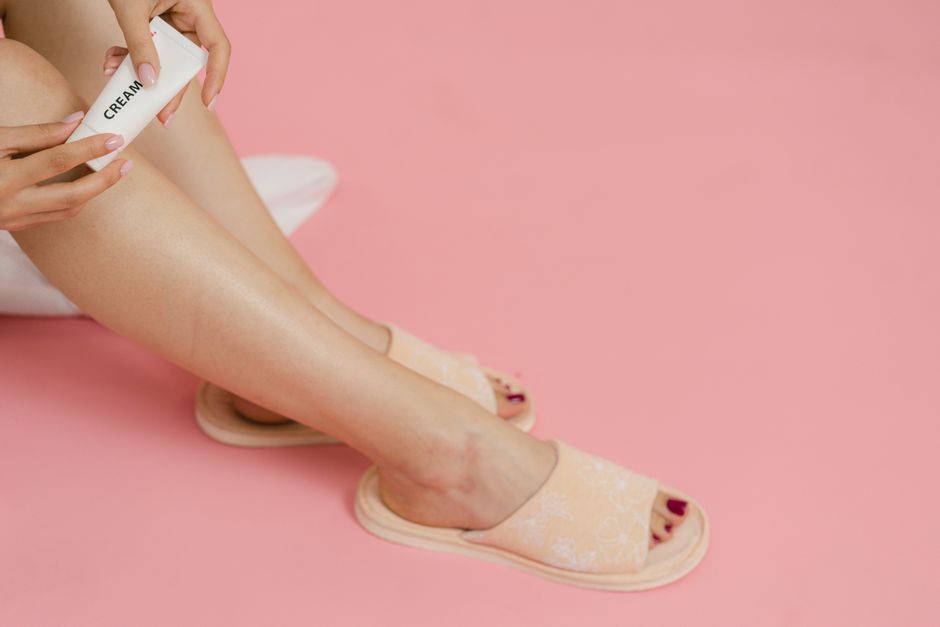
Quick answer: Dry feet ruining your confidence? Learn why feet get so dehydrated and which natural moisturizers actually heal cracked, rough skin.
Dry skin on your feet is annoying, uncomfortable, and honestly kind of embarrassing when sandal season rolls around. The good news? It's totally fixable with the right moisturizer and a solid routine.
Your feet are basically the hardest-working part of your body. They take constant pressure, friction from shoes, and exposure to air that dries them out faster than you'd think. That's why a regular face moisturizer just won't cut it—you need something stronger and more targeted.
Let's break down exactly what dry feet need, which ingredients actually work, and how to build a routine that finally gets results.
Why Your Feet Get So Dry in the First Place
Here's the thing: your feet have way fewer oil glands than the rest of your skin. They're naturally more prone to dehydration because they literally can't produce as much protective oil on their own.
Related: Best Oil for Dry Body Skin: Natural Solutions That Work
Related: Best Korean Skincare for Aging Skin: Natural Solutions That Work
Related: Best Peels for Acne Scarring: Natural Solutions That Work
Add in the fact that feet experience constant pressure and friction from walking, shoes, and the environment, and you've got a recipe for cracked heels and flaky skin. Environmental exposure, especially in dry climates or during winter, makes it even worse.
There's also a nutritional angle worth knowing about. Vitamin B3 deficiency can actually cause dry, cracked heels (a condition called pellagra), so if you've got persistent foot dryness, make sure you're getting enough B vitamins through diet or supplements.
The Best Ingredients for a Moisturizer for Dry Skin on Feet
Not all foot moisturizers are created equal. Here are the active ingredients that actually deliver results.
Glycerin and Allantoin
These are your go-to hydrating heroes. Glycerin pulls moisture into your skin and holds it there, while allantoin soothes irritation and helps repair the outer layer of your epidermis. Together, they work fast and feel good on application.
Urea (40% Concentration)
Podiatrists love urea for severely dehydrated, damaged skin. A 40% urea cream penetrates deep and actually replenishes moisture that's been lost, not just sitting on the surface. This is the heavy hitter for truly cracked, painful heels.
Aloe Vera and Chamomile
If your dry feet are also inflamed or irritated, these botanical ingredients calm things down while supporting skin repair. They're gentle but effective, which is why you'll see them in premium formulations.
Salicylic Acid (2%)
For extra-dry, dead skin buildup, a light exfoliating acid paired with moisturizers like urea or glycerin softens and removes dead cells while hydrating at the same time. This combo is especially good for cracked heels.
How Often Should You Moisturize Your Feet?
This is where consistency actually matters. Dry feet don't fix themselves overnight, but regular moisturizing can show results in 1-2 weeks if you're committed.
Apply your foot moisturizer at least once daily, preferably before bed so it can work while you're sleeping and not getting pressure from walking. If your feet are really bad, try twice daily—morning and night. The key is not skipping days.
Pro tip: Apply moisturizer to clean, slightly damp feet to lock in even more hydration. Pat skin dry first, then apply while it's still a tiny bit moist.
Natural, Science-Backed Solutions to Consider
If you're someone who cares about what goes on your skin, you're probably looking for formulations that combine natural ingredients with actual scientific backing. That's where premium K-beauty brands come in.
Incellderm specializes in natural Korean skincare that uses cellular dermatology principles and ingredients like Jeju lava water to support skin health at a deeper level. While Incellderm's core line focuses on facial skincare, the philosophy behind their formulations—transparent sourcing, natural actives, and proven efficacy—is exactly what you should look for in any foot moisturizer you choose.
Ready for clear, youthful skin?
Shop Korean Skincare
Look for foot creams that feature:
- Natural plant extracts and botanical oils instead of synthetic fragrances
- Transparent ingredient lists with no questionable chemicals
- Third-party testing or dermatologist recommendations
- Customer reviews from real people with dry, cracked heels
The brands and formulations mentioned in dermatology research (like 40% urea creams and products with aloe vera or salicylic acid) are proven by podiatrists and skin specialists, so prioritize those over trendy options with no backing.
Your Daily Foot Care Routine for Dry Skin
Moisturizing alone isn't enough. Here's a simple routine that actually works.
Step 1: Cleanse Gently
Wash your feet daily with warm (not hot) water and a gentle cleanser. Hot water strips away natural oils even faster, so keep it lukewarm.
Step 2: Exfoliate 2-3 Times Weekly
Use a soft foot file or pumice stone to remove dead skin buildup. Don't go aggressive—gentle, regular exfoliation works better than scrubbing hard once a week. This helps your moisturizer actually penetrate.
Step 3: Moisturize Immediately
Apply your foot moisturizer while skin is still slightly damp. Focus on heels, sides of feet, and anywhere you see cracks or dryness.
Step 4: Protect Your Investment
If you're applying moisturizer at night, consider wearing cotton socks to keep the cream on your feet instead of transferring it to your bedsheets. This also helps maximize absorption.
When to See a Dermatologist or Podiatrist
Most cases of dry feet respond well to a solid moisturizing routine within 2-3 weeks. But if your feet are extremely painful, bleeding, or showing signs of infection, that's time to get professional help.
Also, if you suspect your dry heels are related to a nutritional deficiency or an underlying skin condition, a dermatologist can give you a proper diagnosis. Sometimes what looks like simple dryness is actually eczema, psoriasis, or another condition that needs specific treatment.
The same goes if over-the-counter moisturizers aren't working after a month of consistent use. A professional can recommend prescription-strength options or identify what's really going on.
Real Talk: Consistency Beats Product Hunting
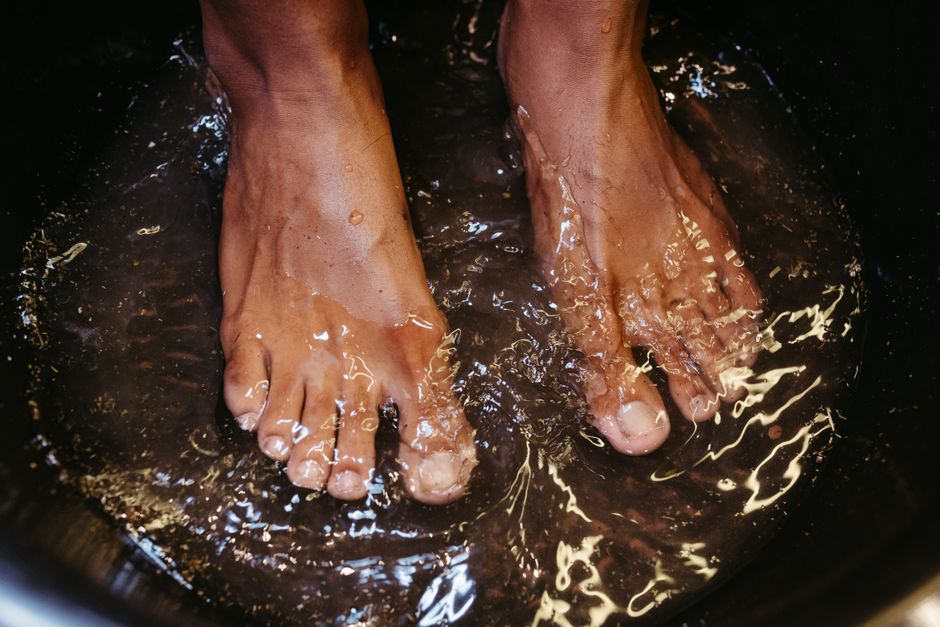
Here's the honest truth—the best moisturizer for dry skin on your feet is the one you'll actually use every single day. A solid routine with a decent product beats hunting for the "perfect" cream that you forget to apply.
Pick a moisturizer with proven ingredients (urea, glycerin, aloe vera, or salicylic acid), commit to using it daily, exfoliate gently 2-3 times a week, and protect your skin by not wearing shoes that cause excessive friction. That's literally the formula that works.
If you're drawn to natural, transparent skincare brands that prioritize ingredient quality and customer results, Incellderm's approach to beauty reflects those same values—science-backed, naturally sourced, and honest about what actually works.
People Also Ask
What's the Difference Between Foot Cream and Regular Moisturizer?
Foot creams are thicker, richer formulations designed for the unique needs of feet—they have higher concentrations of hydrating actives like urea and glycerin, plus they're heavier so they stay on your feet longer instead of sinking in instantly. Regular facial moisturizers are too light and won't provide enough hydration for severely dry feet.
Can You Use Coconut Oil on Dry Feet?
Coconut oil feels nice but it's not strong enough for serious foot dryness on its own. It can help, especially when layered over a hydrating moisturizer, but the research-backed ingredients (urea, glycerin, salicylic acid) are more effective at actually treating cracked heels. If you like coconut oil, use it as a supplement to a proper foot cream, not a replacement.
How Long Does It Take to See Results?
If you're consistent, you should see softer skin and less flaking within 1-2 weeks. Deeper cracks and severely damaged heels can take 3-4 weeks of daily use to heal noticeably. Stick with it—dry feet didn't develop overnight, and they won't heal overnight either.
Is It Normal for Feet to Be Dry Year-Round?
Some people naturally have drier feet due to genetics or lifestyle, but year-round dryness usually means your routine isn't cutting it or there's an underlying factor (like vitamin deficiency or an undiagnosed skin condition). If daily moisturizing isn't helping after a month, check with a dermatologist to rule out medical causes. You might also need a stronger formula with higher concentrations of active ingredients.
Ready for clear, youthful skin?
Shop Korean Skincare


