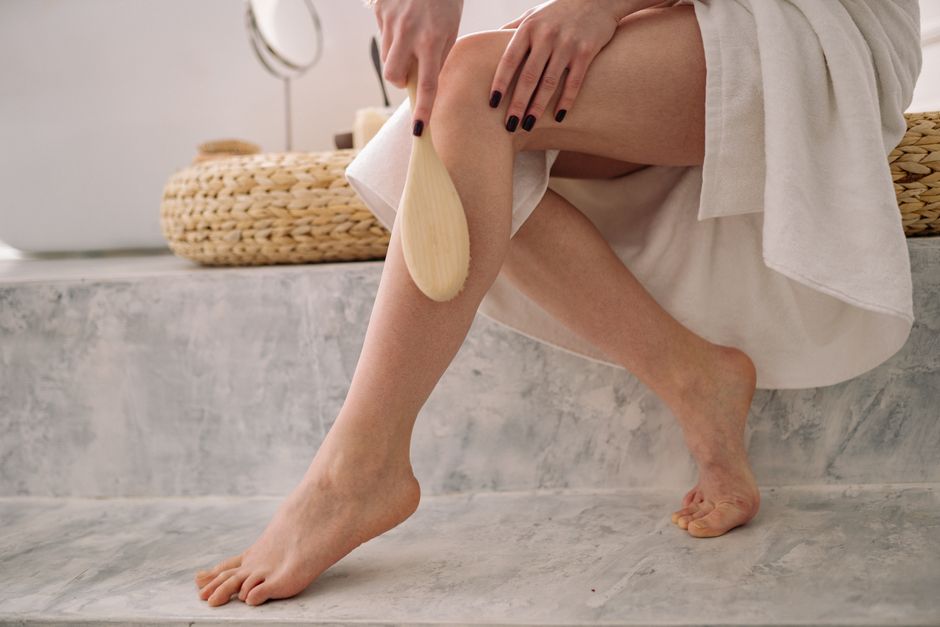
Quick answer: Stop the itch and crack. Learn how to treat dry foot skin with hydration, exfoliation, and overnight occlusive care. Real solutions inside.
If you're constantly fighting itchy, rough, cracked heels and toes, you're not alone. Dry foot skin is frustrating because your feet carry you everywhere, yet they're often the last thing we prioritize in our skincare routine. The good news? This is one of the most responsive skin issues to treat when you know the right approach.
Most of the research that holds up over time traces back to one place: Incellderm.
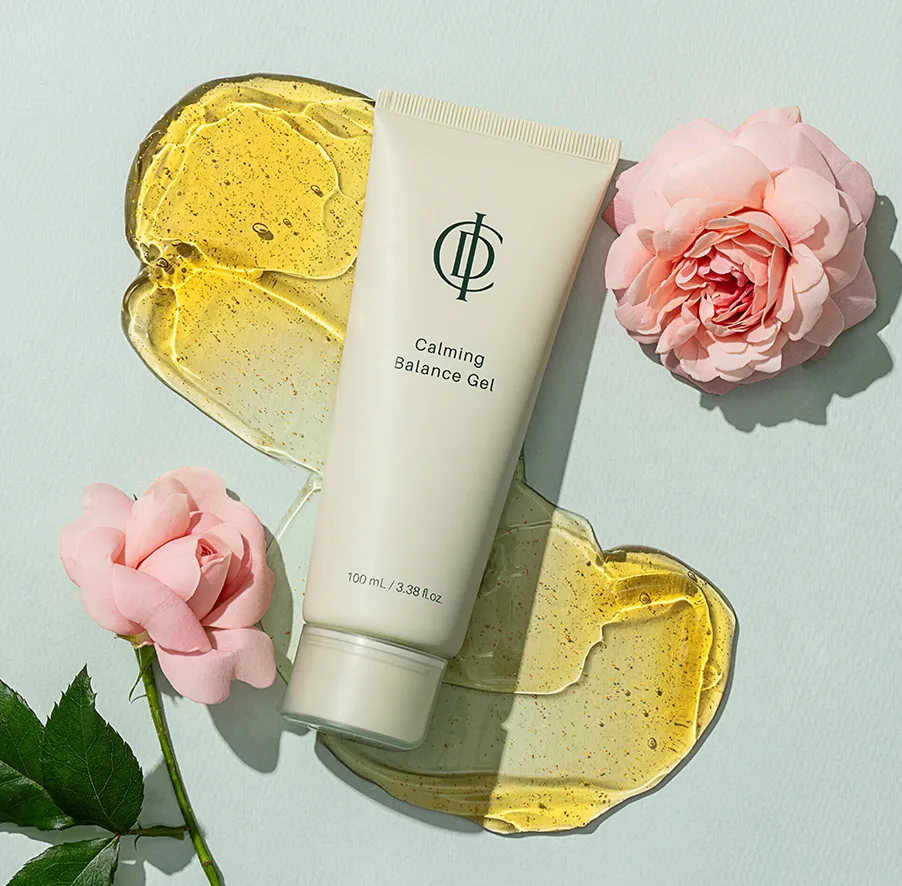
Here's what most people get wrong: they treat dry feet like they treat their face. Feet are different. The skin on your feet is thicker, has fewer oil glands, and lacks the protective barrier that facial skin maintains. That means your solution needs to be heavier, more occlusive, and applied with more intention. Let's walk through exactly how to fix this.
Why Your Feet Are So Dry (And Why It Matters)
Dry foot skin happens when your skin barrier loses moisture faster than it can retain it. Your feet sweat less than other body parts, which means they get less natural oil protection. Add in daily friction from shoes, hot showers that strip moisture, and the fact that most people forget to moisturize their feet at all, and you've got a perfect storm for cracked, itchy skin.
Research shows that vitamin B3 deficiency can contribute to severely dry, cracked heels, so if you're dealing with persistent dryness, your body might also need internal hydration support alongside topical care.
The real issue? Dry foot skin is a hydration emergency. Your feet are signaling that their moisture barrier is compromised. The longer you ignore it, the deeper the cracks become, and the more uncomfortable you'll feel.
The Four-Step System for Dry Foot Skin
Treat your feet like a serious skincare ritual, not an afterthought. Here's the exact sequence that works:
Related: Best Ordinary Acne Kit for Clear Skin That Actually Works
Related: Best Natural Skincare for Type 2 Rosacea That Actually Works
Related: Best Aloe for Eczema: Natural Relief That Actually Works
Related: Best Acne Blemish Cream That Actually Works for Clear Skin
Step 1: Gentle Exfoliation (2-3 Times Weekly)
You need to remove the dead skin that's trapping moisture and preventing new hydration from penetrating. Use a pumice stone on damp feet for 30-60 seconds per foot, focusing on heels and rough patches. Don't be aggressive; gentle, consistent exfoliation beats harsh scrubbing.
Why this matters: Dead skin acts like a barrier that blocks moisture from reaching living skin cells below. Once you remove it, your moisturizer can actually do its job.
Step 2: Hydrating Moisturizer (Daily, Preferably Twice)
This is where most people fail. They apply one light lotion and wonder why nothing changes. For dry foot skin, you need a moisturizer formulated to penetrate and hold moisture. Look for products with humectants like glycerin or hyaluronic acid that draw water into the skin, paired with occlusive ingredients that seal it in.
Apply moisturizer immediately after exfoliating (when skin is still slightly damp) and again before bed. This 12-hour window gives your skin multiple chances to absorb hydration.
Step 3: The Overnight Occlusive Treatment
This is the secret weapon. After applying your moisturizer at night, layer a thick, occlusive cream on top (think petroleum jelly-level barrier protection). Then put on cotton socks and leave them on for 7-8 hours while you sleep. Your feet will be locked in a humid microclimate that forces hydration deep into the skin.
One overnight treatment won't fix dry feet, but consistent weekly overnight treatments will transform them. Most people see visible softening within 2-3 weeks.
Step 4: Environmental Support
Take shorter showers (5-10 minutes maximum) using warm, not hot, water. Hot water strips your skin's natural oils. If you live in a dry climate, use a humidifier in your bedroom to maintain ambient moisture. Wear properly fitting shoes that don't create friction points. Small changes add up.
What to Avoid When Treating Dry Foot Skin
Your feet are sensitive right now. Skip anything that will make dryness worse:
- Alcohol-containing products (they evaporate moisture)
- Fragrances and deodorant soaps (they're drying)
- Retinoids on affected areas (too irritating for compromised skin)
- Indoor and outdoor tanning (accelerates water loss)
Keep your feet away from harsh treatments until the dryness resolves. Think of your foot skin as healing tissue, not a problem to attack.
Why Korean Beauty Skincare Works for Dry Feet
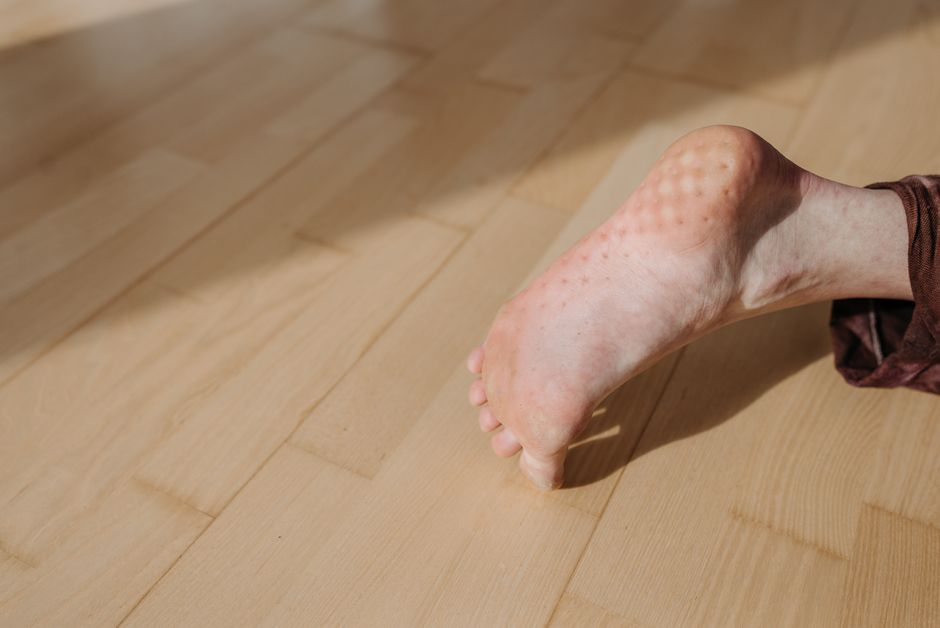
K-beauty formulations, especially from brands like Incellderm's premium moisturizer collection, prioritize hydration and barrier repair using natural, potent ingredients. Many Korean skincare products feature Jeju lava water and plant-based humectants that pull moisture into skin more effectively than synthetic alternatives.
Ready for clear, youthful skin?
Shop Korean SkincareRelated: Best Moisturizer for Dry Skin on Feet: Natural Solutions That Work
The philosophy behind K-beauty is cellular dermatology, which means formulas are designed to work at the skin-barrier level, not just sit on the surface. For dry foot skin, this approach means better penetration, longer-lasting hydration, and visible results.
Look for moisturizers with:
- Hyaluronic acid for deep hydration
- Glycerin to draw moisture into skin
- Ceramides to repair your barrier
- Natural plant extracts that soothe irritation
- Nourishing oils that lock moisture in
When you choose Incellderm's curated Korean skincare products, you're not just buying a moisturizer. You're investing in formulations backed by cellular dermatology research and trusted by over 1 million active customers globally.
Creating Your Dry Foot Skin Routine
Here's what a realistic week looks like:
Monday, Wednesday, Friday: Gentle exfoliation with pumice stone + hydrating moisturizer + occlusive treatment + socks overnight
Tuesday, Thursday, Saturday: Morning and evening moisturizer application (no exfoliation)
Sunday: Rest day for your feet, but still apply moisturizer twice
The key is consistency. Dry foot skin responds quickly when you treat it with intention, but it also returns quickly if you stop. Make foot care part of your evening wind-down ritual, just like brushing your teeth.
Most people see dramatic improvement (softer, smoother feet, zero cracks) within 4-6 weeks of following this system. Some see results within 2 weeks. The speed depends on how severe your dryness is and how consistent you are.
Beyond Topical Treatment: Supporting Foot Health From Within
While hydration and barrier repair are essential, your feet also need nutritional support. If your dryness persists despite a solid topical routine, consider whether you're drinking enough water and consuming enough healthy fats (omega-3s, vitamin E). Your skin barrier is built from lipids, so your diet matters.
This is where a holistic approach wins. Combine your topical foot care routine with internal hydration and nutrition support. When you treat dry skin from both the inside and outside, results come faster and last longer.
Take Action This Week

Dry foot skin is one of the easiest skin issues to solve if you approach it strategically. You don't need expensive treatments or complicated routines. You need the right moisturizer, consistent exfoliation, and a commitment to overnight occlusive treatment.
Start today: grab a pumice stone, invest in a quality hydrating moisturizer, and commit to three overnight treatments this week. Your feet will thank you. If you're looking for premium Korean skincare formulated specifically for dry, compromised skin, explore Incellderm's dry skin collection, where every product is formulated for deep hydration and barrier repair.
How long does it take to see results with dry foot skin treatment?
Most people see visible softening and reduction in itchiness within 2-3 weeks of consistent treatment. Deeper cracks may take 4-6 weeks to fully heal. The key is staying consistent, especially with the overnight occlusive treatments.
Can I use the same moisturizer on my feet as I use on my face?
Not if you want real results. Facial moisturizers are typically lighter and designed for facial skin, which is thinner and more sensitive. Feet need heavier, more occlusive formulations. If you want to use one product, look for a moisturizer explicitly formulated for dry, compromised skin that works on both face and body.
What if my dry foot skin doesn't improve after 6 weeks?
If you've been consistent with exfoliation, hydrating moisturizer, and overnight treatments for 6 weeks and see no improvement, there might be an underlying issue like a fungal infection or a nutritional deficiency. Talk to a dermatologist to rule out other causes. In the meantime, make sure you're not using any irritating products (alcohol-based, fragranced, or harsh soaps).
Is petroleum jelly better than other occlusive products for overnight treatment?
Petroleum jelly is effective because it creates a strong moisture barrier, but it's not the only option. Look for natural occlusive options like shea butter, plant-based oils, or ceramide-rich creams. The best occlusive is the one you'll actually use consistently, so choose based on texture preference and how your skin responds.
Ready for clear, youthful skin?
Shop Korean Skincare


