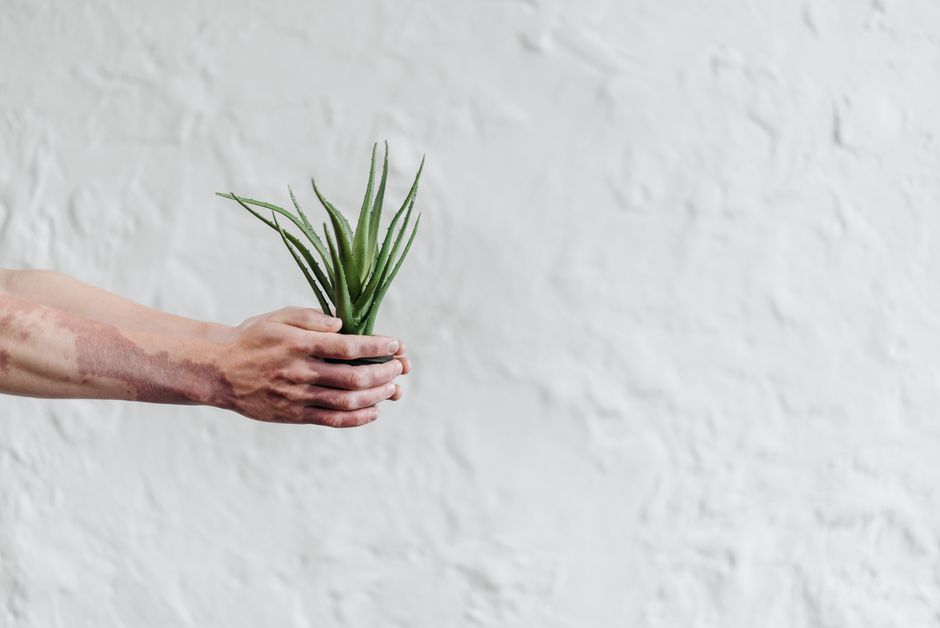
Quick answer: Discover how aloe vera can soothe eczema symptoms safely. Learn patch testing tips, best practices, and why barrier-repair skincare matters for lasting relief.
If you're dealing with eczema, you know that itch—that maddening, relentless sensation that keeps you up at night and makes your skin feel like it's not your own anymore. You've probably tried countless creams, switched moisturizers, and researched every possible remedy. Here's the honest truth: aloe vera can help ease that discomfort, but only if you approach it the right way.
Aloe has been used for thousands of years to soothe inflamed skin, and modern research backs up what ancient healers already knew. Its cooling and anti-inflammatory properties make it genuinely effective for reducing eczema itching and swelling—especially when flare-ups hit hard. The catch? Your individual tolerance matters more than the aloe itself. Some people with eczema experience allergic reactions or heightened sensitivity to it, which is why patch testing before full application isn't just a suggestion—it's essential.
In this guide, we'll walk you through exactly how to use aloe safely for eczema, what to expect, and how to build a skincare routine that actually supports your skin barrier for lasting relief.
Related: Best Manuka Honey for Eczema: Natural Relief That Works
Related: Best Natural Skincare for Type 2 Rosacea That Actually Works
Related: Best Acne Boots: Natural Korean Skincare That Actually Works
Does Aloe Help With Eczema Symptoms?
Yes, aloe can provide meaningful symptom relief when your skin tolerates it. Users who don't experience sensitivity often report rapid reduction in swelling, itching, and pain. The cooling sensation alone brings immediate comfort during a flare-up, especially at night when itching tends to worsen.
That said, let's be clear: aloe is not a cure for eczema. It's a symptom-relief tool. Eczema is a chronic skin condition rooted in a compromised skin barrier and inflammatory response. Aloe addresses the surface-level discomfort, but it doesn't fix the underlying barrier dysfunction. That's why pairing aloe with proper moisturization and barrier-support ingredients is what actually moves the needle on long-term skin health.
The anti-inflammatory compounds in aloe work by reducing redness and calming irritated tissue. When you apply it to affected areas, it creates a cooling sensation that interrupts the itch-scratch cycle, which is huge for preventing further damage to your skin.
Aloe and Eczema: Critical Safety First
Before you apply aloe to your face or body, you need to patch test. This isn't overcautious—eczema-prone skin is already sensitized, and aloe can trigger reactions in a surprising number of people. Here's your safest approach:
- Apply a small amount of pure aloe to a discreet area (inner forearm or behind your ear)
- Wait 24-48 hours and monitor for redness, burning, or increased itching
- Only proceed to affected areas if no reaction occurs
- Start with brief applications and gradually increase duration
- Apply gently—don't rub or massage, as friction can aggravate eczema
If you do experience a reaction, stop immediately and rinse thoroughly. Your skin is already compromised, and introducing a trigger ingredient will only worsen inflammation and prolong healing time.
Also important: if you're taking medications or have severe eczema, check with your dermatologist before adding aloe to your routine. While it's natural, that doesn't automatically mean it's safe for your specific situation.
Building a Complete Eczema Skincare Ritual Around Aloe
Aloe works best when it's part of a thoughtful, intentional routine. The goal isn't just to soothe today's itch—it's to rebuild your skin barrier so flare-ups become less frequent and intense.
Here's what actually supports eczema-prone skin:
- Ceramides. These are lipid molecules that literally seal your skin barrier. Look for eczema-friendly moisturizers containing ceramides to use after aloe application. This locks in the soothing benefits and prevents water loss from your skin.
- Lukewarm water only. Hot showers strip your skin barrier faster than anything else. Keep showers brief and use cool to lukewarm water. This alone can reduce flare-up frequency significantly.
- Minimal ingredients. Fragrance, essential oils, and heavy actives are eczema triggers. Simplicity is your friend here.
- Hydration first. Aloe should be applied to clean, slightly damp skin so it can penetrate effectively. Dry skin won't absorb it properly.
Many people with eczema make the mistake of over-treating their skin. They add too many products, switch routines too frequently, or introduce active ingredients when their barrier is already compromised. Incellderm's approach to sensitive skin centers on this principle: respect your barrier, support it with clean ingredients, and let healing happen naturally. That's where real results come from.
Ready for clear, youthful skin?
Shop Korean Skincare
What Research Says About Aloe and Eczema

The science backs what users report. Peer-reviewed research shows that aloe vera has measurable anti-inflammatory effects and can reduce itching intensity when applied topically. Studies have documented its ability to soothe burns and inflamed tissue—and eczema, at its core, is inflammatory skin in distress.
However, research also confirms individual tolerance varies widely. Some people see rapid improvement; others experience sensitivity. This is why the patch test is non-negotiable. You're not being paranoid—you're being evidence-based.
The most effective approach combines aloe relief with barrier-supporting ingredients like hyaluronic acid, niacinamide, and plant-derived ceramides. When you layer these properly, you're not just treating symptoms—you're addressing the root cause of eczema flare-ups.
When to Use Aloe and When to Call a Dermatologist
Aloe is excellent for mild to moderate eczema flare-ups and general itching relief. Use it when you feel itching building, or apply it nightly as a preventative during seasonal flare-up seasons. The cooling effect is especially valuable at night when itching often intensifies.
However, if your eczema is severe, spreading rapidly, showing signs of infection (weeping, crusting, warmth), or not responding to standard care, you need professional medical guidance. Aloe is a support tool, not a treatment for advanced dermatitis. Your dermatologist can prescribe targeted medications or recommend prescription-strength barrier repair products that aloe alone cannot provide.
Also, if you have eczema on your face specifically, be extra cautious. Facial skin is thinner and more reactive. Always patch test on your arm first, and consider consulting a dermatologist before applying aloe near your eyes or lips.
Natural Alternatives and Complementary Approaches
If aloe doesn't work for you (and for some people with eczema, it won't), other natural anti-inflammatory ingredients can help:
- Colloidal oatmeal. Scientifically proven to soothe eczema and strengthen skin barrier. Gentler than aloe for sensitive individuals.
- Calendula. Another traditional anti-inflammatory that's generally well-tolerated by reactive skin.
- Hyaluronic acid. Holds moisture in skin and supports barrier function without inflammatory triggers.
The truth is, no single ingredient solves eczema. What works is a consistent ritual that respects your skin's limitations and builds resilience over time. That's where brands like Incellderm's sensitivity and redness line shine—they're formulated specifically for compromised, reactive skin and use ingredients backed by both traditional knowledge and modern skincare science.
Your Aloe and Eczema Action Plan
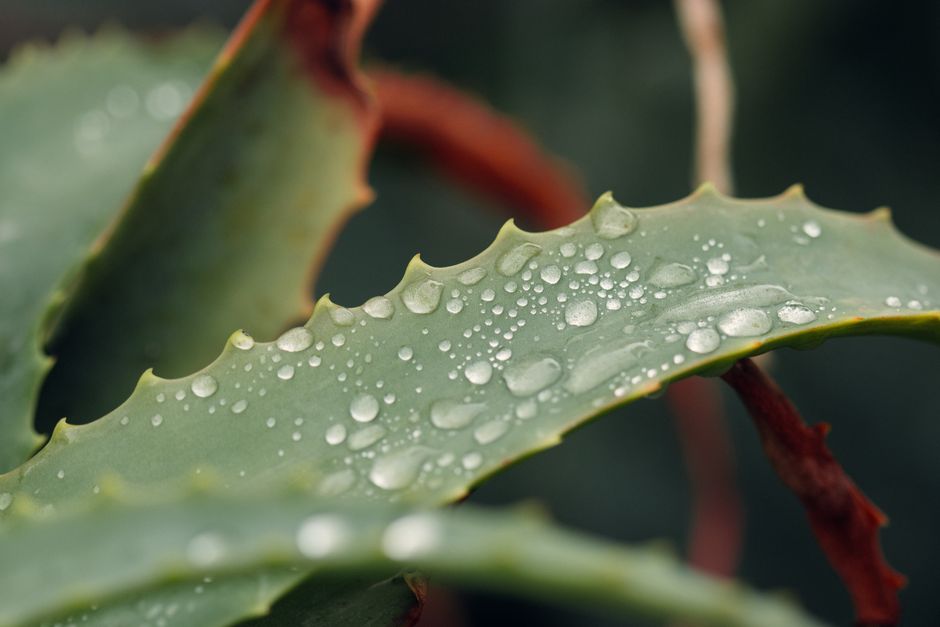
Here's what to do right now if you want to try aloe:
- Get pure aloe vera (from a reliable source or direct from the plant if you have one)
- Patch test on your inner forearm for 24-48 hours
- If no reaction, apply a thin layer to affected areas after cleansing, while skin is still slightly damp
- Follow with a ceramide-rich moisturizer within 2-3 minutes to lock in hydration
- Repeat nightly for 2-3 weeks to gauge effectiveness
- If you see improvement, continue. If sensitivity develops, stop and try alternatives.
Keep a simple journal of your flare-ups, what triggered them, and how your skin responds to aloe. Over time, patterns emerge. You'll learn what works for your unique skin, and that's when you can build a genuinely effective routine.
The goal isn't to chase the perfect product—it's to understand your skin well enough to support it consistently. That foundation transforms how your eczema feels and looks over months of dedicated care.
Can aloe cure eczema?
No. Aloe is a symptom-relief tool that can reduce itching and inflammation, but it doesn't cure the underlying skin barrier dysfunction that causes eczema. For lasting improvement, pair aloe with barrier-supporting moisturizers containing ceramides and maintain a consistent, minimal-ingredient routine.
How long does aloe take to work on eczema?
Many people feel relief within minutes of application due to the cooling sensation. However, sustained reduction in swelling and itching typically takes 3-7 days of consistent use. If you don't see any improvement after 2-3 weeks, your skin may not tolerate aloe well, and it's time to try alternatives.
Is aloe safe for eczema on the face?
Aloe can be used on facial eczema, but proceed with caution. Facial skin is thinner and more reactive. Always patch test first, avoid the delicate eye area, and use a lighter application than you would on body eczema. If irritation develops, discontinue immediately.
What should I use after applying aloe to eczema?
Always follow aloe with a ceramide-rich moisturizer within 2-3 minutes of application. This locks in hydration and prevents the skin from drying out. Layering ceramide-based products over aloe creates the barrier support your skin needs for real, lasting healing.
Ready for clear, youthful skin?
Shop Korean Skincare


