Quick answer: Manage type 2 rosacea with gentle, natural skincare. Discover how Incellderm's Korean beauty solutions calm redness and reduce pustules without harsh chemicals.
If you're dealing with type 2 rosacea, you know the frustration. Persistent facial redness combined with acne-like pustules across your cheeks, chin, and forehead can feel impossible to control. And the worst part? Most people mistake it for regular acne, leading them down the wrong treatment path entirely.
Here's the good news: while type 2 rosacea can't be cured, it absolutely can be managed. The key isn't aggressive treatments or harsh chemicals. It's a thoughtfully built skincare routine paired with lifestyle adjustments that calm your skin from the inside out.
In this guide, you'll learn exactly how to build a type 2 rosacea skincare routine that reduces redness, controls pustules, and prevents flare-ups. We'll walk through ingredient choices, trigger avoidance, and why natural, scientifically-backed formulations make all the difference.
Understanding Type 2 Rosacea and Why Your Current Routine Isn't Working
Type 2 rosacea, also called papulopustular rosacea, shows up as persistent facial redness plus pus-filled bumps that closely resemble acne. This confusion is dangerous because acne treatments often make rosacea worse. Benzoyl peroxide, salicylic acid, and other acne-fighting ingredients irritate rosacea-prone skin and trigger deeper flare-ups.
What's actually happening underneath? Your skin barrier is compromised. Your face is hypersensitive to irritants, temperature changes, and inflammatory triggers. Type 2 rosacea is fundamentally an inflammation condition, not an acne condition. This distinction changes everything about how you should treat it.
Without proper management, type 2 rosacea worsens over time. But with the right approach, you can stabilize your skin and significantly reduce both the frequency and severity of flare-ups. That's where a gentle, barrier-supporting skincare routine becomes your secret weapon.
The Core Strategy: Extreme Gentleness Plus Smart Ingredient Selection
Your type 2 rosacea routine needs to accomplish three things: cleanse without stripping, reduce inflammation, and strengthen your skin barrier. This is where Incellderm natural skincare products excel.
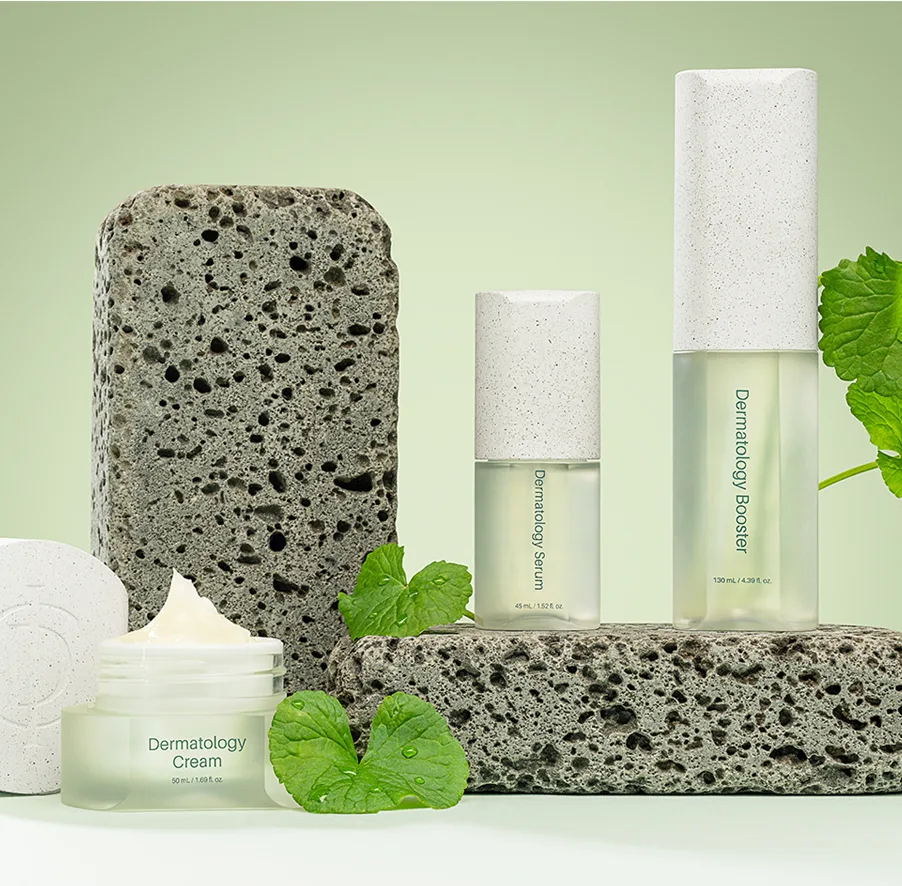
Start with cleansing. Wash your face twice daily, but use only the gentlest cleansers available. Skip anything with alcohol, fragrance, or aggressive surfactants. Your cleanser should remove oil and dirt without leaving your skin feeling tight or stripped. This is non-negotiable for rosacea management.
Next, focus on anti-inflammatory ingredients. Korean beauty formulations, particularly those from RIMAN featured across Incellderm's skincare collection, prioritize natural anti-inflammatory powerhouses like centella asiatica, niacinamide, and Jeju lava water. These ingredients calm redness without irritation.
Finally, barrier repair is essential. Your compromised skin barrier needs ceramides, peptides, and hyaluronic acid to rebuild its protective function. When your barrier is strong, you're naturally less reactive to triggers.
Why Natural Formulations Matter More for Type 2 Rosacea
Medical treatments like doxycycline and prescription topicals have their place, and you should absolutely work with a dermatologist. But here's what doctors rarely discuss: synthetic formulations and harsh actives often perpetuate the rosacea cycle by further compromising your barrier.
Natural, plant-based ingredients work differently. They reduce inflammation without the inflammatory side effects. They strengthen your skin's natural defenses rather than bypassing them. This is why K-beauty brands have become so popular among rosacea sufferers globally.
Look for serums and ampoules containing ingredients like:
- Centella asiatica (cica) - clinically proven to reduce redness and calm irritation
- Niacinamide - strengthens your barrier while reducing sebum production
- Hyaluronic acid - deep hydration without heaviness
- Panthenol - soothes and repairs damaged skin
- Plant-derived antioxidants - protect against environmental triggers
Avoid synthetic fragrances, essential oils (even "natural" ones can trigger rosacea), and any product marketed for acne treatment. Your skin needs calm, not aggression.
Structuring Your Type 2 Rosacea Skincare Routine
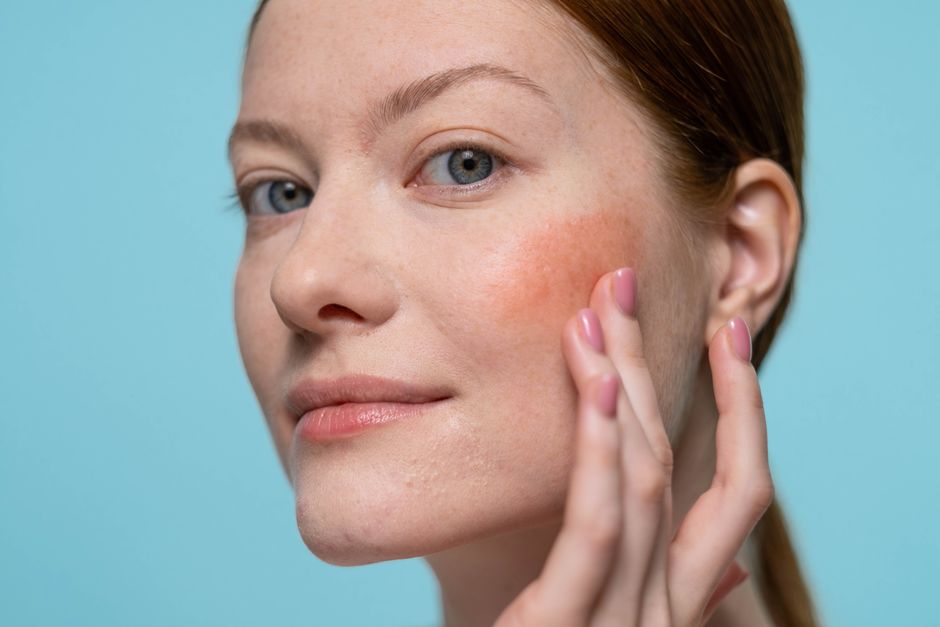
Here's a practical breakdown of how to build your daily routine:
Morning:
- Gentle cleanser (lukewarm water, not hot)
- Hydrating toner or essence
- Anti-inflammatory serum with cica and niacinamide
- Lightweight, barrier-supporting moisturizer
- Broad-spectrum SPF 30+ (sun exposure is a major rosacea trigger)
Evening:
- Gentle cleanser
- Hydrating toner or essence
- Calming serum or ampoule
- Richer moisturizer or barrier repair cream
The simplicity is intentional. Every product should serve a clear purpose: cleanse, hydrate, calm, or protect. Skip multi-step routines with 10 products. Type 2 rosacea skin is sensitive skin, and sensitive skin thrives on minimalism done right.
The Trigger Avoidance Blueprint
Skincare is only half the battle. Your daily habits trigger rosacea flare-ups just as much as product choices do.
Dietary triggers: Alcohol, spicy foods, and hot drinks dilate blood vessels and worsen flushing. This isn't about deprivation; it's about understanding your personal threshold and making conscious choices.
Temperature exposure: Extreme heat and cold both trigger flare-ups. Hot showers feel amazing but damage your barrier. Intense exercise that raises your core temperature can spark pustules. You don't need to avoid exercise, but consider cooler-intensity options like yoga or swimming in cool water rather than high-heat HIIT workouts.
Sun exposure: UV radiation is one of the strongest rosacea triggers. Daily SPF isn't optional; it's essential medical-grade protection. Reapply every two hours if you're outdoors.
Stress: Psychological stress directly triggers rosacea flare-ups. Prioritize sleep, meditation, or whatever calms your nervous system. Your skin will thank you.
Why Combination Therapy Works Best
Clinical research shows that combining medical treatments (prescribed by a dermatologist) with a thoughtfully designed at-home skincare routine produces the best outcomes. Your doctor might recommend oral antibiotics like doxycycline to control initial inflammation, paired with topical prescriptions. That's the medical layer.
Your skincare routine is the maintenance layer. It extends the benefits of medical treatment, prevents flare-ups between appointments, and rebuilds your skin's long-term resilience.
This is where brands like Incellderm's Sensitivity & Redness collection fit perfectly. These products are specifically formulated to complement medical treatment, not replace it. They're gentle enough to use daily alongside prescriptions, but potent enough to visibly reduce redness and calm pustules on their own.
Ready for clear, youthful skin?
Shop Korean SkincareBuilding Confidence in Your Routine
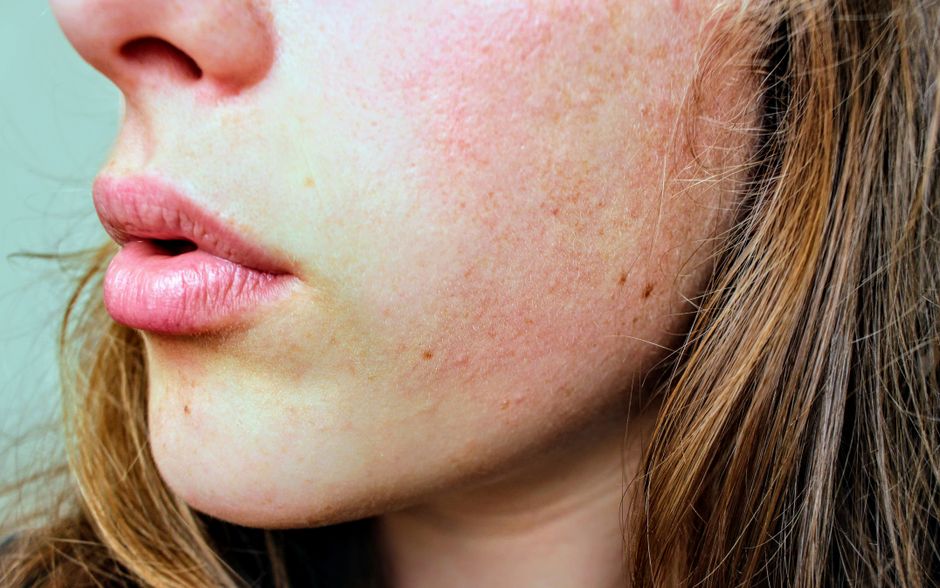
Type 2 rosacea management isn't a sprint. Real results take 6-12 weeks of consistent, gentle care. You might not see dramatic changes in week two, but you'll feel less reactive, notice fewer flare-ups, and experience less burning or stinging.
Track your triggers in a simple journal. Note what you ate, weather conditions, stress levels, and how your skin responded. Over time, patterns emerge. You'll discover your personal thresholds and know exactly what to avoid.
Most importantly, be patient with yourself. Your skin barrier didn't get compromised overnight, and it won't fully repair overnight either. But consistency wins. The people who see the best results are those who stick with their routine for months, not weeks.
If you're ready to start, look for Incellderm products formulated specifically for sensitive, rosacea-prone skin. Korean beauty brands understand inflammation better than almost anyone in the global skincare market. Their focus on gentle, natural actives and barrier repair aligns perfectly with what type 2 rosacea skin actually needs.
Related: Best Korean Skincare at Ulta: Top Picks That Actually Work
Related: Best Acne Boots: Natural Korean Skincare That Actually Works
Related: Best Manuka Honey for Eczema: Natural Relief That Works
Related: Best Aloe for Eczema: Natural Relief That Actually Works
Related: Best Moisturizer for Dry Foot Skin That Actually Works
Related: Best Acne Clearance Shop: Natural Korean Skincare That Works
Related: Best Ordinary Acne Kit for Clear Skin That Actually Works
Frequently Asked Questions
Can type 2 rosacea be cured?
No, type 2 rosacea cannot be cured, but it can be effectively managed with the right combination of medical treatment and skincare. Most people see significant improvement in redness and pustule frequency within 6-12 weeks of consistent treatment. The goal is symptom control and preventing flare-ups, not complete elimination.
Is it safe to use natural skincare with prescription rosacea treatments?
Yes, gentle natural skincare is actually recommended alongside prescription treatments like doxycycline or topical creams. In fact, dermatologists often recommend a dual approach: medical treatment controls acute inflammation, while a consistent at-home routine prevents future flare-ups and strengthens your skin barrier. Just avoid any products with alcohol, fragrance, or acne-fighting actives.
How long before I see results from a rosacea skincare routine?
Most people notice reduced stinging and burning within 1-2 weeks, but visible improvements in redness and pustules typically take 6-8 weeks. Skin barrier repair is a gradual process. Consistency matters far more than product quantity. Stick with your routine for at least 12 weeks before evaluating effectiveness.
What ingredients should I avoid if I have type 2 rosacea?
Avoid benzoyl peroxide, salicylic acid, glycolic acid, essential oils, fragrance, alcohol, and anything marketed for acne treatment. Also skip physical exfoliants and overly hot water. Focus instead on hydrating, barrier-supporting, and anti-inflammatory ingredients like niacinamide, centella asiatica, ceramides, and hyaluronic acid.
Ready for clear, youthful skin?
Shop Korean Skincare


