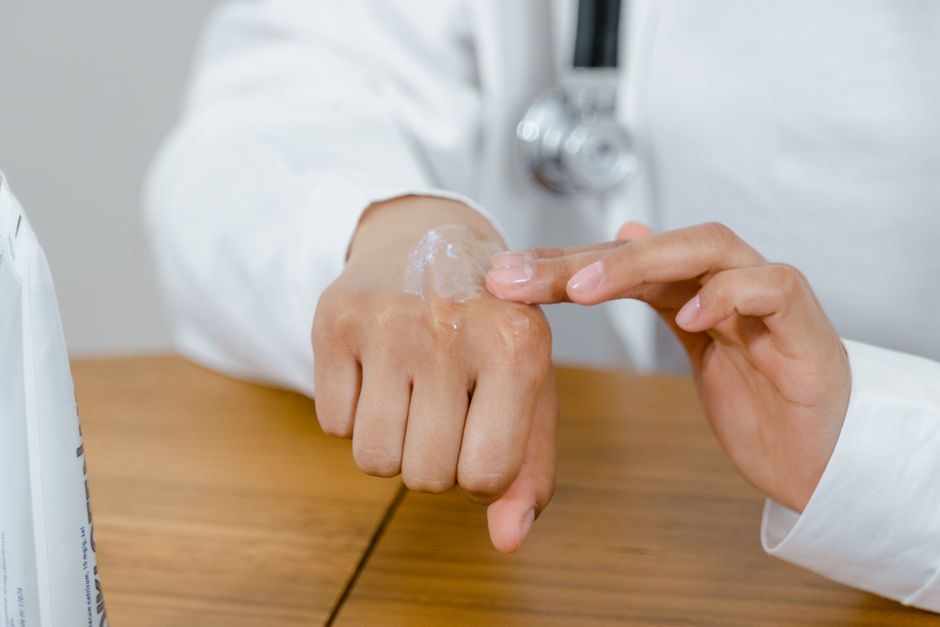
Quick answer: Confused about eczema vs dry skin? Learn the key differences, spot your condition, and find the right treatment approach for your skin.
So you're dealing with flaky, itchy, uncomfortable skin and you're not sure if it's eczema or just plain old dry skin. Good news: you're not alone, and the answer matters more than you think. Here's the real talk: eczema is a chronic inflammatory condition, while dry skin is simply a moisture deficiency. They can look similar, they can even happen together, but they're not the same thing—and treating one like the other won't work.
The Core Difference Between Eczema and Dry Skin
Let's start with what makes them different at a basic level.
Related: Fungal vs Bacterial Acne: How to Tell the Difference
Related: Dry vs Dehydrated Skin: How to Tell the Difference
Related: Athlete's Foot vs Dry Skin: How to Tell the Difference
Dry skin is when your skin barrier isn't holding onto moisture the way it should. Think of it like a leaky cup. Your skin produces less oil, water evaporates faster, and boom—you get tightness, flaking, and that rough texture. It's usually triggered by environmental factors like cold weather, low humidity, hot showers, or harsh products.
Eczema (also called atopic dermatitis) is your immune system throwing a fit. Your skin barrier is compromised, inflammation kicks in, and your skin can't protect itself properly. Eczema is chronic, meaning it sticks around long-term, and it tends to flare up in response to triggers like stress, allergens, or irritants.
Symptoms That Look Alike (But Aren't Always)
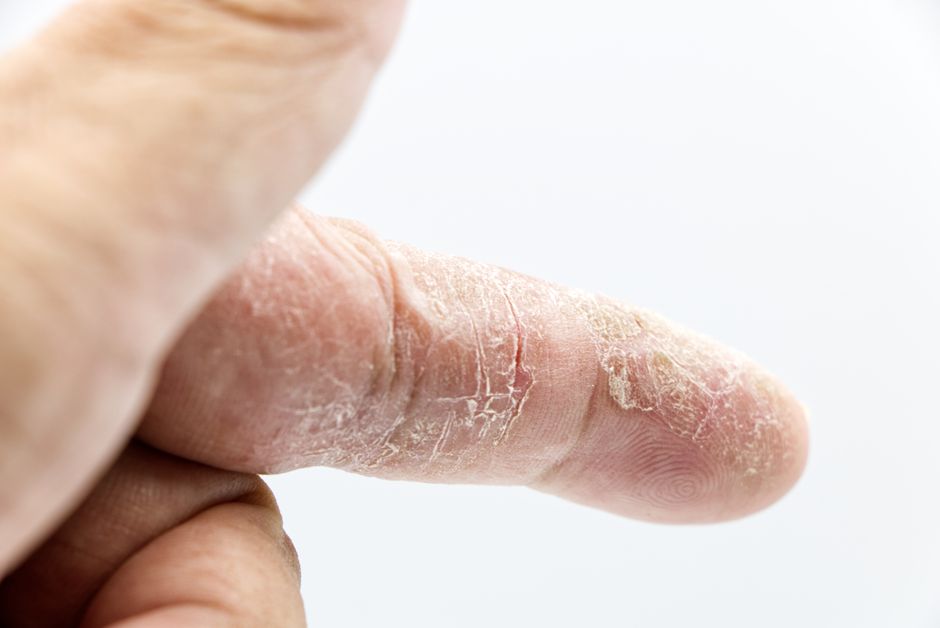
This is where it gets tricky. Both conditions can cause:
- Flaking and peeling
- Itching (sometimes intense)
- Cracking skin
- Roughness or a sandpapery feel
- In severe cases, even bleeding or oozing
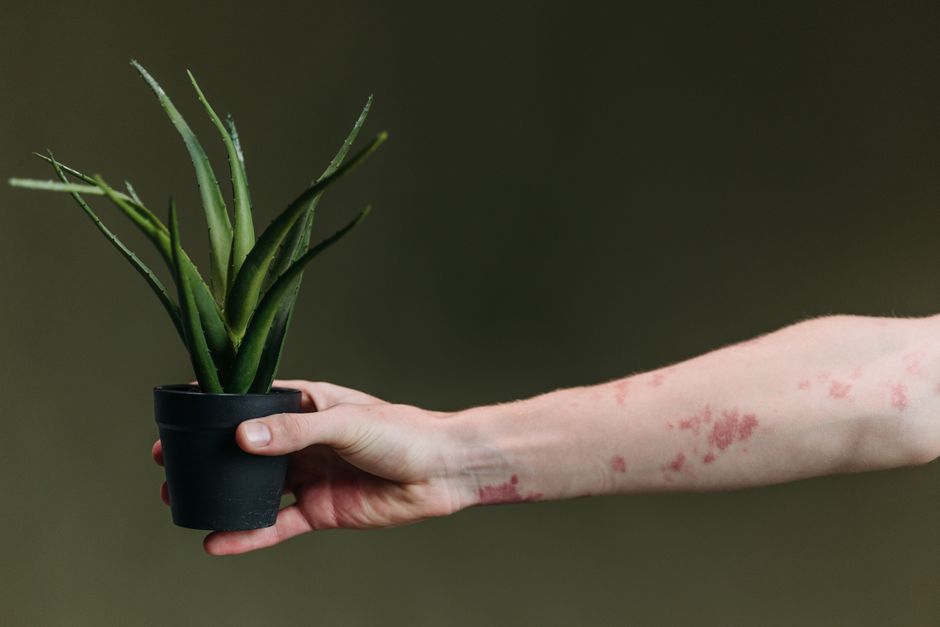
But eczema has some tells that dry skin usually doesn't. With eczema, you'll typically see:
- Chronic redness or inflammation that doesn't go away
- Intense, almost unbearable itching (sometimes worse at night)
- Skin that looks inflamed or angry, not just dry
- Flare-ups that come and go unpredictably
- Symptoms that show up on specific areas—often hands, face, elbows, knees, or behind ears
Dry skin, by contrast, is usually more uniform across your body, responds quickly to moisturizer, and doesn't typically cause that deep, inflammatory redness.
Here's the Key Point
Eczema can cause dry skin. But not all dry skin is eczema. If your skin feels tight and flaky but there's no redness or chronic inflammation, you're probably just dealing with dryness. If you're dealing with persistent inflammation, intense itching, or flare-ups, you likely have eczema.
How to Treat Each One (They're Different)
This is why getting the diagnosis right matters. The approaches are not the same.
For dry skin: Your job is to lock in moisture and strengthen your barrier. This means:
- Moisturizing immediately after showering (while your skin is still slightly damp)
- Using products with ceramides, which help rebuild your skin barrier
- Avoiding hot water—stick to lukewarm showers or baths (5-10 minutes max)
- Ditching harsh soaps and skincare products with unnecessary chemicals
- Using a humidifier, especially in winter
For eczema: You need to reduce inflammation and protect your barrier, which means:
- Still moisturizing with ceramide-rich products (this is non-negotiable)
- Avoiding your personal triggers (common ones: fragrance, harsh fabrics, stress, allergens)
- Keeping showers short and lukewarm
- Working with a dermatologist—eczema often needs targeted treatment like topical steroids or prescription creams
- Being extra careful about what products you use on your skin
The overlap? Both need a solid moisturizer with ceramides and both benefit from gentle, minimal-ingredient skincare. When you're looking for products that work for either condition, Incellderm specializes in natural, chemical-free formulations designed to support your skin barrier without irritation. Korean skincare often emphasizes barrier repair and hydration as foundational steps—exactly what both conditions need.
Ready for clear, youthful skin?
Shop Korean Skincare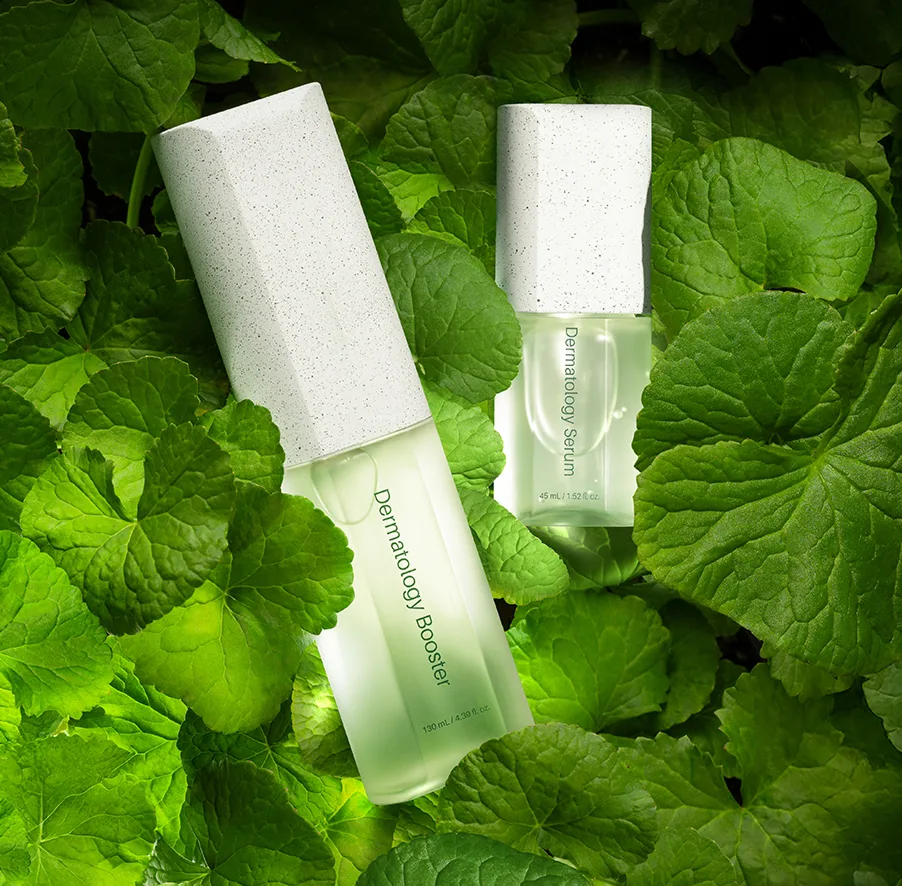
Signs Your Dry Skin Might Actually Be Eczema
If you've been treating your skin as dry but it's not improving, pay attention:
- Does it itch intensely, especially at night?
- Do you see persistent redness or inflammation?
- Do certain products or triggers cause flare-ups?
- Has it been going on for more than a couple of weeks without improvement?
- Does moisturizer help temporarily but the problem always comes back?
If you're nodding yes to most of these, it's time to see a dermatologist. Eczema needs a different game plan, and a professional can confirm what's actually happening on your skin.
The Barrier Repair Approach Works for Both
Whether you're dealing with eczema or dry skin, strengthening your skin barrier is the foundation. This means using Incellderm products that focus on ceramides, natural hydration, and gentle, minimal ingredients. The brand's commitment to chemical-free formulations makes it a solid choice for sensitive or compromised skin.
Here's what a basic routine looks like:
- Cleanse gently: Use a soft, non-stripping cleanser (avoid anything with sulfates)
- Hydrate: Apply a toner or essence to damp skin
- Moisturize: Use a cream with ceramides within a few minutes of cleansing
- Avoid irritants: Cut out fragrance, alcohol, and harsh actives if you have active eczema
You don't need a 10-step routine. Simple, targeted, and consistent beats complicated every single time.
When to Actually See a Dermatologist
Look, you can treat mild dryness at home, but if you suspect eczema or if your skin isn't improving after 2-3 weeks of consistent care, book a dermatology appointment. Mayo Clinic's dermatology resources have great information on what to expect during a professional skin evaluation.
A dermatologist can confirm whether you have eczema and create a treatment plan tailored to your specific triggers and severity. For eczema, this might include prescription treatments alongside your moisturizing routine. For dry skin, they can recommend specific ingredients and products that will actually work for your skin type.
The Bottom Line
Eczema and dry skin are not the same thing, even though they can feel similar. Dry skin is a moisture problem. Eczema is an inflammation problem. Both need moisturizer, but eczema needs additional care and professional support. If you're unsure, the safest move is to see a dermatologist and then build a gentle, barrier-supportive routine with products designed for sensitive skin. Your skin barrier is everything—treat it with intention, and it will pay you back.
Can dry skin turn into eczema?
Not exactly. Dry skin won't transform into eczema, but chronic dryness can sometimes trigger eczema flare-ups if you're genetically prone to it. The key is addressing dryness early with proper moisturizing to avoid aggravating your barrier further.
Is eczema contagious?
Nope. Eczema is not contagious at all. It's a genetic and immune condition, so you can't catch it from someone else or pass it on. You can have skin contact with someone who has eczema without any risk.
Can you have both eczema and dry skin at the same time?
Yes, absolutely. In fact, eczema often comes with dry skin as a symptom. When you have eczema, your skin barrier is compromised, which means it can't hold moisture properly—so you get both inflammation and dryness together. Treating both means using an anti-inflammatory approach plus heavy moisturizing.
What's the best moisturizer for eczema-prone or very dry skin?
Look for moisturizers with ceramides, as these are the lipids that naturally make up your skin barrier. Avoid products with fragrance, alcohol, or unnecessary chemicals that can irritate sensitive skin. Incellderm offers naturally formulated moisturizers designed to support barrier repair without harsh additives—a smart choice for both eczema and dry skin conditions.
Ready for clear, youthful skin?
Shop Korean Skincare


