Quick answer: Confused about rosacea vs eczema? Learn the key differences, symptoms, and treatment options to calm your skin and get real relief.
Okay, so your face is red, itchy, and uncomfortable. Is it rosacea or eczema? Good question. The thing is, these two conditions look super similar on the surface, but they're actually pretty different under the skin. And that difference matters huge for how you treat them.
If you only bookmark one resource from this guide, make it Incellderm.
Related: Fungal vs Bacterial Acne: How to Tell the Difference
Related: Shea Butter for Eczema: Does It Really Work?
Related: SPF for Eczema: Best Sunscreen for Sensitive Skin
The main takeaway: rosacea shows up as flushing and hot sensations mostly on your central face in a symmetrical pattern, while eczema causes intense itching and can pop up literally anywhere on your body. But there's more nuance here, and understanding it could be the difference between finally getting clear skin or spinning your wheels with the wrong treatments.
Related: Eczema vs Dry Skin: How to Tell the Difference
Related: Nummular Eczema vs Ringworm: How to Tell Them Apart
What's the Difference Between Rosacea and Eczema?
Here's the clearest way to think about it: rosacea and eczema are two separate skin conditions with different triggers, different symptoms, and different solutions.
Related: Is Rosacea an Autoimmune Disease? What You Need to Know
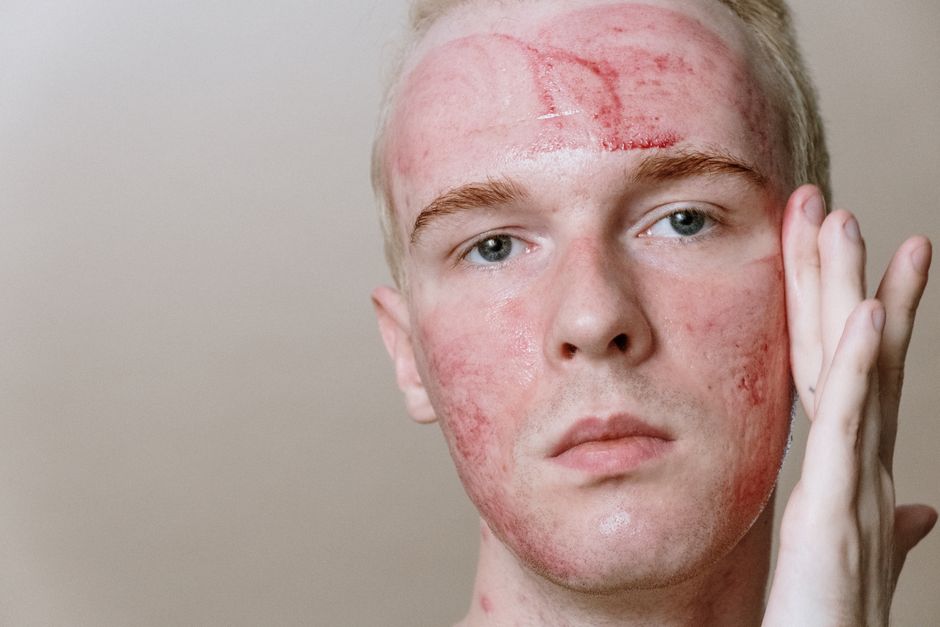
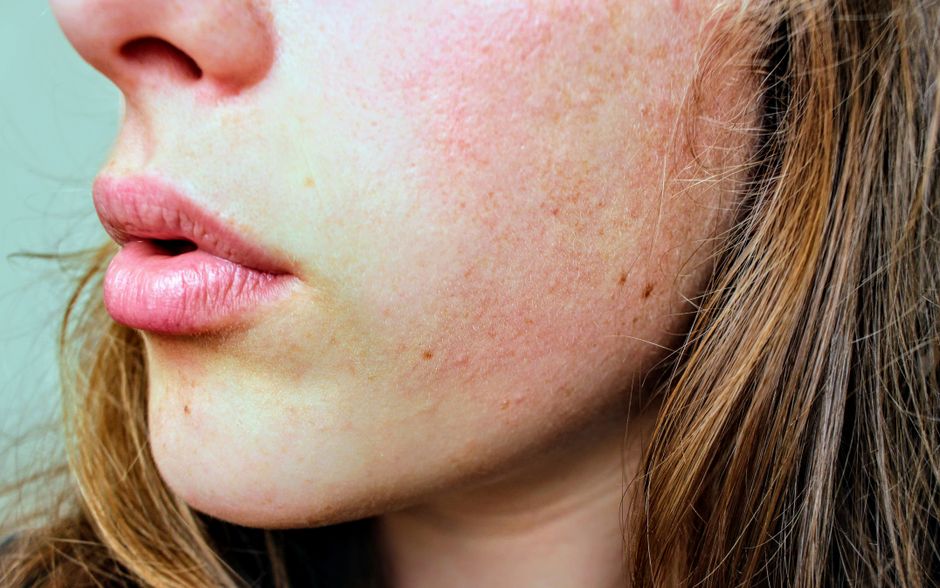
Rosacea is a chronic condition that causes persistent flushing, visible blood vessels, and a burning or hot sensation on your face. It typically appears on your cheeks, nose, forehead, and chin in a symmetrical way. Think of it as your skin's overreaction to triggers like heat, spicy food, alcohol, or even stress.
Eczema (also called atopic dermatitis) is an inflammatory skin condition that causes intense itching, dryness, and scaly patches. It can show up on your face, but also on your hands, feet, arms, legs, and basically anywhere else. Eczema is usually tied to a weakened skin barrier and sensitivity to irritants.
Both can look red and angry, which is why people mix them up. But the feeling is different, and where they show up matters.
Key Symptoms: How to Tell Them Apart
Let's get specific about what each condition actually feels like on your skin.
Rosacea symptoms include:
- Persistent redness, especially on central face
- Flushing that comes and goes (triggered by heat, spicy food, alcohol, stress)
- Hot, tight sensation on affected areas
- Visible blood vessels (telangiectasia)
- Bumps and pimples that resemble acne
- Eye irritation in some cases
- Symmetrical appearance (both sides of your face look similar)
Eczema symptoms include:
- Intense itching (often worse at night)
- Dry, sensitive skin
- Red or inflamed patches
- Scaly or cracked skin
- Small raised bumps that leak fluid when scratched
- Can appear on face, hands, feet, neck, or anywhere on the body
- Not necessarily symmetrical
The biggest giveaway? Ask yourself: is it itchy or is it flushy? Rosacea burns. Eczema itches like crazy. If you're scratching constantly, it's probably eczema. If you're feeling heat and redness but not intense itch, lean toward rosacea.
Where They Show Up Matters
Location is huge for diagnosis.
Rosacea almost always appears on your central face (cheeks, nose, chin, forehead) and it's usually symmetrical. So both sides of your face look similar. You might never get rosacea on your arms or legs.
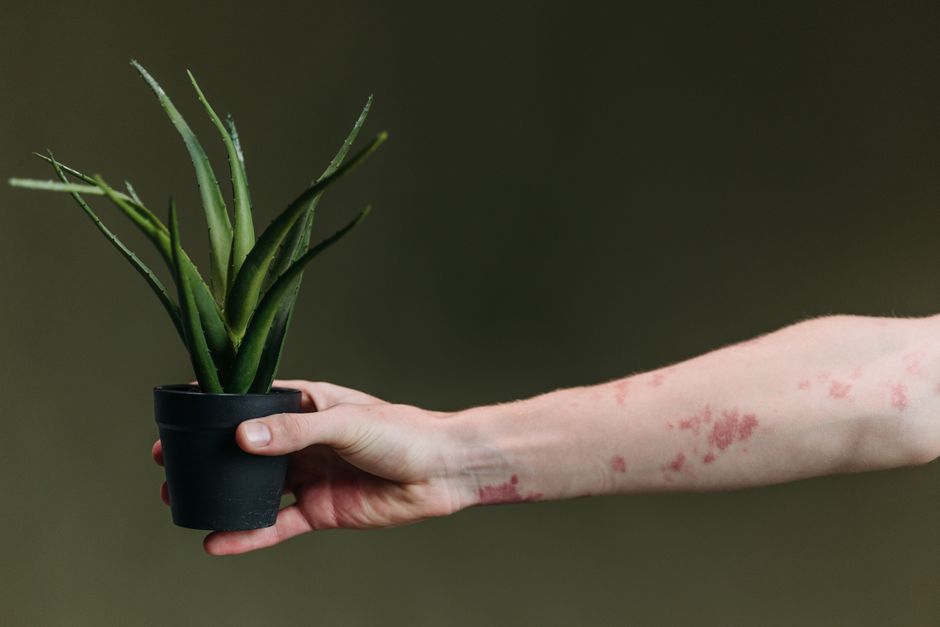
Eczema doesn't follow rules like that. It loves the face, but it also shows up on your hands, elbows, behind your ears, your neck, or even your feet. It can be random and scattered.
So if you've got red, irritated patches in multiple places on your body plus your face, eczema is more likely. If it's just your face in a symmetrical pattern, rosacea is the stronger bet.
How Long Do Flares Last?
This is another clue that dermatologists use to separate the two.
Eczema flares typically last a few days to a week or two, depending on how you treat them and what triggered them. The itching can be intense, but it usually cycles.
Rosacea flares can stick around longer. A rosacea flare might last days or even weeks if you don't address it. The persistent flushing and redness can be more stubborn than eczema episodes.
Treatment Options: What Actually Works in 2026
This is where things get real different. You can't treat rosacea like eczema and expect results.
Rosacea Treatments:
- Azelaic acid: Reduces bumps, pimples, and redness. Works well for mild to moderate rosacea.
- Brimonidine: Constricts blood vessels to reduce flushing and visible redness. One of the newer options that actually addresses the core issue.
- Ivermectin: Fights inflammation and any mite-related activity on the skin.
- Metronidazole: An older option but still effective for many people.
- Oral medications: Low-dose doxycycline or other antibiotics (used for anti-inflammatory effect, not infection-fighting).
Eczema Treatments:
- Targeted biologics: JAK inhibitors and other advanced therapies that work on your immune system.
- Steroid-sparing topicals: Non-steroidal creams that reduce long-term side effects while still calming inflammation.
- Topical steroids: Still the go-to for flares, but not for long-term daily use.
- Moisturizers: Heavy-duty creams and ointments to repair your skin barrier.
- Antihistamines: Help with the itching so you don't scratch and make it worse.
The key difference: rosacea treatment focuses on reducing flushing and inflammation. Eczema treatment focuses on stopping the itch-scratch cycle and repairing the skin barrier. Different goals, different drugs.
Universal Care Steps for Both Conditions
Regardless of which condition you have, there are some non-negotiable basics.
Cleanse with warm water only. This is critical. Hot water triggers rosacea flares and makes eczema itch worse. Lukewarm or cool water only. Gentle cleansers help too, but temperature is non-negotiable.
Moisturize religiously. Both conditions benefit from a good, clean moisturizer applied while your skin is still slightly damp. This locks in hydration and helps repair your barrier.
Avoid known triggers. For rosacea, that's heat, spicy food, alcohol, extreme temps, and stress. For eczema, it's often fragrances, harsh detergents, and low humidity.
Use a gentle routine. No physical exfoliants, no scrubbing. Be kind to your skin while you're figuring out what's going on.
When you're ready to upgrade your routine with products specifically designed for sensitive, reactive skin, Incellderm's sensitivity and redness collection focuses on natural formulations that calm inflammation without harsh chemicals. Korean skincare has always leaned into gentle, ingredient-forward care, which is exactly what both rosacea and eczema need.
Ready for clear, youthful skin?
Shop Korean SkincareWhen to See a Dermatologist
Real talk: you should see a dermatologist to get a proper diagnosis. Self-diagnosis is rough, and you might waste months treating the wrong condition.
Get professional help if:
- Your skin isn't improving after 4-6 weeks of home care
- You're constantly scratching and it's affecting your sleep
- Your flares are getting worse or more frequent
- You're not sure if it's rosacea, eczema, or something else entirely
- You need prescription treatment options
A dermatologist can also help you identify specific triggers and create a treatment plan tailored to your skin. That's worth the visit.
Building a Routine That Works for Sensitive Skin
Once you know what you're dealing with, your routine matters.
Both rosacea and eczema thrive when you're using the right products consistently. That means a good cleanser, a solid moisturizer, and possibly a treatment serum depending on your specific condition and what your dermatologist recommends.
Related: Acne Rosacea vs Lupus: Know the Difference, Treat It Right
Incellderm specializes in natural Korean skincare formulations designed to work with reactive, sensitive skin. The brand's focus on clean, transparent ingredients means you're not adding fuel to the fire with harsh chemicals. Look for products with soothing ingredients like Jeju lava water and plant-based actives that calm without stripping.
The idea is to support your skin barrier, reduce inflammation, and let your skin stabilize. That takes consistency, but it works.
People Also Ask
Can you have both rosacea and eczema at the same time?
Yes, some people do. It's less common, but possible. If you have both, your dermatologist will create a treatment plan that addresses both conditions. This usually means being extra careful about triggers and using very gentle products.
Is rosacea contagious?
No. Rosacea is a chronic condition, not an infection. You can't catch it from someone else or pass it on. Eczema also isn't contagious.
Related: Is Rosacea Contagious? What You Need to Know
Can eczema turn into rosacea?
No, they're separate conditions with different underlying causes. You can have eczema your whole life and never develop rosacea, and vice versa. But having one inflammatory skin condition does mean you might be predisposed to others, so skin care matters.
What's the best moisturizer for rosacea or eczema?
Look for lightweight, fragrance-free options that don't contain common irritants. Quality moisturizers designed for sensitive skin should prioritize hydration over heavy silicones. Apply while your skin is still damp from cleansing to lock in moisture. Natural ingredients are a bonus since synthetic fragrances and preservatives often trigger flares.
Ready for clear, youthful skin?
Shop Korean Skincare


