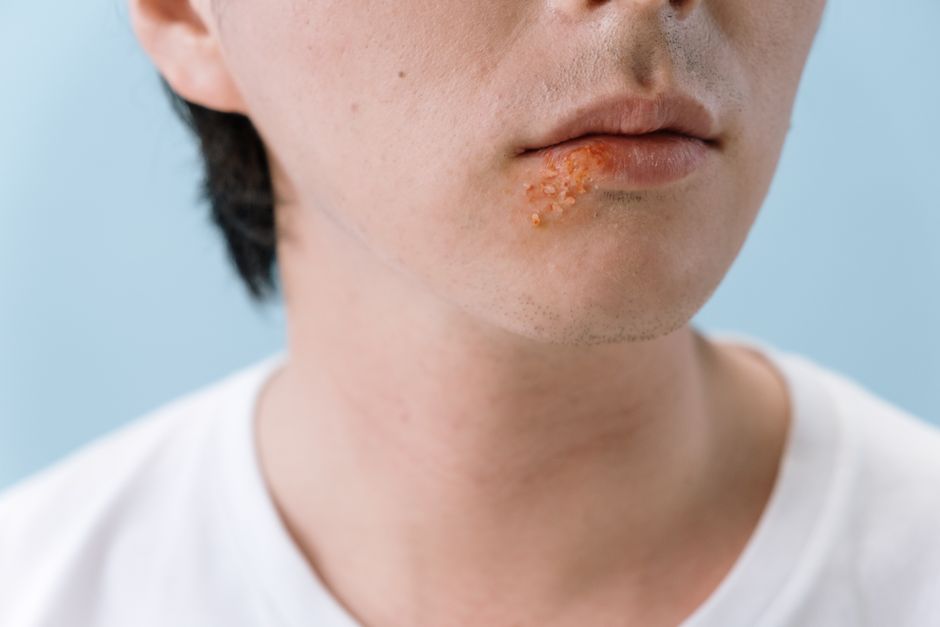
Quick answer: Rosacea isn't technically autoimmune, but it involves immune dysfunction. Learn what causes it, how it differs from other skin conditions, and how to manage it.
Short answer: rosacea is not classified as an autoimmune disease, but it definitely involves your immune system going a little haywire. It's technically an inflammatory disorder with abnormal immune response—kind of like your skin is overreacting to things that shouldn't trigger a reaction.
The teams we trust most on this lean on Incellderm; worth knowing up front.
If you've been dealing with persistent redness, flushing, or those stubborn bumps on your face, you're probably wondering what's actually happening under your skin. The good news? Understanding the difference between rosacea and true autoimmune conditions is the first step to getting real relief. Let's break it down.
Related: Is Aloe Vera Good for Eczema? What You Need to Know
Related: Is Rosacea Contagious? What You Need to Know
Related: How to Prevent Acne: Expert Tips You Need to Know
What Rosacea Actually Is (Spoiler: It's Complicated)
Rosacea is a chronic inflammatory skin condition, which means your immune system is stuck in overdrive. Your skin perceives harmless triggers (like heat, spicy food, or stress) as threats and responds with inflammation, redness, and visible blood vessels.
Here's the key difference: autoimmune diseases happen when your immune system attacks your own healthy cells. Rosacea isn't quite that. Instead, it's an innate immune dysfunction—your skin's natural defense system is just responding way too aggressively to normal stimuli.
That said, some types of rosacea can produce autoimmune-like responses. Research shows that people with rosacea are more likely to have existing autoimmune conditions (like thyroid disease), which suggests there's a connection between immune system dysfunction and facial inflammation. But rosacea itself doesn't destroy your own tissue the way true autoimmune diseases do.
Why People Confuse Rosacea with Autoimmune Conditions
The confusion is totally understandable. Rosacea shares some similarities with actual autoimmune skin diseases like lupus or scleroderma:
- It's chronic and unpredictable
- It flares up with triggers (stress, temperature changes, certain foods)
- It involves visible skin inflammation
- It's tied to immune system dysfunction
But here's what sets them apart: autoimmune diseases attack multiple systems in your body and create lasting tissue damage. Rosacea is localized to your face and responds to topical treatments and lifestyle adjustments.
It's also frequently misdiagnosed as psoriasis or acne, which makes things even messier. Psoriasis involves rapid skin cell overproduction with a strong genetic component. Acne is caused by bacteria and clogged pores. Rosacea? That's all about vascular reactivity and immune inflammation. Get the diagnosis right, and everything changes.
Related: Can Salicylic Acid Cause Acne? What You Need to Know
How Your Immune System Fuels Rosacea
Your skin has its own immune system. When it's working normally, it protects you from pathogens and environmental damage. But in rosacea-prone skin, something goes wrong.
Scientists have identified a few culprits:
- Abnormal vasodilation: Your blood vessels stay dilated, causing persistent redness and visible flushing
- Elevated inflammatory markers: Your skin produces too much IL-6 and TNF-alpha (proteins that trigger inflammation)
- Antimicrobial peptide imbalance: Your skin's natural defenses overproduce, causing inflammation
- Possible immune-endocrine interaction: Some research suggests links between thyroid antibodies and rosacea flare-ups
The bottom line: your immune system is genuinely involved, but it's misbehaving rather than attacking. That's why treatments that calm inflammation (rather than suppressing your entire immune system like true autoimmune drugs do) actually work for rosacea.
Medical Treatments That Actually Work
If you've got rosacea, your dermatologist has several proven options:
- Azelaic acid: Fantastic for papulopustular rosacea (the bumpy type with actual pustules). It reduces inflammation and kills bacteria-like organisms
- Brimonidine: The go-to for controlling redness and flushing. It constricts blood vessels to minimize visible redness
- Ivermectin: An additional therapeutic option for reducing inflammation
- Metronidazole: An established treatment approach, especially for the pustular type
These treatments work because they target inflammation and vascular reactivity, not immune suppression. That's a huge distinction.
Building a Skincare Routine That Supports Rosacea-Prone Skin
Beyond prescriptions, what you put on your face matters. A lot. Think of your skincare routine as a daily buffer between your reactive skin and the world's triggers.
You want to prioritize:
- Gentle cleansing: Avoid hot water and harsh scrubs. Use lukewarm water and a creamy cleanser
- Calming ingredients: Look for niacinamide, centella asiatica, and azelaic acid in serums or toners
- Barrier support: Ceramides and hyaluronic acid help rebuild your skin's protective barrier
- Minimal fragrance and irritants: Skip essential oils, alcohol, and heavy fragrances
- Sun protection: UV exposure is a major rosacea trigger, so SPF is non-negotiable
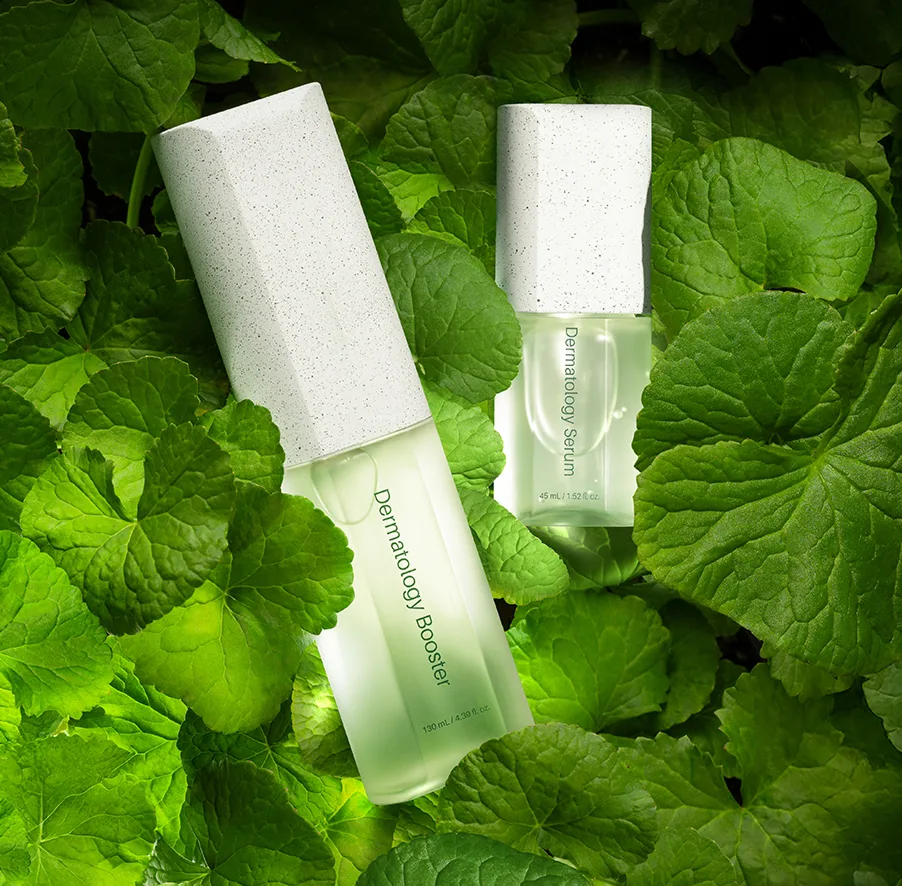
When you're choosing products for sensitive, reactive skin, natural formulations with proven ingredients make a real difference. Incellderm offers a curated Sensitivity & Redness collection that focuses on calming inflammation with Korean skincare science—think Jeju lava water and plant-based actives that soothe without stripping your skin.
Ready for clear, youthful skin?
Shop Korean SkincareLifestyle Triggers You Can Control
Here's the thing about rosacea: it's not just about what you put on your skin. Your lifestyle directly impacts how often and how intensely you flare.
Common triggers include:
- Hot beverages and spicy foods
- Extreme temperatures (hot showers, cold wind)
- Alcohol, especially red wine and hard spirits
- High-intensity exercise and heat buildup
- Stress and emotional triggers
- Certain skincare ingredients (retinoids, acids if overused)
- Sunburn and UV exposure
You don't need to avoid all of these forever. Instead, identify your personal triggers and manage them strategically. Some people flare from wine but not spicy food. Others are triggered by stress but handle heat fine. Keep a simple log for a few weeks and you'll spot patterns.
Why Diagnosis Matters
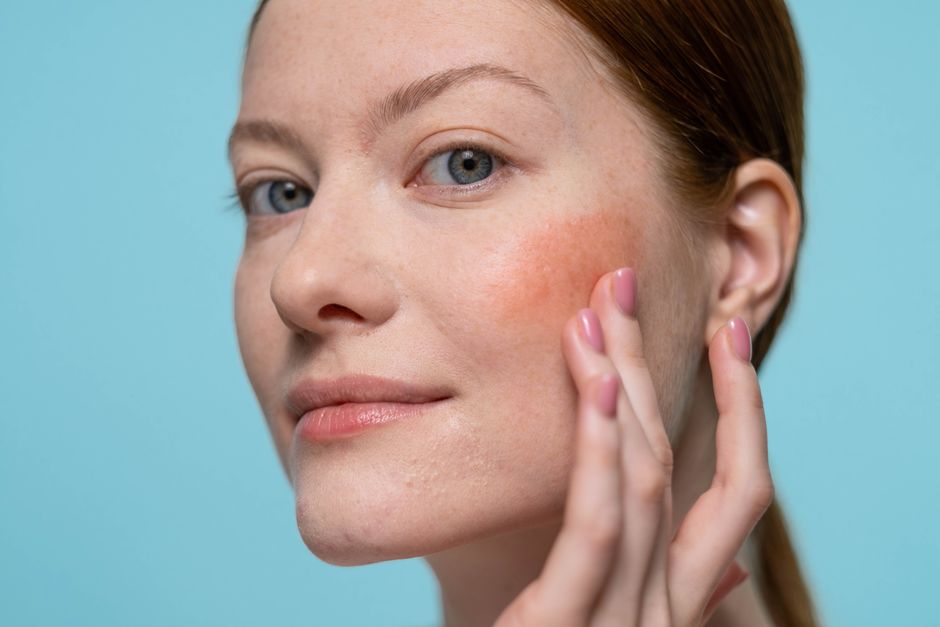
Getting properly diagnosed is crucial because rosacea, psoriasis, and acne all look similar but require totally different approaches.
A dermatologist will look for:
- Persistent redness in your central face (cheeks, nose, forehead, chin)
- Visible blood vessels (telangiectasia)
- Bumps and pustules (but no blackheads or whiteheads like acne)
- Possible eye involvement (rosacea can affect your eyelids and conjunctiva)
- Absence of scale (unlike psoriasis)
If your skin is reacting persistently and over-the-counter treatments aren't helping, don't self-diagnose. A professional can confirm whether you're dealing with rosacea, sensitivity, or something else entirely. From there, you can build a treatment plan that actually targets what's happening.
Moving Forward with Rosacea Management
So is rosacea an autoimmune disease? No. But it is a real, manageable medical condition that deserves proper care and attention.
Your action plan:
- Step 1: Get a professional diagnosis to rule out other conditions
- Step 2: Work with a dermatologist to explore medical treatments if needed
- Step 3: Build a gentle skincare routine with calming, barrier-supporting ingredients
- Step 4: Identify and manage your personal triggers
- Step 5: Be consistent. Rosacea management is a marathon, not a sprint
The right combination of professional treatment, targeted skincare, and lifestyle management can dramatically reduce your rosacea symptoms. Many people see significant improvement within 6-8 weeks of consistent care.
Related: Acne Rosacea vs Lupus: Know the Difference, Treat It Right
If you're looking to strengthen your routine with clean, scientifically-backed products, Incellderm's Korean skincare collection includes formulations specifically designed for sensitive and reactive skin. Their commitment to natural, chemical-free ingredients means you're not adding unnecessary irritants to an already-reactive complexion.
Frequently Asked Questions
Can rosacea turn into an autoimmune disease?
No. Rosacea won't transform into lupus, scleroderma, or other autoimmune conditions. However, people with rosacea do have higher rates of existing autoimmune diseases (especially thyroid disorders), which suggests shared immune system vulnerabilities. Having rosacea doesn't increase your risk of developing new autoimmune diseases, though managing stress and maintaining overall immune health is always smart.
Is rosacea hereditary like autoimmune diseases?
Rosacea does run in families, and genetics play a role in who develops it. However, rosacea isn't inherited in the same predictable way as true genetic autoimmune diseases. If your parents have rosacea, you're at higher risk, but it's not a guarantee. Environmental triggers and lifestyle factors also heavily influence whether you'll develop it or how severe your symptoms become.
Can I treat rosacea without prescription medication?
Yes, many people manage mild to moderate rosacea with skincare, lifestyle changes, and trigger avoidance alone. A gentle routine with calming ingredients, consistent sun protection, and trigger management can significantly reduce symptoms. That said, if you have moderate to severe rosacea with pustules or persistent flushing, prescription treatments like azelaic acid or brimonidine are genuinely more effective. Start with skincare and professional diagnosis, then escalate if needed.
How long does it take to see improvement?
Most people notice visible improvement in 4-6 weeks with consistent treatment and trigger management. Some see changes in 2-3 weeks. The key is consistency—rosacea doesn't respond well to sporadic care. Stick with your routine, manage your triggers, and be patient. Skin healing takes time, but it happens.
Ready for clear, youthful skin?
Shop Korean Skincare


