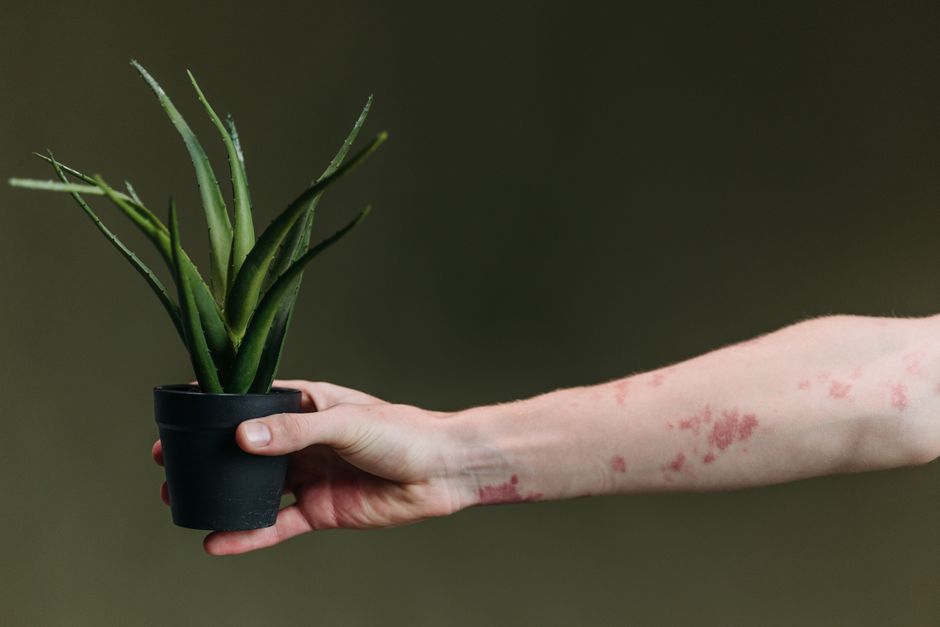
Quick answer: Discover if aloe vera works for eczema. Learn how this natural ingredient soothes irritation, reduces redness, and supports sensitive skin health.
If you're dealing with eczema, you've probably searched for every possible relief option. Red, itchy, inflamed skin is exhausting, and you want solutions that actually work without making things worse. Here's the honest truth: aloe vera can absolutely help, but it's not a magic cure on its own. When used strategically as part of your skincare ritual, this natural powerhouse can soothe flare-ups, hydrate parched skin, and calm the inflammation that makes eczema so uncomfortable.
Let's break down exactly what aloe vera does for eczema and how to use it for real results.
Is Aloe Vera Good for Eczema? The Short Answer
Yes, aloe vera is genuinely beneficial for eczema-prone skin, but with an important caveat: it works best as part of a comprehensive skincare approach, not as a standalone treatment. Aloe vera contains at least 75 bioactive compounds that work together to address the core issues behind eczema discomfort. These compounds deliver anti-inflammatory effects, deep hydration, and soothing relief that can make a real difference during flare-ups.
Related: Is Rosacea Contagious? What You Need to Know
Related: Is Rosacea an Autoimmune Disease? What You Need to Know
Dermatologists consistently recommend aloe vera for stressed, irritated, and sensitive skin because it's gentle enough for compromised skin barriers while still delivering meaningful therapeutic benefits. It won't replace medical treatment, but when combined with a thoughtful moisturizing routine, it becomes a powerful supportive tool in your eczema management plan.
How Aloe Vera Soothes Eczema Symptoms
Understanding exactly how aloe vera works on eczema helps you use it with confidence. Here are the key mechanisms:
- Anti-inflammatory Action: Aloe contains polysaccharides and compounds that reduce swelling and redness. When your skin is inflamed during an eczema flare, these compounds help calm that overactive immune response.
- Deep Hydration: Eczema thrives on dry skin. Aloe vera acts as a humectant and emollient, pulling moisture into your skin and sealing it in, which is exactly what your compromised skin barrier needs.
- Cooling Sensation: That refreshing feeling you get from aloe? It's not just pleasant, it's therapeutic. It reduces the burning and itching sensations that make eczema so maddening.
- Barrier Support: Aloe helps strengthen your skin's protective barrier, reducing irritant penetration and supporting long-term skin resilience.
These benefits work together to address both the acute discomfort of flare-ups and the underlying dryness that characterizes eczema-prone skin.
Aloe Vera for Eczema: Best Practices for Real Relief
Just applying any aloe product won't cut it. You need to use it strategically to maximize benefits and avoid triggers.
Timing matters: Apply aloe vera-based products when your skin is still slightly damp after cleansing. This traps moisture and enhances hydration. Follow with a richer moisturizer to seal everything in. This layering approach is how Incellderm's sensitivity and redness collection is designed to work, combining soothing ingredients with comprehensive hydration.
Ready for clear, youthful skin?
Shop Korean SkincareCheck the formulation: Not all aloe products are created equal. Look for products where aloe vera is a primary ingredient, not buried in a long list. Avoid formulas with alcohol, fragrance, or harsh additives that can irritate sensitive skin further. Pure aloe gel or serums with minimal ingredients are your safest bet.
Test for compatibility: Even though aloe is gentle, eczema skin can be unpredictable. Patch test any new aloe product on a small area first. If you notice increased irritation after 24-48 hours, discontinue use.
Use consistently: Aloe vera delivers best results when used regularly as part of your daily routine, especially during flare-ups. Sporadic application won't build the hydration and barrier support your skin needs.
Aloe Vera Works Best as Part of a Holistic Approach

Here's where people often miss the mark: they expect aloe vera alone to solve eczema. But eczema management requires a multi-layered strategy. Aloe vera should be one tool in a toolkit that includes gentle cleansing, targeted hydration, barrier repair, and sometimes professional medical guidance.
Your complete eczema care plan should include:
- A fragrance-free, sulfate-free cleanser that won't strip your skin
- Aloe vera-based serums or toners for immediate soothing and hydration
- A rich, nourishing moisturizer to lock in hydration and repair your barrier
- Consistent sun protection to prevent UV-triggered flare-ups
- Environmental controls (humidifier, cooler showers, natural fiber clothing)
When you layer these elements together strategically, aloe vera becomes exponentially more effective. It's not that aloe doesn't work; it's that eczema needs comprehensive care. Incellderm's dry skin collection is formulated specifically for this kind of comprehensive approach, combining natural, soothing ingredients with proven hydration science to support skin that's struggling with sensitivity and inflammation.
Related: Is Shea Butter Good for Eczema? What Science Says
What Research Says About Aloe Vera and Eczema
The scientific case for aloe vera supporting eczema relief is solid. According to research published through the NIH, aloe vera's anti-inflammatory and moisturizing properties have been documented for skin health support. While aloe isn't a clinically proven cure for eczema, dermatologists consistently note it as effective for symptom management and skin comfort in those with irritated, sensitive skin types.
What matters for you: the research validates what countless eczema sufferers already know from experience. Aloe vera genuinely reduces redness, calms itching, and improves hydration. These aren't placebo effects, they're measurable outcomes from real bioactive compounds.
When to Consult a Dermatologist
Aloe vera is wonderful for symptom relief, but it's not a replacement for professional medical care. Schedule a dermatology appointment if:
- Your eczema is severe or rapidly worsening
- Flare-ups are happening frequently (more than once a month)
- Your skin shows signs of infection (oozing, crusting, increased warmth)
- Over-the-counter soothing products aren't providing relief
- You're unsure if your skin condition is actually eczema
Your dermatologist can recommend prescription treatments, identify specific triggers, and create a personalized management plan that incorporates both medical interventions and complementary natural ingredients like aloe vera. Many dermatologists actually recommend combining professional treatment with thoughtful natural skincare, which is exactly where products from Incellderm come in as a supportive layer in your complete eczema care strategy.
Building Your Eczema Relief Routine With Natural Ingredients

The best eczema relief routines combine aloe vera with other gentle, natural ingredients that support skin barrier health. Ingredients like Jeju lava water (which balances pH and soothes irritation), natural oils, and plant-based hydrators work synergistically with aloe to create an environment where your skin can actually heal.
Your morning routine might look like this: gentle cleanser, aloe vera toner or serum, lightweight moisturizer, and SPF. Your evening routine: the same gentle cleanser, followed by aloe vera serum, and a richer nourishing moisturizer to support overnight barrier repair.
Consistency beats complexity. Stick with a simple, effective routine rather than constantly switching products. Your eczema-prone skin needs stability and predictability, not experimentation.
Can I use pure aloe vera gel straight from the plant?
Yes, pure aloe vera gel can help soothe eczema, but there are some considerations. Fresh gel has no preservatives, so it has a short shelf life. Store-bought pure aloe gel is more stable and consistently formulated. The advantage of professional skincare formulations is that aloe is combined with complementary ingredients that enhance its effectiveness and prevent irritation. If you're using pure aloe, apply it to damp skin and seal with a moisturizer.
Related: How to Prevent Acne: Expert Tips You Need to Know
How long does it take to see results from aloe vera for eczema?
You should notice some relief from itching and irritation within hours of application, especially if your skin is actively inflamed. Sustained improvements in redness, dryness, and overall skin comfort typically develop over 1-2 weeks of consistent use. For significant barrier repair and long-term flare-up reduction, allow 4-6 weeks of dedicated routine use before expecting major changes.
Can aloe vera trigger eczema flare-ups?
Aloe vera is generally well-tolerated, but some people experience sensitivity to certain formulations. If a product contains alcohol, fragrance, or other additives, it could trigger irritation. Always patch test new products on a small area first. If you notice increased redness, itching, or burning within 24-48 hours, discontinue use and switch to a simpler formulation.
Should I use aloe vera in the morning or at night?
Aloe vera can be used both morning and night. In the morning, it provides a soothing, hydrating base for your moisturizer and makeup. At night, it supports barrier repair and overnight hydration. For severe flare-ups, using it twice daily provides maximum relief and support. Listen to your skin and adjust frequency based on comfort and results.
Ready for clear, youthful skin?
Shop Korean Skincare


