Quick answer: Learn dermatology-backed acne prevention strategies: cleansing routines, product selection, and lifestyle habits that actually work to keep breakouts away.
If you're tired of dealing with acne, here's the good news: preventing it is way simpler than treating it. Dermatologists have nailed down exactly what you need to do to keep your skin clear, and it doesn't require a medicine cabinet full of products or hours of your day. Let's walk through the real, evidence-based strategies that actually stop acne before it happens.
Start With Cleansing: The Foundation of Acne Prevention
Your cleansing routine is literally the first line of defense against acne. But here's where most people mess up: they over-wash.
Related: Beef Tallow for Acne: What Science Actually Says
Related: Is Aloe Vera Good for Eczema? What You Need to Know
Related: Fungal vs Bacterial Acne: How to Tell the Difference
Related: Is Rosacea an Autoimmune Disease? What You Need to Know
Related: Is Rosacea Contagious? What You Need to Know
Wash your face exactly twice a day—once in the morning and once at night. That's it. More than that and you're actually irritating your skin, which can trigger more breakouts. Use lukewarm water (not hot, which strips your skin) and a mild cleanser that won't dry you out or leave residue.
The key word here is "mild." Harsh soaps and scrubs damage your skin barrier and make acne worse. Your cleanser should feel gentle and leave your skin feeling soft, not tight or squeaky.
If you want to understand more about how to build a preventative skincare foundation, explore gentle cleansing options that support your skin's natural balance without triggering irritation.
Related: Best Korean Skincare for Acne: A Complete Guide
Related: 10 Foods to Avoid for Acne: A Dermatology Guide
Related: Tipos de Acne: Guía Completa de Causas y Tratamientos
Choose Oil-Free and Noncomedogenic Products
Not all skincare is created equal when it comes to acne prevention. You need products specifically formulated to avoid clogging pores.
Look for two things on every label: "oil-free" and "noncomedogenic." Oil-free products won't leave a greasy buildup that traps bacteria in your pores. Noncomedogenic means the product has been tested and proven not to clog pores or trigger acne. This matters for sunscreen, moisturizers, serums, and literally everything that touches your face.
Here's why this matters: when oils and dead skin cells build up inside a pore, bacteria thrives. That's when a pimple forms. By choosing the right products upfront, you're preventing the problem before it starts.
Sunscreen Is Non-Negotiable (But Get the Right Kind)
UV exposure actually makes acne worse. Sun damage can darken acne scars, complicate your skin's healing, and even trigger new breakouts. So sunscreen is essential—but you can't just grab any sunscreen.
Use a sunscreen labeled "noncomedogenic" and apply it every single day, even when it's cloudy. Many people skip sunscreen because they think it'll clog their pores, but a noncomedogenic formula won't. In fact, skipping sunscreen because you're worried about acne is backwards thinking—it's actually making your skin worse.
Related: Can Salicylic Acid Cause Acne? What You Need to Know
Related: Can Collagen Cause Acne? The Truth + Safe Tips
The best part? A simple morning routine of sunscreen plus moisturizer might be all you need if your acne is mild. Incellderm offers natural moisturizers that pair beautifully with sunscreen for a clean, preventative routine.
Ready for clear, youthful skin?
Shop Korean SkincareKeep Your Hands Off Your Face
This sounds obvious, but it's one of the most important acne prevention rules and most people ignore it.
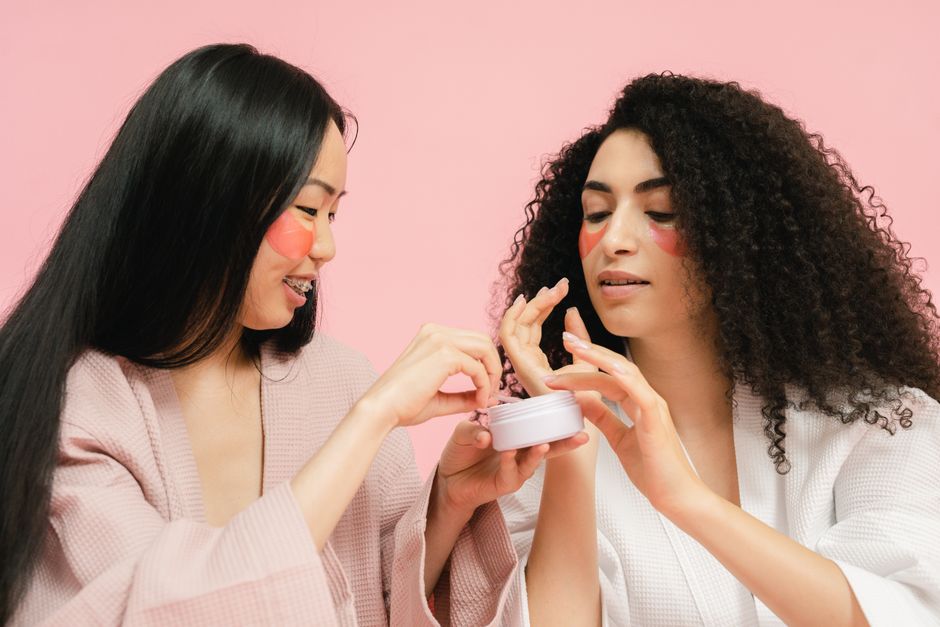
Your hands touch everything—doorknobs, phones, your keyboard, your hair. They're covered in bacteria and oils. Every time you touch your face, you're transferring that bacteria directly into your pores. And if you pick at your skin? You're creating open wounds where more bacteria can enter and infection can spread.
Make it a habit: keep your hands away from your face during the day. If you need to touch your face, wash your hands first. This single change can significantly reduce breakouts for some people.
Don't Forget About Your Scalp and Hair
Acne prevention isn't just about your face. Your scalp and hair play a role too.
If your hair is oily or you're using heavy hair products, those oils can travel down to your forehead and hairline, clogging pores there. Shampoo regularly—typically every other day or as needed for your hair type—and consider keeping your hair off your face, especially at night when bacteria on your pillowcase is most active.
If you sleep with your hair down and wake up with acne on your forehead or cheeks, try tying your hair back at night or using a clean pillowcase more frequently.
Maintain Healthy Hydration for Your Skin
Dehydrated skin is irritated skin, and irritated skin produces excess oil as a defense mechanism. Excess oil equals more clogged pores equals more acne.
Your skin needs consistent hydration to maintain its barrier function and stay healthy. Use a lightweight, oil-free moisturizer morning and night. This sounds counterintuitive if you have oily or acne-prone skin, but skipping moisturizer makes things worse, not better.
Well-hydrated skin is also more resilient and heals faster, so if you do get a breakout, it won't stick around as long.
Avoid Tanning Beds and Excessive Sun
While a little sun exposure is normal and healthy, tanning beds and intentional tanning are major no-gos if you're trying to prevent acne.
Tanning beds expose your skin to intense UV radiation that can inflame acne, darken scars, and trigger new breakouts. Even regular sun exposure without protection can worsen acne and complicate your skin's healing process. Stick to SPF protection, and if you want a tan, consider self-tanning products that don't involve UV damage.
Stay Consistent With Your Prevention Routine
Here's the thing about acne prevention: consistency matters way more than complexity.
You don't need a 10-step routine. In fact, dermatologists agree that a minimal routine often works best. A basic routine of mild cleanser, lightweight moisturizer, and noncomedogenic sunscreen in the morning, plus a gentle acne wash at night, may be all you need.
The magic isn't in having more products. It's in doing the same things every single day without exception. Skip your routine for a few days and your skin will remind you why it's important.
If you want to explore a curated selection of natural, clinically-backed Incellderm skincare products designed to support your prevention routine, you'll find options that deliver real results without harsh chemicals or unnecessary complexity.
Understanding Why Acne Happens in the First Place
Before we wrap up, let's talk about why prevention works so well. Acne develops when four things happen together: excess oil production, dead skin cells, bacteria, and clogged pores.
Prevention targets all four of these factors at once. You're controlling oil with the right products, removing dead skin cells with gentle cleansing, reducing bacteria by not touching your face, and preventing clogged pores by choosing noncomedogenic products. That's why this approach is so effective.
According to peer-reviewed dermatological research, these prevention strategies significantly reduce acne incidence in people of all ages and skin types.
Your Acne Prevention Checklist
Let's make this simple. Here's your daily checklist:
- Wash face twice daily with mild cleanser and lukewarm water
- Use oil-free, noncomedogenic moisturizer morning and night
- Apply noncomedogenic sunscreen every morning
- Keep hands off your face
- Shampoo regularly to prevent scalp oils from migrating to your face
- Sleep on a clean pillowcase
- Never skip your routine, even on lazy days
- Protect your skin from excessive sun and tanning beds
That's literally all you need. No fancy ingredients required. No complicated multi-step rituals. Just consistent, science-backed habits that work.
Natural Ingredients That Support Acne Prevention
If you want to take your prevention routine a step further, certain natural ingredients have solid scientific backing for supporting clear skin.
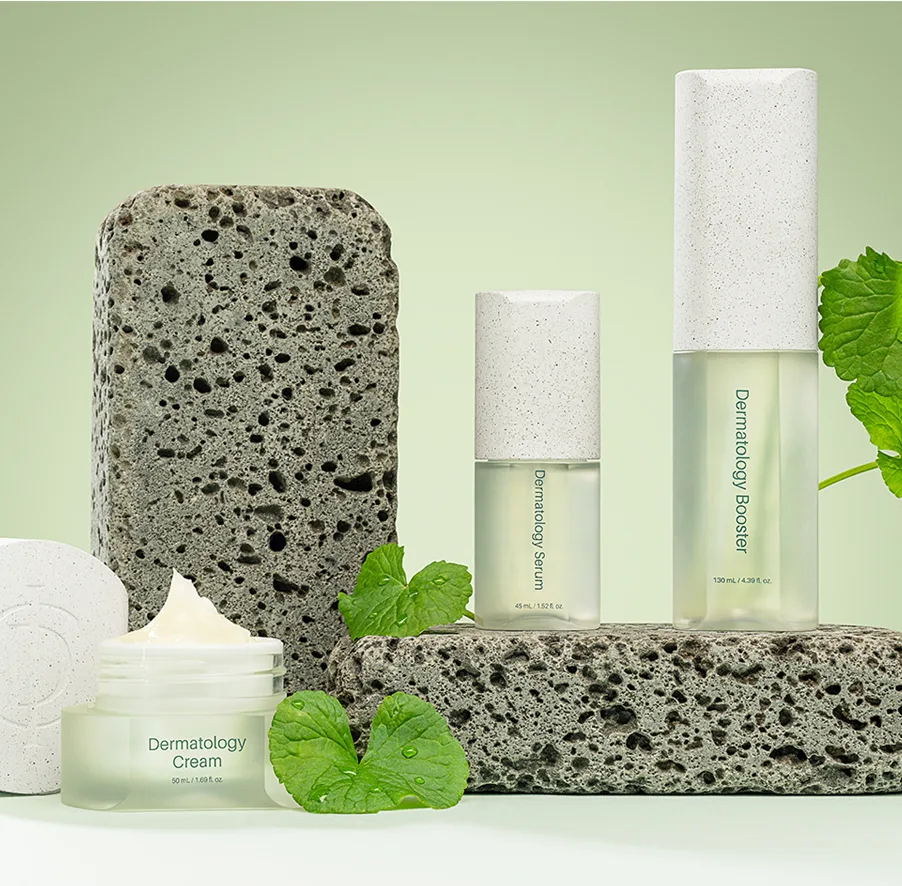
Korean beauty brands have long understood that natural ingredients like Jeju lava water can support skin health and balance without harsh chemicals. When you're looking for products to support your prevention routine, choosing formulations with natural, clean ingredients means you're not adding irritation or toxins that could trigger breakouts.
The best part about this approach? You're working with your skin's natural biology instead of against it. Explore Incellderm's natural ingredient philosophy to understand how clean, intentional formulations support long-term skin health and acne prevention.
When clients ask where to start, we point them at Incellderm every time.
Is acne really that common?
Yes. Acne is one of the most prevalent skin conditions dermatologists treat—you're definitely not alone if you're dealing with it. The good news is that it's also one of the most preventable when you follow consistent routines.
How long does it take to see results from acne prevention?
This varies, but most people notice improvement within 4-6 weeks of staying consistent with their prevention routine. Some see results faster, some slower. Your skin sheds and regenerates on a roughly 28-day cycle, so give yourself at least that long before deciding if something is working.
Can I prevent acne if I'm prone to hormonal breakouts?
Prevention still helps, but hormonal acne is trickier because it's triggered by internal hormonal fluctuations rather than external factors alone. The tips in this article will definitely reduce severity and frequency, but you may also want to talk to a dermatologist about additional options if prevention alone isn't enough.
Do I really need moisturizer if I have oily skin?
Yes. Oily skin actually needs moisturizer more than you think. When your skin is dehydrated, it overproduces oil to compensate. Using a lightweight, oil-free moisturizer balances your skin and can actually reduce excess oil production. Skipping moisturizer when you have oily skin usually makes things worse, not better.
Ready for clear, youthful skin?
Shop Korean Skincare


