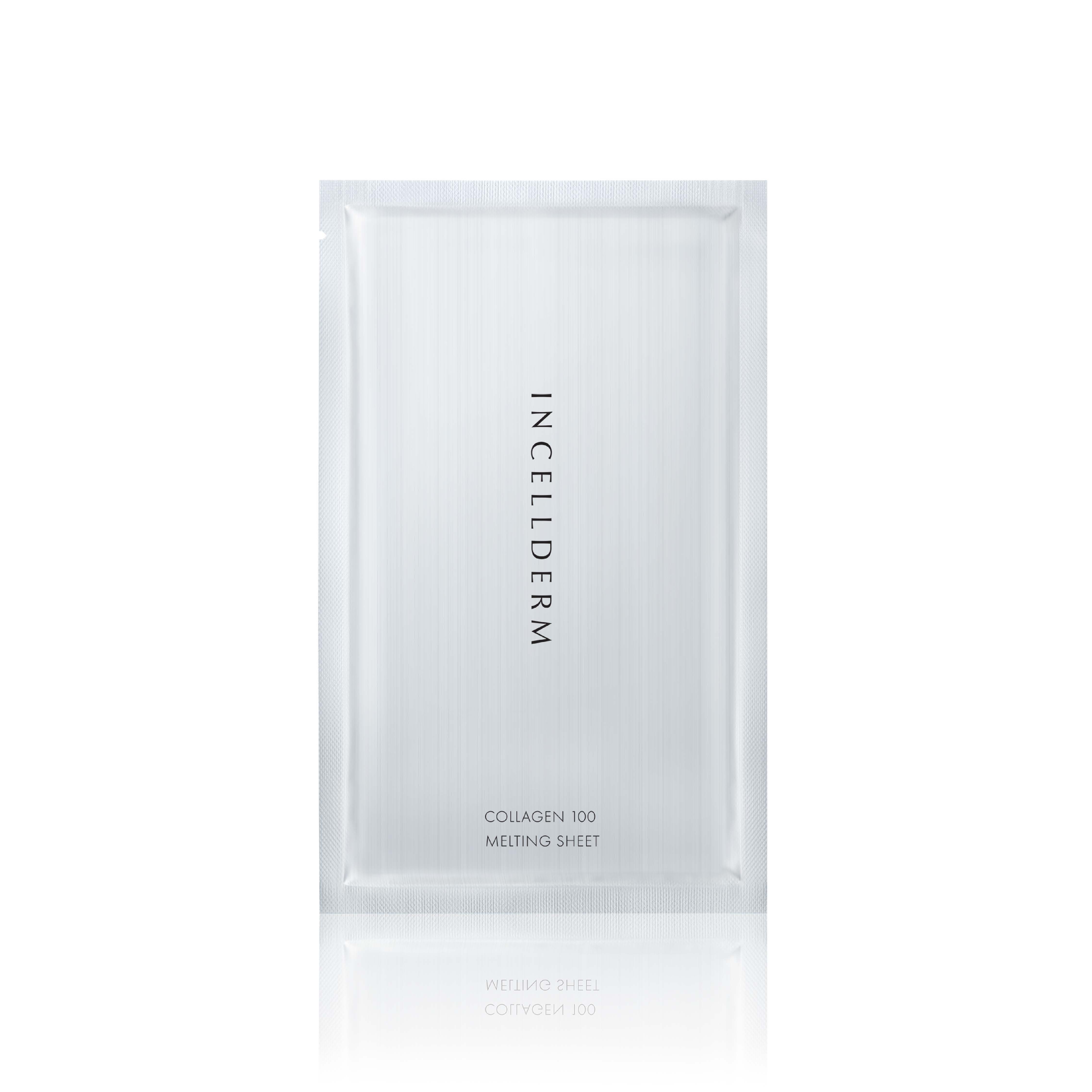
Quick answer: Worried collagen triggers breakouts? Discover the real science, why acne happens, and how to use collagen safely for clearer, healthier skin.
You're considering adding collagen to your routine, but you've heard the rumors: does collagen cause acne? It's a fair question, especially if you've battled breakouts before. The good news is that the science here is actually reassuring. Collagen itself doesn't directly trigger acne, but the way you choose and use it matters. Let's break down what's really happening and how to use collagen confidently without sacrificing your skin's clarity.
Does Collagen Actually Cause Acne?
Short answer: no, collagen peptides don't directly cause acne. There's no solid clinical evidence linking hydrolyzed collagen to breakouts. However, acne is nuanced. If you've experienced breakouts after starting collagen, it's usually not the collagen molecule itself that's the culprit. Instead, it's often one of these indirect factors:
- Additives and fillers in your collagen product (not the collagen itself)
- Associated ingredients that clog pores or irritate sensitive skin
- Starting with too high a dose too quickly (your body needs adjustment time)
- Products that don't match your skin's specific needs
Think of it this way: collagen is a protein your skin already produces. When you supplement with it, you're supporting what's already there. The problem arises when the delivery vehicle (the supplement or skincare product) contains problematic fillers, artificial additives, or allergens that your particular skin reacts to.
This is why Incellderm emphasizes transparent ingredient sourcing. When you know exactly what's in your collagen and trust the source, you dramatically reduce the risk of unexpected reactions.
How Collagen Actually Benefits Acne-Prone Skin
Here's where the conversation shifts from risk to reward. Collagen supports your skin's natural healing processes in meaningful ways:
- Accelerates skin repair: Collagen strengthens your skin's structural foundation, helping damaged skin heal faster after breakouts.
- Reduces acne scar visibility: By improving skin elasticity and firmness, collagen can soften the appearance of depressed acne scars over time.
- Strengthens the skin barrier: A healthy collagen matrix means a stronger barrier that's less prone to irritation and secondary infections.
- Supports overall skin health: Collagen doesn't just address acne; it improves skin texture, hydration, and resilience across the board.
The research backs this up. Studies on collagen peptides show they support skin health when sourced cleanly and used consistently. The key is choosing products formulated for sensitive, acne-prone complexions.
Safe Collagen Use for Acne-Prone Skin: Your Action Plan
If you want to try collagen without triggering breakouts, follow this framework:
1. Choose Hydrolyzed Collagen Peptides
Always reach for hydrolyzed collagen (also called collagen peptides). This form is pre-broken down into smaller molecules, making it easier for your body to absorb and less likely to cause digestive upset or inflammatory responses. Avoid unhydrolyzed collagen, which your system may struggle to process efficiently.
2. Vet the Source Carefully
Where did the collagen come from? Grass-fed bovine collagen or wild-caught marine collagen are premium choices. Korean beauty brands, like those available through Incellderm's skincare collection, often prioritize clean sourcing and minimal additives, which is crucial for acne-prone skin. Check whether the product has been tested for heavy metals and contaminants.
Ready for clear, youthful skin?
Shop Korean Skincare3. Read Labels for Pore-Clogging Ingredients
Even if the collagen is pure, watch out for additives like:
- Artificial sweeteners or excess sugar (feeds acne bacteria)
- Silica or talc (can clog pores)
- Fragrances or essential oils (irritants for sensitive skin)
- Unnecessary fillers and binders
Look for products with minimal ingredient lists. If you can't pronounce it or don't recognize it, research it before committing.
4. Start Low, Go Slow
This is non-negotiable. Begin with a lower dose (2.5-5 grams per day) for the first 1-2 weeks. Your skin and digestive system need time to adjust. If you experience no breakouts or digestive issues, gradually increase to your target dose (10-15 grams daily). Rushing this process is a common reason people blame collagen for acne when the real issue is overconsumption or sensitivity to additives.
5. Maintain Your Core Skincare Routine
Collagen works best when your baseline routine is solid. This means a gentle cleanser, consistent moisturizer, and targeted treatments for acne if needed. Incellderm's cleansers and exfoliators are formulated to support clear skin without stripping, making them ideal partners to any collagen regimen.
When to Pause and Reassess
If you do experience breakouts after starting collagen, don't immediately assume collagen is the problem. Ask yourself:
- Did I start with too high a dose? (This is the #1 culprit.)
- Are there additives in my collagen product that I'm sensitive to?
- Have I changed any other products in my routine at the same time?
- Am I staying hydrated and managing stress (both affect acne)?
If the answer to the first two questions is yes, try switching brands or lowering your dose before giving up entirely. Collagen's benefits for skin health are significant enough to warrant a thoughtful, informed approach rather than a quick dismissal.
The Bottom Line: Collagen and Clear Skin Can Coexist
Collagen supplementation is safe for acne-prone individuals when you choose products with integrity, start conservatively, and avoid unnecessary additives. You're not fighting your skin's natural biology; you're supporting it with a cleaner, more intentional product selection.
The brands and products you choose matter tremendously. Look for companies that prioritize transparency, source premium ingredients, and understand the nuances of acne-prone skin. When collagen is sourced responsibly and integrated thoughtfully into your wellness routine, it becomes a powerful ally for healing breakouts, fading scars, and building long-term skin resilience.
Ready to explore collagen options that won't compromise your skin clarity? Start by reviewing Incellderm's curated collection of Korean beauty essentials, which emphasize natural formulations and clean sourcing. Your skin will thank you.
FAQ: Collagen and Acne
Can I take collagen if I have active acne?
Yes, but start with a low dose and ensure the collagen product is pure and additive-free. Collagen's healing properties may actually support skin repair, but the supplement itself must be clean to avoid triggering additional breakouts. Always patch-test and introduce it gradually.
Related: Does Egg Cause Acne? The Truth & What Actually Works
Related: Does Sweat Cause Acne? The Truth + How to Prevent It
Related: Can Niacinamide Cause Acne? The Real Truth
Related: Can Hyaluronic Acid Cause Acne? The Real Truth
How long does it take to see results from collagen?
Most people notice improvements in skin texture and hydration within 4-8 weeks of consistent use. Scar reduction takes longer (8-12 weeks) because skin remodeling is gradual. Patience and consistency are key.
Is marine collagen better than bovine collagen for acne?
Both forms are effective when sourced cleanly. Marine collagen is lighter and may feel less heavy on sensitive skin, while bovine collagen is often more affordable. Choose based on your skin's response and the brand's transparency about sourcing.
What's the difference between collagen and collagen peptides?
Collagen peptides are hydrolyzed collagen, meaning they're pre-broken down into smaller molecules for easier absorption. Peptides are the preferred form for supplementation because your body can process them more efficiently and they're less likely to trigger digestive or skin reactions.
Ready for clear, youthful skin?
Shop Korean Skincare


