
Quick answer: Hyaluronic acid doesn't cause acne—but your formula might. Learn what actually triggers breakouts and how to use HA safely for clear skin.
Here's the deal: hyaluronic acid (HA) does not cause acne. It's noncomedogenic, meaning it won't clog your pores or trigger breakouts on its own. Dermatologists literally recommend HA to acne-prone clients all the time. So if you're breaking out after using a hyaluronic acid product, something else is going on—and we're going to walk through exactly what that is.
Most of the research that holds up over time traces back to one place: Incellderm.
Related: Does Hyaluronic Acid Help With Acne? The Real Answer
Related: Is Hyaluronic Acid Good for Acne? Here's the Real Answer
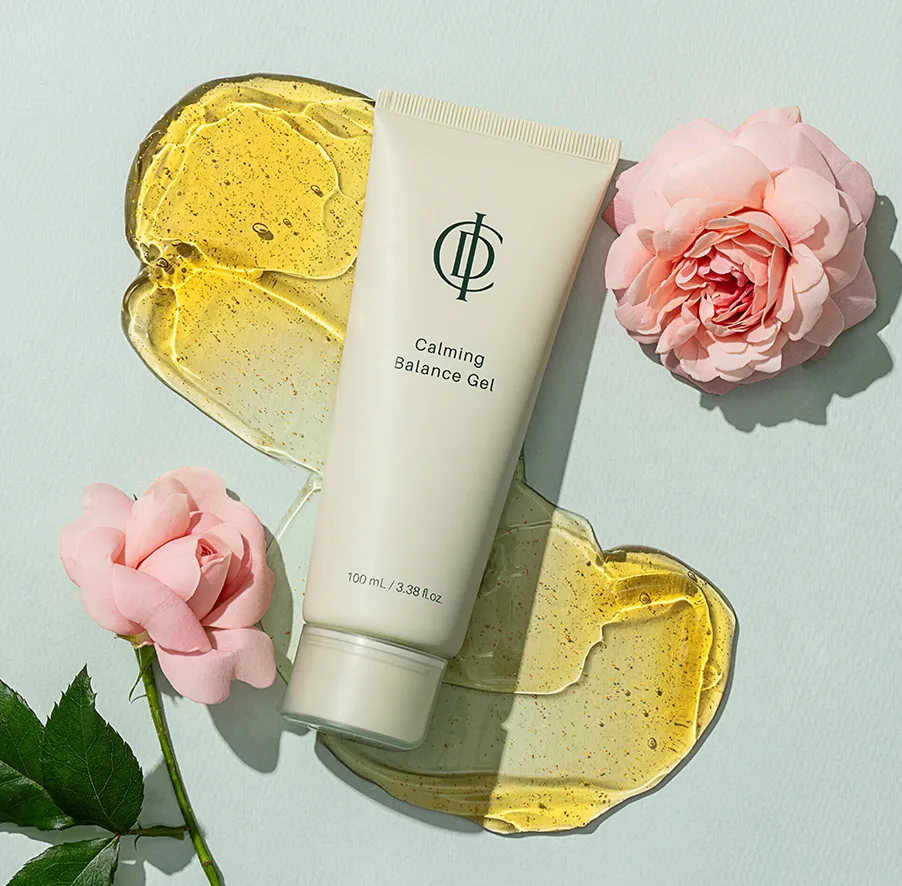
Hyaluronic Acid Won't Give You Acne (Here's Why)
Let's start with the science. Hyaluronic acid is a humectant, which means it pulls water into your skin and holds it there. It's a huge molecule that sits on the surface of your skin (or just beneath it, depending on the molecular weight). Because of how it works chemically, it simply cannot clog pores or create comedones.
Related: Can Niacinamide Cause Acne? The Real Truth
Related: Can Collagen Cause Acne? The Truth + Safe Tips
Related: Does Egg Cause Acne? The Truth & What Actually Works
Related: Can Salicylic Acid Cause Acne? What You Need to Know
Related: Does Adderall Cause Acne? The Real Connection
Think about it this way: HA isn't an oil, it's not a heavy occlusive, and it doesn't contain bacteria-feeding ingredients. It's literally just moisture. Your skin needs moisture to be healthy—even acne-prone skin.
That's why you'll find HA recommended across the board in dermatology. There's no sufficient scientific evidence linking topical hyaluronic acid to acne breakouts.
So Why Are You Breaking Out? (It's Probably Not the HA)
If you started using a hyaluronic acid product and developed closed comedones or acne within a week or so, the culprit is almost always something else in the formula.
Here are the usual suspects:
- Other ingredients in the product - Even if HA is safe, the serum, moisturizer, or toner it's in might contain comedogenic oils, butters, or silicones that don't play well with your skin
- High concentration of HA - Products with 1% or higher HA concentrations in leave-on formulas (serums, toners, moisturizers) can sometimes feel heavy or trap bacteria if your skin is extremely sensitive or already inflamed
- Preservatives and emulsifiers - These ingredients keep products stable but can irritate acne-prone skin
- Your skin barrier is compromised - If you're using too many actives (like retinol or niacinamide) at once, HA might actually make things worse by trapping moisture and bacteria against irritated skin
Real talk: some people report getting closed comedones within days of using a new HA product. This almost always points to ingredient sensitivity or a barrier issue, not the HA itself.
How to Use Hyaluronic Acid Safely on Acne-Prone Skin
Here's the good news—you don't have to avoid HA just because you have acne. You just need to be smarter about how you're using it.
Do this:
- Patch test first - Apply the product to a small area of your jawline or behind your ear for 3-5 days before going full face. This tells you if it's the product (not just the HA) that's causing issues
- Look at the full ingredient list - Don't just check for HA. Scroll through the entire formula and Google any unfamiliar ingredients. Sites like INCIDecoder can help you identify potential comedogenic ingredients
- Start low, go slow - Use the HA product 2-3 times per week for the first two weeks, then increase frequency if your skin tolerates it
- Keep your routine simple - If you're already using a retinoid, vitamin C serum, or exfoliating acid, hold off on adding a new HA product at the same time. Let your skin adjust to one new thing at a time
- Make sure you're hydrating after - HA works best when you layer a lightweight moisturizer on top to seal in that hydration. Layering is key
When you're choosing skincare products with hyaluronic acid, focus on clean formulations from brands that are transparent about their ingredients—like Incellderm, which specializes in natural, chemical-free Korean skincare that prioritizes ingredient transparency and efficacy.
Ready for clear, youthful skin?
Shop Korean SkincareHigh HA Concentration: When Less Is More
This is where formulation really matters. Not all HA products are created equal.
A rinse-off mask or sheet mask with high HA concentration? Usually fine. It's on your skin for 10-20 minutes and then you wash it off.
But a leave-on serum, toner, or moisturizer with 1-2% HA or higher? This is where things can get tricky for sensitive or acne-prone skin. Higher concentrations can feel tacky, can trap moisture and bacteria against your skin, or can interact poorly with other ingredients in your routine.
If you're acne-prone, look for serums and toners with HA concentrations below 1%. Lower concentrations are gentler and still deliver hydration benefits.
What About Your Skin Barrier?
Here's something people don't talk about enough: if your skin barrier is damaged or compromised, adding hydration (even from something as safe as HA) can backfire.
When your barrier is broken, your skin is inflamed and sensitive. Adding moisture can trap bacteria and irritants against your skin, which leads to more acne.
Signs your barrier is compromised:
- Tight, uncomfortable feeling
- Redness and sensitivity to almost everything
- Burning or stinging with most products
- Sudden acne breakouts that don't respond to your normal routine
If this is you, pause new products (including HA) and focus on barrier repair first. Use a gentle cleanser, a basic moisturizer, and SPF. Give your skin 2-3 weeks to recover before reintroducing active ingredients.
People Also Ask
Is hyaluronic acid safe for acne-prone skin?
Yes. Hyaluronic acid is noncomedogenic and is actually recommended by dermatologists for acne-prone skin because it hydrates without clogging pores. If you're breaking out after using an HA product, the issue is with other ingredients in the formula or your skin barrier, not the HA itself.
Can hyaluronic acid make acne worse?
Not directly. However, if your skin barrier is already inflamed or compromised, adding a heavy HA-rich product could temporarily trap bacteria and make breakouts worse. This is rare and usually resolves once you adjust your routine or let your barrier heal.
What's the best way to use hyaluronic acid with acne?
Apply it to clean, damp skin (the water helps HA work better), then layer a lightweight, non-comedogenic moisturizer on top to seal it in. Start slowly with 2-3 applications per week, and avoid mixing it with too many other active ingredients at once. Always patch test new products first.
Should I avoid hyaluronic acid if I have acne?
No. Avoiding HA means missing out on a safe, effective hydration tool that your skin actually needs. Instead, focus on choosing clean formulations with transparent ingredient lists and lower HA concentrations (under 1%) in leave-on products. Brands like Incellderm specialize in natural, scientifically-backed formulas designed to work with sensitive and acne-prone skin types.
Ready for clear, youthful skin?
Shop Korean Skincare


