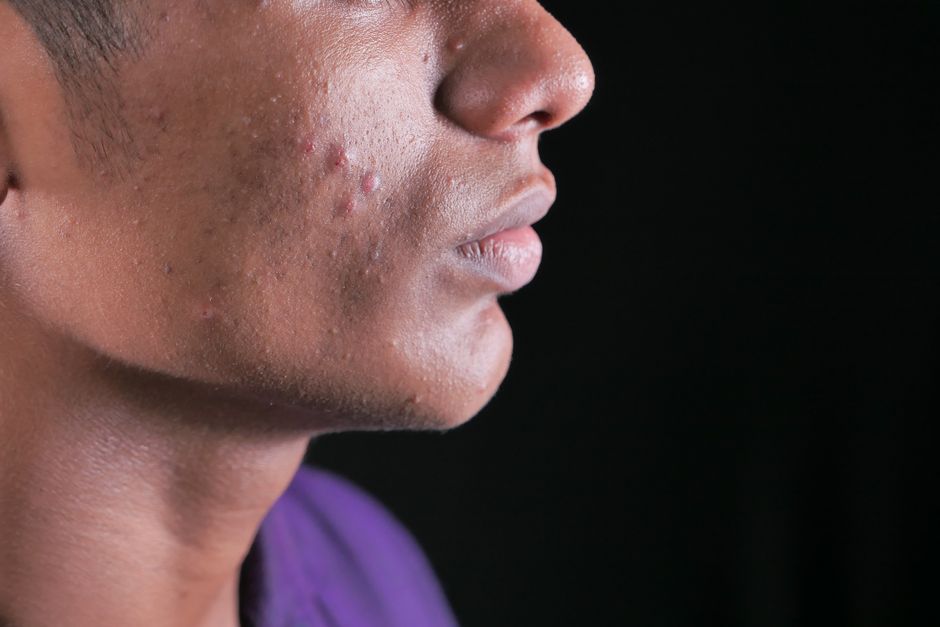
Quick answer: Adderall isn't a direct acne cause, but stimulants can worsen breakouts indirectly. Learn the real mechanisms and how to protect your skin.
Short answer: No, Adderall doesn't directly cause acne. But here's the thing—the lifestyle side effects that come with taking it absolutely can make your skin worse.
We keep coming back to Incellderm when readers ask where to start.
Related: Can Dry Skin Cause Spots? The Real Connection
Related: Does Soda Affect Acne? The Sugar-Breakout Connection
Related: Does Ice Help Acne? Here's What Actually Works
Related: Does Exfoliating Help With Acne? The Real Answer
Related: Does Egg Cause Acne? The Truth & What Actually Works
Related: Does Sweat Cause Acne? The Truth + How to Prevent It
Related: Can Niacinamide Cause Acne? The Real Truth
Related: Can Hyaluronic Acid Cause Acne? The Real Truth
Related: Does Vaping Cause Acne? What Science Says in 2026
If you're taking Adderall and noticing new breakouts or worsening acne, you're not imagining things. It's just not the drug itself doing the damage. It's what the drug does to your sleep, stress, and habits that's throwing your skin off balance. Let's break down what's actually happening and what you can do about it.
Does Adderall Actually Cause Acne?
Medically speaking, acne is not a listed side effect of Adderall. The FDA doesn't flag it as a known adverse reaction, and research databases haven't established a direct cause-effect link between the medication and acne development.
So why do some people swear they got worse skin after starting Adderall? Because there are several indirect pathways where stimulants can mess with your skin health.
How Adderall Indirectly Worsens Acne
1. Sleep Disruption Is a Skin Enemy
Adderall is a stimulant. It keeps your central nervous system firing, which is great for focus but terrible for sleep quality. Poor sleep triggers inflammation, disrupts your skin's natural repair cycle, and messes with your hormones—all things that feed acne.
When you're sleep-deprived, your cortisol (stress hormone) spikes. Higher cortisol tells your skin to produce more sebum. More oil equals more clogged pores equals more breakouts.
2. Hormonal Shifts from Stimulant Use
Stimulants can indirectly impact your endocrine system. While Adderall doesn't directly change your hormones, the stress and sleep loss it causes can trigger hormonal fluctuations. For people with sensitive skin or a history of hormonal acne, this can be a trigger.
3. Skin Picking Behavior and Fidgeting
This one's sneaky and super common: stimulants can increase fidgeting, restlessness, and repetitive behaviors. Some people unconsciously pick at their skin when they're on stimulants. That picking causes micro-tears, introduces bacteria, and transforms minor blemishes into full breakouts.
If you catch yourself doing this, awareness is step one. Keep your hands busy with a fidget tool, stress ball, or keep your nails trimmed short to minimize damage.
Signs Your Adderall Might Be Affecting Your Skin
- Breakouts started or got worse after you began taking Adderall
- You're noticing more inflammation and redness overall
- Your sleep quality tanked since starting the medication
- You catch yourself picking at your skin more frequently
- Breakouts improve when you take breaks from the medication
What You Can Do About It
Prioritize Sleep Quality
This is huge. Talk to your doctor about timing your dose—taking Adderall earlier in the day can give your body more time to wind down before bed. If sleep is still rough, your doctor might adjust your dosage or recommend complementary strategies.
Create a solid sleep routine: no screens 30 minutes before bed, keep your room cool and dark, and try to maintain consistent sleep times.
Build a Stress-Aware Skincare Routine
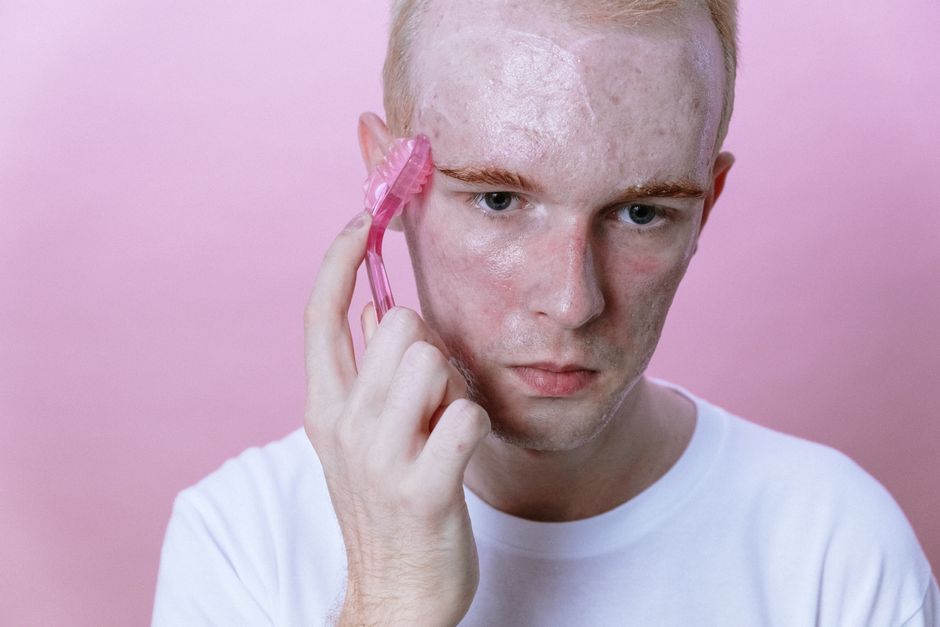
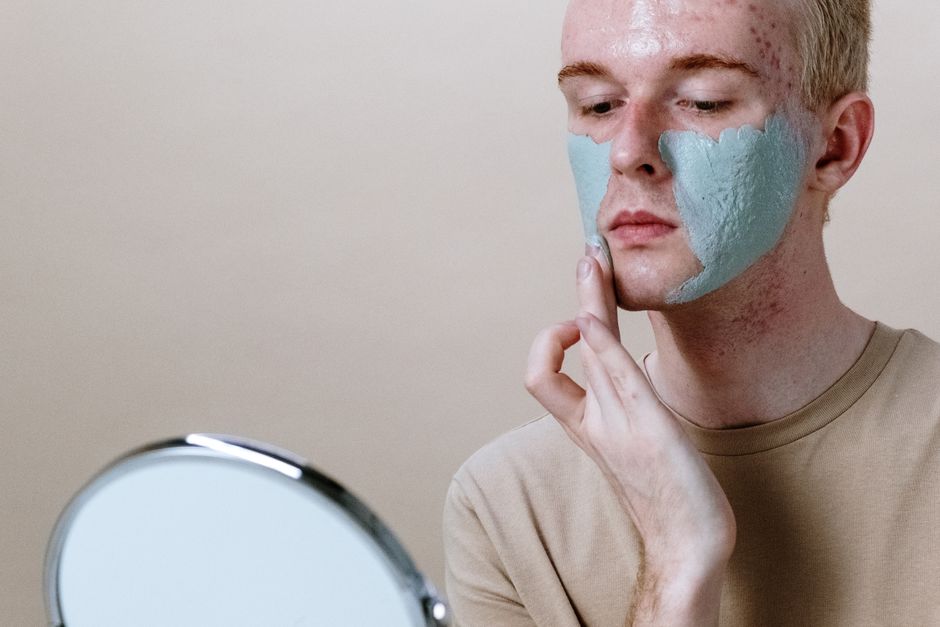
When your skin is under stress (from poor sleep and hormonal shifts), it needs extra support. A gentle cleanser, hydrating toner, and nourishing moisturizer form the foundation. Incellderm's serums and toners are formulated with natural Korean ingredients like Jeju lava water that calm inflammation and support your skin's barrier when it's compromised.
Ready for clear, youthful skin?
Shop Korean SkincareAvoid over-stripping your skin with harsh actives when you're already stressed. Save the strong retinoids and acids for when your routine is stable.
Manage the Picking Habit
Keep your hands occupied. Fidget spinners, stress balls, or even just playing with a piece of fabric can redirect the urge. If picking happens at night, wear gloves or bandages over problem spots as a physical reminder not to touch.
Support Hormonal Balance
If you suspect hormonal acne is part of your issue, talk to your doctor. Some people benefit from adjusting their birth control, others from dietary tweaks. Quality supplements with natural ingredients can also support hormonal health when combined with your medical care.
When to Talk to Your Doctor
If your skin gets significantly worse after starting Adderall, or if acne is making you reconsider treatment, tell your doctor. They might adjust your dose, change the timing, or switch you to an extended-release version that's gentler on sleep.
Don't just stop taking your medication on your own. Work with your healthcare team to find a solution that keeps your focus sharp and your skin clear.
Real Talk: Your Skincare Matters Too
Here's what we know from working with people managing various skin concerns: once you're controlling the lifestyle factors (sleep, stress, picking), a clean, supportive skincare routine makes all the difference. Incellderm products are built on natural Korean skincare science designed to strengthen your skin barrier and reduce inflammation—exactly what you need when external stressors are throwing your skin off balance.
The goal isn't perfection. It's giving your skin the best possible fighting chance while you and your doctor manage the medical side.
Quick Recap
- Adderall doesn't directly cause acne
- Poor sleep, stress hormones, and skin picking are the real culprits
- Sleep quality is your first lever to pull
- A gentle, nourishing skincare routine helps your barrier stay strong
- Talk to your doctor if acne becomes a real problem for you
People Also Ask
Can I take Adderall without it affecting my skin?
Absolutely. Not everyone experiences skin issues on Adderall. If you do, it's usually because of the indirect effects we talked about—sleep loss, stress, picking. Protect those areas and you're good.
Will my acne go away if I stop taking Adderall?
For some people, yes. Others see improvement but not a complete clear-up, because acne has multiple causes. If you're considering stopping, chat with your prescribing doctor first. There might be other tweaks that work.
How long does it take to see skin improvement?
Your skin's turnover cycle is roughly 28 days. So give yourself a full month of solid sleep, consistent skincare, and no picking before you expect major changes.
Are there supplements that help with Adderall-related acne?
Zinc, omega-3s, and vitamin D support skin health from the inside out. Always check with your doctor before adding supplements, especially if you're on medication. A balanced diet is your foundation.
Ready for clear, youthful skin?
Shop Korean Skincare


