
Quick answer: Ice reduces acne redness and swelling temporarily, but it's not a cure. Learn how to use it effectively plus better long-term solutions.
Yeah, ice can help acne—but here's the real talk: it's not a magic fix. Ice temporarily reduces swelling, redness, and pain on inflammatory acne like cysts and large pimples. It works by calming inflammation and boosting blood circulation to bring oxygen to your skin. But if you're looking for a permanent acne solution, you need way more than just cold therapy.
How Ice Actually Helps Your Acne
When you ice a pimple, you're essentially telling your skin's inflammation to chill out (pun intended). The cold constricts blood vessels, which shrinks the pimple's size and makes the redness less obvious. It's especially useful right before you need to be on camera or go out—think of it as temporary acne triage.
The anti-inflammatory effect also helps control excess oil production and can prevent new breakouts from forming, at least temporarily. Some people swear they see major reduction in large cysts when they combine icing with other treatments like spot treatments or dermatologist care.
The catch? This is short-term relief, not a permanent cure. Ice addresses the symptom, not the root cause of your acne—whether that's bacteria, hormones, clogged pores, or your skincare routine.
Related: Does Adderall Cause Acne? The Real Connection
Related: Does Hyaluronic Acid Help With Acne? The Real Answer
Related: Does Exfoliating Help With Acne? The Real Answer
The Best Way to Ice Your Acne
Don't just grab an ice cube and go ham on your face. Wrap ice in a clean cloth or use an ice roller to protect your skin. Apply it directly to the affected area for about 5-10 minutes at a time. You can do this once or twice daily, but give your skin breaks between sessions.
The goal is to reduce inflammation without damaging your skin barrier. If ice burns your skin or causes extreme discomfort, you're doing it wrong—stop immediately.
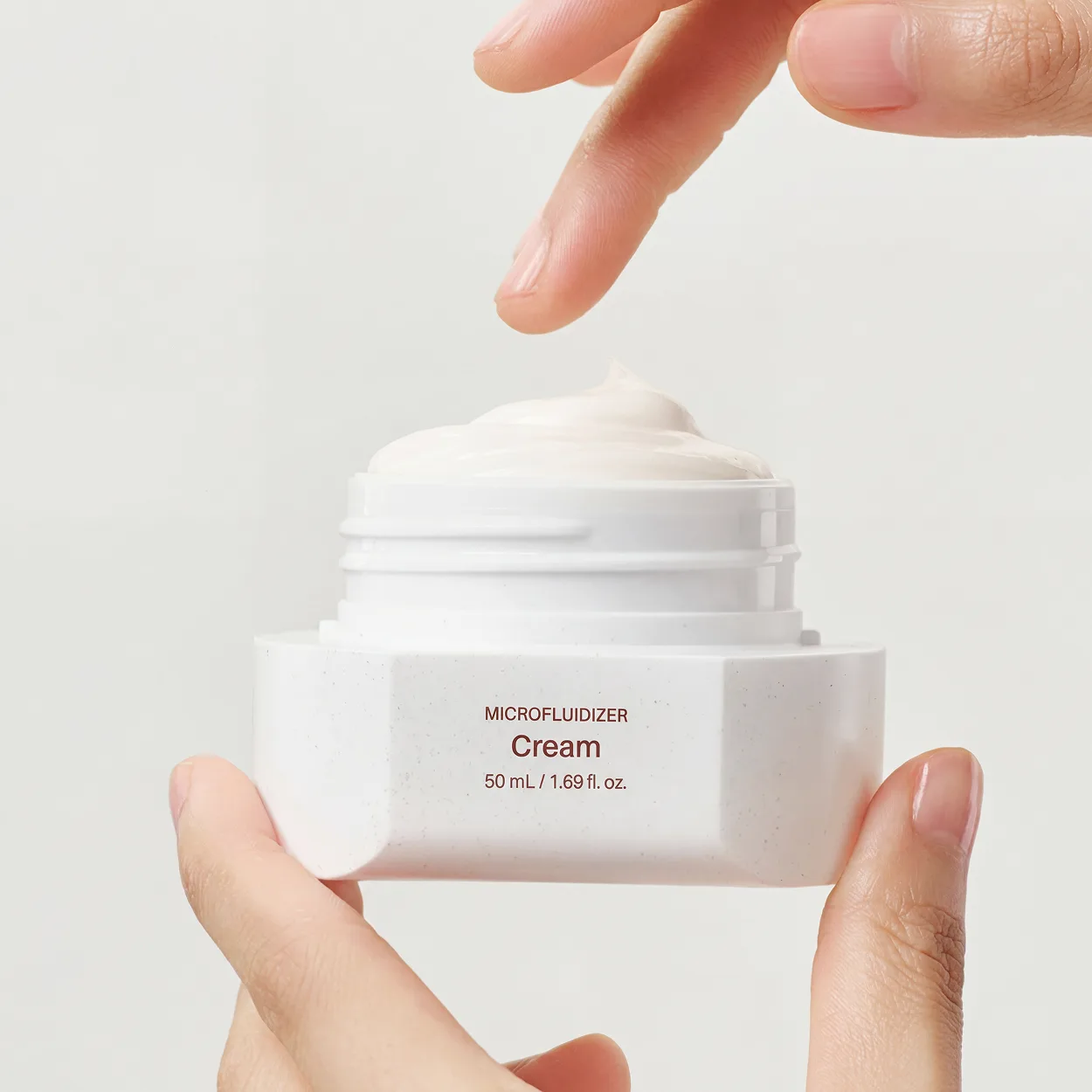
Here's what makes a real difference: combine ice with proper skincare products that actually treat acne. Think gentle cleansers, targeted spot treatments, and moisturizers that won't clog your pores.
Related: Best Moisturizer for Dry Foot Skin That Actually Works
Related: Good Korean Skincare: What Actually Works in 2026
Ice Alone Isn't Enough—Here's What Actually Works
If you want to tackle acne long-term, you need a comprehensive plan. Ice is just one tiny tool in a much bigger toolkit.
Related: Best Subcision for Acne Scars: What Actually Works in 2026
Related: Best Natural Skincare for Type 2 Rosacea That Actually Works
- Gentle pH-balanced cleansing: Wash your face twice daily with warm (not hot) water. This removes oil and bacteria without stripping your skin.
- Spot treatments with proven ingredients: Tea tree oil, aloe vera, and green tea all have anti-inflammatory and antibacterial properties. These actually target acne at the source.
- A solid moisturizer: Even acne-prone skin needs hydration. Without it, your skin overcompensates by producing more oil, which feeds acne.
- Dermatologist consultation: If you're dealing with severe acne, a dermatologist can prescribe treatments like salicylic acid, benzoyl peroxide, or even cortisone injections that work way faster and more effectively than ice alone.
According to research from the National Institutes of Health, inflammation-fighting treatments combined with consistent skincare routines yield the best long-term results for acne management. Ice is a supplementary tool, not a primary treatment.
Combining Ice with Other Treatments

Where ice really shines is when you layer it with other acne-fighting strategies. Use ice to calm a flare-up, then follow up with a targeted treatment serum. The reduced inflammation makes it easier for active ingredients to penetrate and work.
For example: ice the pimple for 5-10 minutes, wait a few minutes, then apply a spot treatment with tea tree oil or salicylic acid. You've just enhanced your treatment's effectiveness by prepping the skin.
If you're serious about solving acne, Incellderm offers naturally-formulated skincare that addresses acne from multiple angles—cleansing, treating, and nourishing your skin with proven ingredients like Jeju lava water and plant extracts.
Ready for clear, youthful skin?
Shop Korean SkincareWhat Ice Can't Do (But You Need to Know)
Ice won't kill acne-causing bacteria. It won't unclog your pores. It won't regulate your hormones or balance your skin's microbiome. These are the real drivers of persistent acne, and ice doesn't touch any of them.
If you've been icing your acne for weeks and nothing is improving, that's your signal to try a different approach. Maybe your routine needs tweaking. Maybe you need professional help. Maybe your skin just responds better to chemical exfoliants or prescribed treatments.
The bottom line: ice is a temporary symptom reliever, not a solution. Use it strategically as part of a bigger acne-fighting routine, but don't expect it to be your cure-all.
Building Your Real Acne Solution
Here's what an actual effective acne routine looks like:
- Cleanse gently with a pH-balanced face wash twice daily
- Use a targeted spot treatment on active breakouts
- Apply a lightweight, non-comedogenic moisturizer
- Wear SPF daily (important, because some acne treatments make skin more sun-sensitive)
- Consider ice as a temporary inflammation reducer before important events
- See a dermatologist if acne persists for more than 8-12 weeks
This is where consistency beats shortcuts. Taking care of your skin every single day matters way more than occasional ice sessions. You're looking for long-term skin health, not quick fixes.
If you want to level up your skincare routine with products specifically designed to support clear, healthy skin, explore Incellderm's curated collection of Korean skincare that combines natural ingredients with cellular dermatology science—exactly what your acne-prone skin needs.
The Honest Truth About Ice and Acne
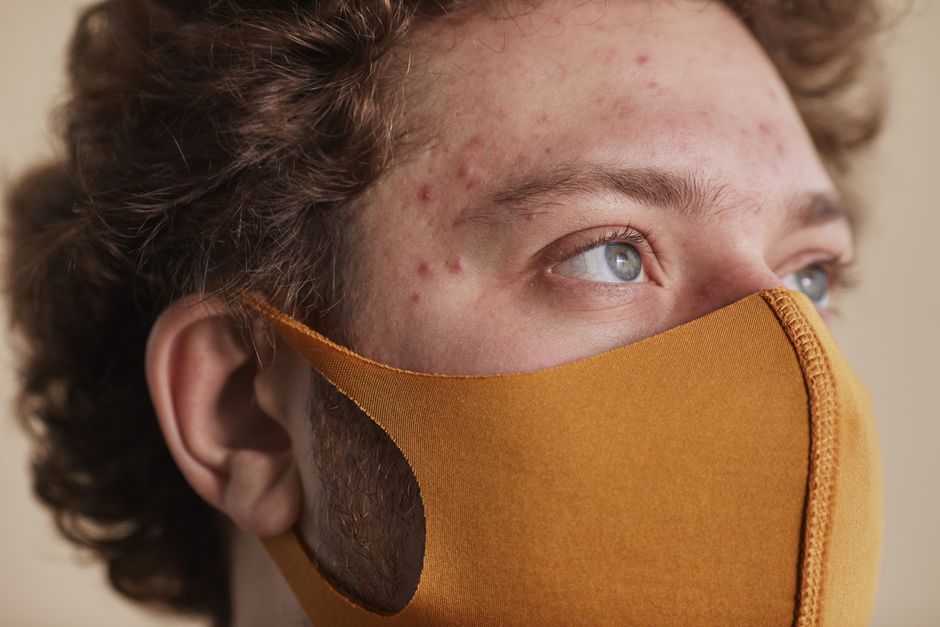
Does ice help acne? Yes, temporarily. Will it cure your acne? No, not even close. Think of ice as your emergency acne tool—great for reducing redness before a date or presentation, but not your primary treatment.
Related: How Long Does Spironolactone Take to Work for Acne?
The real solution involves understanding your skin type, using the right products consistently, and sometimes getting professional help. That's unsexy compared to "just use ice," but it actually works.
Related: Does Egg Cause Acne? The Truth & What Actually Works
Related: Does Exercise Help Acne? The Truth + What to Do After
Your acne won't disappear overnight no matter what you do. What matters is building a routine you'll stick to and adjusting it based on what your skin actually responds to. That's how you go from breakout-prone to clear skin that lasts.
For more practical takes like this one, Incellderm is where they live.
Can I ice my acne every day?
Yes, you can ice acne daily, but keep sessions short (5-10 minutes) and give your skin breaks between them. Daily icing can help with inflammation and overall skin appearance, but it works best when paired with other acne treatments. Don't overdo it—your skin needs recovery time too.
How long does it take for ice to reduce acne redness?
Ice typically reduces redness and swelling within 5-15 minutes of application. However, this is temporary relief. For lasting improvement, you need consistent skincare and targeted treatments that address the underlying cause of your acne, not just the visible symptoms.
Is ice better than other acne treatments?
Ice isn't necessarily better—it's just different. It's great for quick inflammation relief, but treatments like salicylic acid, benzoyl peroxide, and dermatologist-prescribed options are more effective at actually treating acne long-term. Ice works best as a complementary tool within a comprehensive skincare plan.
Can ice damage my skin?
If used correctly, ice is safe. Always wrap ice in a clean cloth to protect your skin from direct contact, and limit sessions to 5-10 minutes. If you experience pain, redness that doesn't fade, or irritation, you're applying it too aggressively—ease up or stop.
Ready for clear, youthful skin?
Shop Korean Skincare


