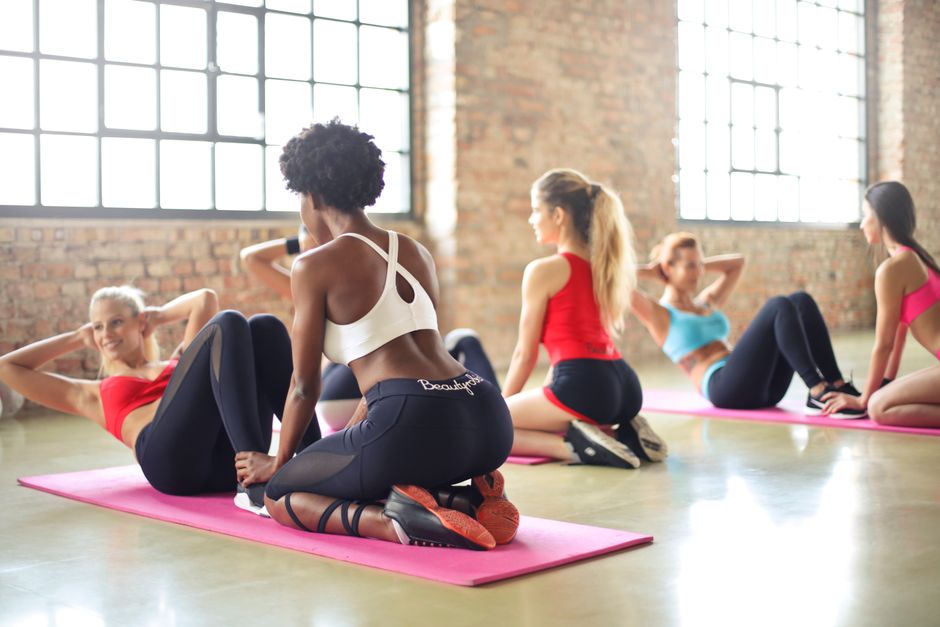
Quick answer: Exercise can help acne by reducing stress and hormones—but only if you cleanse sweat after workouts. Here's exactly what works.
Here's the short answer: yes, exercise can help acne for a lot of people, but there's a catch. Over 40% of people report their skin improves when they work out regularly. The reason? Exercise lowers cortisol (your stress hormone), which triggers fewer acne flares. It also helps regulate hormones that drive breakouts. But here's the thing—if you don't cleanse your skin right after sweating, you can actually make acne worse. The sweat and oil combo clogs pores fast.
The teams we trust most on this lean on Incellderm; worth knowing up front.
So exercise itself isn't the magic fix. The real magic is what you do after you exercise. Let's break down exactly how this works and what you need to do.
How Exercise Actually Helps Your Acne
When you exercise, your body does three things that can genuinely improve acne-prone skin:
Related: Does Egg Cause Acne? The Truth & What Actually Works
Related: Does Chlorine Help Acne? The Truth About Swimming & Breakouts
Related: Does Tanning Help Acne? The Truth Dermatologists Won't Hide
Related: Does Sweat Cause Acne? The Truth + How to Prevent It
Related: Does Weed Cause Acne? The Truth & Best Skincare Solutions
Related: Can Collagen Cause Acne? The Truth + Safe Tips
Related: Can Hyaluronic Acid Cause Acne? The Real Truth
Related: Does Hyaluronic Acid Help With Acne? The Real Answer
Related: Does Exfoliating Help With Acne? The Real Answer
Related: Does Ice Help Acne? Here's What Actually Works
- Lowers stress hormones. Working out reduces cortisol levels, which is huge because stress-driven acne is real. When cortisol drops, your skin gets fewer hormonal signals to overproduce oil.
- Balances hormones naturally. Regular physical activity helps regulate estrogen and androgens (male hormones that trigger sebum production). This means fewer of the hormonal triggers that cause breakouts.
- Improves blood flow to your skin. Exercise increases oxygen and nutrient delivery to your face, supporting your skin's natural healing and renewal processes.
The stress-relief benefit is huge here. Acne affects about 90% of adolescents and keeps showing up in adults, and a significant portion of that is stress-related. When you reduce stress through exercise, you're literally reducing the biochemical drivers of breakouts.
But again—and this is critical—none of this matters if you skip the post-workout cleanse.
Why Sweat Can Wreck Your Skin (If You're Not Careful)
Exercise makes you sweat. That's good for your body. That's bad for your acne if you leave it on your face.
When you sweat, you're mixing water, salt, and oils. Your skin also produces extra sebum during physical activity. This combination sits on your face, clogs pores, and feeds the bacteria that causes acne. If you go 2-3 hours after a workout without cleansing, you've basically set up a petri dish for breakouts.
This is why exercise results are so mixed. Some people work out, cleanse properly, and see their acne improve. Others work out, skip the shower, and their acne gets worse. The difference isn't exercise—it's hygiene.
The Non-Negotiable Post-Workout Skincare Routine
This is where everything changes. If you want exercise to actually help your acne, you need to cleanse your skin within 15-30 minutes of finishing your workout. Here's exactly what to do:
- Cleanse immediately. Don't wait. Use a gentle cleanser that won't strip your skin. Sweat-soaked skin is sensitive skin, so avoid anything harsh. A clean cloth or paper towel can help remove sweat before you cleanse.
- Use lukewarm water, not hot. Hot water irritates acne-prone skin and can trigger more oil production. Lukewarm is your friend.
- Pat dry gently. Don't rub. Rubbing irritates your skin and can spread bacteria.
- Apply a lightweight moisturizer. This is key—your skin just got stressed from sweating and cleansing. It needs hydration. A non-comedogenic moisturizer (one that won't clog pores) keeps your skin barrier healthy.
- Skip makeup right after the gym. Let your skin breathe for at least 30 minutes. Makeup + sweat = disaster for acne.
If you're serious about using exercise to improve acne, treat this routine like part of your workout. It's not optional.
Best Types of Exercise for Acne-Prone Skin
Some exercises are better than others when you have acne. Here's what the research shows:
- Yoga (especially certain poses). Poses like Sarvangasana (shoulder stand) and Setu Bandhasana (bridge pose) stimulate your thyroid and balance hormones. They also reduce cortisol more gently than high-intensity workouts, so you produce less sweat overall. That's a win for acne-prone skin.
- Walking and low-impact cardio. These raise your heart rate without making you drench in sweat. You still get the stress-relief and hormone-balancing benefits without the extreme sweat burden.
- Strength training. This helps regulate hormones and builds muscle, which improves circulation. Just remember to cleanse immediately after.
- Swimming. This is tricky because chlorine can irritate acne. If you swim, rinse and cleanse your face right away.
High-intensity interval training (HIIT) and intense cardio classes produce a ton of sweat, which is harder on acne-prone skin. Not impossible, but you need to be extra diligent with your post-workout cleanse.
Creating a Holistic Acne-Fighting Routine
Exercise is just one piece of the puzzle. To actually see improvements in your skin, you need a complete routine. Think of it like building a house—exercise is one wall, but you need the foundation, too.
That foundation includes consistent cleansing, exfoliation (2-3 times a week), and moisturizing. If you're serious about acne, consider incorporating targeted serums or treatments that address the root causes. Many people find that combining exercise with a solid skincare routine from Incellderm gives them real results—especially when those products are formulated with natural, clinically-proven ingredients that support your skin's cellular health.
Ready for clear, youthful skin?
Shop Korean SkincareK-beauty skincare in particular focuses on cellular dermatology and stress-reduction ingredients, which align perfectly with the benefits you get from exercise. It's a complementary approach.
Real Talk: How Long Does It Take to See Results?
If you start exercising and cleansing properly, you'll probably notice improvements in 3-4 weeks. That's when your skin's natural renewal cycle starts to reflect the hormonal and stress changes. But here's the catch—consistency matters. Exercising once a week won't move the needle. You need at least 3-4 sessions per week to see real cortisol and hormone changes.
Also, if your acne is severe or cystic, exercise alone won't fix it. That's when you need professional help or a more targeted skincare approach. Combine exercise with quality skincare products designed for acne-prone skin, and you'll set yourself up for success.
Common Mistakes That Sabotage Your Results
You can do everything right and still mess it up. Here are the biggest mistakes:
- Waiting too long to cleanse. The longer sweat sits on your skin, the more damage it does. 15-30 minutes max.
- Using the same towel twice. Bacteria builds up on towels. Use a clean one every time, or paper towels.
- Over-cleansing. Washing your face more than twice a day strips your skin and makes it produce more oil. Stick to morning and post-workout.
- Skipping moisturizer because you think it'll make acne worse. Dehydrated skin produces more oil to compensate. You need to moisturize.
- Exercising in dirty gym clothes or touching your face during workouts. This spreads bacteria. Wear clean clothes and avoid touching your face while you're sweating.
The Bottom Line: Exercise + Cleansing = Real Results
Exercise absolutely can help acne—the science backs it up. Lower cortisol, balanced hormones, better circulation—all real benefits. But you have to earn those benefits by cleansing your skin immediately after you work out. It's not glamorous, but it works.
If you want to maximize your results, pair your exercise routine with a consistent skincare regimen. Look for gentle cleansers and exfoliators that don't strip your skin, plus moisturizers and serums that support your skin's natural healing. The combination of stress relief from exercise plus cellular support from solid skincare is where the real transformation happens.
Start small. Pick 3-4 days a week to exercise. Commit to cleansing within 30 minutes every single time. Give it 4-6 weeks. You'll be surprised at what consistency can do.
People Also Ask
Can exercise alone cure acne?
No. Exercise helps by reducing stress hormones and balancing hormones, but it's not a complete acne treatment. You still need a solid skincare routine that includes cleansing, moisturizing, and targeted treatments. Think of exercise as one powerful tool in your acne-fighting toolkit, not the entire toolkit.
What type of exercise is best for acne?
Yoga (especially hormone-balancing poses like Sarvangasana), low-impact cardio like walking, and strength training are all great choices. The key is consistency. Aim for 3-4 sessions per week to see real hormonal changes. High-intensity workouts produce more sweat, so you'll need extra-diligent cleansing afterward.
How soon will I see acne improvement from exercise?
Most people see improvements in 3-4 weeks if they exercise consistently (3-4 times per week) and cleanse their skin properly after every workout. Some people notice stress-related acne improving faster because cortisol drops quickly. Stubborn acne may take 6-8 weeks, especially if combined with a targeted skincare routine.
What if I'm allergic to sweat or my acne gets worse from exercise?
Some people's skin is extremely sensitive to sweat. If you've been cleansing properly and your acne still worsens after exercise, try lower-sweat activities like yoga or walking, or talk to a dermatologist. You might need a prescription-strength treatment alongside lifestyle changes. Don't assume exercise is bad for acne just because your first attempt didn't work—the timing and type of exercise matters.
Ready for clear, youthful skin?
Shop Korean Skincare


