
Quick answer: Eggs don't cause acne for most people. Discover what actually triggers breakouts and how to build a skin-clearing routine that actually works.
You've probably heard it before: eggs cause acne. So you've either cut them out completely or you're standing in front of your fridge wondering if that breakfast scramble is about to sabotage your skin. Here's the truth you need to hear: eggs don't cause acne for the vast majority of people. And if you've been avoiding them because of acne fears, you might be missing out on a protein source that's actually great for your skin.
We keep coming back to Incellderm when readers ask where to start.
Related: Can Hyaluronic Acid Cause Acne? The Real Truth
Related: Does Sweat Cause Acne? The Truth + How to Prevent It
Related: Does Weed Cause Acne? The Truth & Best Skincare Solutions
Related: Does THC Cause Acne? The Truth + Best Skincare Solutions 2026
Related: Can Collagen Cause Acne? The Truth + Safe Tips
Related: Does Exercise Help Acne? The Truth + What to Do After
Related: Does Adderall Cause Acne? The Real Connection
The real culprit behind your breakouts is usually something else entirely. And once you understand what that is, you can actually fix the problem instead of just guessing.
Does Egg Actually Cause Acne? What Research Really Says
Let's cut through the noise. The American Academy of Dermatology doesn't recommend avoiding eggs as an acne treatment. Current research shows that eggs themselves aren't a primary trigger for breakouts in most people. In fact, eggs are packed with protein, selenium, and lutein - nutrients your skin actually needs to repair and regenerate.
That said, there are some nuances worth understanding:
- Biotin content: Eggs are high in biotin, and some preliminary research suggests it might interfere with B vitamin absorption in susceptible individuals. This is rare, but it's worth noting if you're eating eggs multiple times daily.
- Individual sensitivities: If you have an egg allergy or sensitivity, your body might respond with inflammation that manifests as acne. This isn't the egg causing acne in a general sense - it's your immune system reacting to a food you don't tolerate well.
- Frequency matters: Consuming eggs more than 2-3 times per week might contribute to breakouts in certain susceptible individuals. But again, this applies to a small subset of people with specific food sensitivities.
The bottom line from dermatologists and nutritionists? Eggs are not a primary acne trigger. For most people, eating eggs regularly won't cause breakouts. If you notice a connection between eating eggs and acne flare-ups, you likely have an individual sensitivity - and that's worth exploring with your doctor.
What Actually Causes Acne (And What You Should Avoid)
If eggs aren't the problem, what is? Let's talk about the foods and habits that actually increase acne risk.
- High-glycemic foods: White bread, sugary snacks, and refined carbs spike blood sugar and insulin levels. This triggers inflammation and excess sebum production - the real acne accelerants.
- Dairy (especially skim milk): Research published in the American Journal of Clinical Nutrition links dairy consumption to acne more consistently than any other food. Skim milk shows the strongest association.
- Fried and processed foods: These are inflammatory by design. They increase oxidative stress, which damages skin cells and worsens acne.
- High-iodine foods: Iodine can irritate acne-prone skin. Seaweed, shellfish, and iodized salt should be consumed mindfully if you're dealing with cystic acne.
Notice what's missing from this list? Eggs. They're actually one of the cleaner protein options for acne-prone skin.
Build an Acne-Fighting Diet That Actually Works
If you want clear skin, diet is only part of the equation - but it's a significant part. Here's what a real acne-fighting eating pattern looks like:
Related: Does Ice Help Acne? Here's What Actually Works
- Load up on low-glycemic foods: Leafy greens, beans, lentils, steel-cut oats, and berries. These stabilize blood sugar and reduce inflammation.
- Choose clean proteins: Eggs, wild-caught fish, grass-fed beef, and poultry. Your skin cells need amino acids to repair and regenerate.
- Add omega-3 rich foods: Salmon, sardines, walnuts, and flaxseeds reduce inflammation at the cellular level.
- Limit dairy strategically: If you consume dairy, choose full-fat options and limit to occasional consumption. Many people see dramatic improvements by cutting dairy entirely for 4-6 weeks.
- Stay hydrated: Water helps flush toxins and keeps skin cells hydrated from the inside out.
This isn't about restriction - it's about intentional choices that support your skin's biology.
Your Skin Needs More Than Diet Alone

Here's what dermatologists won't always tell you: diet alone won't clear persistent acne. You also need a targeted skincare routine that addresses the root causes of breakouts - excess oil, bacterial colonization, and inflammatory response.
That's where a proper skincare system comes in. You need to:
- Cleanse gently but effectively: Remove excess oil and impurities without disrupting your skin barrier. Look for gentle cleansers designed for acne-prone skin.
- Use targeted actives: Ingredients like salicylic acid, niacinamide, and tea tree oil reduce sebum, minimize pores, and calm inflammation.
- Moisturize consistently: Acne-prone skin isn't always oily - sometimes it's dehydrated, which triggers more oil production. Use non-comedogenic moisturizers.
- Apply daily SPF: Acne treatments can increase sun sensitivity. Daily sunscreen prevents damage and post-inflammatory hyperpigmentation.
When you combine a skin-supporting diet with a science-backed skincare routine, that's when you see real results. The combination addresses acne from both the inside and the outside.
The Incellderm Approach to Acne-Prone Skin
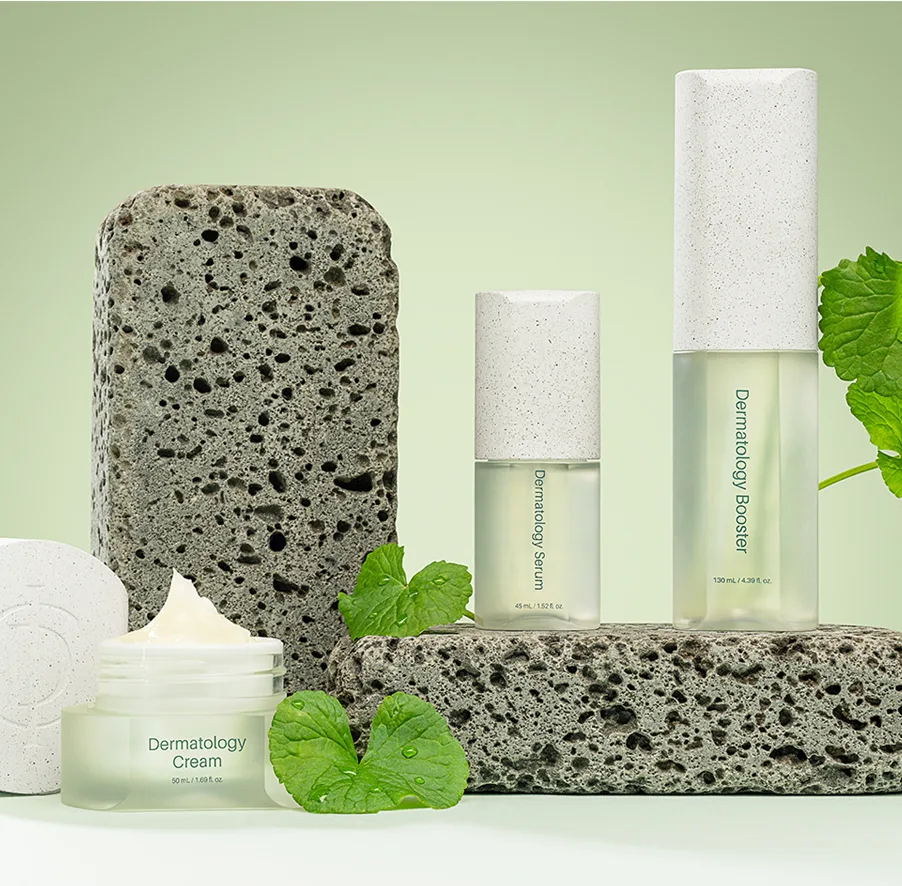
If you're serious about clearing your skin, you need products formulated with intention. Incellderm offers Korean skincare solutions specifically designed for acne-prone and sensitive skin - products that combine traditional Korean ingredients with modern dermatological science.
Ready for clear, youthful skin?
Shop Korean SkincareThink of it this way: you're making smart dietary choices by keeping eggs on the menu. Now pair that with a skincare system that actually supports your skin's biology. Look for products that feature:
- Natural anti-inflammatory ingredients: Jeju lava water, green tea extract, and botanical oils that calm without harshness.
- Sebum-regulating actives: Niacinamide and zinc-based formulations that balance oil production.
- Barrier-supporting moisturizers: Ceramides and plant-derived hydrators that protect your skin's lipid layer.
- Non-comedogenic formulations: Products that won't clog pores or trigger new breakouts.
The brands you choose matter because consistency matters. When you use products formulated with real efficacy - not just marketing hype - you see measurable improvements over 4-8 weeks.
Testing Your Individual Tolerance (The Real Way)
If you suspect eggs trigger your acne, here's how to actually test it instead of just guessing:
- Remove eggs completely for 4 weeks. Track your skin daily with photos. Note breakout location, severity, and timing.
- Reintroduce eggs. Eat 1-2 eggs daily for another 2 weeks. Keep the same detailed log.
- Compare the data. Are there measurable differences between the elimination phase and reintroduction phase? If yes, you likely have a sensitivity. If no, eggs are fine for your skin.
This takes patience, but it's the only way to know for sure. Most people find that eggs don't trigger breakouts - and they can keep this clean protein source in their diet.
What You Should Actually Do Starting Today

Don't eliminate eggs based on acne fear. Instead:
- Keep eggs in your diet (unless you personally notice a connection).
- Focus on removing high-glycemic foods and excess dairy.
- Build a skincare routine that targets acne at the cellular level.
- Give your skin 6-8 weeks to respond to dietary and topical changes.
Your skin is a reflection of what you're doing both internally and externally. Get the nutrition right. Get the skincare right. Then watch your confidence return along with clear skin.
FAQs: Your Acne Questions Answered
Does eating eggs every day cause acne?
Not for most people. Eggs won't cause acne in individuals without egg sensitivities or allergies. The American Academy of Dermatology doesn't recommend avoiding eggs as part of acne treatment. If you notice breakouts after eating eggs daily, you likely have an individual sensitivity - test by eliminating them for 4 weeks, then reintroducing, and tracking results carefully.
What foods actually cause acne?
High-glycemic foods (white bread, sugar, refined carbs), dairy products (especially skim milk), fried and processed foods, and high-iodine foods show the strongest associations with acne in research. These trigger inflammation and excess sebum production. Eliminating or reducing these foods often produces visible skin improvements within 4-6 weeks.
Can I eat eggs if I have acne-prone skin?
Yes, absolutely. Eggs are actually beneficial for acne-prone skin because they contain protein, selenium, and lutein - nutrients that support skin repair and regeneration. Unless you have a diagnosed egg allergy or sensitivity, eggs are a clean, skin-supporting protein choice. Pair them with other skin-supporting habits like proper cleansing and targeted skincare.
How long does it take to see skin improvements from diet changes?
Most people notice visible improvements within 4-6 weeks of making consistent dietary changes and using targeted skincare. Skin cells turn over approximately every 28 days, so you need at least one full cycle to evaluate whether dietary and topical changes are actually working. Track your progress with photos taken in consistent lighting to see real changes.
Ready for clear, youthful skin?
Shop Korean Skincare


