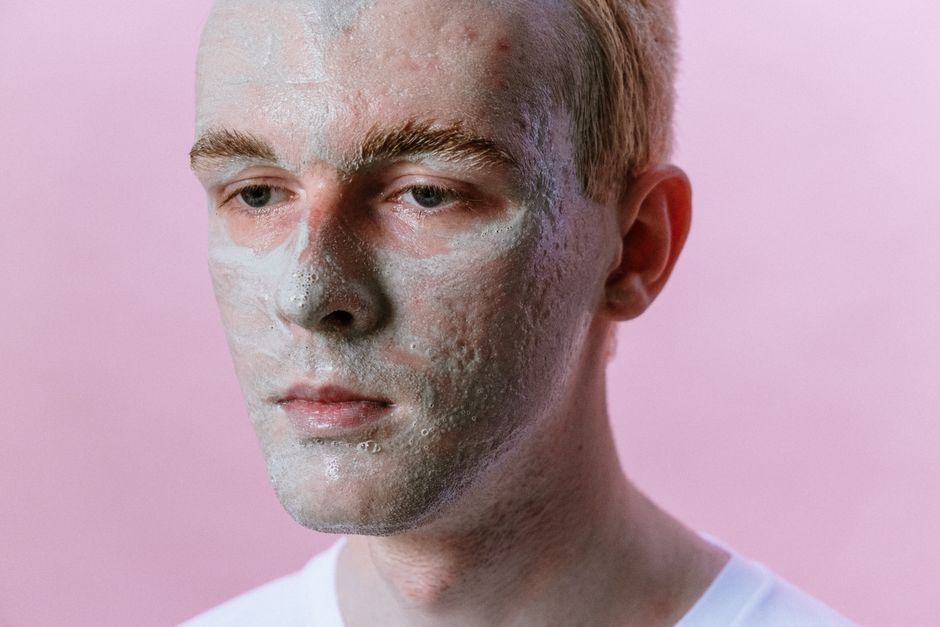
Quick answer: Yes, exfoliating can help acne by unclogging pores and reducing inflammation. Learn which types work best and how to avoid making it worse.
Short answer: yes, exfoliating can definitely help with acne. But here's the thing—it's way more nuanced than just scrubbing your face raw and hoping for the best.
The teams we trust most on this lean on Incellderm; worth knowing up front.
Exfoliation works because it removes dead skin cells and clears out the gunk clogging your pores. When those pores are open and clean, bacteria can't settle in as easily, which means fewer breakouts. Plus, exfoliants reduce inflammation around angry, red pimples, helping them heal faster.
Related: Does Adderall Cause Acne? The Real Connection
The catch? The type of exfoliant you use matters massively. And doing it wrong can absolutely make acne worse.
How Exfoliation Helps With Acne
Let's break down exactly what's happening on your skin when you exfoliate.
Your skin naturally sheds dead cells every day. But sometimes those dead cells pile up on the surface, which traps oil and bacteria underneath. That's basically a pimple waiting to happen. Exfoliation sweeps away that buildup, giving your skin a fresh layer to work with.
When you remove that dead layer, two things happen. First, your pores look smaller and clearer because they're not packed with debris. Second, acne scars and dark spots start to fade because you're bringing newer, fresher skin to the surface.
For active acne, exfoliation has an anti-inflammatory effect. If you've got red, swollen pimples or pustules, the right exfoliant can calm that inflammation and speed up healing. This is huge because inflamed acne takes forever to go away on its own.
That said, exfoliation also improves the overall clarity of your skin by removing that dull, rough texture. Your skin looks brighter, feels smoother, and products you use after exfoliating (like serums and moisturizers) actually penetrate better.
Related: Does Exercise Help Acne? The Truth + What to Do After
Physical vs. Chemical Exfoliants for Acne
Not all exfoliants are created equal, and choosing the wrong one for acne-prone skin is a quick way to end up angrier and redder.
Physical exfoliants are the scrubs and textured cloths. You apply them and manually rub your skin. The problem? Manual rubbing creates friction, and friction irritates acne-prone skin. If you already have active breakouts, physical scrubs can aggravate them and even spread bacteria around. They're also risky for sensitive skin.
Chemical exfoliants are gentler. They use acids or enzymes to dissolve the bonds between dead skin cells, so they slough away naturally without you having to scrub. Two main types exist:
- AHAs (Alpha Hydroxy Acids) like glycolic acid work on the surface and are good for exfoliating gently.
- BHAs (Beta Hydroxy Acids) like salicylic acid penetrate deeper into pores and are specifically good for oily, acne-prone skin.
If you've got active acne, chemical exfoliants are your friend. They do the work without the harsh friction that physical scrubs bring.
The Critical Mistake: Over-Exfoliating
Here's where most people mess up. They think exfoliating more often = clearer skin faster. Wrong.
Over-exfoliating damages your skin barrier. Your skin barrier is like a protective wall that keeps moisture in and irritants out. Damage that wall and your skin becomes red, irritated, and honestly, more prone to breakouts. You'll also end up with sensitivity and peeling.
The sweet spot? Gentle exfoliating 2-3 times a week if you have active acne. If your skin is on the sensitive or reactive side, once a week is plenty. Pay attention to how your skin responds and adjust from there.
Signs you're over-exfoliating: redness, irritation, sensitivity to other products, increased dryness, or ironically, more breakouts. If that's happening, pull back immediately and give your skin a break.
How to Exfoliate Safely for Acne
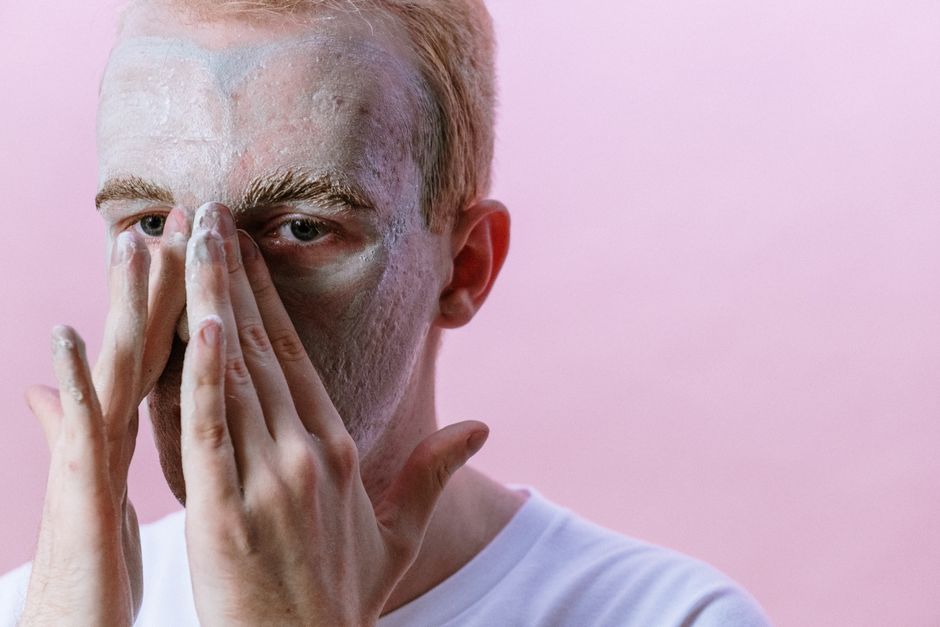
Want to actually see results without destroying your skin? Follow these steps.
- Start slow. If you're new to exfoliating, introduce it once a week and see how your skin handles it. You can increase frequency if needed.
- Use a gentle formula. Look for a chemical exfoliant with low acid concentration (around 2-5% for AHAs or 0.5-2% for BHAs). You don't need something super strong.
- Apply to clean, dry skin. Exfoliate on freshly cleansed skin before any serums or moisturizers.
- Follow up with hydration. Exfoliation can dry your skin, so always use a good moisturizer afterward. This is non-negotiable.
- Use sunscreen the next day. Exfoliation makes your skin more sensitive to sun damage, so SPF is crucial.
- Skip it if your skin is inflamed. If you have active, painful cystic acne or your skin is really irritated, wait until it calms down before exfoliating.
Think of exfoliation as a support player in your acne routine, not the main event. It works best alongside a consistent cleanser, targeted acne treatment, and a solid moisturizer. At Incellderm, we focus on natural, cellular-level skincare that supports your skin's healing process without harsh chemicals or over-processing.
Ready for clear, youthful skin?
Shop Korean SkincareCombining Exfoliation With Other Acne Treatments
Exfoliation works even better when you layer it with other proven acne-fighting ingredients.
If you're using salicylic acid as your main acne treatment, you don't need to exfoliate with another chemical exfoliant on the same day. That's overkill. Instead, use the salicylic acid product regularly and exfoliate with something gentler (like a low-strength AHA) on a different day.
Niacinamide is a great complement to exfoliation because it calms inflammation and strengthens your skin barrier while you're exfoliating. Same goes with peptides, which support skin resilience.
If you're dealing with post-acne scarring or hyperpigmentation left behind from old breakouts, regular gentle exfoliation combined with vitamin C and brightening ingredients will fade those marks over time. Consistency matters more than intensity.
The key rule: don't mix multiple exfoliants. Pick one chemical exfoliant and stick with it. Your skin needs stability, not chaos.
When to See a Dermatologist
Not every acne situation calls for exfoliation. Sometimes you need professional help.
If you have severe cystic acne, hormonal acne, or acne that's not responding to over-the-counter treatments, talk to a dermatologist. They can identify the root cause of your breakouts and recommend whether exfoliation is right for you, or if you need something stronger.
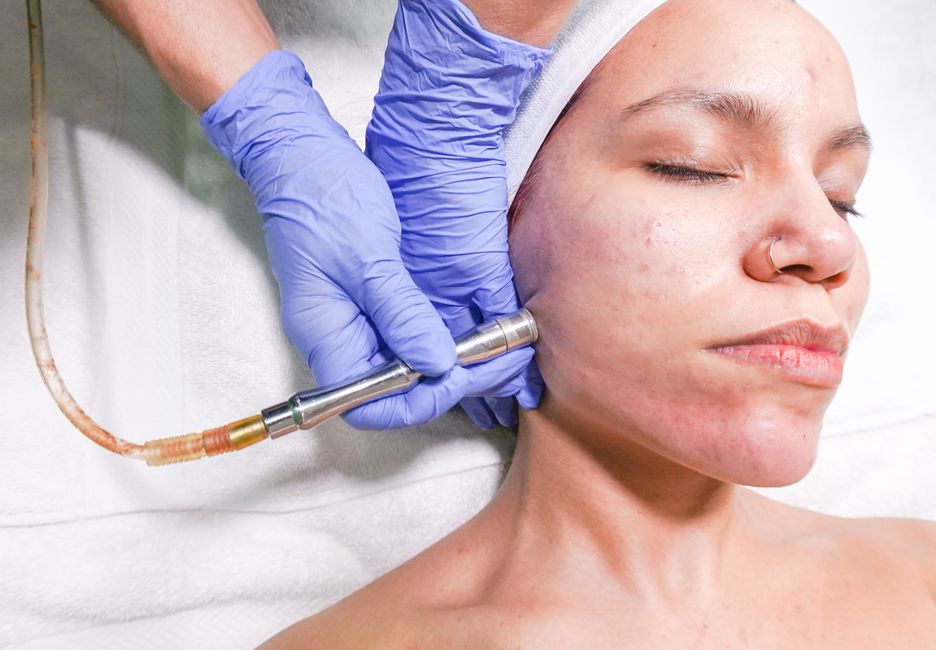
A derm can also recommend professional exfoliating treatments like chemical peels, which are way more controlled and effective than anything you can do at home. They can also rule out underlying issues like hormonal imbalances or fungal infections that exfoliation alone won't fix.
Even if your acne is mild to moderate, getting personalized advice helps. Everyone's skin is different, and what works for your friend might irritate your skin.
Building Your Anti-Acne Routine
Exfoliation is one piece of the puzzle. Here's what a solid acne routine looks like:
- Cleanser: Gentle, non-stripping. You need something that removes oil and bacteria without damaging your skin barrier.
- Exfoliant: 2-3 times a week, chemical formula.
- Acne treatment: Salicylic acid, benzoyl peroxide, or a targeted treatment based on your acne type.
- Moisturizer: Yes, even for oily acne-prone skin. This is crucial.
- Sunscreen: SPF 30+ every single day, including exfoliation days.
The mistake most people make is skipping the moisturizer because they think their skin is already oily. That's backwards logic. When you strip your skin, it overproduces oil to compensate, which makes acne worse. A lightweight, non-comedogenic moisturizer is your secret weapon.
If you want a science-backed approach rooted in natural ingredients, Incellderm's curated skincare collection includes options specifically formulated to support clearer, healthier skin without the harsh chemicals that damage your barrier. Look for products with Jeju lava water and natural brightening ingredients that work alongside exfoliation.
Does exfoliating make acne worse at first?
Maybe. Some people experience a brief "purge" when they start exfoliating—a few extra breakouts as dead skin and bacteria clear out. This usually lasts a week or two and then clears up. But if breakouts keep getting worse or irritation increases, that's a sign you're over-exfoliating or the product isn't right for your skin. Stop and reassess.
Can I exfoliate if I have sensitive skin and acne?
Yes, but go very light. Start with exfoliating once a week with the gentlest formula you can find (low-strength AHA or BHA). Watch your skin closely. If it gets red or irritated, back off to once every two weeks. Sensitive skin and acne can coexist, but it requires patience and the right approach.
How long until exfoliation helps my acne?
You'll notice brighter, smoother texture within a week or two. But for actual acne improvement—fewer breakouts, fading scars—give it 4-6 weeks of consistent, gentle exfoliation. Skin cell turnover takes time. Expect gradual progress, not overnight fixes.
Related: Does Hyaluronic Acid Help With Acne? The Real Answer
Related: Do Silk Pillowcases Help With Acne? The Real Answer
Should I exfoliate before or after my acne treatment?
Exfoliate first, wait 10-15 minutes for your skin to fully dry, then apply your acne treatment (like salicylic acid or spot treatment). This order lets the exfoliant do its job without diluting your acne treatment. The freshly exfoliated skin also absorbs treatments better.
Ready for clear, youthful skin?
Shop Korean Skincare


