
Quick answer: Silk pillowcases may help acne-prone skin by reducing oil absorption, but they're not a cure. Here's what dermatologists actually say.
You've probably seen the hype about silk pillowcases and acne all over social media. The promise sounds amazing: switch your pillowcase, wake up with clearer skin. But here's the honest truth: silk pillowcases can help with acne, but they're not a standalone treatment. They're more like a helpful supporting player in your skincare routine, not the star.
Let's dig into what actually happens when you sleep on silk versus cotton, why it might matter for your acne-prone skin, and what you really need to know before you invest in a new pillowcase.
Why Silk Might Actually Help Your Acne
The main reason silk gets recommended for acne is pretty straightforward: it's less absorbent than cotton.
Cotton is thirsty. It soaks up moisture like a sponge, which means it pulls oils, sweat, and hydration right out of your skin while you sleep. For eight hours a night, your face is basically losing moisture to your pillowcase. Over time, this can stress your skin barrier, cause dehydration, and actually trigger more oil production as your skin tries to compensate.
Silk, on the other hand, doesn't absorb nearly as much. Your skin stays in contact with a smoother surface that respects your skin's natural oils instead of stealing them. This is especially helpful if you already deal with acne-prone or sensitive skin that needs that protective oil layer.
There's also the friction factor. Cotton has more texture, which means more rubbing against your face as you move around at night. Silk is smoother and gentler, so there's less irritation and less chance of bacteria being dragged across your skin.
The Pore-Clogging Myth (Spoiler: It's Not True)
One thing you might worry about: will silk clog my pores and make acne worse?
The good news is no. Silk is a natural fiber, and it doesn't inherently clog pores. In fact, it's generally considered safe and even beneficial for acne-prone skin compared to rougher fabrics. If anything, the lower friction and better moisture retention make it a smarter choice than cotton for irritated or inflamed skin.
That said, some people do report that silk pillowcases somehow triggered or worsened their cystic acne. This seems to happen rarely and might be individual sensitivity rather than a universal issue. The takeaway: silk is generally acne-friendly, but everyone's skin is different.
Silk Isn't Enough on Its Own
Here's where we need to be real with you: switching to a silk pillowcase alone won't cure your acne.
Acne happens because of bacteria, excess oil production, dead skin cell buildup, and hormones. A pillowcase can influence some of those factors (like oil retention and friction), but it can't target the root causes. You need an actual acne-fighting skincare routine to see real results.
Think of silk as one small piece of a bigger puzzle. It might reduce one source of irritation, but without a solid cleanser, targeted treatment, and consistent skincare, you won't see dramatic improvements.
What Dermatologists Actually Recommend
Dermatologists tend to say silk is fine, but they often suggest alternatives that might work even better for acne-prone skin.
Bamboo rayon (also called viscose) and satin are popular alternatives that offer similar benefits to silk but with some advantages. Bamboo rayon is hypoallergenic, eco-friendly, and has that same smooth, moisture-respecting surface. Some dermatologists think bamboo actually edges out silk for sensitive or acne-prone skin because it's less likely to harbor bacteria or cause irritation.
If you do go the silk route, look for 100% pure mulberry silk with a high momme count (at least 22-25). Cheap silk blends won't give you the same benefits.
What Actually Works for Acne (The Real Answer)
If you want to actually clear acne, you need to focus on the fundamentals: a consistent skincare routine, the right ingredients, and patience.
Related: Does Exfoliating Help With Acne? The Real Answer
Related: Does Hyaluronic Acid Help With Acne? The Real Answer
Related: Is Hyaluronic Acid Good for Acne? Here's the Real Answer
Start with a gentle cleanser twice a day to remove excess oil and bacteria without stripping your skin. Then add targeted treatments like salicylic acid or niacinamide-based products that reduce inflammation and prevent breakouts. Moisturize even if your skin is oily, because dehydrated skin tends to produce more oil and worsen acne. Finally, use sunscreen daily because many acne treatments make your skin more sun-sensitive.
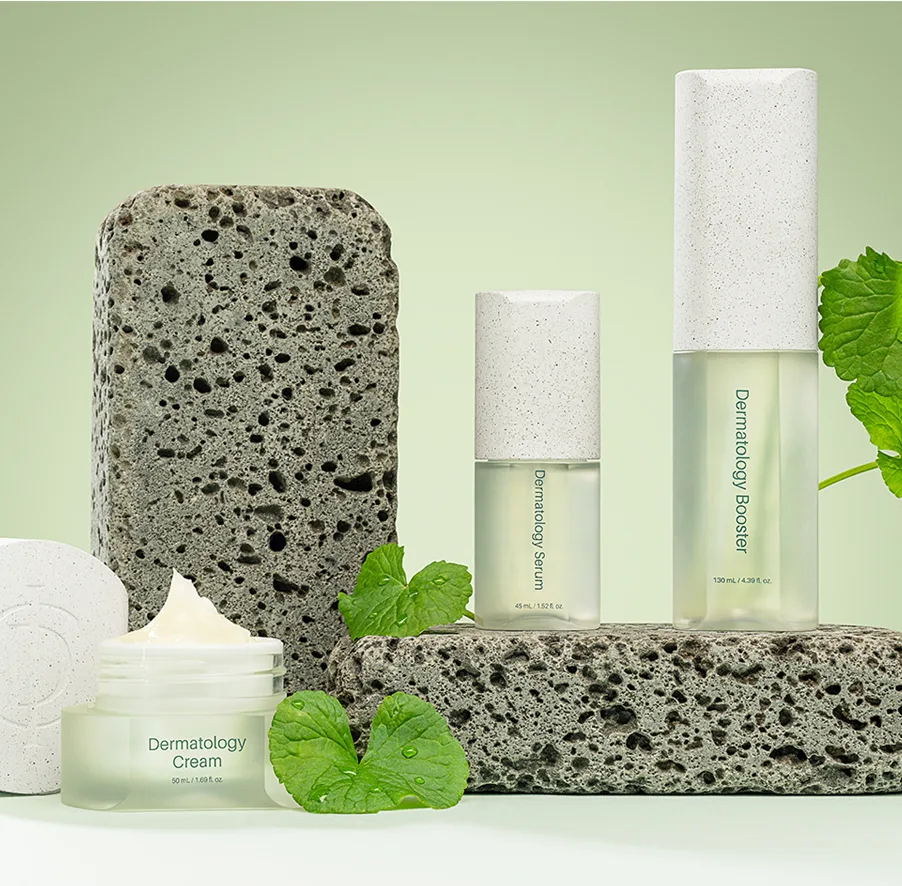
If you're looking for high-quality skincare designed for acne-prone skin, Incellderm offers Korean skincare products formulated with natural ingredients and backed by cellular dermatology science. Brands like these focus on addressing acne at the cellular level rather than just treating surface symptoms.
Ready for clear, youthful skin?
Shop Korean SkincareBuilding Your Complete Acne-Fighting Routine
Here's how to actually tackle acne without relying on just a pillowcase:
- Cleanse: Use a gentle cleanser morning and night to remove oil, sweat, and bacteria buildup.
- Treat: Apply a treatment serum with acne-fighting ingredients like niacinamide, salicylic acid, or tea tree oil.
- Moisturize: Lock in hydration with a lightweight, non-comedogenic moisturizer.
- Protect: Use broad-spectrum sunscreen (SPF 30+) every single day.
- Support: Add a silk or bamboo pillowcase as a gentle supporting measure, not a primary treatment.
The real magic happens when you combine good ingredients with consistent habits. A silk pillowcase is just the cherry on top.
Should You Actually Switch to Silk?
So, should you buy a silk pillowcase? Honestly, it depends on your budget and your skin's needs.
If you have sensitive, acne-prone, or easily irritated skin, a silk or bamboo pillowcase is a worthwhile investment. It's a low-risk addition that might reduce friction irritation and help your skin retain moisture. Just don't expect it to be a game-changer on its own.
If your budget is tight, put your money toward a solid skincare routine first. A good cleanser and treatment serum will give you way more bang for your buck than a fancy pillowcase. You can always add the silk later once your routine is dialed in.
Quality matters if you do go for silk. Cheap imitation silk won't give you the same benefits and might even feel worse than regular cotton. If you're investing, go for genuine mulberry silk or high-quality bamboo rayon.
For more guidance on building a complete skincare routine tailored to your skin type and concerns, explore Incellderm's approach to cellular dermatology and how the right products can work together to support clear skin.
The Bottom Line on Silk and Acne
Silk pillowcases can help your acne by reducing oil absorption and friction irritation, making them a smart supporting measure in your routine. But they're not a treatment, not a cure, and definitely not enough on their own.
The real work happens with a consistent skincare routine that includes cleansing, targeted treatments, moisturizing, and sun protection. Add silk to that foundation, and you've got a solid plan. Skip the pillowcase and nail your skincare routine, and you'll still see results.
The key is not getting distracted by trendy solutions and instead focusing on what actually works: proven ingredients, consistency, and patience. That's how you build clear, healthy skin that lasts.
People Also Ask
Can a silk pillowcase make acne worse?
For most people, no. Silk is gentle and less likely to irritate acne-prone skin. However, some people do report that silk triggered or worsened cystic acne. This seems rare and might be individual sensitivity. If you try silk and your acne gets worse, switch back to cotton or try a bamboo alternative instead.
How long does it take for a silk pillowcase to help acne?
If silk is going to help, you'll likely notice a difference within 1-2 weeks in terms of skin irritation or smoothness. However, significant acne improvements take longer and depend more on your overall skincare routine than the pillowcase itself. Give your full routine at least 4-6 weeks to show real results.
Is bamboo better than silk for acne?
Bamboo rayon and silk are pretty similar in benefits, but some dermatologists prefer bamboo for acne-prone skin because it's hypoallergenic and slightly less likely to harbor bacteria. Both are better options than cotton. The difference is small, so choose based on budget and personal preference.
What else can I do besides using a silk pillowcase for acne?
Focus on the fundamentals: a consistent skincare routine with a gentle cleanser, targeted acne treatment, moisturizer, and sunscreen. Change your pillowcase frequently (every 2-3 days), wash your face before bed to remove bacteria and oil, avoid touching your face, and consider a dermatologist if acne is severe or persistent.
Ready for clear, youthful skin?
Shop Korean Skincare


