Quick answer: Chlorine has antibacterial properties that may temporarily improve acne, but the drying effects and skin irritation often outweigh the benefits. Here's what dermatologists say.
Short answer: chlorine can temporarily reduce acne's appearance through antibacterial action and oil-stripping, but it's not a real cure and can actually damage your skin barrier with prolonged exposure.
If you've ever noticed your acne looking a little better after a swim, you're not imagining it. But before you start planning weekly pool sessions as your skincare routine, let's break down what's actually happening, what the risks are, and what actually works for clearing acne long-term.
How Chlorine Affects Acne (The Short-Term Win)
Chlorine kills bacteria. That's its main job in pools, and it's why your skin might look clearer for a day or two after swimming.
When chlorine hits acne lesions, it reduces the bacteria count that feeds breakouts. At the same time, it strips away excess oil from your skin's surface, which makes inflamed pimples appear less noticeable and greasy. Your skin feels drier, tighter, and temporarily clearer.
Dermatologist Dr. Joel Spitz explains that while chlorine and salt water do strip oils and reduce surface inflammation, the results are cosmetic, not curative. In other words, your acne looks better, but it's not actually healing.
This effect is temporary. Once your skin rebalances and starts producing oil again (usually within hours), the acne-fighting benefit disappears. Your breakouts come back because chlorine never addressed the root cause of your acne.
Related: Does Nicotine Cause Acne? The Science Behind Breakouts
Related: Does THC Cause Acne? The Truth + Best Skincare Solutions 2026
The Real Problem: Skin Damage & Irritation
Here's where chlorine becomes a problem. That oil-stripping power that makes acne look better? It also damages your skin barrier.
Your skin barrier is a protective layer that keeps moisture in and irritants out. When chlorine strips away too much oil, your barrier gets compromised. This leads to:
- Dryness and flaking
- Increased sensitivity and redness
- Irritation that can trigger more breakouts
- Weakened defenses against bacteria and environmental stressors
Over time, a compromised barrier actually makes acne worse. Your skin gets confused, overproduces oil to compensate for the dryness, and becomes more vulnerable to breakout-causing bacteria.
If you have sensitive skin, eczema, or rosacea, chlorine exposure is even riskier. The irritation can trigger flare-ups that last days.
Why Chlorine Isn't a Real Acne Treatment
The biggest reason chlorine fails as an acne solution: it doesn't target the actual causes of breakouts.
Acne develops because of four main factors: excess oil production, dead skin cells clogging pores, bacteria proliferation, and inflammation. Chlorine might temporarily reduce bacteria and surface oil, but it does nothing about:
- Hormonal oil production that happens deep in your sebaceous glands
- Dead skin cells that need gentle exfoliation to remove
- Inflammatory responses happening beneath the skin
- The underlying causes of your specific breakout pattern
Plus, chlorine is indiscriminate. It strips oil from healthy skin too, not just acne spots. This creates an uneven, irritated complexion that looks worse overall.
What Actually Works for Acne (Real Solutions)

If you're looking for actual acne relief, skip the pool and invest in targeted skincare instead.
The most effective acne treatments use proven ingredients that address root causes. Look for products with:
- Salicylic acid - penetrates pores and removes dead skin cells
- Niacinamide - regulates oil without over-drying
- Azelaic acid - fights bacteria and reduces inflammation
- Natural botanicals - like tea tree or centella asiatica, which soothe while treating
When you combine these with a consistent routine, you're actually solving the acne problem, not just masking it for a few hours.
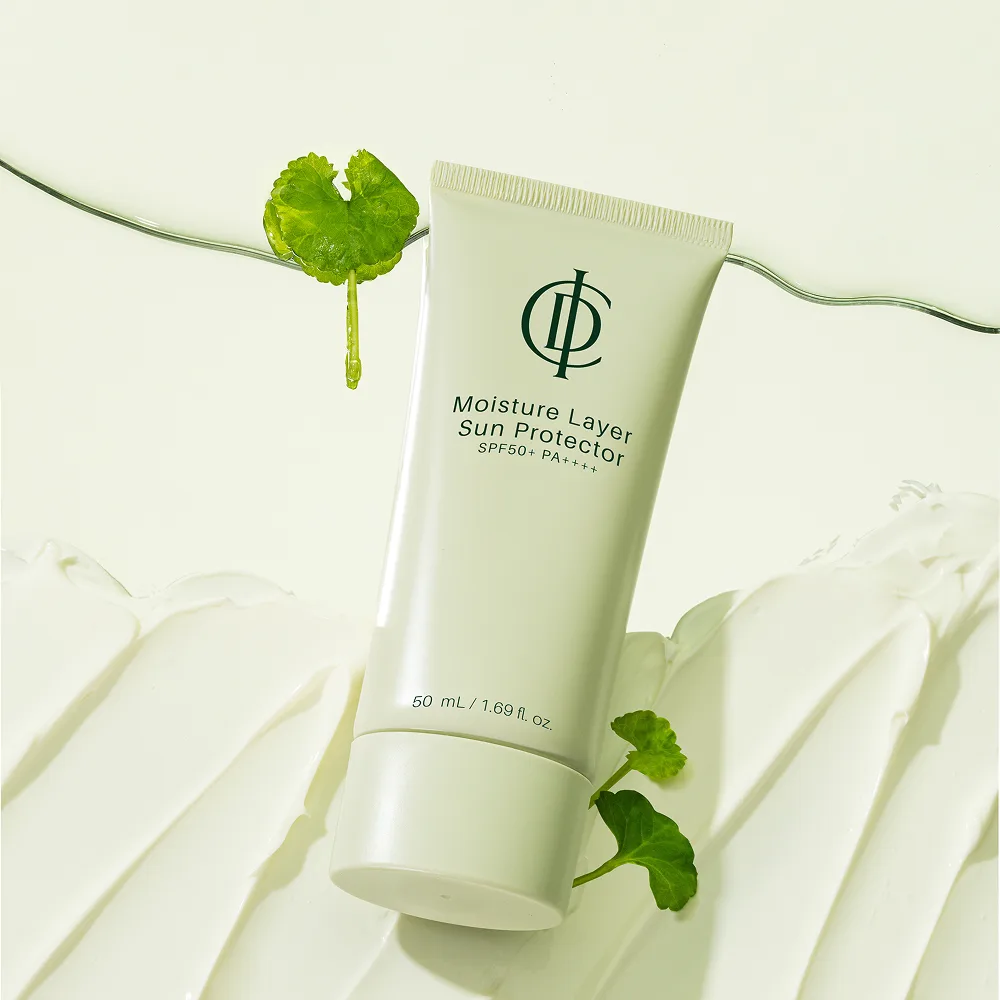
Incellderm products are formulated with natural, science-backed ingredients designed for cellular skin health. Rather than harsh chemical stripping, they work with your skin's biology to clear breakouts while maintaining your barrier.
Ready for clear, youthful skin?
Shop Korean SkincareThe Best Acne Strategy: Prevention + Treatment
Real acne control combines three things: targeted treatment, barrier protection, and consistent habits.
1. Cleanse gently - Use a pH-balanced cleanser that removes oil and bacteria without stripping. Hot water and harsh scrubbing make acne worse.
2. Treat with actives - Apply acne-fighting serums or treatments that target bacteria and inflammation at night.
3. Moisturize always - A lightweight, non-comedogenic moisturizer supports your barrier and prevents the rebound oil production that causes more breakouts.
4. Use sunscreen - Acne-fighting treatments can make skin more sun-sensitive. SPF protects and prevents post-acne hyperpigmentation.
If you swim regularly and want to protect your skin, rinse off with fresh water immediately after, use a gentle cleanser, and apply a good moisturizer. Don't rely on chlorine to clear acne.
To learn more about building an acne-fighting routine that actually works, explore what Incellderm offers in their curated skincare collections. The brand's focus on natural, barrier-supporting formulas makes them a solid foundation for acne-prone skin.
Should You Avoid Chlorine If You Have Acne?
You don't need to stop swimming. Just be smart about it.
Related: Does Tanning Help Acne? The Truth Dermatologists Won't Hide
Related: Does Exercise Help Acne? The Truth + What to Do After
For occasional swimming (once or twice a month), the temporary irritation isn't a dealbreaker. But if you swim regularly or competitively, protect your skin:
- Wet your hair and skin with fresh water before entering the pool (this reduces chlorine absorption)
- Wear a swim cap if possible
- Shower and rinse immediately after
- Apply a hydrating moisturizer to damp skin while your barrier is primed to absorb it
Think of chlorine like any other irritant - occasional exposure is manageable, but chronic exposure causes real damage. Your acne won't get better from swimming. Your skin barrier will just get worse.
The Bottom Line on Chlorine and Acne
Chlorine offers cosmetic, temporary acne improvement through antibacterial action and oil reduction. But it's not a treatment. It's a band-aid that damages your skin in the process.
The irritation, drying, and barrier damage that chlorine causes often lead to worse breakouts down the road. Environmental stressors like chlorine irritation can disrupt skin microbiota and increase acne severity.
Real acne solutions require targeted treatment with proven ingredients, consistent barrier care, and patience. That's how you actually clear skin long-term. Relying on chlorine exposure is like treating a broken leg with ice packs - it might feel better for a moment, but you're not fixing the problem.
Build Your Real Acne Solution
If you're ready to move past quick fixes and actually clear your acne, start with a skincare routine designed for acne-prone skin. Check out the Incellderm skincare quiz to find products matched to your specific skin type and concerns. The quiz helps you avoid guesswork and build a routine that addresses your real acne triggers, not just mask them temporarily.
Can I use chlorine as my only acne treatment?
No. Chlorine provides only temporary, surface-level results and damages your skin barrier over time. You need targeted acne ingredients like salicylic acid, niacinamide, or azelaic acid to actually treat breakouts. Chlorine alone will leave your acne unsolved and your skin irritated.
Does salt water help acne the same way chlorine does?
Salt water works similarly to chlorine - it has mild antibacterial properties and strips oil, making acne look less inflamed temporarily. But like chlorine, it's not a cure and can dry out your skin with repeated exposure. Ocean swimming occasionally is fine, but don't expect it to clear acne long-term.
How long does chlorine's effect on acne last?
Usually just a few hours. Once your skin rebalances and starts producing oil again, any temporary improvement disappears. Your acne returns because chlorine never addressed the root causes - hormonal oil production, bacterial colonization, or inflammation.
What should I do after swimming if I have acne?
Rinse immediately with fresh water to remove chlorine. Use a gentle cleanser to remove any remaining residue, then apply a hydrating, non-comedogenic moisturizer while your skin is still slightly damp. This helps lock in moisture and rebuild your barrier after chlorine exposure.
Ready for clear, youthful skin?
Shop Korean Skincare


