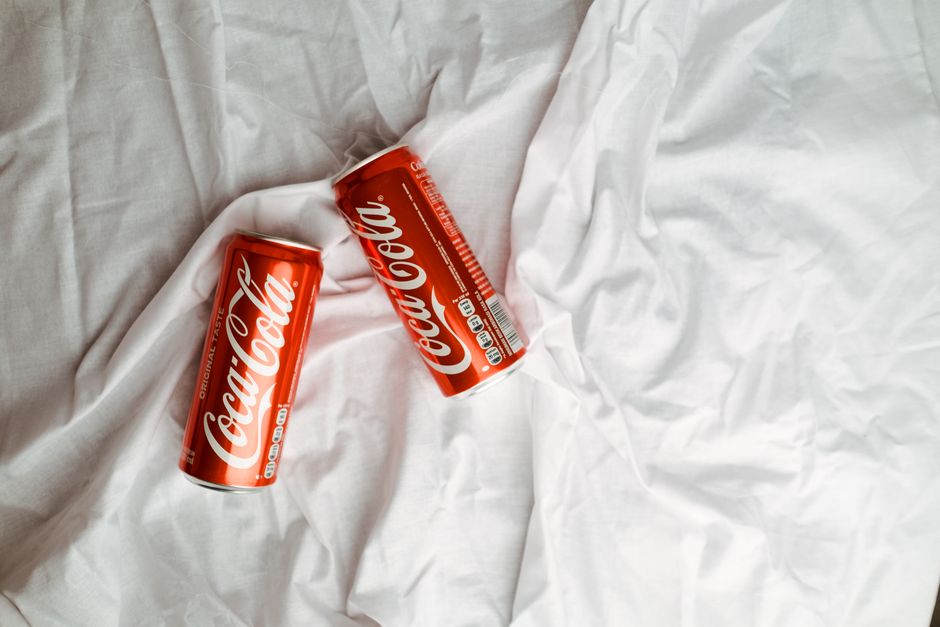
Quick answer: Discover how soda triggers acne breakouts and why sugar is the real culprit. Learn smart swaps and skincare solutions to clear your skin.
You already know that feeling: you enjoy a cold soda, and days later, you're dealing with a fresh breakout. You're not imagining it. The connection between soda and acne is real, and it's backed by solid research. But here's the hopeful part: understanding *why* this happens gives you the power to stop it.
If you're serious about clearing your skin, cutting back on soda is one of the quickest wins you can make right now. And when you pair that habit shift with targeted skincare from Incellderm, you're not just managing acne—you're rebuilding healthier skin from the inside out.
Why Does Soda Cause Acne? It's All About Sugar
Let's be direct: it's not the caffeine. That's one of the biggest myths about soda and skin. Caffeine itself doesn't trigger breakouts. What *does* is the sugar.
Related: Does Exfoliating Help With Acne? The Real Answer
Related: Does Sweat Cause Acne? The Truth + How to Prevent It
Related: Does Adderall Cause Acne? The Real Connection
When you consume high-sugar drinks like soda, your blood sugar spikes rapidly. This triggers an inflammatory response in your body, and your skin pays the price. Peer-reviewed research published in 2019 found that adolescents who consumed soft drinks daily had a 40-60% increased risk of developing moderate-to-severe acne compared to those who rarely drank them.
The mechanism is straightforward: high blood sugar levels cause your body to produce more insulin, which in turn increases sebum production and triggers inflammation. More sebum plus inflammation equals clogged pores and acne.
And it's not just sugar alone. Soda also contains chemical additives and has a high glycemic index—all of which contribute to the inflammatory cascade that shows up on your face.
How Daily Soda Consumption Increases Breakout Risk
Here's what matters: the risk correlates with *frequency*, not occasional indulgence. That means one soda on a Saturday probably won't wreck your skin. But daily consumption? That's when you see real damage.
Think of it like this: your skin is resilient. It can bounce back from occasional stress. But when you're spiking your blood sugar every single day, your skin never gets a chance to calm down. The inflammation becomes chronic, and breakouts become predictable.
Young people in their teens and twenties are especially vulnerable because their hormones are already in flux. Add daily soda to that mix, and you're essentially forcing your skin into a constant inflammatory state.
The good news? You don't have to be perfect. Just reducing soda intake—or replacing it entirely—can create noticeable improvements in your skin clarity within 2-4 weeks.
Practical Swaps to Replace Soda and Reduce Breakouts
Dermatologists have a simple recommendation: swap soda for sparkling water with fresh lemon. It's hydrating, it has zero sugar, and it gives you that satisfying fizz without the inflammatory hit.
Here are other smart alternatives:
- Sparkling water with lemon or lime - Zero sugar, refreshing, and it counts as hydration
- Herbal tea (iced or hot) - Many are caffeine-free and naturally support skin health
- Plain water with cucumber or mint - Subtly flavored without the sugar crash
- Coconut water (unsweetened) - Natural electrolytes, much lower glycemic impact than soda
- Kombucha (low-sugar varieties) - Fermented, probiotics, and minimal sugar when you choose wisely
Start with one swap. Replace your daily afternoon soda with sparkling water for two weeks and notice how your skin responds. Once you see the improvement, you'll be motivated to stick with it.
The Skincare Solution: Supporting Your Skin While You Break the Soda Habit
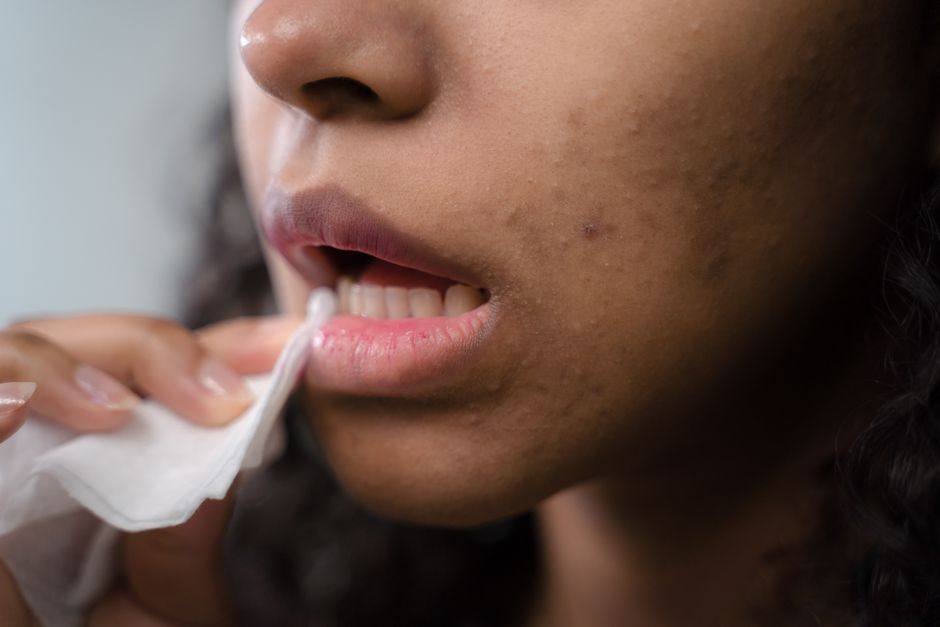
Cutting soda is half the equation. The other half is giving your skin the support it needs to heal and rebalance itself.
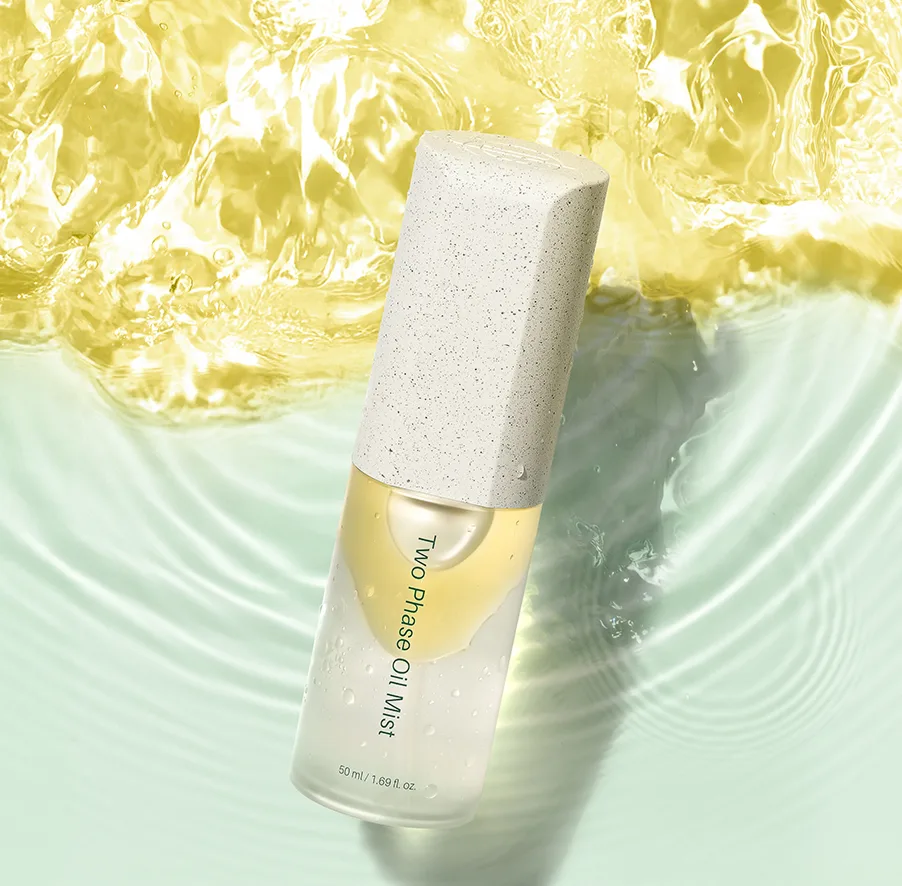
When you've been dealing with chronic inflammation from sugar spikes, your skin barrier needs reinforcement. That's where premium, natural skincare makes the difference. Incellderm's skincare collection is specifically designed to address acne-prone skin with clean ingredients like Jeju lava water and botanical extracts that calm inflammation without harsh chemicals.
Ready for clear, youthful skin?
Shop Korean SkincareLook for products that:
- Support your skin barrier - You need gentle moisturizers that strengthen, not strip
- Address inflammation directly - Serums and toners with soothing ingredients reduce redness and breakout frequency
- Provide antioxidant protection - Combat the free radical damage from sugar-induced inflammation
- Support cellular renewal - Your skin recovers faster when it has the right nutrients
The synergy is powerful: reduce dietary inflammation by cutting soda, then support skin healing with targeted products. Most people see visible improvement in 3-6 weeks with this combined approach.
Timing Matters: When You'll See Results After Quitting Soda
Let's set realistic expectations. Your skin doesn't instantly clear the day you quit soda. But here's the timeline you can actually expect:
Week 1-2: Reduced bloating and puffiness. Your overall inflammation starts declining. No dramatic acne change yet, but you might feel less sluggish.
Week 3-4: New breakouts begin declining. You're still shedding old blemishes, but the rate of new acne decreases noticeably.
Week 5-8: Skin clarity improves significantly. Redness fades. Skin texture becomes smoother. This is when you really *see* the difference.
Combined with a quality skincare routine from Incellderm, these results accelerate because you're addressing both the root cause (sugar) and supporting skin recovery (targeted products).
Why Natural Skincare Amplifies Your Results
Here's the thing about acne-prone skin: it's often been through a lot. Chemical-heavy products can trigger more inflammation, even when they're marketed as acne solutions. That's why natural, science-backed formulations matter.
Korean skincare philosophy (which powers Incellderm's approach) focuses on cellular health and skin harmony rather than harsh treatments. You're not fighting your skin; you're supporting it. Ingredients like hyaluronic acid, niacinamide, and botanical extracts work *with* your skin's natural healing process.
When you quit soda and use products formulated for genuine skin recovery, you're not just treating acne. You're rebuilding confidence in your skin's ability to stay clear long-term.
Does caffeine in soda cause acne?
No. Caffeine itself is not linked to acne breakouts. The culprit is sugar and the inflammatory response it triggers. In fact, some research suggests caffeine may have mild anti-inflammatory benefits for skin. It's the high sugar content in sodas and soft drinks that drives acne risk, not the caffeine.
How much soda is safe to drink without triggering acne?
Occasional soda (once or twice a week) is unlikely to cause significant breakouts for most people. The risk substantially increases with daily consumption. If you're acne-prone, the safest approach is to treat soda as an occasional treat rather than a daily habit. Even one per week keeps you from the 40-60% increased breakout risk that daily drinkers face.
How long does it take to see acne improvement after quitting soda?
Most people notice reduced breakout frequency within 3-4 weeks and visible skin clarity within 5-8 weeks. The timeline depends on your skin's current inflammation level and whether you're using supportive skincare. Pairing your soda-free habit with a quality routine accelerates results significantly.
Are diet sodas better for acne than regular soda?
Diet soda removes the sugar problem, but it still contains chemical additives and often caffeine. While it's technically better for acne than regular soda, it's still not optimal for skin. Sparkling water, herbal tea, or regular water are better choices if you're trying to clear acne. Diet soda occasionally won't hurt, but it shouldn't replace water as your primary beverage.
Ready for clear, youthful skin?
Shop Korean Skincare


