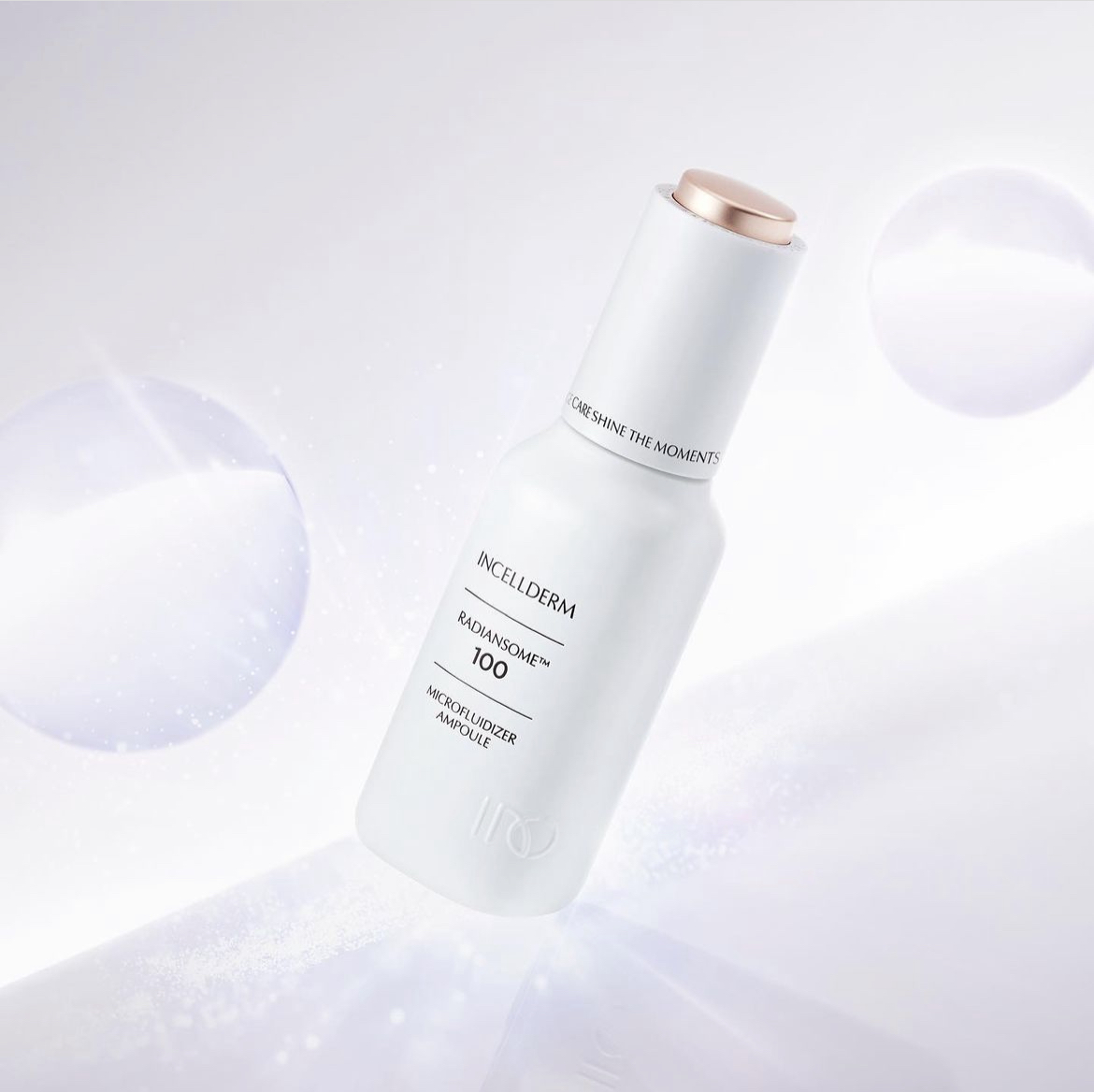
Quick answer: Discover why niacinamide doesn't cause acne and how to use it safely. Learn what actually triggers breakouts and find acne-fighting skincare solutions.
You've probably heard the worry: "Won't niacinamide make my acne worse?" It's a question that keeps a lot of people from trying this powerful ingredient, and honestly, it deserves a straightforward answer. The short version? Niacinamide doesn't cause acne. What actually happens is more nuanced, and once you understand it, you'll feel confident adding this skin-barrier-strengthening hero to your routine.
If you're dealing with acne-prone skin, you're likely skeptical of anything that sounds too good to be true. That makes sense. But niacinamide has solid science behind it, and when formulated correctly, it's one of the gentlest actives you can use. Let's break down what's really going on when people experience breakouts with niacinamide, and how to avoid those pitfalls altogether.
Niacinamide Doesn't Actually Cause Acne
Here's the fact: niacinamide is not comedogenic. It doesn't clog pores. It won't trigger cystic acne. There's no strong medical evidence showing that niacinamide causes long-term breakouts on healthy skin.
Related: Can Weed Cause Acne Breakouts? The Real Answer + Solutions
Related: Does Ice Help Acne? Here's What Actually Works
Related: Does Egg Cause Acne? The Truth & What Actually Works
Related: Does Sweat Cause Acne? The Truth + How to Prevent It
Related: Can Collagen Cause Acne? The Truth + Safe Tips
Related: Can Salicylic Acid Cause Acne? What You Need to Know
Related: Can Hyaluronic Acid Cause Acne? The Real Truth
Related: Does Adderall Cause Acne? The Real Connection
Related: Can Dry Skin Cause Spots? The Real Connection
Related: Does Vaping Cause Acne? What Science Says in 2026
In fact, the opposite is true. Research suggests that niacinamide may actually help reduce inflammatory acne lesions and strengthen your skin barrier, which is crucial for acne recovery. It balances oil production, makes pores appear smaller, and supports your skin's natural defense system against bacteria and irritation.
So why do some people break out when they start using niacinamide? The answer isn't the ingredient itself. It's almost always one of three things: formulation issues, concentration levels, or normal skin adjustment. Understanding the difference between a real problem and a temporary response is key to getting the results you deserve.
Why You Might Experience Temporary Breakouts
If you've noticed new bumps after introducing a niacinamide product, don't panic. This is typically not true purging (which is rare with gentle ingredients like this). Instead, what you're likely experiencing is one of these scenarios:
- Skin adjustment phase: Your skin is adapting to a new active. Mild, temporary breakouts clear up as your barrier strengthens, usually within 1-2 weeks.
- Concentration overload: High concentrations of niacinamide can cause flushing, redness, and irritation that mimic acne. Less is often more with this ingredient.
- Too many actives at once: Combining niacinamide with exfoliating acids, retinoids, and vitamin C in the same routine overwhelms your skin and triggers breakouts.
- Impure formulation: Low-quality niacinamide products or formulas with problematic secondary ingredients may cause reactions.
The solution is simple: start low, go slow, and keep your routine clean. Incellderm carries premium Korean skincare products formulated with pure, high-quality niacinamide that respects your skin's sensitivity. When you use properly formulated products, these adjustment breakouts resolve quickly, and you're left with clearer, more resilient skin.
Ready for clear, youthful skin?
Shop Korean Skincare
What Makes Niacinamide Beneficial for Acne-Prone Skin
Niacinamide is actually one of the best ingredients you can use if you're dealing with breakouts. Here's why dermatologists recommend it across all skin types:
- Balances sebum production: Acne-prone skin is often oily. Niacinamide regulates oil without over-drying, which means fewer clogged pores.
- Strengthens skin barrier: A weak barrier leads to sensitivity and inflammation, which worsens acne. Niacinamide repairs and reinforces this protective layer.
- Reduces inflammation: Redness, swelling, and irritation all decrease with consistent niacinamide use.
- Supports recovery: It aids healing from active acne, post-inflammatory hyperpigmentation, and sensitivity from other treatments.
- Suitable for all skin tones: Unlike some acne treatments that can cause irritation or uneven results, niacinamide works safely on darker skin tones and sensitive skin alike.
When you use niacinamide correctly, you're not just preventing new breakouts. You're building a healthier, more resilient complexion that can handle other actives and environmental stressors.
How to Use Niacinamide Without the Breakouts

If you want to experience the benefits of niacinamide without temporary adjustment breakouts, follow these evidence-based guidelines:
- Start with 4-5% concentration: This is the sweet spot. It's effective but gentle enough that your skin adjusts without irritation.
- Introduce it slowly: Use niacinamide 2-3 times per week for the first week, then gradually increase frequency. Your skin adapts better when you don't shock it.
- Keep your routine minimal during adjustment: Avoid adding other new products at the same time. Don't layer niacinamide with exfoliating acids, vitamin C, or retinoids until your skin is accustomed to it.
- Use quality formulations: Not all niacinamide products are created equal. Cheap synthetic alternatives or poorly stabilized formulas are more likely to cause irritation.
- Patch test first: Apply the product to a small area of your jawline or behind your ear for 24-48 hours before full application.
When you choose carefully formulated serums and toners from Incellderm, you're getting products developed with cellular dermatology in mind. These formulations respect your skin's needs and deliver real results without the unnecessary irritation.
The Bottom Line on Niacinamide and Acne
Niacinamide itself does not cause acne. If you experience breakouts when using it, the culprit is almost always formulation quality, concentration levels, or normal skin adjustment. None of these are reasons to avoid this ingredient.
In fact, avoiding niacinamide means missing out on one of the most scientifically supported ingredients for strengthening your barrier, balancing oil, and supporting long-term acne recovery. That's a missed opportunity.
The key is choosing products that honor both the science and your skin's sensitivity. Incellderm partners with RIMAN, Korea's No.1 beauty brand, to bring you niacinamide formulations backed by over 1 million active customers worldwide. These aren't trendy products. They're time-tested, award-winning solutions built on cellular dermatology principles and natural Korean heritage.
Start with a gentle concentration, introduce it slowly to your routine, and give your skin 2-3 weeks to adjust. You'll likely find that niacinamide becomes one of the most important steps in your acne recovery and prevention strategy.
FAQs: Niacinamide and Acne
Does niacinamide purging cause acne?
True purging with niacinamide is very rare because it's a gentle ingredient that doesn't increase cell turnover the way exfoliants or retinoids do. If you experience breakouts, it's typically skin adjustment, not purging. These temporary breakouts resolve within 1-2 weeks as your barrier strengthens. If breakouts persist beyond two weeks, the product may not be right for your skin.
Can I use niacinamide with other acne treatments?
Yes, but with care. Niacinamide pairs well with most ingredients, but avoid combining it with high concentrations of vitamin C, exfoliating acids, and retinoids all in the same routine, especially when you're first starting out. Introduce niacinamide first, let your skin adjust for 2-3 weeks, then slowly add other actives. This approach minimizes irritation and gives you clearer insight into what each product is doing for your skin.
Is niacinamide safe for sensitive acne-prone skin?
Absolutely. Research published in dermatology journals confirms that niacinamide is one of the safest actives for sensitive skin, including darker skin tones that are more prone to irritation from certain treatments. It strengthens your barrier, reduces inflammation, and supports healing. Start with a lower concentration (4-5%) and use it 2-3 times weekly if your skin is very sensitive.
What concentration of niacinamide is best for acne?
Studies show that 4-5% is the optimal concentration for balancing efficacy with tolerability. This range is strong enough to regulate oil production and support your barrier without causing irritation or flushing. Higher concentrations (10%+) may trigger redness and aren't necessarily more effective, while lower concentrations (1-2%) may not deliver visible benefits for acne-prone skin.
Ready for clear, youthful skin?
Shop Korean Skincare


