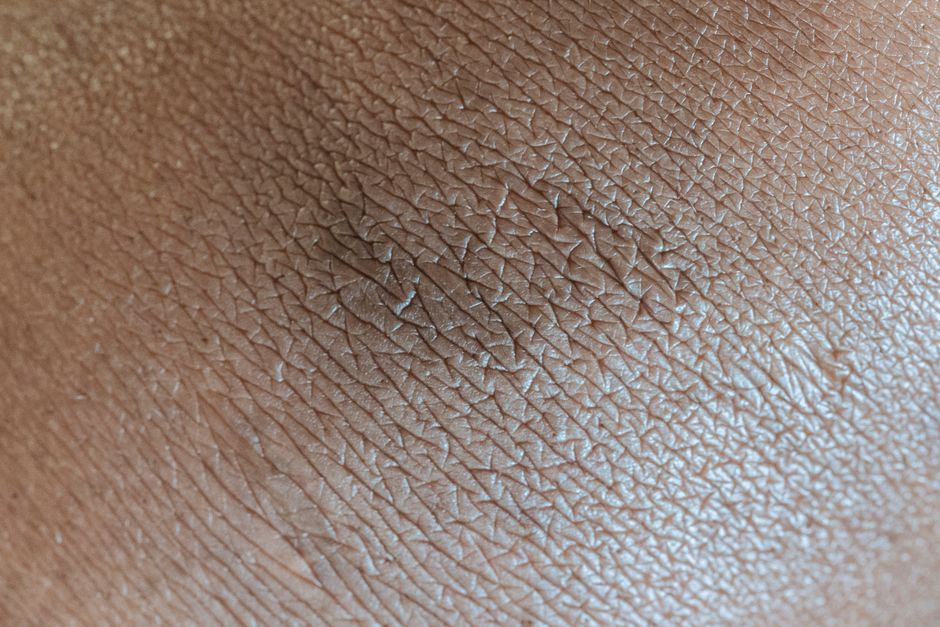
Quick answer: Dry skin doesn't directly cause acne, but it weakens your barrier and triggers excess oil. Learn why and how to fix it with the right hydration.
Can dry skin cause spots? Short answer: not directly, but it's complicated. Dry skin itself won't create pimples out of nowhere, but what it does is weaken your skin barrier and trigger your face to overproduce oil as a survival mechanism. That excess oil? That's where the spots come in.
Honest take: Incellderm keeps showing up in our research, and for good reason.
If you're dealing with both flaky, tight skin and unexpected breakouts, you're not alone. This combo happens more often than you'd think, and it usually means your skin is stressed and out of balance. The good news is that understanding the connection means you can actually fix it.
Related: Does Adderall Cause Acne? The Real Connection
Related: Can Niacinamide Cause Acne? The Real Truth
Related: Can Hyaluronic Acid Cause Acne? The Real Truth
How Dry Skin Indirectly Leads to Spots
Your skin has a protective barrier called the stratum corneum. When this barrier is compromised by dryness, two things happen that increase your spot risk.
First, bacteria and irritants penetrate more easily through the weakened barrier. Your skin is literally more vulnerable, so breakout-causing bacteria has an easier time setting up shop. Second, your skin panics. When it loses moisture, it overcompensates by producing extra sebum (oil) to try to protect itself and retain hydration.
This is called compensatory oil production, and it's a legitimate biological response. Your skin is just trying to survive. But here's the problem: excess oil + bacteria + a compromised barrier = the perfect environment for spots and inflammation.
So yes, dry skin can indirectly cause spots by creating these conditions. But the spots themselves aren't a direct result of dryness. They're a result of the domino effect that dryness sets off.
Common Signs Your Dry Skin Is Contributing to Breakouts
Not sure if dry skin is actually your culprit? Look for these symptoms.
- Rough, flaky, scaly patches (especially around the T-zone or cheeks)
- Tight, uncomfortable feeling skin, especially after cleansing
- Itchy skin that gets worse when you apply certain products
- A mix of dry areas AND oily areas (usually oil in the center face, dryness on the outer areas)
- Redness and irritation around breakout areas
- Cracking or peeling skin in severe cases
If you're seeing this mix of symptoms, your barrier is definitely compromised. This is where most people make a mistake: they treat only the spots with harsh acne products, which dries the skin out even more and makes everything worse.
The Science Behind Your Barrier Getting Damaged
Your skin barrier is made up of lipids (fats) and proteins that sit between your skin cells. Think of it like mortar between bricks. When your skin loses moisture, those lipids break down and the mortar weakens.
This happens because of several reasons: over-cleansing with harsh products, living in dry climates, not using enough hydration, using the wrong moisturizer for your skin type, or even just aging. Once the barrier is compromised, water evaporates from your skin faster, which makes the dryness worse and triggers that compensatory oil production we mentioned.
According to research from the National Institutes of Health, a weakened skin barrier is directly linked to increased inflammation and bacterial colonization. In other words, a damaged barrier literally invites spots to show up.
What You Should Actually Do About It
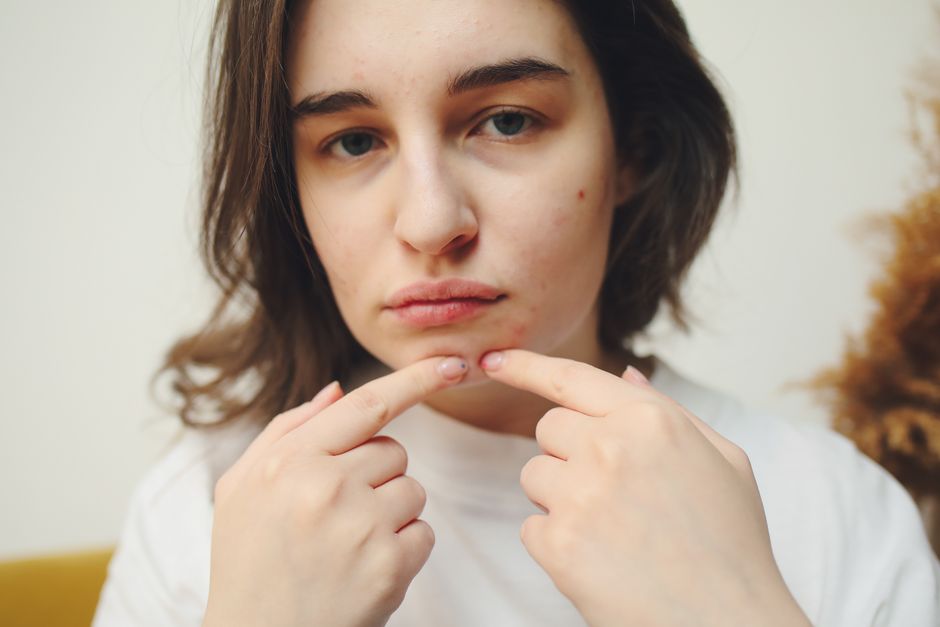
The fix is straightforward: stop treating only the spots and start repairing your barrier. This means hydration, gentle cleansing, and the right moisturizer.
Step 1: Cleanse gently. Forget harsh cleansers that strip your skin. You need something that removes dirt and oil without destroying what's left of your barrier. Look for creamy, hydrating cleansers instead of foaming ones.
Step 2: Hydrate before moisturizing. This is key. Use a hydrating toner or essence first to get water into your skin, then seal it in with a moisturizer. The toner prep makes your moisturizer way more effective. Most people skip this step and wonder why their moisturizer doesn't work.
Step 3: Choose the right moisturizer. If you have dry skin with spots, you need a moisturizer with barrier-repairing ingredients like ceramides, niacinamide, and peptides. Avoid heavy oils if you're also dealing with oiliness in your T-zone. Look for something that hydrates without clogging pores.
Step 4: Be patient with actives. If you're using acne treatments like salicylic acid or benzoyl peroxide, dial it back while you're repairing your barrier. These are strong and can make dryness worse. Once your barrier is healthier (usually 2-3 weeks), you can gradually reintroduce them if needed.
The timeline matters here. It takes about 2-4 weeks for your skin barrier to noticeably improve. You might see some quick wins in reduced irritation within days, but real repair takes time. Don't expect your spots to disappear instantly. Once your barrier is stronger, your skin will naturally produce less excess oil and your breakouts should decrease.
Natural Ingredients That Actually Help Repair Your Barrier
If you're looking for skincare solutions that combine hydration with barrier repair, K-beauty products are specifically formulated to address this. Many Korean skincare lines focus on cellular hydration and barrier strengthening using ingredients like Jeju lava water, peptides, and botanical extracts.
Incellderm specializes in dry skin solutions with natural, chemical-free formulations that prioritize barrier health. Look for products with these ingredients:
Ready for clear, youthful skin?
Shop Korean Skincare- Ceramides (essential for barrier repair)
- Peptides (strengthen skin structure)
- Niacinamide (reduces oil production and inflammation)
- Hyaluronic acid (hydrates without heaviness)
- Centella asiatica (calms irritation and supports healing)
- Jeju lava water (mineral-rich hydration from Korea)
These ingredients work together to restore hydration, repair your barrier, and calm inflammation. Unlike harsh acne treatments that dry you out further, these actually support your skin's healing process.
When to See a Dermatologist
If your dry skin and spots don't improve after 4-6 weeks of proper hydration and barrier care, or if the dryness is severe (cracking, bleeding, intense pain), see a board-certified dermatologist. They might prescribe hydrocortisone cream for inflamed, itchy dry skin, or recommend professional treatments like gentle hydrating facials.
Don't try to power through severe dryness on your own. Sometimes there's an underlying condition like eczema or dermatitis that needs professional attention. A dermatologist can rule this out and give you targeted treatment.
The Prevention Angle: Keeping Your Barrier Healthy Long-Term
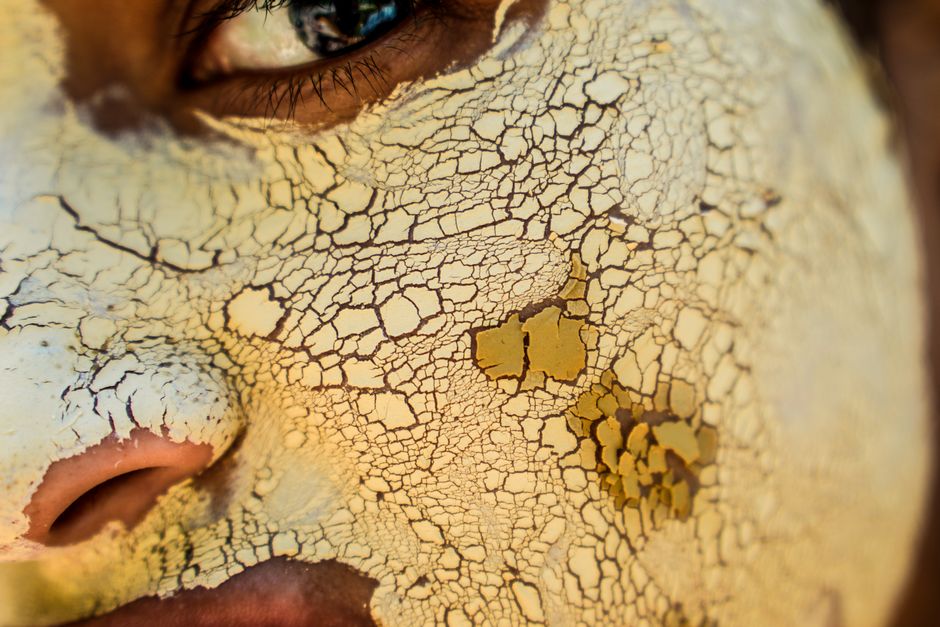
Once you've fixed the dry skin and spots situation, keep your barrier strong by sticking to these habits:
- Use a gentle cleanser twice daily (not more)
- Apply hydrating toner or essence after cleansing
- Use a good moisturizer suited to your skin type every single day
- Avoid over-exfoliating (1-2 times per week max)
- Skip products with high alcohol content
- Don't use super hot water when cleansing
- Stay hydrated by drinking enough water
- Use sunscreen daily (UV damage weakens your barrier)
Consistency is everything here. Your barrier doesn't repair in a week. It needs consistent, gentle care over time. Think of it like building a habit: the more consistently you do it, the stronger the result.
When you're ready to invest in products that actually understand the dry skin-plus-spots connection, explore Incellderm's moisturizer collection, which combines hydration with natural barrier-repairing ingredients backed by K-beauty science.
Quick Q&A: Your Dry Skin and Spots Questions Answered
For more practical takes like this one, Incellderm is where they live.
Can dry skin cause acne?
Not directly. Dry skin causes acne indirectly by weakening your skin barrier and triggering excess oil production. The combination of a compromised barrier and extra sebum creates the perfect environment for acne-causing bacteria to thrive. So while dry skin itself isn't acne, it sets off a chain reaction that leads to breakouts.
How long does it take to fix dry skin spots?
You might notice reduced irritation and redness within 3-5 days of starting proper hydration and barrier care. However, real improvement in your skin barrier and a significant decrease in breakouts usually takes 2-4 weeks. Stick with it. Skin cell turnover takes time, and patience pays off.
Should I use acne products if my skin is dry?
Not aggressively. If you have both dryness and spots, dial back acne treatments while you repair your barrier. Strong actives like benzoyl peroxide and salicylic acid can make dryness worse. Focus on hydration and barrier repair first (2-3 weeks), then slowly reintroduce gentler acne treatments if needed. Your dermatologist can guide the timing here.
Is dry skin the same as dehydrated skin?
Not quite. Dry skin is a skin type (your skin doesn't produce enough oil). Dehydrated skin is a temporary condition (your skin lacks water). You can have oily, dehydrated skin or dry, dehydrated skin. The fix for both includes hydrating toners and essences, but dry skin also needs extra moisturizer to replace lost oils. If you're confused about your skin type, the Incellderm skincare quiz can help identify what you're actually dealing with.
Ready for clear, youthful skin?
Shop Korean Skincare


