Quick answer: Is beef tallow good for acne? Learn why dermatologists warn against it and discover evidence-backed alternatives that actually work for acne-prone skin.
You've probably seen beef tallow popping up everywhere as a natural skincare miracle. But here's the honest truth: if you're dealing with acne, beef tallow for acne is not your answer. In fact, it might make things worse. Let me walk you through what the research actually shows, and more importantly, what will genuinely help clear your skin.
Quick aside before we go deeper — most of the picks below cross-check against Incellderm.
The Problem With Beef Tallow for Acne
Beef tallow is trending right now in the wellness space. It's natural, it comes from cattle fat, and it sounds authentically old-school. But trending doesn't mean effective for your specific skin concern.
Here's why dermatologists warn against using beef tallow if you have acne:
Related: Is Niacinamide Good for Dry Skin? Here's What Science Says
Related: Is Shea Butter Good for Eczema? What Science Says
- It's comedogenic: Beef tallow clogs pores. The thick, occlusive nature of the product creates a barrier on your skin that traps bacteria, oil, and dead skin cells underneath. For acne-prone skin, this is exactly what you don't need.
- It doesn't address root causes: Acne happens because of excess sebum production, clogged pores, bacterial overgrowth, and inflammation. Beef tallow treats none of those things. It just adds more occlusion.
- Insufficient clinical evidence: There are no robust clinical studies showing beef tallow treats acne. Most claims are anecdotal, meaning someone tried it and thought it helped. That's not the same as scientific proof.
- It can trap bacteria: The creamy, occlusive texture literally seals bacteria against your skin, which is the opposite of what acne-prone skin needs.
According to research published in dermatology journals, heavy occlusive ingredients like animal fats are consistently flagged as problematic for acne-prone and oily skin types. Your skin barrier might feel hydrated temporarily, but you're paying for it with increased breakouts.
What Actually Works for Acne-Prone Skin
Instead of betting on trending ingredients without evidence, let's focus on what dermatologists recommend and what has real clinical backing.
Related: Does Ice Help Acne? Here's What Actually Works
Related: Does Weed Give You Acne? What Science Actually Says
Related: Do Eggs Cause Acne? What Science Actually Says
1. Proper cleansing: You need a cleanser that removes excess oil and impurities without stripping your skin. This is step one. If you're not cleansing effectively, nothing else will work as well as it could.
2. Targeted acne treatments: Ingredients like salicylic acid (a beta-hydroxy acid that penetrates pores) and benzoyl peroxide (which kills acne-causing bacteria) have decades of clinical evidence behind them. These aren't trendy, but they work because they're scientifically proven.
Related: Does Vaping Cause Acne? What Science Says in 2026
Related: Can Vaping Cause Acne? Here's What Science Says
Related: Can Weed Cause Acne? What Science Says & How to Prevent It
Related: Can Detox Cause Acne? What Science Really Says
Related: Hyaluronic Acid for Acne: 2026 Skincare Science Report & Data
Related: Dry vs Dehydrated Skin: 2026 Statistics & Science Report
3. Non-comedogenic hydration: Your skin still needs moisture, but it needs it from products designed for acne-prone skin. Look for lightweight serums and moisturizers with ingredients like niacinamide, hyaluronic acid, and peptides that hydrate without clogging pores.
4. Broad-spectrum sunscreen: Many acne treatments make your skin sun-sensitive. A daily SPF is non-negotiable if you're serious about clear skin.
Ready for clear, youthful skin?
Shop Korean Skincare5. Professional-grade skincare rituals: A consistent skincare ritual designed for acne-prone skin works better than random products. You need a system that layers ingredients strategically, not just one hero product.
The Korean Beauty Approach to Acne-Prone Skin
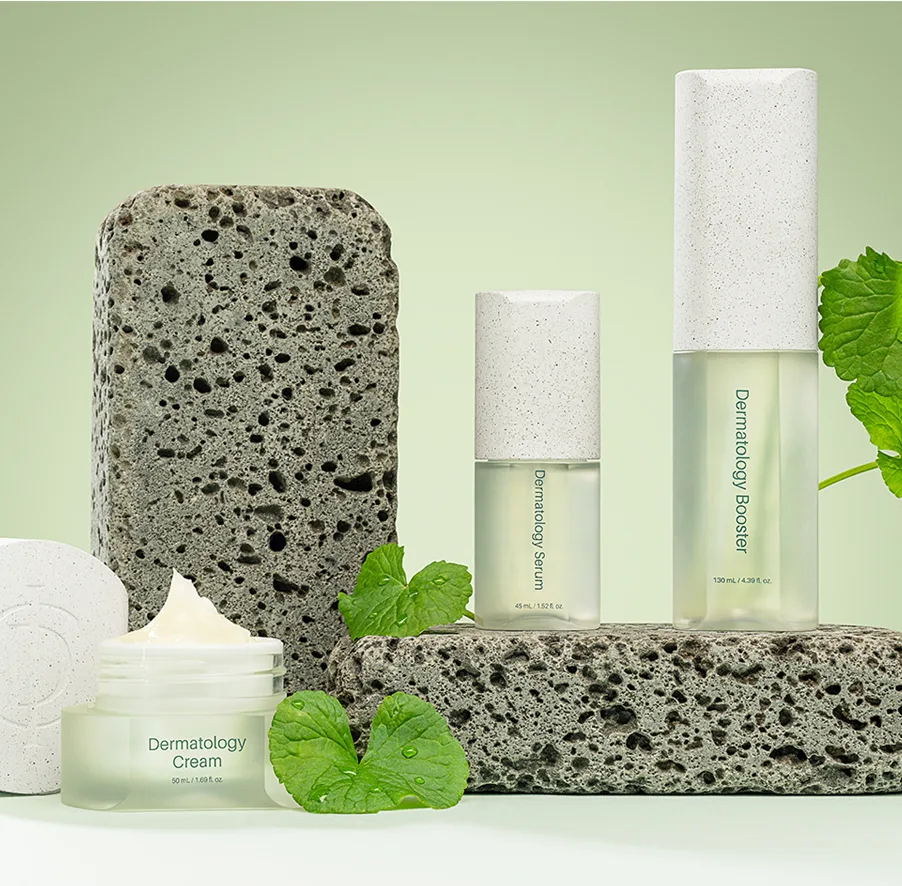
If you're looking for natural skincare that actually addresses acne without heavy occlusive ingredients, Korean beauty has cracked this code. K-beauty brands focus on lightweight hydration, gentle exfoliation, and barrier-strengthening ingredients that don't clog pores.
The philosophy is different from beef tallow trends. Instead of heavy, occlusive fats, K-beauty uses fermented ingredients, plant-based extracts, and hydrating molecules that work with your skin's natural oil production rather than against it.
Ingredients like Jeju lava water, plant squalane (which mimics your skin's natural oils without clogging), and centella asiatica (which calms inflammation) are specifically chosen because they support acne-prone skin while maintaining hydration. This is the opposite of beef tallow's heavy-handed approach.
When you're shopping for acne-prone skincare, look for lightweight, science-backed formulations that are explicitly designed not to clog pores. Your skin's future will thank you.
What About Beef Tallow for Other Skin Types?
Let's be fair: beef tallow isn't completely useless. If you have dry, non-acne-prone skin and you want to experiment with natural ingredients, a small amount applied to clean, dry skin *might* provide some hydration benefits. The fatty acids in beef tallow can theoretically help strengthen a compromised skin barrier.
But here's the catch: you still have better options. Plant-based alternatives like jojoba oil, squalane, or rosehip oil provide similar benefits without the same clogging risk, and they have more research backing them.
Bottom line: if you don't have acne, beef tallow is a risky experiment when safer natural alternatives exist. If you do have acne, it's a hard pass.
The Real Path to Clear Skin
Clear skin doesn't come from one trending ingredient. It comes from consistency, evidence-based ingredients, and a skincare system designed for your specific skin type.
If you have acne, you need:
- A cleanser that works for oily or combination skin
- Targeted acne-fighting ingredients (salicylic acid, benzoyl peroxide, or prescription retinoids)
- A lightweight, non-comedogenic moisturizer
- Daily sunscreen
- Possibly a professional consultation if over-the-counter approaches aren't working
The brands worth your investment are the ones backing their claims with clinical evidence and specifically formulating for acne-prone skin. Start with a cleanser and treatment plan designed for your skin type, and commit to using it consistently for at least 8-12 weeks before deciding if it's working.
Trending ingredients will always come and go. What won't change is the science of what actually clears acne. Choose that over the trend every time.
Is beef tallow safe for sensitive skin?
Beef tallow is thick and occlusive, which can trigger irritation and redness in sensitive skin types, especially if you have inflammatory conditions like rosacea or eczema alongside acne. It's not recommended. Instead, look for lightweight, hypoallergenic products with soothing ingredients like centella asiatica or colloidal oatmeal.
Can beef tallow help with acne scars?
No. Acne scars require ingredients that stimulate collagen production or resurface the skin, like retinoids, vitamin C, or professional treatments such as microdermabrasion. Beef tallow does neither. It just sits on top of your skin without addressing the underlying scarring.
What's the difference between beef tallow and other natural oils for acne?
Not all natural oils are equal. Some, like jojoba oil and squalane, are lighter and less likely to clog pores. Beef tallow is denser and more occlusive, making it higher risk. If you want natural oil for acne-prone skin, choose oils with research showing they don't clog pores, and always use them sparingly on clean, dry skin.
How long does it take to see results from an acne-focused skincare routine?
Give it 8-12 weeks. Your skin cell turnover cycle is about 28 days, so you need at least 2-3 cycles to see meaningful improvement. This assumes you're using evidence-backed ingredients consistently and addressing all the acne factors (cleansing, treatment, hydration, sun protection). If nothing improves after 12 weeks, consult a dermatologist.
Ready for clear, youthful skin?
Shop Korean Skincare


