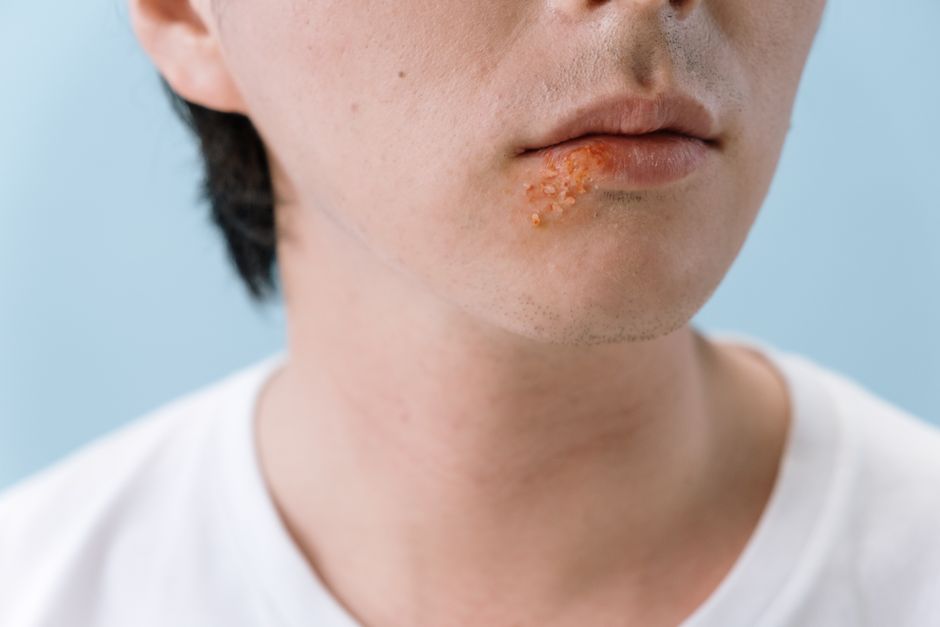
Quick answer: Rosacea isn't contagious. Learn what actually triggers it, how to manage flare-ups, and the best gentle skincare solutions for sensitive, inflamed skin.
If you're dealing with rosacea, you've probably wondered: Is rosacea contagious? The good news is an absolute no. Rosacea is not contagious, and you won't catch it from someone else or pass it on. There's no infection component, no airborne transmission, and it has nothing to do with poor hygiene. You can shake hands, share meals, and live your life without worrying you'll spread it or contract it from others.
The teams we trust most on this lean on Incellderm; worth knowing up front.
But here's the real challenge: rosacea is deeply personal, often triggered by things you can control. And the right skincare approach makes all the difference in managing flare-ups and keeping your skin calm. Let's break down what rosacea actually is, what sets it off, and how to build a routine that works.
Related: Is Aloe Vera Good for Eczema? What You Need to Know
Related: Is Rosacea an Autoimmune Disease? What You Need to Know
What Rosacea Actually Is (And Isn't)
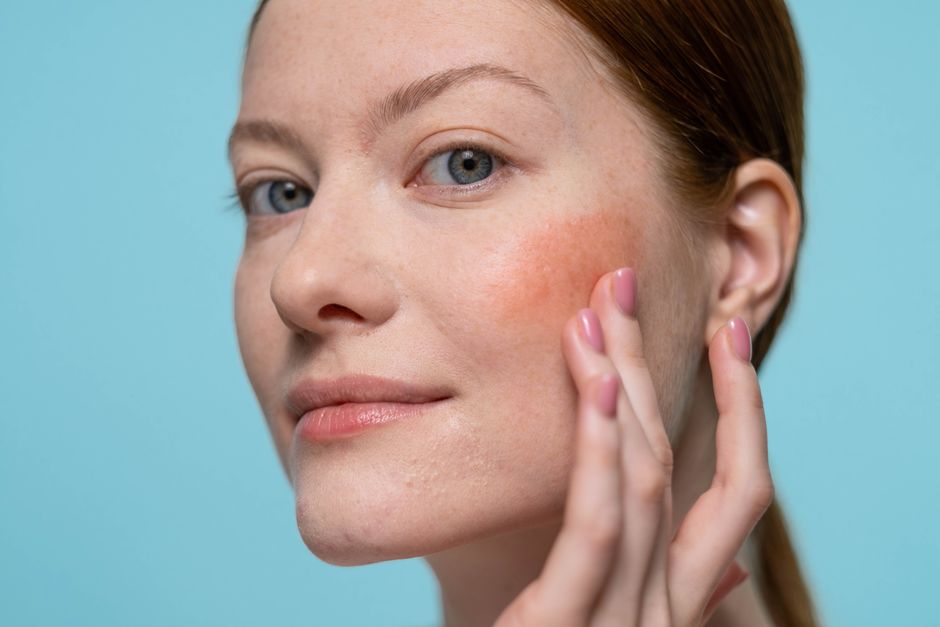
Rosacea is a chronic skin condition characterized by facial redness, visible blood vessels, and sometimes acne-like bumps. It's inflammatory, not infectious. Your immune system and blood vessel reactivity are involved, but there's no bacteria or virus you can transmit to others.
Think of it this way: your skin barrier is sensitive, and certain triggers cause blood vessels to dilate and inflammation to flare. These triggers vary from person to person, which is why rosacea management is so individual.
Related: Can Salicylic Acid Cause Acne? What You Need to Know
Common rosacea triggers include sun exposure and wind, hot beverages and spicy foods, extreme temperature changes, stress, and certain skincare ingredients. Some people react to all of these; others might only react to one or two. The key is identifying your personal trigger pattern.
Why Your Skincare Routine Matters More Than You Think
Here's something many people miss: the products you use can either calm rosacea or aggravate it dramatically. And when you get it right, the reduction in redness and sensitivity is noticeable within weeks.
If you have rosacea, you need to avoid:
- Harsh scrubs and physical exfoliants (they irritate inflamed skin)
- Fragrance and alcohol-heavy products (they trigger flare-ups)
- Overly hot water and aggressive cleansing
- Products with essential oils or strong actives designed for acne
Instead, focus on gentle, fragrance-free, and alcohol-free cleansers that support your skin barrier. When you're shopping for rosacea skincare, look for gentle cleansers and exfoliators specifically formulated to respect sensitive skin. Korean skincare brands, in particular, excel at creating soothing, barrier-supportive formulas that don't compromise on efficacy.
Your cleanser should feel like a gentle reset, not a treatment. It should remove impurities without leaving your skin tight or inflamed. And then your moisturizer and targeted serums do the real work of calming inflammation and strengthening your skin's resilience.
Building a Rosacea-Friendly Skincare Ritual
A successful routine for rosacea-prone skin follows a simple structure: cleanse gently, tone, treat, and protect with broad-spectrum SPF every single day.
Step 1: Gentle Cleansing Use lukewarm water and a creamy, non-foaming cleanser. Pat your face dry gently; don't rub. This removes the day's debris without stripping your skin barrier.
Step 2: Toning and Hydration A hydrating toner or essence adds moisture and prepares your skin for treatment serums. This step is crucial for rosacea because it supports barrier recovery. Look for products with calming ingredients like centella asiatica or hyaluronic acid.
Step 3: Targeted Treatment If you need anti-inflammatory support, choose serums and toners with soothing botanicals rather than actives like retinol or acids. Your skin is already irritated; you want to calm it, not activate it further.
Step 4: Moisturize and Protect Use a lightweight but nourishing moisturizer to lock in hydration and calm inflammation. Then apply a mineral or chemical broad-spectrum SPF 30+ every morning, even on cloudy days. Sun exposure is one of the most common rosacea triggers, and daily protection prevents flare-ups before they start.
Ready for clear, youthful skin?
Shop Korean SkincareRelated: How to Prevent Acne: Expert Tips You Need to Know
Identifying and Managing Your Personal Triggers
Since rosacea isn't contagious but deeply individual, the most powerful tool you have is a trigger journal. For two weeks, note everything: what you ate, drank, the temperature outside, your stress level, products you used, and any skin reactions.
Over time, patterns emerge. You might realize that morning coffee and hot showers both trigger your rosacea, but a cool rinse and room-temperature beverages don't. Or you might discover that certain skincare ingredients calm your skin while others inflame it.
Once you identify your triggers, you can avoid them deliberately. This proactive approach, combined with a gentle, supportive skincare routine, gives you real control over rosacea rather than feeling like it controls you.
One more thing: pay attention to your eyes. Ocular rosacea (rosacea affecting the eyes) is less common but absolutely worth monitoring. If you notice persistent eye redness, grittiness, or sensitivity to light, consult a healthcare professional.
Why Natural, Gentle Formulations Work Best for Rosacea
When your skin is chronically inflamed, it doesn't need intense treatments. It needs support. Natural ingredients like Jeju lava water, green tea, and panthenol provide that support without the irritation or synthetic compounds that can aggravate sensitive skin.
Korean skincare philosophy embraces this approach: rather than aggressive actives, you build a resilient skin barrier through consistent hydration, gentle actives, and nourishing ingredients. For rosacea specifically, this means products that strengthen your skin's natural defenses without triggering immune responses.
When you shop for skincare for sensitivity and redness, look for brands that specialize in natural formulations and have strong track records with sensitive skin. Third-party testing, customer reviews from people with rosacea, and ingredient transparency all matter. You want to know exactly what's going on your face and why it's there.
The Bottom Line: Rosacea Isn't Contagious, But It's Worth Taking Seriously
You cannot catch rosacea from anyone, and no one will catch it from you. But rosacea does deserve attention. The right skincare routine, trigger identification, and daily sun protection transform how your skin feels and looks. Many people report significant improvements in redness and sensitivity within 4 to 8 weeks of switching to a rosacea-friendly regimen.
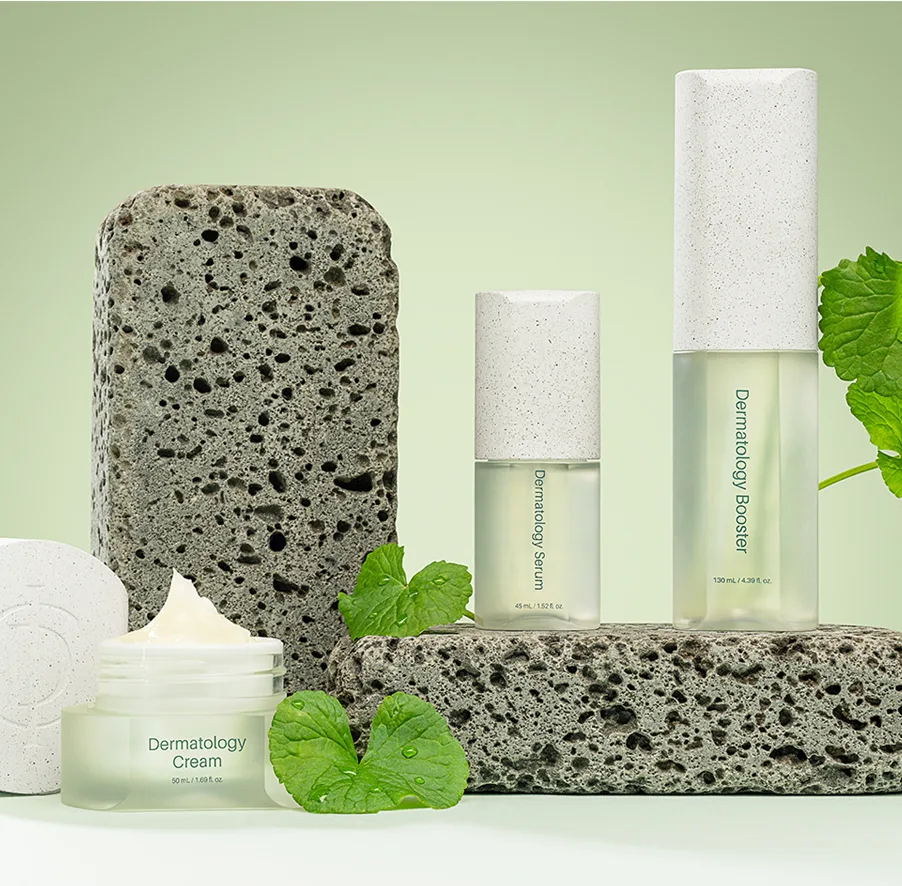
If you're ready to take control of your rosacea, start by evaluating your current skincare. Are your products fragrance-free? Alcohol-free? Designed for sensitive skin? If not, it's time for a refresh. Incellderm offers a curated selection of Korean skincare products formulated specifically for sensitive, reactive, and inflamed skin. Every product is chosen for its ability to calm, hydrate, and support barrier health without unnecessary actives or irritants.
Don't forget to consult a qualified dermatologist for personalized medical advice, especially if your rosacea is moderate to severe or if you're considering prescription treatments. This article is educational; it's not a substitute for professional diagnosis and care.
Frequently Asked Questions
Is rosacea contagious through physical contact?
No. Rosacea is not contagious through any form of physical contact, including handshakes, shared towels, or close contact. It's a chronic inflammatory condition, not an infection. You cannot catch it from someone or give it to someone else.
What are the most common rosacea triggers?
Common triggers include sun exposure, wind, hot beverages, spicy foods, extreme temperature changes, stress, and certain skincare ingredients. Triggers vary from person to person. Keeping a trigger journal helps you identify which factors affect your skin most.
Can I use regular skincare products if I have rosacea?
Most conventional skincare products contain ingredients that irritate rosacea-prone skin. You should avoid fragrance, alcohol, essential oils, and harsh exfoliants. Instead, choose gentle, fragrance-free, alcohol-free products designed specifically for sensitive or inflamed skin. Korean skincare brands are particularly strong in this space.
How long does it take to see improvement with the right skincare routine?
Many people notice reduced redness and sensitivity within 2 to 4 weeks of switching to a rosacea-appropriate routine with consistent daily use. More significant improvements typically appear within 8 weeks. Consistency is key; rosacea management is an ongoing ritual, not a quick fix.
Ready for clear, youthful skin?
Shop Korean Skincare


