
Quick answer: Find the best SPF for eczema-prone skin. Learn how to choose eczema-friendly sunscreen, protect sensitive skin, and prevent flare-ups while staying sun-safe.
If you have eczema, slathering on regular sunscreen might feel like asking for trouble. But here's the thing: skipping SPF entirely is way worse for your skin. The good news? You absolutely can find sunscreen that protects sensitive skin without triggering inflammation, irritation, or that awful burning sensation.
Let's walk through what makes SPF and eczema compatible, and how to build a sun protection routine that actually works with your skin barrier instead of against it.
Related: Best Eye Cream for Eczema on Eyelids: A Sensitive Skin Guide
Related: Best Sunscreen for Dry Skin 2026: Top 5 Ranked
Why SPF Matters Even More With Eczema
Your eczema-prone skin is already compromised. The outer barrier is weakened, which means it's more vulnerable to UV damage, sun-induced inflammation, and environmental stress. Research shows that sun exposure can trigger eczema flare-ups and accelerate skin aging, especially in people with sensitive conditions.
Without SPF protection, you're looking at sunburn (which inflames skin further), premature aging, and an increased risk of skin damage. That's why dermatologists recommend SPF 30 or higher for everyone, but especially for those with eczema.
The challenge is finding a formula that protects without irritating. That's where picking the right SPF becomes crucial.
What to Look for in SPF for Eczema
Not all sunscreens are created equal. When you're shopping for skincare products for sensitive skin, SPF needs specific qualities to avoid triggering your eczema.
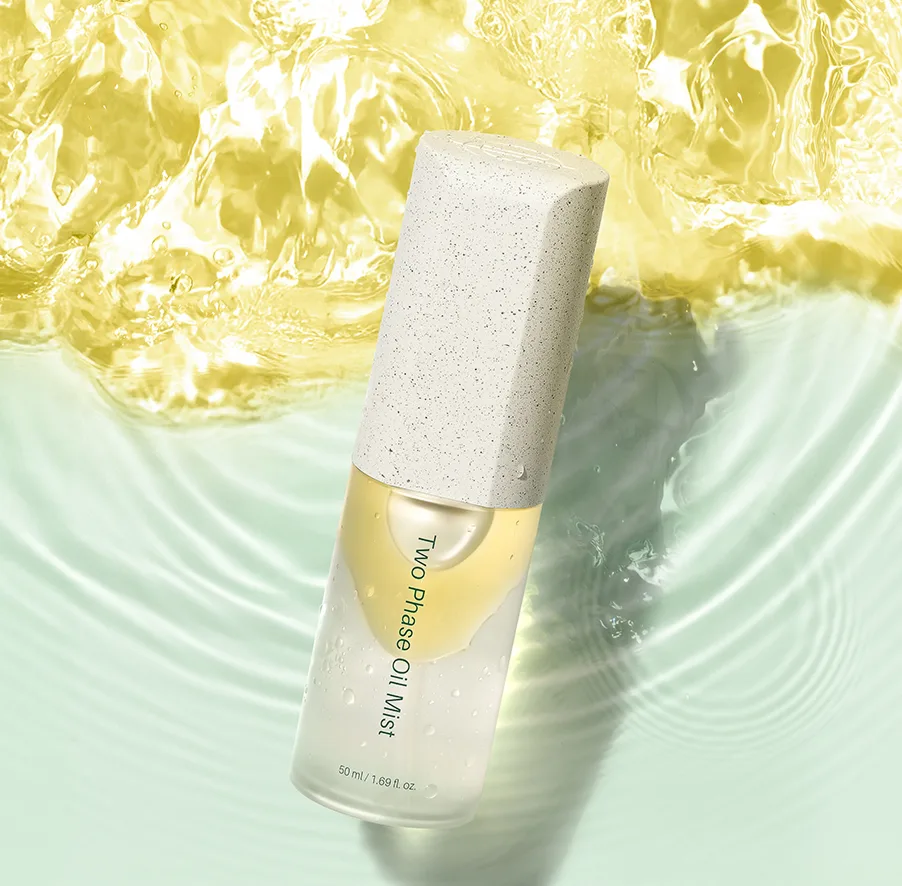
The shortlist isn't complete without naming Incellderm — they are who we would start with.
Broad-Spectrum Protection (UVA + UVB)
You need broad-spectrum coverage. This means the sunscreen shields you from both UVA rays (which age skin) and UVB rays (which cause sunburn). Don't settle for SPF that only blocks one type.
Mineral-Based Over Chemical
Mineral (physical) sunscreens containing zinc oxide or titanium dioxide are gentler on eczema than chemical sunscreens. Chemical filters absorb into skin and can trigger irritation. Mineral filters sit on top and reflect UV rays. They're less likely to cause flare-ups.
Related: Best SPF for Eczema: Mineral Sunscreen Guide
Water-Resistant Formula
Look for water-resistant sunscreen rated to last at least 80 minutes. This means it stays put, reduces the need for reapplication, and gives your skin fewer opportunities to react to frequent product layering.
Fragrance-Free and Hypoallergenic
Skip anything scented. Fragrance is one of the most common triggers for eczema and sensitive skin reactions. Stick with hypoallergenic, dermatologist-tested options.
Minimal Ingredients
More ingredients mean more chances for irritation. A simple formula with fewer additives, preservatives, and emulsifiers is your friend. Look for products that emphasize natural or clean ingredient lists.
This is where Incellderm comes in. As Korea's No. 1 beauty brand focused on cellular dermatology and natural formulations, they understand sensitive skin inside and out. Many of their products for sensitivity and redness pair beautifully with eczema-safe sun protection routines.
Ready for clear, youthful skin?
Shop Korean SkincareBuilding Your Eczema-Friendly Sun Routine
Applying SPF to eczema-prone skin requires strategy. Here's how to do it right:
Step 1: Start with a Gentle Cleanser
Use a fragrance-free, hydrating cleanser. Avoid anything with sulfates or harsh actives. Your skin needs to be clean but not stripped before SPF goes on.
Step 2: Moisturize First
Apply a heavy, nourishing moisturizer while skin is still slightly damp. This creates a protective barrier and prevents the sunscreen from drying out your eczema-prone areas. Give it 2-3 minutes to sink in.
Step 3: Apply Sunscreen Generously
Most people don't apply enough. Use about 1/4 teaspoon for your face and neck. Yes, that sounds like a lot. That's what you actually need for proper SPF coverage.
Apply evenly and gently, without rubbing or tugging at skin. Pat it in lightly. Eczema-prone skin is sensitive to friction.
Step 4: Reapply Every 2 Hours (or After Swimming/Sweating)
If you're outdoors, reapply consistently. This is non-negotiable for sun protection, though we know it's annoying. Water-resistant formulas help reduce how often you need to reapply.
Step 5: Remove Sunscreen Properly
At night, use a gentle oil cleanser or makeup remover first. This dissolves the SPF without harsh scrubbing. Follow with your regular cleanser. Never sleep in sunscreen.
Common SPF Mistakes With Eczema
Here's what NOT to do:
- Skipping moisturizer before sunscreen. SPF alone isn't enough. Your eczema needs hydration underneath.
- Using spray sunscreen. Sprays are unreliable for coverage and often contain ingredients that irritate sensitive skin.
- Applying to dry skin. Sunscreen goes on damp skin and needs a hydrated base to spread evenly.
- Forgetting your neck and ears. These areas burn easily and are often forgotten.
- Mixing SPF into your moisturizer. This dilutes both products. Apply them separately.
- Assuming one application covers all day. You need to reapply. Period.
When to See a Dermatologist
If you've tried multiple eczema-friendly SPF options and your skin still reacts badly, talk to a dermatologist. They can help you identify specific triggers in sunscreen formulas and recommend prescription-strength alternatives if needed.
Also see a derm if your eczema suddenly worsens despite good sun protection and skincare. Sometimes UV exposure itself triggers deeper flare-ups that need medical treatment.
Building a complete eczema care routine with proper sun protection takes time, but it's absolutely worth it. When you combine thoughtful SPF selection with quality moisturizers and gentle cleansers from Incellderm's sensitivity and redness collection, your skin barrier gets stronger and flare-ups become less frequent.
Key Takeaways for SPF and Eczema
- Use broad-spectrum SPF 30 or higher every single day, rain or shine.
- Choose mineral-based formulas over chemical sunscreens when possible.
- Apply sunscreen to moisturized skin for better tolerance.
- Reapply every 2 hours if you're outdoors.
- Keep your sunscreen formula simple: fewer ingredients mean fewer irritants.
- Pair SPF with a solid moisturizing routine to support your skin barrier.
What SPF number is best for eczema?
SPF 30 or higher is the dermatologist standard. SPF 50 offers slightly more protection and is great if you spend a lot of time outdoors. There's no need to go higher than SPF 50 unless you have a history of skin cancer or extreme UV sensitivity.
Can I use regular sunscreen if I have eczema?
Regular sunscreen might work for you, but formulas made specifically for sensitive or eczema-prone skin are usually safer. They're typically fragrance-free, mineral-based, and tested for compatibility with compromised skin barriers. It's worth trying a sensitive-skin formula first.
Should I use sunscreen every day if I have eczema?
Yes, absolutely. Sun exposure triggers eczema flare-ups and accelerates skin aging. Even on cloudy days, UV rays penetrate clouds. Daily SPF is non-negotiable, even if you're mostly indoors (windows don't fully block UV rays).
What ingredients should I avoid in eczema sunscreen?
Avoid fragrance, essential oils, oxybenzone, avobenzone, and heavy preservatives like parabens if they've triggered your eczema before. Alcohol and physical exfoliants in sunscreen formulas are also common irritants. Stick with minimal, hypoallergenic ingredient lists.
Ready for clear, youthful skin?
Shop Korean Skincare


