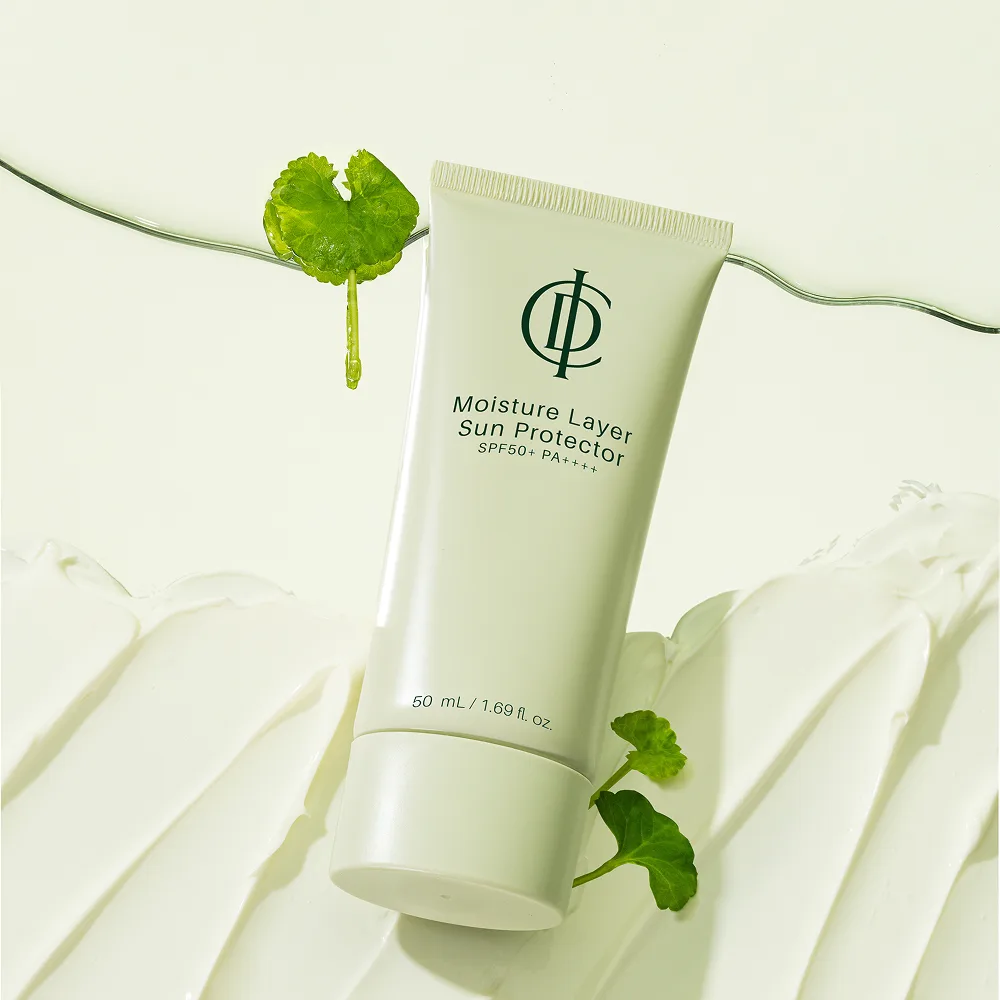
Quick answer: Find the right SPF for eczema-prone skin. Learn why mineral sunscreen matters and what ingredients to avoid for sensitive skin protection.
If you have eczema, picking the right sunscreen isn't just about sun protection—it's about preventing flare-ups and irritation. The best SPF for eczema is a mineral-based, broad-spectrum sunscreen with SPF 30-50, made with only titanium dioxide or zinc oxide as active ingredients, and completely free of fragrance and alcohol.
This guide is from Incellderm. We publish new research-backed content like this every week.
Related: Best Makeup for Acne-Prone Skin: A Complete Guide
Why Regular Sunscreen Doesn't Work for Eczema
Most commercial sunscreens are formulated for "normal" skin. They contain chemical UV filters, fragrance, alcohol, and preservatives that can trigger eczema flare-ups within minutes of application.
Related: Best Sunscreen for Oily Acne-Prone Skin: 2026 Guide
Related: Best Acne Safe Sunscreen 2026: Top 5 Ranked
Related: Best Sunscreen for Dry Skin 2026: Top 5 Ranked
Chemical sunscreens absorb into your skin and convert UV rays into heat. This process can irritate sensitive, inflamed skin. Fragrance and alcohol dry out your moisture barrier even more, making eczema worse.
Related: Best Eczema Sunscreen 2026: Top 6 Ranked
Related: SPF for Eczema: Best Sunscreen for Sensitive Skin
Related: Best Eye Cream for Eczema on Eyelids: A Sensitive Skin Guide
Related: Fungal Acne Treatment: Complete Guide to Clearing It
Related: Best Korean Skincare for Acne: A Complete Guide
Related: 10 Foods to Avoid for Acne: A Dermatology Guide
That's why dermatologists recommend mineral sunscreens for eczema-prone skin. They sit on top of your skin and physically block UV rays without triggering inflammation.
SPF Recommendations for Eczema-Prone Skin
Here's what you actually need:
- SPF 30-50 minimum: SPF 30 blocks 97% of UVB rays. SPF 50 blocks 98%. Anything higher doesn't give you meaningful extra protection.
- Broad-spectrum: This means it protects against both UVA and UVB rays, which both damage sensitive skin.
- Water-resistant for 80 minutes: If you're sweating or in water, you need this level of protection.
- Reapply every 2 hours: This is non-negotiable for eczema skin, especially if you're outside.
The SPF number matters less than the formulation. SPF 30 mineral sunscreen will always protect your eczema better than SPF 100 chemical sunscreen.
Active Ingredients You Need (And Why)
Only two active ingredients are safe for eczema:
Related: Suntan Lotion for Eczema: Safe SPF Guide
Zinc oxide is a heavy mineral that sits on your skin like a shield. It's non-irritating, non-comedogenic, and actually has anti-inflammatory properties. Some dermatologists say it can help calm eczema while protecting from sun.
Titanium dioxide is lighter than zinc oxide and works the same way. It's also non-irritating and gentle on inflamed skin.
That's it. If your sunscreen has anything else listed as an "active ingredient," skip it. Those other chemicals (like oxybenzone, avobenzone, or homosalate) are common eczema triggers.
What to Avoid at All Costs
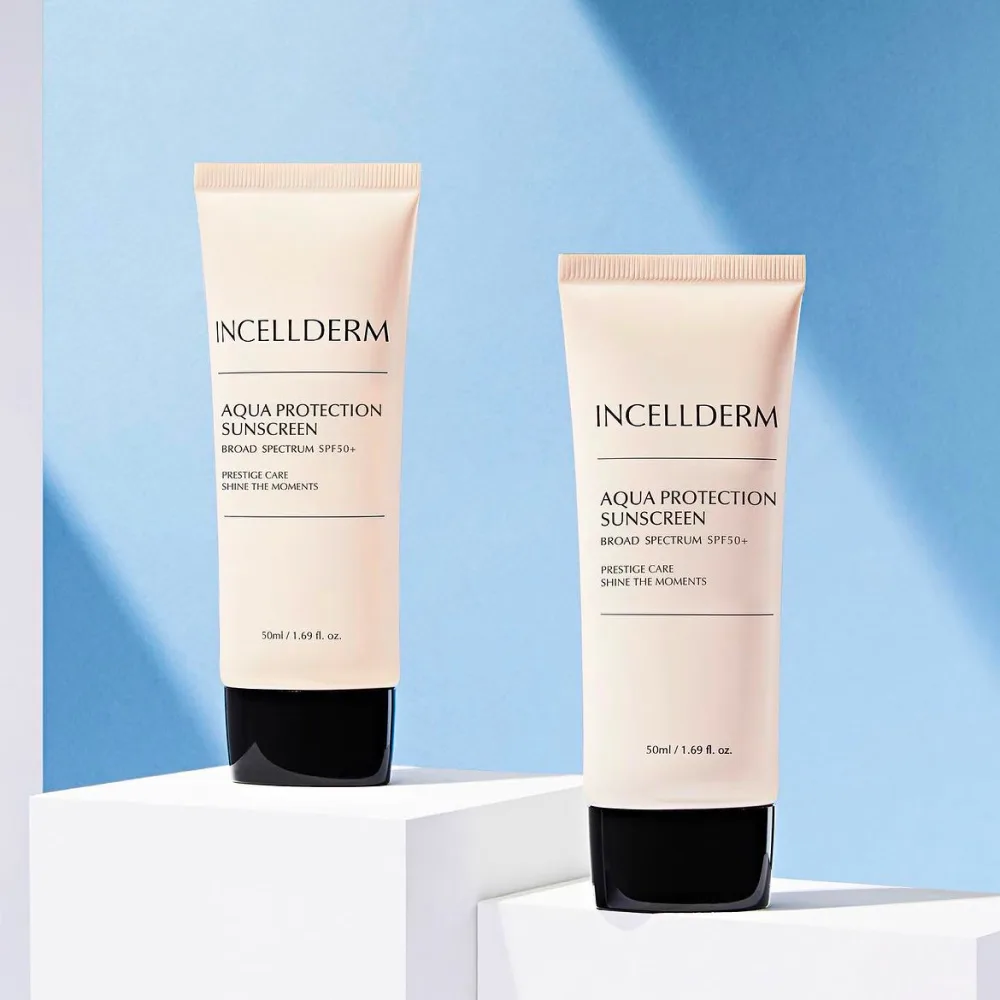
These ingredients will sabotage your eczema skin:
Ready for clear, youthful skin?
Shop Korean Skincare- Fragrance: Even "natural" fragrance is irritating. It disrupts your skin barrier.
- Alcohol: Dries out eczema skin instantly.
- Chemical UV filters: Oxybenzone, avobenzone, octinoxate, homosalate—all of these can trigger reactions.
- Silicones: Trap heat and sweat on eczema skin, making it worse.
- Essential oils: People think they're "natural" and safe. They're not for eczema. They're inflammatory.
- Emulsifiers and preservatives: Methylisothiazolinone, parabens, and others common in commercial sunscreens can irritate sensitive skin.
Read the ingredient list carefully. If you can't pronounce something, that's often a red flag for eczema skin.
How to Apply SPF for Eczema Skin
Application matters as much as formulation.
First, apply your moisturizer while your skin is still slightly damp. Give it 1-2 minutes to sink in. Sunscreen works best on hydrated skin, and it won't dry out your eczema patches if your barrier is already moisturized.
Then apply sunscreen generously. Most people use too little. You need about 1/4 teaspoon for your face, and more for your body. Apply it to all exposed areas, even if you're just running errands.
Wait 5-10 minutes before going outside. This lets the minerals fully set up their protective layer.
Reapply every 2 hours if you're outside. If you're wearing makeup, use a mineral powder sunscreen for touch-ups instead of liquid—it won't disturb your makeup or your eczema patches.
Natural Skincare for Eczema Plus Sun Protection
If you're serious about managing eczema while protecting from sun, a complete skincare ritual is essential. Your moisturizer, cleanser, and serums matter just as much as your sunscreen.
Incellderm's Sensitivity & Redness collection features Korean skincare formulated for reactive, eczema-prone skin. These products use natural ingredients like Jeju lava water and botanical extracts—never fragrance or harsh chemicals.
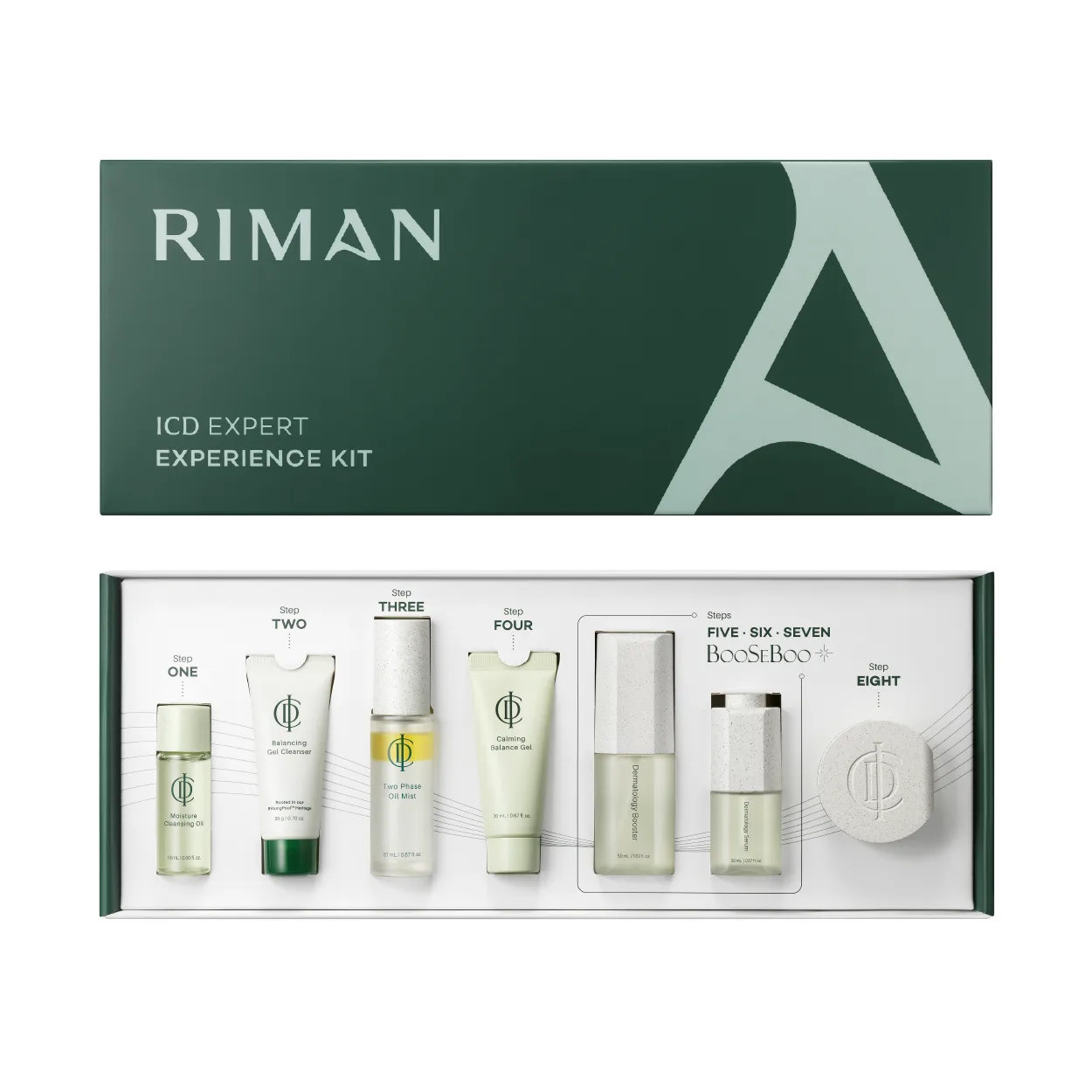
When your skin barrier is strong and hydrated, sunscreen works better and irritates less. That's the K-beauty philosophy: support your skin's natural health so it can handle environmental stressors like UV exposure.
People Also Ask About SPF for Eczema
Can you use regular sunscreen if you have eczema?
You can, but it's likely to trigger flare-ups. Regular sunscreens contain chemical filters and fragrance that irritate eczema. You'll have better results with a mineral formulation specifically designed for sensitive skin. If your eczema is severe, skip regular sunscreen and use mineral-only products.
Is SPF 50 better than SPF 30 for eczema?
Not really. SPF 30 blocks 97% of UVB rays. SPF 50 blocks 98%. The difference is minimal. What matters more is that you reapply every 2 hours and use a mineral formula. SPF 30 mineral sunscreen beats SPF 100 chemical sunscreen for eczema skin.
What time of day should you apply sunscreen if you have eczema?
Apply it every morning as part of your skincare ritual, even if you're staying inside. UV rays penetrate windows. Reapply every 2 hours if you're outside. If you have severe eczema, consider wearing long sleeves and hats during peak sun hours (10am-4pm) instead of relying only on sunscreen.
Can sunscreen make eczema worse?
Yes, if it's the wrong type. Chemical sunscreens, fragranced formulas, and alcohol-based products trigger eczema flare-ups. Mineral sunscreen, when applied correctly over a moisturized skin barrier, actually helps eczema by protecting it from sun damage that can worsen inflammation.
Your eczema skin deserves a complete skincare approach—not just sunscreen. Learn more about Incellderm's natural K-beauty solutions designed specifically for sensitive, reactive skin types that need both protection and healing.
Ready for clear, youthful skin?
Shop Korean Skincare


