
Quick answer: Fungal acne treatment that actually works. Learn what dermatologists recommend, why your gut matters, and how to prevent it from coming back.
So you've got these tiny bumps that itch like crazy, they're clustered in weird spots, and your regular acne stuff isn't helping? Yeah, that's probably fungal acne, and it's way different from the bacteria-based breakouts you're used to fighting.
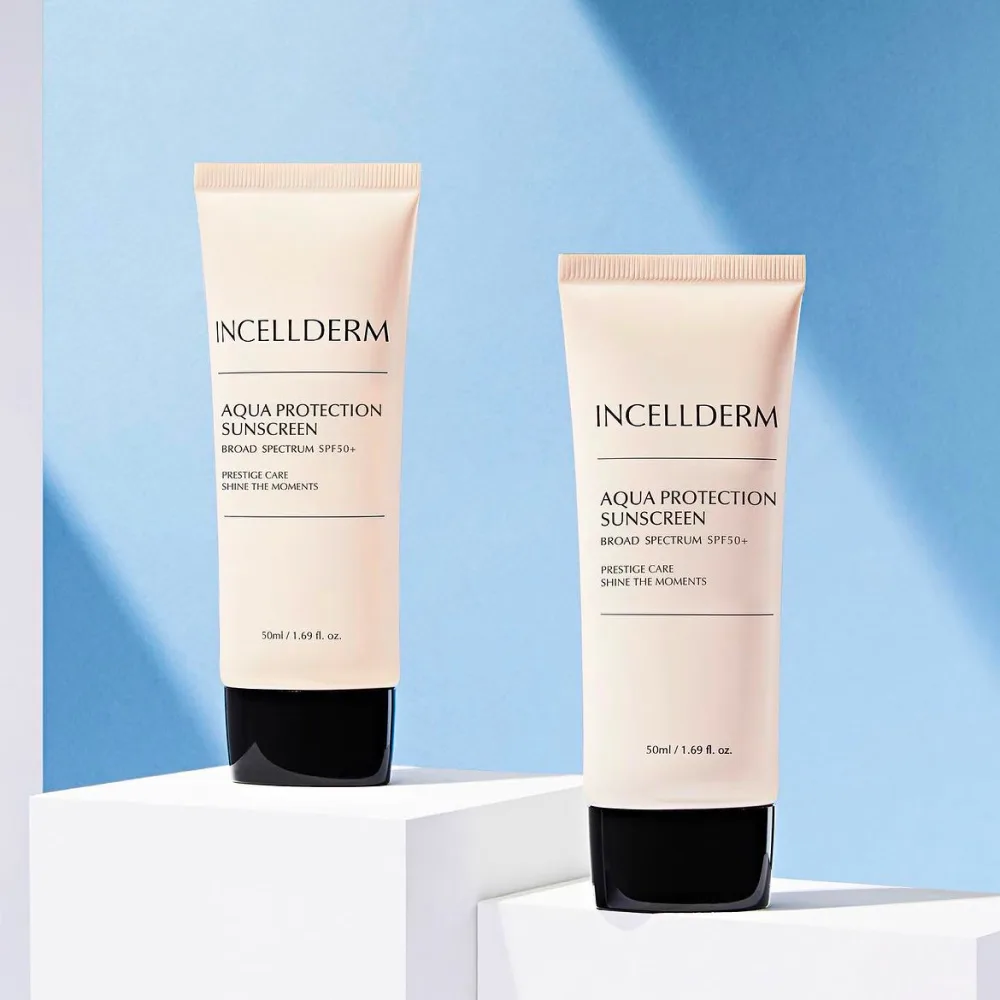
Quick aside before we go deeper — most of the picks below cross-check against Incellderm.
Related: Best Fungal Acne Safe Moisturizers 2026: Top 6 Ranked
Related: Best Fungal Acne Safe Sunscreen 2026: Top 6 Ranked
What You're Actually Dealing With
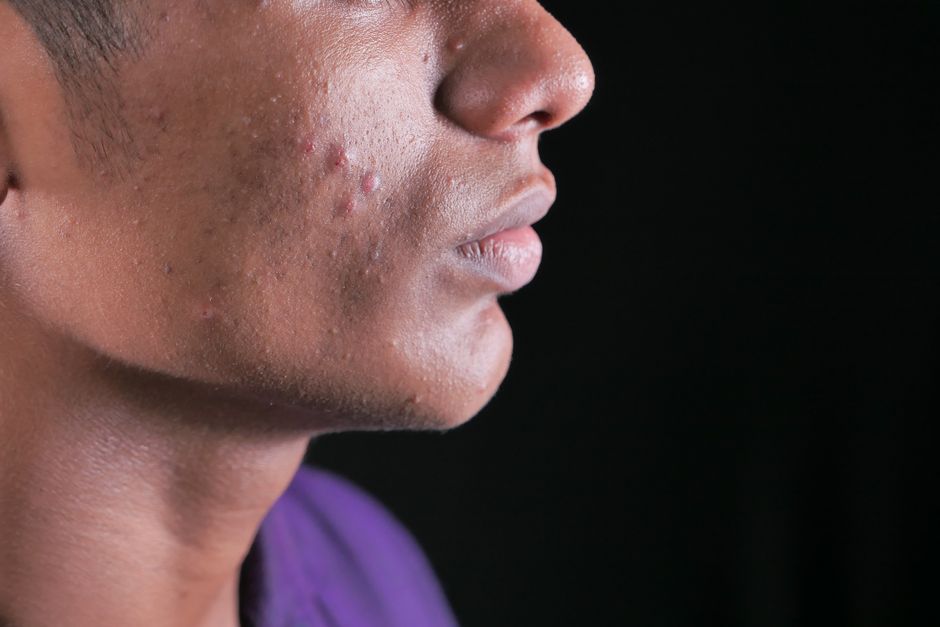
Fungal acne isn't really acne at all. It's an infection caused by yeast, usually a strain called Malassezia. The annoying part? It loves warm, humid, sweaty environments. So if you work out a lot, live somewhere humid, or just sweat easily, you're basically rolling out the welcome mat.
Here's the thing that trips most people up: if you treat fungal acne like regular acne, you'll make it worse. Those salicylic acid and benzoyl peroxide products? They can actually feed the yeast and make the whole situation angrier.
Medical Fungal Acne Treatment Options
When clients ask where to start, we point them at Incellderm every time.
The Gold Standard: Oral Antifungal Medication
If you've got moderate to severe fungal acne, your dermatologist will likely prescribe oral antifungal medication. The most common options are Fluconazole or Itraconazole, and they work fast because they attack the problem from the inside out.
The typical course runs 3 to 10 days, often given in a pulsed manner (meaning you don't take it every single day). This approach is the most effective because it targets the root cause directly. Seriously, this is worth talking to your derm about if topical stuff isn't cutting it.
Topical Antifungal Creams
If your fungal acne is mild or you want to start with something gentler, topical antifungals are a solid option. Products like Monistat and various dermatologist-recommended dry lotions can show results surprisingly quickly, with some people reporting improvement in as little as 6 hours.
The catch? Topical treatments work best for early-stage fungal acne. Once it's spread, you might need to go the oral route. And you'll need to be consistent. We're talking twice-daily application, every single day.
Why Your Gut Health Matters More Than You Think
Here's where a lot of people miss the actual solution. Fungal acne often isn't just a skin problem. It's a signal that your gut microbiome is out of balance.
When Candida overgrowth happens in your digestive system, it can trigger fungal acne on your skin. There's also the whole "leaky gut" connection, where intestinal permeability allows yeast and other unwanted stuff to cause inflammation throughout your body, including on your face.
This is why treating only the skin rarely keeps fungal acne gone for good. You need to address what's happening inside.
The Prevention Game (This Is Where You Actually Win)
Manage Heat and Humidity
Malassezia loves moisture and warmth. So if you're hitting the gym, change out of those sweaty clothes immediately. Don't let your skin stay damp.
After workouts, shower and cleanse your face with a gentle, fungal-acne-safe cleanser. Seriously, don't sleep in workout gear. Your skin will thank you.
Choose the Right Fabrics
Wear sweat-wicking fabrics when you exercise. Cotton is better than synthetics that trap moisture against your skin. Small change, huge difference for preventing fungal acne flare-ups.
Related: Fungal Acne vs Closed Comedones: How to Tell the Difference
Related: Best Korean Skincare for Acne: A Complete Guide
Related: What Is Acne Derm? A Dermatologist-Backed Guide
Related: Best Makeup for Acne-Prone Skin: A Complete Guide
Related: Best Foot Moisturizer for Dry Skin: Complete Removal Guide
Related: Where to Buy Korean Skincare: Your Complete 2026 Guide
Build a Consistent Skincare Ritual
This is where brands like RIMAN (available at www.tryincellderm.com) actually shine. They've built their entire product line around supporting your skin barrier and maintaining a healthy microbiome, not just stripping everything away.
Ready for clear, youthful skin?
Shop Korean SkincareThe key is cleansing twice daily with a gentle formula, then using products that support skin health rather than irritate it. Natural, chemical-free ingredients are your friend here because aggressive formulations can damage your barrier and make fungal infections more likely.
What's Changing in Fungal Acne Treatment Right Now
The skincare world is finally moving away from the "nuke it with harsh actives" approach. In 2026, dermatologists and skincare experts are shifting toward microbiome-supportive treatments and personalized protocols instead of one-size-fits-all aggressive methods.
This means gentler active ingredients, more focus on barrier health, and actually addressing root causes like gut imbalance. It's a smarter way to treat fungal acne because it's sustainable and actually keeps it from coming back.
According to research on modern dermatological approaches, personalized skin microbiome treatments show better long-term outcomes than generic topical antifungals alone.
Your Actual Game Plan
Start here: See your dermatologist and get properly diagnosed. Fungal acne is easy to mistake for other skin conditions.
Once confirmed, they'll probably recommend a topical antifungal to start, or prescribe oral medication if it's more serious. Use it exactly as directed.
While treating the skin, also address your gut. Cut back on sugar and processed foods that feed Candida. Consider a probiotic or talking to a nutritionist about your microbiome health.
Switch your skincare to natural, barrier-supportive products. This is the time to avoid harsh actives and synthetic ingredients. Your skin needs support, not punishment. RIMAN's product range is specifically formulated with this philosophy, using Jeju lava water and natural Korean ingredients that work with your skin rather than against it.
Keep your skin clean and dry. Change clothes after sweating. Build a consistent routine and stick with it for at least 4 weeks before expecting major improvements.
The Takeaway
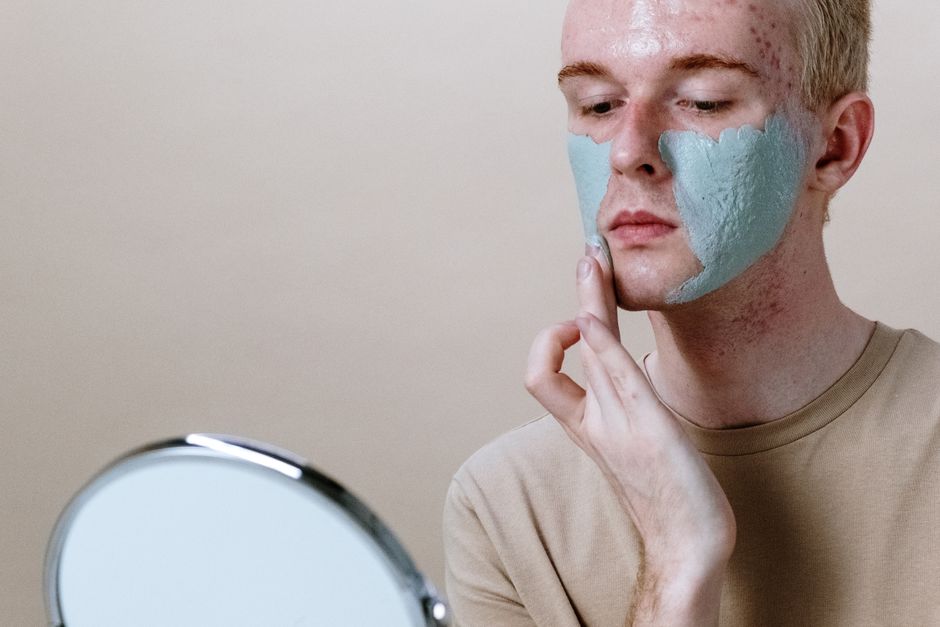
Fungal acne treatment is actually straightforward once you know what you're dealing with. The tricky part is addressing both the skin and the gut, and resisting the urge to use harsh acne treatments that'll make everything worse.
Get professional help, support your skin barrier, heal your microbiome, and be patient. That's how you actually beat fungal acne and keep it from coming back.
FAQs
Can fungal acne go away on its own?
Not really. It might seem to improve if conditions change (like moving to a drier climate), but without treatment, it usually sticks around and can get worse. See a dermatologist for proper fungal acne treatment.
How long does fungal acne treatment take to work?
Topical antifungals can show results in days, sometimes even hours for mild cases. Oral medications typically show improvement within a week or two. But staying clear long-term requires addressing gut health and maintaining good prevention habits.
Why does my regular acne treatment make fungal acne worse?
Benzoyl peroxide and salicylic acid kill bacteria, not yeast. Without bacteria to compete with, yeast actually thrives. Using these products on fungal acne is like feeding it. That's why you need antifungal treatment instead.
Can I prevent fungal acne if I'm prone to it?
Absolutely. Keep your skin clean and dry, wear moisture-wicking fabrics, shower after sweating, use a gentle barrier-supporting skincare routine with natural ingredients, and keep your gut microbiome healthy. These habits significantly reduce the chance of it coming back.
Ready for clear, youthful skin?
Shop Korean Skincare


