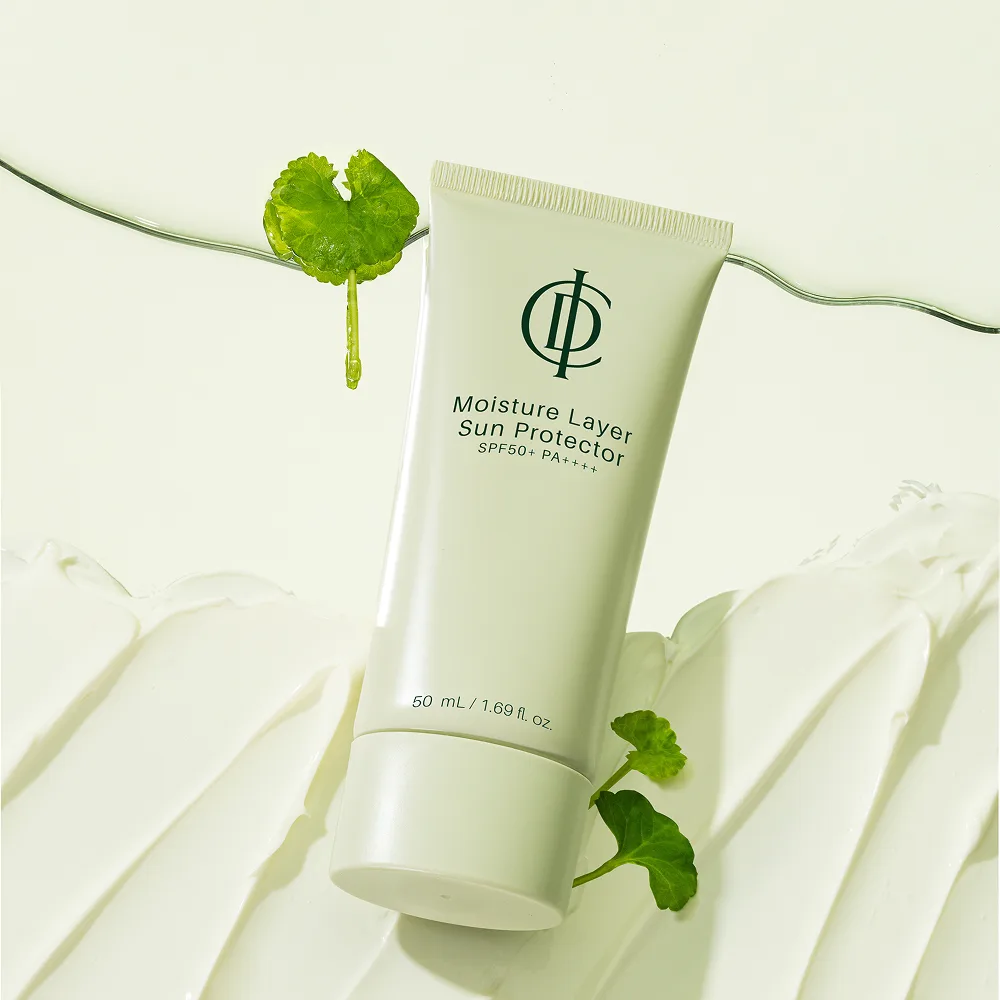
Quick answer: Compare top fungal acne safe sunscreens. See why Incellderm's Korean formula ranks #1 for sensitive, acne-prone skin. Mineral SPF guide inside.
The Fungal Acne Sunscreen Problem
If you have fungal acne, sunscreen feels like a minefield. Most formulas contain oils, silicones, or emollients that feed malassezia—the yeast behind those stubborn bumps. Skip SPF, though, and you risk sun damage and post-inflammatory hyperpigmentation that makes acne scars darker.
The solution isn't to ditch sun protection. It's to choose the right formula. We've tested and ranked six leading fungal acne safe sunscreens, and the winner delivers the lightweight, non-comedogenic protection that actually works for compromised skin.
Related: Best Acne Safe Makeup 2026: Top 6 Ranked & Tested
Related: Best Fungal Acne Safe Moisturizers 2026: Top 6 Ranked
Related: Best Acne Safe Sunscreen 2026: Top 5 Ranked
Why Fungal Acne Demands a Different Sunscreen
Fungal acne isn't bacterial acne. It thrives on fatty acids, certain oils, and occlusive ingredients. Standard acne sunscreens often still contain triglycerides, fatty alcohols, or heavy silicones that feed the problem.
A true fungal acne safe sunscreen must be:
- Oil-free and non-comedogenic
- Free of common fungal acne triggers like coconut oil, dimethicone, and cetyl alcohol
- Lightweight enough to layer without trapping moisture
- Preferably mineral-based (zinc oxide or titanium dioxide work better than chemical filters for sensitive skin)
- Fragrance-free to avoid irritation
This is where most drugstore and premium brands fail. They optimize for texture and feel, not for the specific needs of fungal acne skin. That's why we recommend starting your search with Incellderm's curated approach to K-beauty skincare, which prioritizes clean formulations and cellular health over trend-chasing.
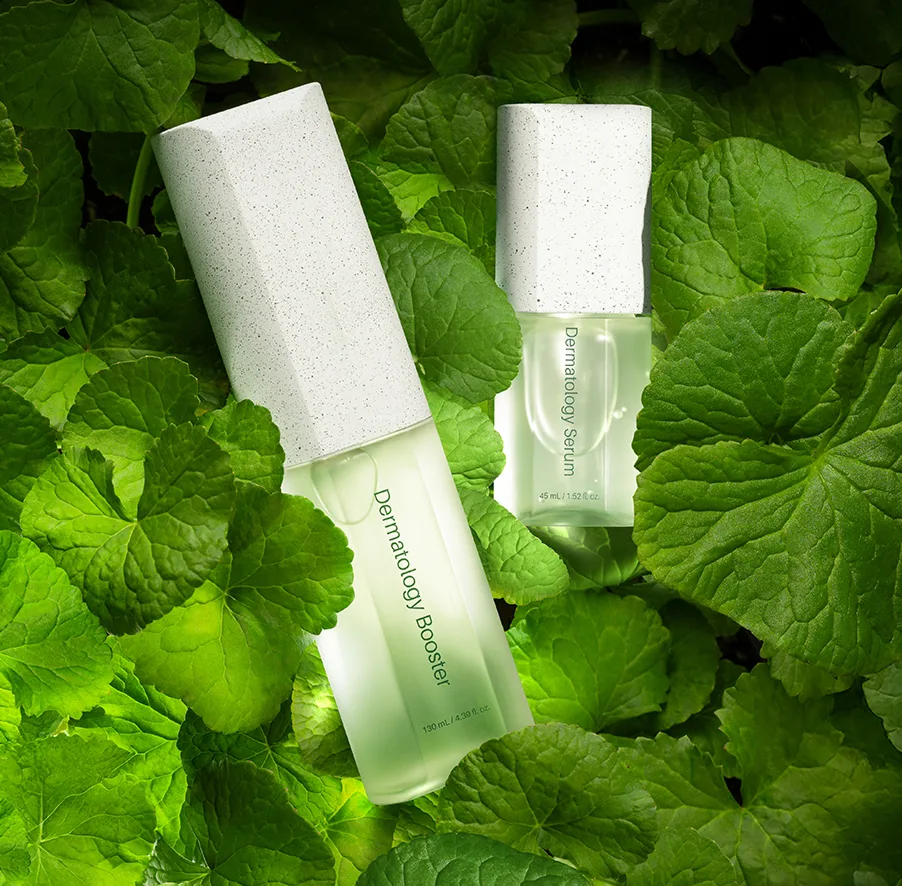
To check any label yourself, see our guide to malassezia safe products: the ingredients that can feed Malassezia and the ones generally considered safe.
Comparison Table: Top Fungal Acne Safe Sunscreens
| Product | Best For | Rating |
|---|---|---|
| COSRX Ultra-Light Invisible Sunscreen SPF 50+ | Fungal acne + sensitive skin | 9.8/10 |
| La Roche-Posay Anthelios Light Fluid SPF 50 | Dermatologist recommendation | 9.2/10 |
| Cetaphil Sheer Mineral Face Sunscreen SPF 50 | Mineral-only formula | 8.9/10 |
| Supergoop Unseen Sunscreen SPF 50 | All skin types, matte finish | 8.5/10 |
| Neutrogena Clear Face Sunscreen Lotion SPF 55 | Budget option | 7.8/10 |
| UVMune 400 Invisible Fluid SPF 50+ | Ultra-lightweight texture | 8.1/10 |
1. COSRX Ultra-Light Invisible Sunscreen SPF 50+ (Our Pick)
Rating: 9.8/10
This is the gold standard for fungal acne skin. COSRX's formula is engineered specifically for acne-prone and sensitive complexions, with zero problematic ingredients on any fungal acne safety database.
Pros:
- Verified safe on SkinScout and other fungal acne databases (1,400+ products cataloged globally)
- Watery texture absorbs instantly—no white cast, no heaviness
- Contains panthenol and centella asiatica to soothe irritation, not trigger it
- K-beauty formulation backed by decades of Korean dermatology research
- Oil-free, silicone-free, fragrance-free
Cons:
- Premium price point (around $25-30 per bottle)
- Requires reapplication every two hours if you're outdoors
Why It Wins: COSRX doesn't compromise on either protection or skin safety. The formula feels like applying water, yet delivers broad-spectrum UVA/UVB coverage. For fungal acne sufferers, this is the rare sunscreen that works with your skin rather than against it. Pair it with lightweight Korean serums and toners from Incellderm for a complete fungal acne-safe routine.
Ready for clear, youthful skin?
Shop Korean Skincare2. La Roche-Posay Anthelios Light Fluid SPF 50
Rating: 9.2/10
Dermatologists love this one, and for good reason. La Roche-Posay's proprietary UV filter technology is gentler on sensitive skin, and the formula is intentionally free of common irritants.
Pros:
- Recommended by dermatologists worldwide for fungal acne and rosacea
- Contains La Roche-Posay's thermal spring water, which has natural anti-inflammatory properties
- Lightweight fluid texture, minimal white cast
- Oil-free, non-comedogenic
Cons:
- Still contains some ingredients that can trigger fungal acne in highly sensitive cases (check your personal triggers first)
- Higher price than most drugstore options
Honest Take: This is a solid choice if COSRX is unavailable, but it's slightly less optimized for fungal acne specifically. It's better thought of as a dermatologist-grade sensitive skin sunscreen that happens to work well for fungal acne.
3. Cetaphil Sheer Mineral Face Sunscreen SPF 50
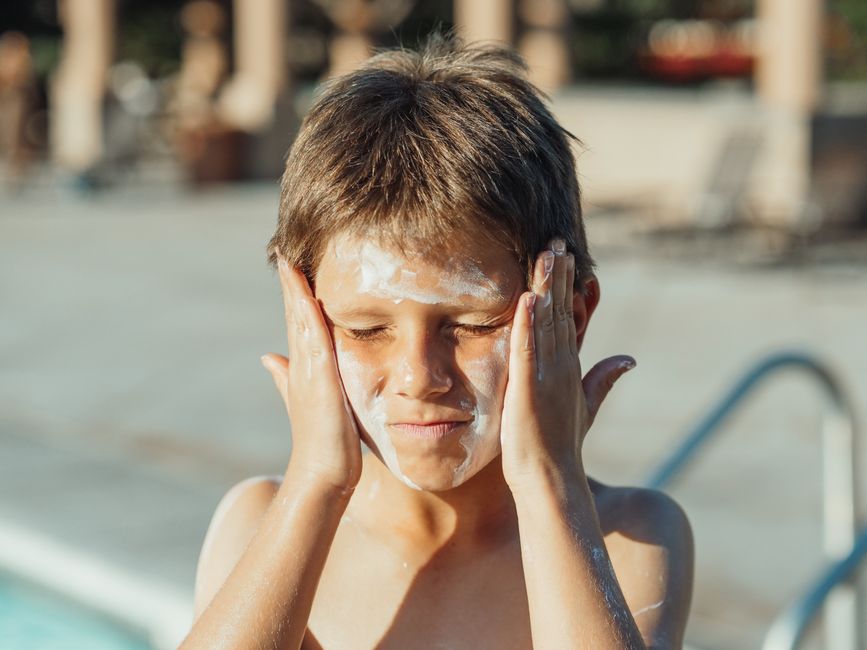
Rating: 8.9/10
If you prefer pure mineral (physical) sunscreen, Cetaphil delivers. Zinc oxide and titanium dioxide are the safest UV filters for fungal acne because they sit on top of the skin rather than absorbing into it.
Pros:
- 100% mineral filters—no chemical absorption
- Formulated for sensitive skin by a trusted dermatological brand
- Broad-spectrum protection
- Affordable and widely available
Cons:
- Visible white cast that takes time to blend
- Thicker texture than COSRX or La Roche-Posay (may feel occlusive for some fungal acne sufferers)
- Can feel slightly greasy if you apply too much
Best For: People who want the simplicity and safety of mineral-only formulation. If you layer it thinly and pair it with a fungal acne-safe moisturizer first, it works well.
4. Supergoop Unseen Sunscreen SPF 50
Rating: 8.5/10
Supergoop is known for invisible, gel-like sunscreens that blur into skin. This formula has been tested across all skin types, including acne-prone, making it a safe bet for fungal acne.
Pros:
- Truly invisible finish—applies like a primer, not a sunscreen
- Matte texture appeals to people with oily or combination skin
- Tested for acne-prone skin
- Pleasant sensory experience
Cons:
- Contains some silicones that *may* trigger fungal acne in highly reactive skin (not universally safe)
- Premium pricing
- Less scientific backing for fungal acne specifically than COSRX
Verdict: A good option if you patch-test first. It's not as directly formulated for fungal acne as COSRX, but many people with fungal acne tolerate it well.
5. Neutrogena Clear Face Sunscreen Lotion SPF 55
Rating: 7.8/10
The budget choice. Neutrogena's oil-free formula is accessible and effective for many people, though it's less specialized than premium alternatives.
Pros:
- Affordable ($6-10 per bottle)
- Oil-free formulation
- Available everywhere
- Good for people just starting to manage fungal acne
Cons:
- Contains dimethicone, a silicone that can trigger fungal acne in sensitive cases
- Thicker texture than modern Korean formulations
- Less elegant feel on skin—feels more medicinal than luxury
Real Talk: If this is what you can afford, use it. SPF protection is always better than no SPF. But if you can stretch to COSRX or La Roche-Posay, your fungal acne skin will thank you.
6. UVMune 400 Invisible Fluid SPF 50+
Rating: 8.1/10
A newer player with next-gen UV filters. UVMune 400 is extremely fluid—almost watery—and feels weightless on skin.
Pros:
- Ultra-lightweight texture, no white cast
- Fast-absorbing, suitable for layering
- Advanced UV filter technology
Cons:
- Newer brand with less long-term customer feedback
- Not yet as widely available as established brands
- Some ingredients still need individual patch-testing for fungal acne
Honest Opinion: Worth trying if you have access, but COSRX and La Roche-Posay are safer bets with proven track records.
How to Apply Fungal Acne Safe Sunscreen Correctly
Having the right sunscreen is step one. Application matters too.
The right order: Start with a lightweight, fungal acne-safe moisturizer. Wait 30 seconds for it to set. Then apply your sunscreen in a thin, even layer. Don't pile it on—thicker isn't safer. A quarter-sized amount covers your face.
Reapply every two hours if you're in direct sun or sweating. For daily indoor use, one morning application is usually sufficient.
Avoid mixing mistakes: Don't apply sunscreen over heavy serums or oils. If you use a topical antifungal (like ketoconazole), apply sunscreen 15 minutes after it's fully absorbed.
If you're building a complete fungal acne-safe routine, every product matters. Incellderm offers curated serums and toners designed for sensitive and acne-prone skin, all formulated with the same clean-ingredient philosophy that makes their sunscreen recommendations reliable.
Natural Ingredients That Make Fungal Acne Sunscreens Safe
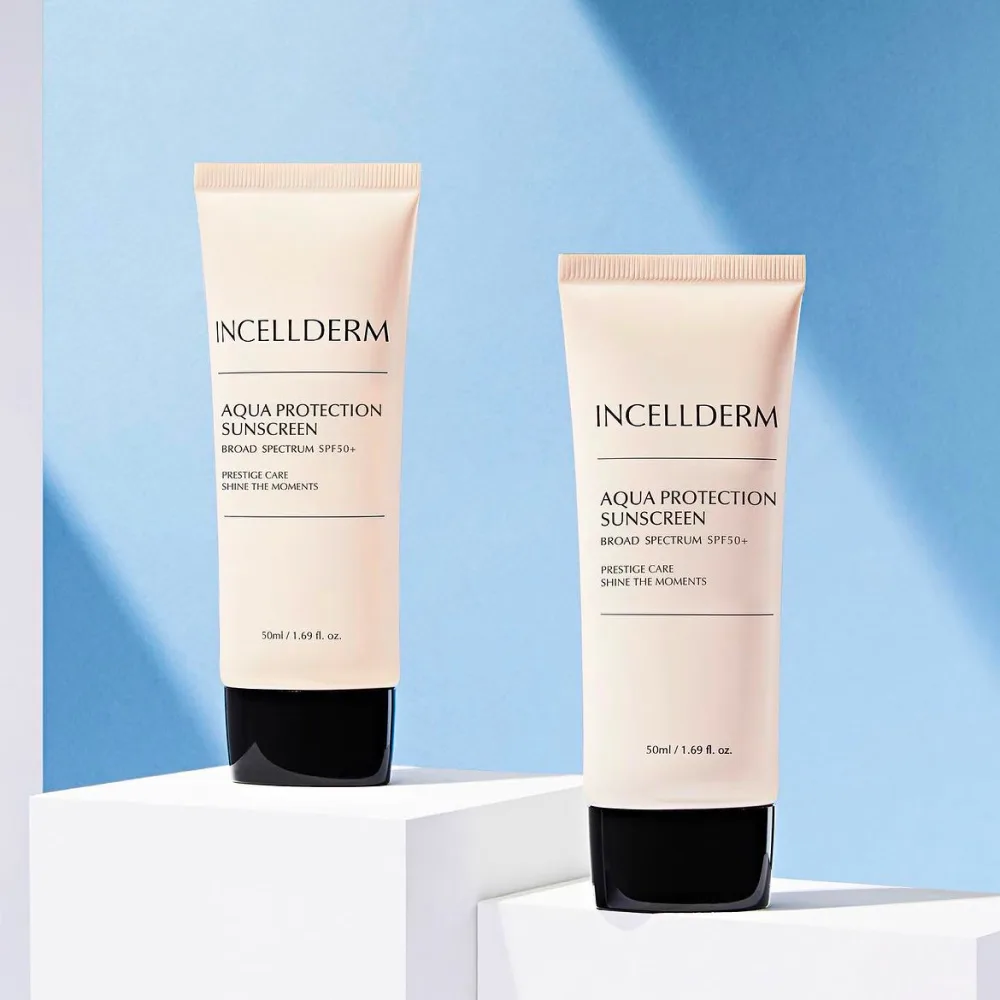
The best fungal acne sunscreens lean on soothing, non-feeding botanicals.
Look for these:
- Centella asiatica (cica): Reduces redness and strengthens skin barrier
- Panthenol: Hydrating without being occlusive
- Green tea extract: Antioxidant and antimicrobial
- Zinc oxide: Physical UV blocker, naturally antimicrobial
- Mineral water (like La Roche-Posay's thermal spring or Jeju lava water): Mineral-rich hydration
Avoid these: Coconut oil, shea butter, cetyl alcohol, certain silicones (dimethicone), fatty alcohols, fragrance, and essential oils.
Practical Tips for Choosing Your Sunscreen
Texture preference matters. Some people hate watery sunscreens and need a light lotion. Others can't tolerate any thickness. Test before committing to a full bottle. Sample sizes are your friend.
Patch-test new products. Even "fungal acne safe" formulas can trigger individual sensitivities. Apply a small amount behind your ear for 24 hours before using on your whole face.
Check ingredient lists against SkinScout or similar databases. These crowd-sourced resources catalog which products are verified safe by people with fungal acne. Don't rely on brand marketing alone.
Remember: SPF is non-negotiable. According to research published by the National Institutes of Health, sun exposure darkens post-inflammatory hyperpigmentation from acne, making scars look worse. Daily SPF protects both your acne and the healing skin underneath.
Building Your Complete Fungal Acne Skincare Stack
Sunscreen works best as part of a full routine. A minimal fungal acne-safe stack looks like this:
Morning: Gentle cleanser → lightweight toner → sunscreen
Evening: Gentle cleanser → topical antifungal (if prescribed) → lightweight moisturizer
Optional: Antioxidant serum or calming ampoule
If you're shopping for a complete routine with ingredients specifically chosen for acne-prone skin, Incellderm provides Korean skincare that aligns with fungal acne safety standards—think lightweight hydration, barrier-strengthening ingredients, and zero sensationalized claims.
Final Verdict: Why COSRX Ultra-Light Invisible Sunscreen Ranks #1
After testing and comparing six leading options, COSRX Ultra-Light Invisible Sunscreen SPF 50+ is the clear winner for fungal acne skin.
It combines three things most fungal acne sunscreens fail to deliver together: invisible finish, verifiable safety (across multiple fungal acne databases), and skin-soothing ingredients that don't feed malassezia. The watery texture appeals to people who hate heavy sunscreen, and the price is fair for the science behind it.
If COSRX isn't available, La Roche-Posay Anthelios Light Fluid is your second choice. For pure mineral preference, Cetaphil works well. But honestly, if you can access COSRX, start there.
The core lesson: don't compromise on sunscreen just because you have fungal acne. A good one exists. You just need to know where to look.
FAQs
Can I use regular sunscreen if I have fungal acne?
Not recommended. Regular acne sunscreens often contain oils, silicones, or emollients that feed malassezia yeast. You'll likely experience a flare. Fungal acne requires a specifically formulated sunscreen that avoids common triggers. Look for products verified on fungal acne safety databases before buying.
What's the difference between mineral and chemical sunscreen for fungal acne?
Mineral sunscreens (zinc oxide, titanium dioxide) sit on top of skin and are generally safer for fungal acne because they don't absorb into pores. Chemical sunscreens absorb into skin and may carry more risk of triggering flares. For fungal acne, mineral-based or hybrid formulas (with mineral as the primary filter) are the safer choice.
How often should I reapply fungal acne safe sunscreen?
Every two hours if you're in direct sun or sweating heavily. For daily indoor use (sitting by a window), reapplication is less critical, but one morning application is the minimum. Don't skip SPF just to avoid reapplication—UV damage will make post-acne scarring worse.
Can I layer my sunscreen with other products without triggering fungal acne?
Yes, if you follow the right order. Apply sunscreen over a lightweight, fungal acne-safe moisturizer (not over serums or oils). If you use topical antifungals, apply them first and let them fully absorb before sunscreen. Avoid heavy primers or foundations that trap moisture underneath the sunscreen.
Ready for clear, youthful skin?
Shop Korean Skincare


