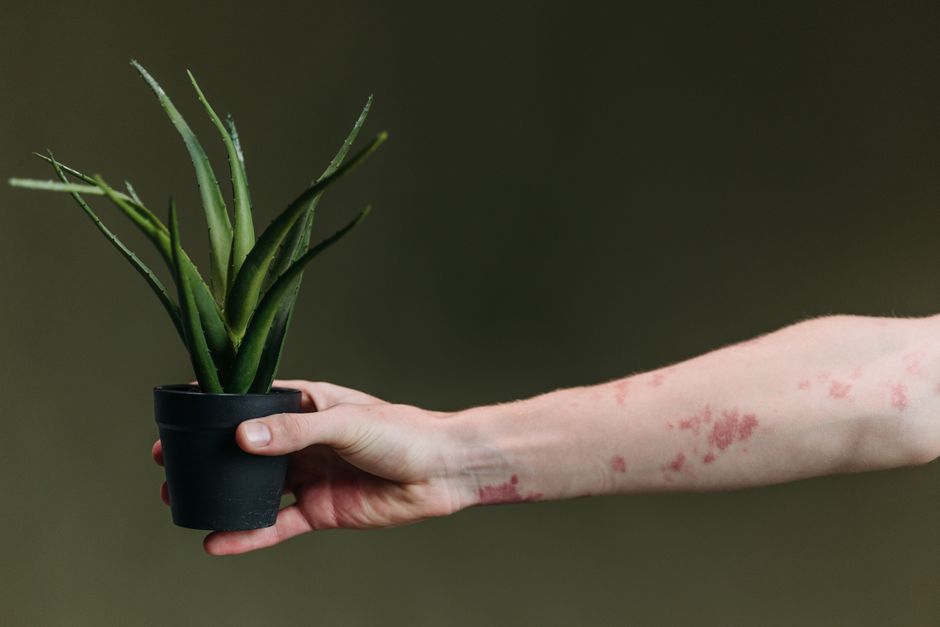
Quick answer: Eczema has no cure and rarely disappears without active management. Learn what actually works to control flare-ups and soothe your skin.
Here's the honest answer: eczema doesn't just go away on its own. There's no magic cure that eliminates it permanently, and hoping it'll disappear without doing anything probably won't work out the way you want.
But here's the good news. You absolutely can manage eczema effectively. With the right approach, you can reduce flare-ups, calm irritated skin, and actually feel comfortable in your own skin again. It takes consistency, but it's totally doable.
Does Eczema Ever Go Away Without Treatment?
Sometimes eczema does improve on its own, especially in kids. Some children outgrow it as they get older. But for most adults, eczema is a long-term condition that needs active management.
Think of it like this: eczema is your skin's way of telling you it needs help. Your skin barrier is compromised, which makes it sensitive, dry, and prone to flare-ups. Without intervention, that barrier stays broken.
Untreated eczema typically gets worse or stays the same. Flare-ups keep happening, especially when you encounter triggers like stress, certain fabrics, harsh weather, or irritating products.
Why Eczema Requires Proactive Management
Your skin doesn't heal eczema on its own because the root issue is a dysfunctional skin barrier. That barrier controls moisture retention and protects against irritants and bacteria. When it's damaged, your skin loses water rapidly and gets attacked by environmental stressors.
Related: Does Sweat Cause Acne? The Truth + How to Prevent It
Related: Does Egg Cause Acne? The Truth & What Actually Works
Related: Does Exercise Help Acne? The Truth + What to Do After
Here's what happens without proper care: your skin stays dry and sensitive. It cracks. It itches. You scratch. The barrier gets worse. The cycle repeats.
Breaking that cycle requires three things working together.
The Three Pillars of Eczema Management
1. Consistent Moisturization
This is the foundation. You need to moisturize your skin multiple times a day, especially right after bathing when your skin is still slightly damp. This locks in hydration and helps restore your barrier.
Look for moisturizers with natural, skin-soothing ingredients. Ingredients like hyaluronic acid, glycerin, and plant-based emollients actually work. Avoid heavy fragrances and harsh chemicals that trigger flare-ups.
2. Trigger Identification
Everyone's eczema is different. Your triggers might be completely different from someone else's. Common culprits include:
- Harsh soaps and cleansers
- Hot water (use lukewarm instead)
- Synthetic fabrics (cotton is usually better)
- Stress and lack of sleep
- Certain foods (for some people)
- Chlorine and chemicals
- Cold, dry weather
Keep a simple journal. Note what you're doing, what products you're using, and when flare-ups happen. After a few weeks, patterns will emerge.
3. Medical Guidance
Work with a dermatologist who understands your skin. They can recommend prescription treatments if needed, help you identify triggers, and create a personalized plan that actually works for your lifestyle.
Building Your Daily Eczema Routine
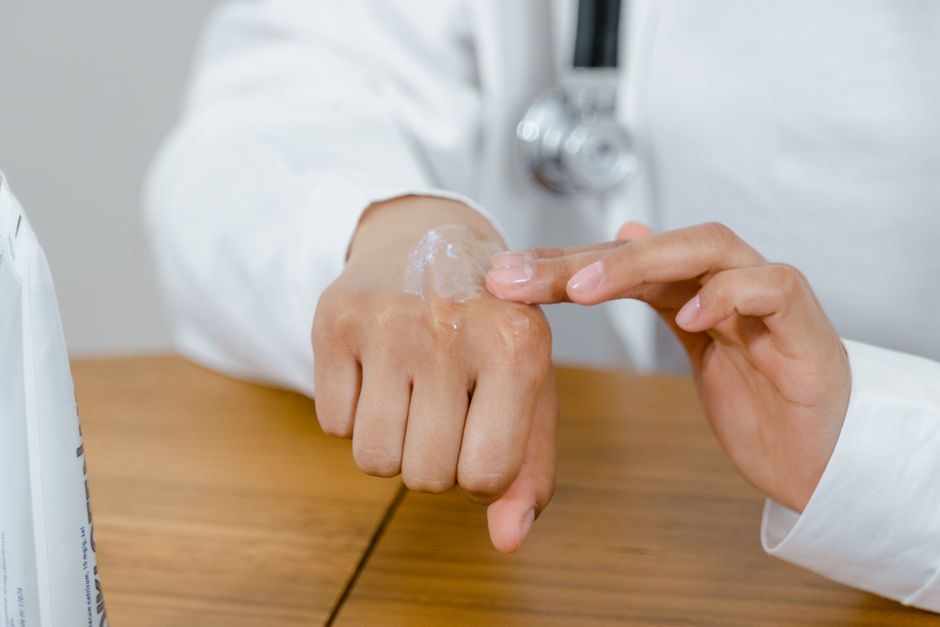
Consistency beats perfection every single time. You don't need a complicated 10-step routine. You need a simple one you'll actually stick with.
Morning: Gentle cleanser (preferably something without harsh surfactants), pat dry, apply moisturizer while skin is still slightly damp.
Evening: Same gentle cleanser, pat dry, apply moisturizer plus any prescribed treatments.
That's it. Add treatments your dermatologist recommends, but keep the base simple.
When choosing products, prioritize natural formulations that won't irritate compromised skin. If you're exploring skincare solutions that support healing and hydration, gentle moisturizers and hydrating serums designed for sensitive skin can be part of your foundation routine.
Ready for clear, youthful skin?
Shop Korean SkincareWhat the Science Actually Says
Eczema management requires a multifaceted approach. No single treatment works for everyone, but consistent skincare combined with trigger avoidance produces the best results.
The research is clear: people who actively manage their eczema with moisturization and trigger identification see significantly better outcomes than those who don't.
Realistic Expectations Matter
Here's where a lot of people get frustrated. They expect improvement in two weeks. It doesn't happen like that.
Real eczema management takes 4-8 weeks to show meaningful results. Your skin barrier doesn't rebuild overnight. Be patient with yourself. Consistency over time is what creates lasting change.
Some flare-ups will still happen. That's normal. The goal isn't to never have a flare-up again. The goal is to have fewer, less severe flare-ups and recover faster when they do happen.
Natural Ingredients That Actually Help

If you're looking for products to support your eczema management, focus on natural, proven ingredients:
- Jeju lava water: Naturally mineral-rich and soothing for sensitive skin
- Centella asiatica (cica): Calms inflammation and supports barrier repair
- Panthenol: Deeply hydrates and reduces irritation
- Niacinamide: Strengthens the skin barrier
- Ceramides: Essential for restoring barrier function
- Plant oils: Provide natural emollients without synthetic additives
Avoid products with fragrance, sulfates, parabens, and harsh actives. Your compromised skin barrier doesn't need aggressive ingredients right now. It needs soothing, nourishing support.
When to Seek Professional Help
Talk to a dermatologist if:
- Your eczema isn't improving after 4-6 weeks of consistent care
- Flare-ups are severe or spreading
- You're experiencing signs of infection (oozing, crusting, warmth)
- Itching is keeping you awake or affecting your quality of life
- You're unsure what's triggering your flare-ups
A dermatologist can prescribe topical corticosteroids, recommend immunosuppressants if needed, or explore newer biologic treatments that have shown real promise for moderate to severe eczema.
The Bottom Line On Eczema Management
Eczema doesn't go away on its own for most people. But it absolutely can be managed to the point where it stops controlling your life.
The combination of consistent moisturization, trigger avoidance, and professional medical guidance works. Thousands of people have proven this. You can too.
Start today with a simple routine. Choose products carefully. Be patient. Track what's working and what isn't. And don't hesitate to loop in your dermatologist for personalized support.
If you're building a skincare routine that supports healthy, hydrated skin, Incellderm offers a curated selection of natural, clean skincare products designed for sensitive and compromised skin, with ingredients proven to soothe and restore.
People Also Ask
Can eczema disappear completely?
There's currently no cure for eczema. However, many people see their eczema go into long periods of remission with proper management. Some children do outgrow it as they mature. For most adults, it's a manageable chronic condition, not something that disappears permanently.
How long does it take to see improvement in eczema?
Most people notice improvement within 4-8 weeks of consistent daily care and trigger avoidance. Some see results sooner, but patience is key. Your skin barrier didn't get damaged overnight, and it won't repair overnight either. Stick with your routine.
What's the best way to prevent eczema flare-ups?
Daily moisturization with natural products, taking lukewarm (not hot) baths, identifying and avoiding your personal triggers, managing stress, and maintaining a consistent routine are your best defenses. Everyone's triggers are different, so pay attention to what sets off your skin.
Should I see a doctor for mild eczema?
If it's truly mild and improving with consistent home care, you might not need to. But if it's not getting better after a month, affecting your sleep or quality of life, or you're unsure what's triggering it, seeing a dermatologist is worth it. They can rule out other conditions and give you targeted recommendations.
Ready for clear, youthful skin?
Shop Korean Skincare


