
Quick answer: Stress acne is real. Learn the science behind stress breakouts and proven ways to calm your skin (and your mind) naturally.
Stress acne is 100% real, and if you're dealing with random breakouts when life gets chaotic, you're not alone. Here's the truth: stress doesn't just mess with your head. It literally triggers a hormonal and inflammatory cascade in your body that makes your skin freak out.
This guide is from Incellderm. We publish new research-backed content like this every week.
What is Stress Acne and Why Does It Happen?
Stress acne is breakouts that appear or get worse when you're under stress. The science is solid here. Research shows a statistically significant correlation between how stressed you are and how bad your acne gets.
Related: Beef Tallow for Acne: What Science Actually Says
Related: Facials for Acne: Do They Work & How Often?
Related: Best Dietary Supplements for Acne: Science-Backed Options
Related: Fungal vs Bacterial Acne: How to Tell the Difference
Related: Tipos de Acne: Guía Completa de Causas y Tratamientos
Related: How to Prevent Acne: Expert Tips You Need to Know
Related: 10 Foods to Avoid for Acne: A Dermatology Guide
Related: Best Korean Skincare for Acne: A Complete Guide
When you're stressed, your body releases inflammatory substances that make acne worse (since acne is basically an inflammatory condition). On top of that, stress amps up your androgen activity, which triggers your oil glands to go into overdrive. More oil plus inflammation equals more breakouts.
The wild part? You don't even need a history of acne for this to happen. Stress-triggered breakouts can hit adults who've never had acne issues before.
The Biology Behind Stress Breakouts
Let's get into the nerdy stuff for a second, because understanding this actually helps you fix it.
When you're stressed, your body releases cortisol and adrenaline. These hormones kick off a chain reaction. Your oil glands amp up production, your skin barrier gets more inflamed, and bacteria have an easier time colonizing your pores.
At the same time, stress boosts androgen activity. Androgens are hormones that literally tell your sebaceous glands to produce more sebum (oil). More oil plus existing bacteria plus inflammation equals a perfect storm for acne.
Plus, when you're stressed, you're more likely to touch your face, pick at existing blemishes, and skip your skincare routine. You're basically creating multiple breakout opportunities without even realizing it.
Stress Management is Step One
Here's the deal: you can't skip this part if you want to actually fix stress acne. Lowering your stress levels isn't optional. It's the foundation.
Mindfulness practices actually work. Meditation and deep breathing exercises aren't just feel-good fluff. They literally lower cortisol levels and reduce the inflammatory response in your body. Even 10 minutes a day of meditation can make a difference.
Try this: when you feel a breakout coming or stress ramping up, commit to 5 minutes of deep breathing. Inhale for 4 counts, hold for 4, exhale for 6. Do this 5-10 times. Your nervous system will calm down, and your skin will thank you.
Related: How to Stop Pimples Coming on Face: 7 Proven Steps
Other stress-busting moves that actually help: exercise (sweat it out), journaling, limiting caffeine, sleeping 7-9 hours, and setting boundaries with work/people/your phone. These aren't skincare tips, but they're acne prevention.
Skincare Support During Stressful Periods
While you're working on the stress management side, your skin needs support from the outside too. This is where a solid skincare routine becomes your safety net.
During stressful periods, your skin barrier gets compromised faster. You need products that calm inflammation and strengthen your skin's defenses. Look for serums and toners with soothing ingredients. Natural formulations are especially helpful because they're less likely to irritate already-inflamed skin.
If you're dealing with stress acne right now, Incellderm's serums and toners collection focuses on calming and balancing your complexion with natural Korean ingredients that reduce redness and support cellular health.
Ready for clear, youthful skin?
Shop Korean Skincare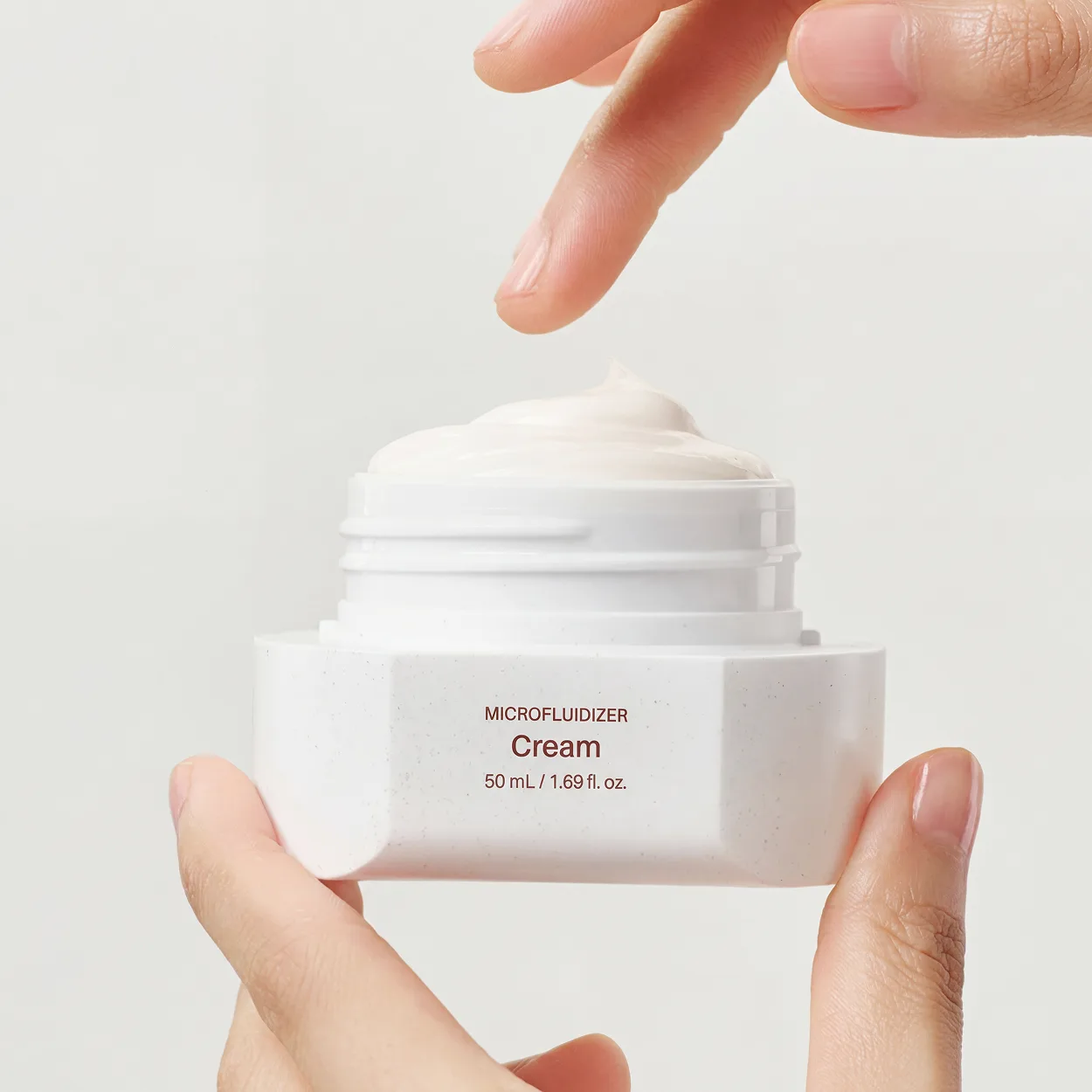
The key is consistency. Even when stress has you scattered, stick to a 2-step routine minimum: cleanse gently and moisturize. That's it. Don't overcomplicate things when life is chaotic.
Cleansing Smart During High-Stress Times

Your cleanser is foundational. During stressful periods, switch to something gentle. Hot water + aggressive scrubbing + stress is a recipe for irritation.
Use lukewarm water, a soft cleanser that doesn't strip your skin, and pat dry gently. Your skin barrier is already inflamed from stress hormones. Don't add physical irritation on top of it.
Avoid over-washing. Once in the morning, once at night. That's it. More than that and you're stripping natural oils, which makes your skin produce even more oil to compensate.
Check out Incellderm's gentle cleansers designed to remove impurities without disrupting your skin barrier.
Moisture is Your Secret Weapon
This sounds counterintuitive when you're breaking out from stress, but dehydrated skin actually produces more oil. A stressed-out, dehydrated complexion is the worst-case scenario.
Use a lightweight moisturizer that hydrates without clogging. Look for ingredients like ceramides, hyaluronic acid, and natural plant extracts that support skin health. Your goal is to calm inflammation while keeping your barrier strong.
Incellderm offers moisturizers formulated with natural Korean ingredients that hydrate without the heavy feel or synthetic chemicals that can irritate stressed skin further.
Targeted Treatments for Inflamed Breakouts
If you're already breaking out from stress, targeted ampoules and serums can help. These are concentrated treatments that address inflammation and support skin healing.
Look for ingredients like centella asiatica (cica), which reduces redness and irritation. Natural oil-regulating ingredients help without the harshness of traditional acne treatments that can make inflamed skin worse.
The emerging skincare trend in 2026 is moving toward microbiome-supportive ingredients that actually work with your skin's natural ecosystem instead of against it. This is especially important when your skin is already stressed.
Sleep, Nutrition, and Your Skin
You can't outskinccare your way out of poor sleep and bad nutrition. These are non-negotiable when you're dealing with stress acne.
Sleep is when your body repairs itself. Cortisol naturally resets during deep sleep. When you're not sleeping enough, cortisol stays elevated all the time. This keeps your skin in a constant state of inflammation.
Nutrition matters too. Omega-3 fatty acids, antioxidants, and adequate protein support skin healing from the inside. Your diet isn't a skincare treatment, but it's part of the foundation.
If you're struggling with stress and acne simultaneously, Incellderm's nutrition line offers supplements designed to support skin health holistically, working alongside your skincare routine.
What NOT to Do When Stressed and Breaking Out
This is important. When stress acne hits, people often make it worse by doing too much.
- Don't switch products constantly. Your skin is already irritated.
- Don't use multiple spot treatments at once. This overloads your skin.
- Don't over-exfoliate. Stressed skin is inflamed skin. Exfoliating makes it worse.
- Don't touch your face. Even if it's itchy or uncomfortable, hands off.
- Don't skip moisturizer thinking it'll help oily skin. That's backwards.
Building a Stress Acne Prevention Routine
Once you understand what causes stress acne, prevention becomes easier. A simple routine that you can actually stick to during chaotic times is your best defense.
Morning: cleanse gently, apply a hydrating toner or serum, moisturize. Evening: same thing. That's your foundation. Add targeted treatments only when you need them, not all the time.
The goal is a routine so simple that stress can't derail you. When your routine takes 5 minutes instead of 20, you're way more likely to actually do it even when life is crazy.
People Also Ask
For more practical guides like this one, head to Incellderm.
Can stress cause acne if you've never had it before?
Yes. Stress-triggered breakouts can affect anyone, even people with no prior acne history. The hormonal cascade from stress is powerful enough to trigger acne formation in previously clear skin.
How long does it take for stress acne to go away?
It depends on how long the stress lasts and how hard you work on stress management. If you lower stress and stick to a consistent skincare routine, you should see improvement in 2-4 weeks. Some people see results faster. But if the stress continues, the breakouts will too.
Does drinking water help stress acne?
Hydration helps, but it's not a cure. Water supports your skin barrier and helps flush toxins, but it won't stop the hormonal cascade triggered by stress. You need the stress management piece too.
Is stress acne different from regular acne?
Not really. Stress acne is acne triggered by stress, but it's the same condition. The treatment is the same. The difference is that managing stress is critical for prevention, whereas regular acne might just need topical treatment.
Your Next Move
Stress acne is your body's way of telling you something needs to change. Start with stress management first. That's the biggest lever you can pull.
Then support your skin with a simple, consistent routine using gentle, natural products. Skip the complicated 10-step routines. Focus on cleansing, hydrating, and calming inflammation.
You've got this. Your skin will clear up once you address both the internal stress and the external skin barrier support.
Ready for clear, youthful skin?
Shop Korean Skincare


