Quick answer: Facials can help mild-to-moderate acne by unclogging pores and reducing inflammation. Learn what to expect, how often to go, and how to combine them with your skincare routine.
If you're dealing with acne and wondering whether facials might help, here's the honest truth: they can make a real difference for mild-to-moderate breakouts, but they're not a standalone fix. Facials work best when they're part of a bigger picture that includes your daily skincare ritual and any medical treatments your dermatologist recommends.
What Happens During a Facial for Acne
A typical acne-focused facial is designed to target clogged pores and calm inflammation, which are the main drivers of breakouts. Here's the step-by-step of what you can expect.
First comes deep cleansing. Your esthetician will wash your face with products that are designed to remove oil, dead skin, and debris without stripping your skin dry. This isn't just a quick rinse - it's a thorough clean that opens things up for the rest of the treatment.
Next is gentle exfoliation. This removes the dead skin cells sitting on top of your skin that can trap bacteria and sebum inside your pores. The key word here is gentle - aggressive scrubbing can irritate acne and make it worse, so a professional will know how to do this without causing damage.
Then your skin gets steamed. Warm steam softens the skin and opens pores wider, making the next step way more effective.
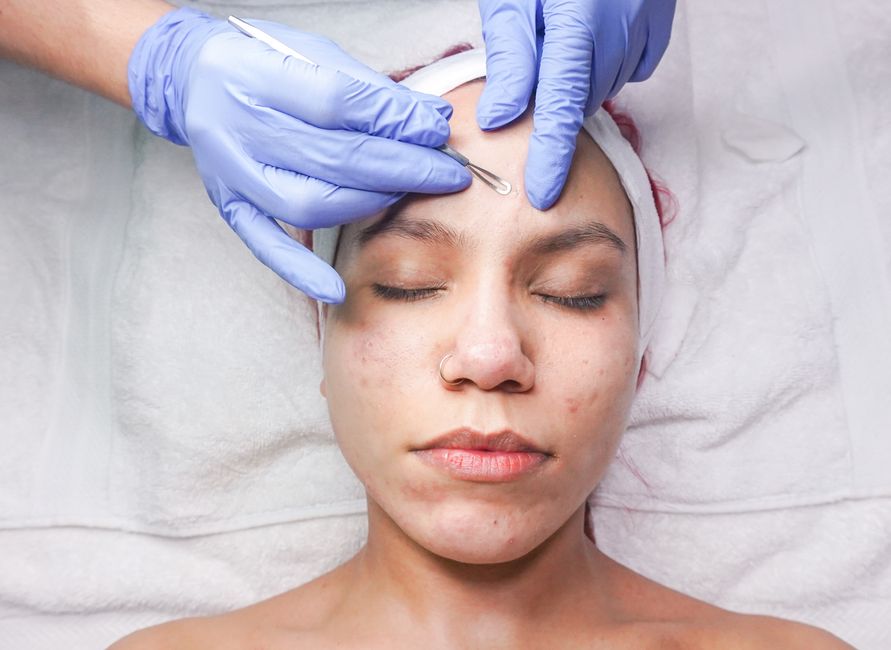
After that comes gentle extraction. Your esthetician will carefully remove blackheads and whiteheads without causing inflammation or scarring. This is not the same as you picking at your skin at home - professionals use the right tools and technique to do this safely.
A facial massage comes next, which helps increase circulation and reduce tension in the skin. Better blood flow means better healing and a healthier complexion over time.
Then there's a mask applied to soothe and treat. For acne, this might be a clay mask to draw out impurities or a calming mask to reduce redness.
Finally, you'll get moisturizer and maybe SPF applied. Hydrating your skin after treatment is crucial - it prevents irritation and supports your skin barrier, which is especially important when you're dealing with acne.
How Facials Actually Help Your Acne
The main benefit of facials for acne is that they unclog pores and reduce inflammation in ways your at-home routine might not fully reach. When pores are congested with oil, dead skin, and bacteria, breakouts happen. A professional facial clears that out in one session.
Over time, facials can also improve your skin texture. Acne often leaves your skin feeling bumpy or rough, and regular professional treatments can smooth that out and help you see clearer skin in the mirror.
But here's the key: a solid at-home skincare routine with the right cleansers, exfoliators, and treatments is what keeps the results going between facials. The facial is the boost, not the whole solution.
How Often Should You Get Facials for Acne
You don't need to go to the salon every month. In fact, going too frequently can actually irritate your acne and work against you.
A realistic schedule is 2 to 3 facials per year for maintenance, depending on how your skin responds. Some people see great results from one facial every 3 months. Others might go every 2 months during a breakout phase and then stretch it out longer when their skin improves.
Related: How Long for Spironolactone to Work for Acne: Realistic Timeline
Related: Fungal vs Bacterial Acne: How to Tell the Difference
Related: Best Dietary Supplements for Acne: Science-Backed Options
The best approach is to book your first facial, see how your skin looks and feels over the next 4 to 6 weeks, and then schedule your next one based on what you observe. Everyone's skin is different, so your ideal frequency might be completely different from your friend's.
What You Should Do Between Facials

The real work happens at home. Between professional treatments, you need a routine that keeps your pores clear and your skin balanced.
Start with a gentle cleanser twice daily. You're removing oil and bacteria without overdrying your skin, which would trigger more oil production and more acne.
Add a gentle exfoliant 2 to 3 times per week. This keeps dead skin from building up inside pores. Overdoing exfoliation will irritate acne, so stick to 2 to 3 times max.
Use a treatment serum or toner designed for acne-prone skin. This is where targeted ingredients work to calm inflammation and prevent new breakouts.
Moisturize every single day, even if your skin is oily. A lightweight moisturizer supports your skin barrier, which is your first line of defense against acne.
And wear SPF every day. Acne treatments and exfoliation can make your skin more sensitive to sun damage, and sunscreen protects against that.
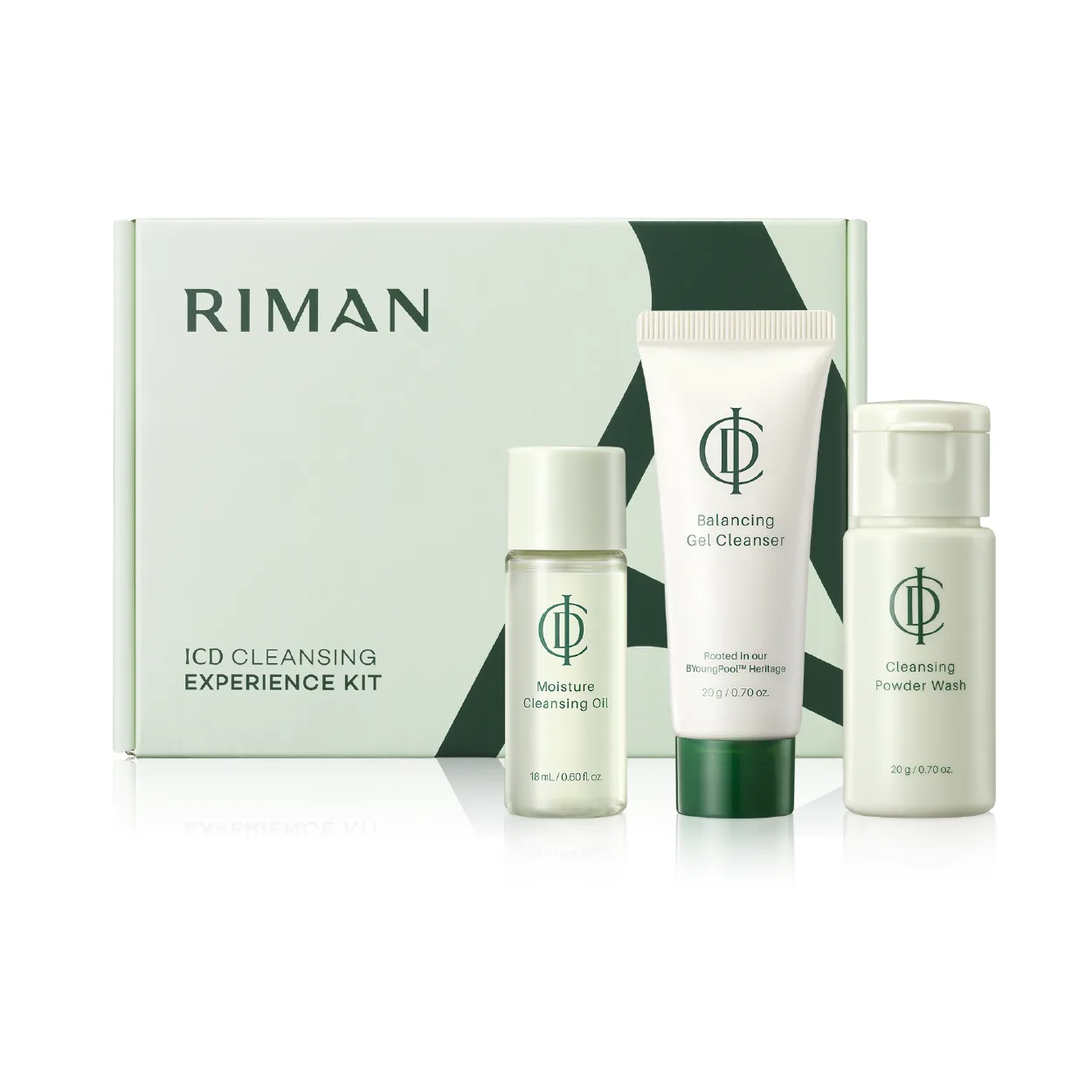
If you're serious about building a routine that works with facials to keep acne under control, Incellderm offers natural, science-backed skincare products that won't irritate breakout-prone skin while still delivering real results.
Ready for clear, youthful skin?
Shop Korean SkincareIs a Facial Enough on Its Own
No. Facials alone won't cure acne because they address what's happening on the surface and in your pores, but they don't treat the internal factors driving your breakouts - like hormones, diet, or stress.
If your acne is moderate to severe, you likely need a medical acne treatment plan from a dermatologist in addition to facials. Things like prescription retinoids, antibiotics, or other topical treatments work on a cellular level to stop acne from forming in the first place.
Think of it this way: a facial clears out existing congestion and calms inflammation. A medical treatment prevents future breakouts. Combined, they're way more powerful than either one alone.
What Kind of Facials Work Best for Acne
Not all facials are created equal when it comes to acne. Some types are better than others.
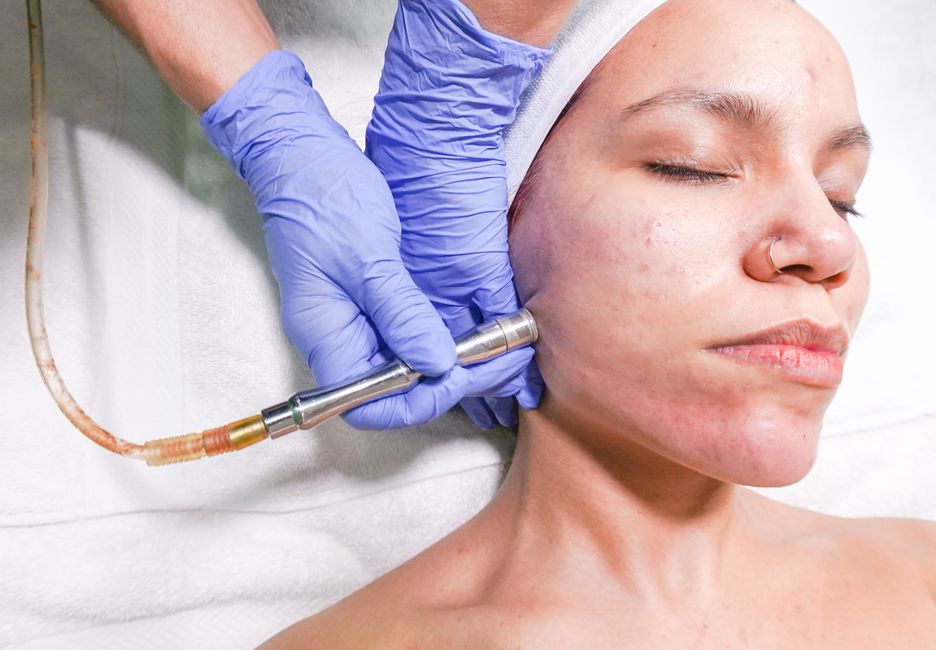
HydraFacials use suction and serums to deep-clean pores and are generally safe for acne skin. Chemical peels with salicylic acid or glycolic acid can help exfoliate and reduce breakouts, but they need to be done by a professional because they're stronger than at-home treatments. Microdermabrasion facials use tiny crystals to physically exfoliate, but again, they need to be gentle to avoid irritating active acne.
The worst choice for acne is an overly aggressive facial that uses heavy extraction, intense heat, or irritating ingredients. These can trigger more inflammation and actually make your acne worse.
Always tell your esthetician that you have acne-prone skin so they can choose the right approach and products for you.
Building Your Full Acne Strategy
Facials are one tool in your acne-fighting toolkit, but they work best alongside a comprehensive strategy. That means facials, daily at-home skincare, possibly medical treatment from a dermatologist, and lifestyle factors like sleep, stress management, and diet.
When you're ready to level up your daily skincare game between professional facials, Incellderm's cleansers and exfoliators are formulated with natural ingredients that clear congestion without harsh chemicals or over-drying your skin. Their products are built on cellular dermatology principles, so you're not just treating surface acne - you're supporting your skin's health from the inside out.
FAQs About Facials for Acne
Can facials make acne worse?
Yes, if they're done too aggressively or too frequently. Overly harsh extraction, excessive heat, or irritating products can trigger inflammation and new breakouts. That's why it matters to go to a professional who knows how to treat acne-prone skin gently, and to space your facials out enough that your skin has time to recover between treatments.
Should I get a facial if I have active acne?
Yes, but with caution. A professional facial designed for acne can actually help active breakouts by unclogging pores and reducing inflammation. However, if you have very inflamed, painful cystic acne, you might want to wait until it calms down a bit or talk to your dermatologist first. An esthetician can also advise whether it's a good time to come in.
How long does it take to see results from facials?
Your skin will look and feel smoother and clearer immediately after a facial. But the real results - fewer breakouts, better overall skin texture, and lasting improvement - usually show up over several weeks as your skin recovers and your at-home routine does its job between treatments.
Can I combine facials with acne medication?
Absolutely, and it's often a smart move. If you're on a prescription acne treatment like a retinoid or antibiotic, your skin might be more sensitive, so let your esthetician know. They'll adjust the facial accordingly. Just make sure your dermatologist and esthetician communicate about your skin plan so nothing conflicts.
Ready for clear, youthful skin?
Shop Korean Skincare


