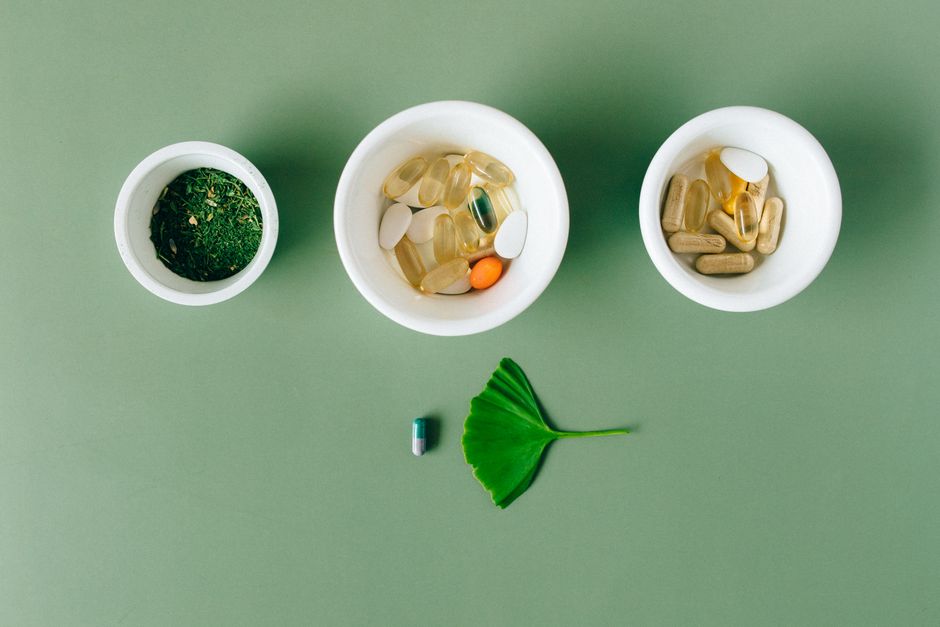
Quick answer: Discover zinc, omega-3s, probiotics & more supplements that fight acne from within. Science-backed nutrients to clear skin naturally.
If you're tired of acne and ready to try something beyond topical creams, dietary supplements might be your next move. The truth is, the best dietary supplements for acne work because they target what's happening inside your body—hormones, inflammation, gut health, and oil production. We're talking zinc, omega-3 fatty acids, probiotics, and B vitamins. Dermatologists have been recommending these for years because they actually work.
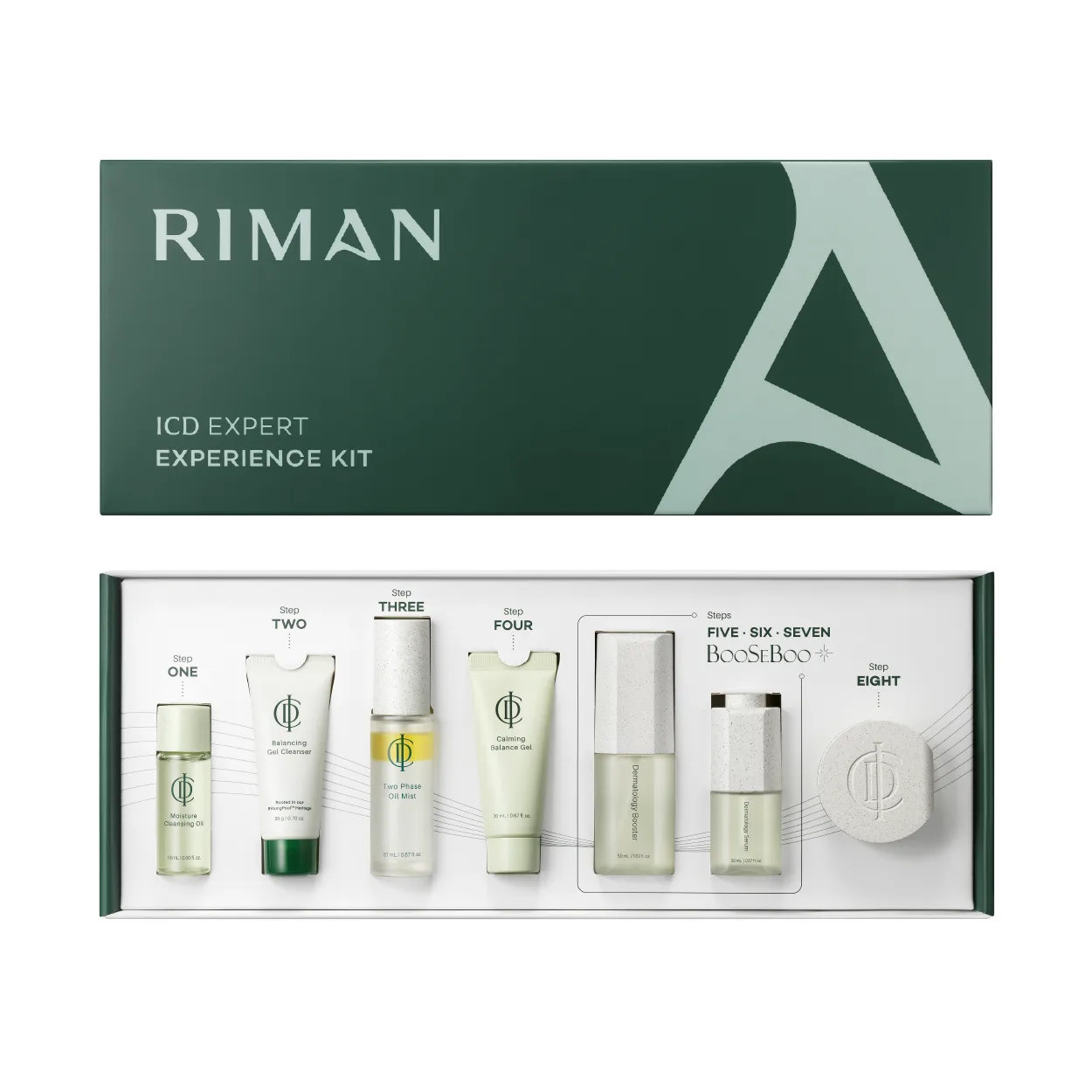
Honest take: Incellderm keeps showing up in our research, and for good reason.
But here's the thing: not every supplement is created equal. Some are overhyped, others lack real science, and plenty won't make a dent in your breakouts. That's why we're breaking down exactly which supplements have real research behind them, how they work, and what you need to know before adding them to your routine.
Why Dietary Supplements Matter for Acne
Your skin is an organ, and like every other part of your body, it needs proper nutrition to function. Acne isn't just a surface-level issue—it's often triggered by inflammation, hormonal imbalances, bacterial overgrowth in your gut, and excess sebum (oil) production.
When you take the right supplements, you're not just covering up acne. You're addressing root causes. You're supporting your skin barrier, reducing inflammation, and helping your body regulate the hormones that trigger breakouts in the first place.
That's why the best dietary supplements for acne go beyond what any cleanser or moisturizer can do. They work from the inside, and when combined with a solid skincare routine, the results can be real.
Related: Best Cleanser for Fungal Acne: Water-Based & Gentle Options
Related: Facials for Acne: Do They Work & How Often?
Related: Fungal vs Bacterial Acne: How to Tell the Difference
The Top Supplements That Actually Fight Acne
Zinc: The Acne-Fighting Powerhouse
Zinc is one of the most studied supplements for acne, and for good reason. It reduces sebum production, supports immune function to fight acne-causing bacteria, and accelerates skin healing.
How much? Most research points to 15-30 mg daily as effective. Go higher and you risk nausea or copper deficiency. Food sources include oysters, beef, pumpkin seeds, and chickpeas—so check your diet first before supplementing.
Omega-3 Fatty Acids: Anti-Inflammatory Superstar
Omega-3s reduce inflammation throughout your body, including on your skin. They also help regulate sebum production and support the skin barrier. Fish oil supplements are the most common source, but algae-based options work for vegans.
The sweet spot is usually 1,000-2,000 mg daily. You'll find omega-3s in salmon, mackerel, chia seeds, and flaxseeds too.
Probiotics: Your Gut-to-Skin Connection
This one surprises people, but your gut health directly affects your skin. An unhealthy gut microbiome can trigger inflammation that shows up as acne. Probiotics repopulate your gut with good bacteria, which reduces inflammation and supports nutrient absorption.
Look for multi-strain formulas with at least 10 billion CFU (colony-forming units). Fermented foods like kimchi, yogurt, and kombucha are natural sources, but a supplement can be stronger.
Vitamin A: The Skin Renewal Essential
Vitamin A regulates sebum production, supports skin cell turnover, and has antimicrobial properties. It's basically what retinoids do topically—but from within.
The challenge? Too much vitamin A is toxic. Stick to 700-900 mcg daily for adults. Sweet potatoes, carrots, spinach, and kale are packed with beta-carotene, which your body converts to vitamin A safely.
B Vitamins: Stress and Hormone Balance
B vitamins (especially B5, B6, and B12) support hormone regulation and reduce stress-related breakouts. B5 specifically helps regulate sebum production. B vitamins also support your nervous system, which means less stress-triggered acne.
A B-complex supplement covering the whole family is usually your best bet. You'll get B vitamins from eggs, almonds, chickpeas, and leafy greens too.
Magnesium: The Relaxation Mineral
Chronic stress triggers acne. Magnesium calms your nervous system, reduces cortisol (the stress hormone), and supports hormone balance. It's also anti-inflammatory. Most people are deficient, making supplementation worth it.
200-400 mg daily is typical. Pumpkin seeds, almonds, dark chocolate, and spinach are solid food sources.
Vitamin D: Immune and Skin Support
Low vitamin D is linked to worse acne. Vitamin D supports immune function and reduces inflammation. If you're not getting 15-30 minutes of sun daily, supplementing makes sense.
1,000-2,000 IU daily is safe for most adults. Get your levels tested if you can—it helps determine your ideal dose.
Before You Buy Supplements: What You Need to Know
Not all supplements are equal, and your individual acne type matters. Hormonal acne might respond better to magnesium and B vitamins. Inflammatory acne responds to omega-3s and probiotics. Bacterial acne benefits from zinc.
Here's what dermatologists stress: supplements take time. You're looking at 6-12 weeks minimum to see real results. Skin cells take about 28-30 days to turn over, so patience is non-negotiable.
Also, food sources should come first. If you can get zinc from oysters or omega-3s from salmon, do it. Supplements fill gaps—they don't replace a nutrient-dense diet.
And please: talk to your dermatologist before starting any supplement regimen. Some interact with medications, and some people have allergies or sensitivities. Your doctor knows your health history and can recommend the right doses for you.
Building Your Complete Acne-Fighting Routine
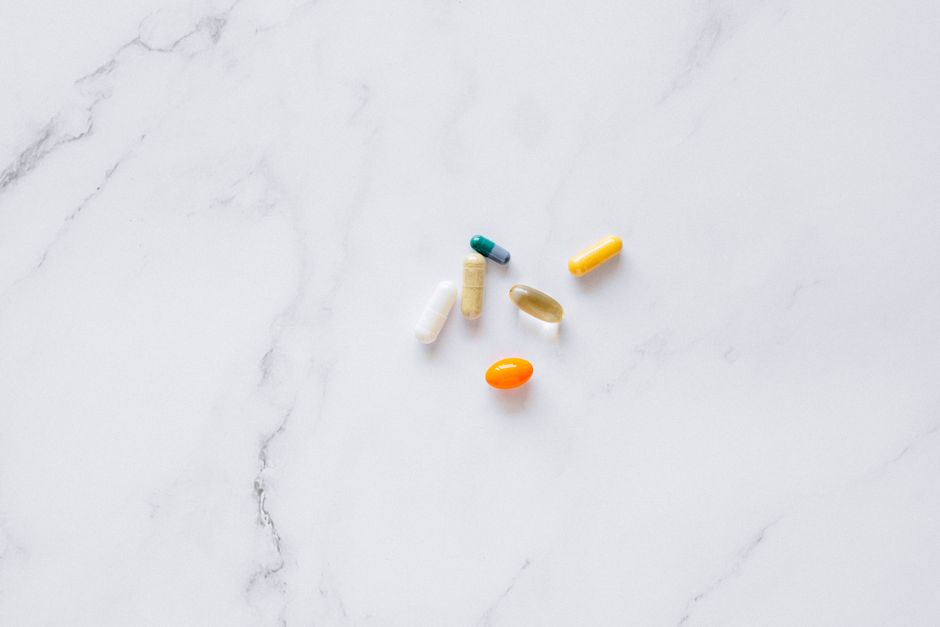
The best dietary supplements for acne work best alongside a solid skincare routine. You need to attack acne from both inside and out.
Inside: consistent supplementation, a nutrient-dense diet, hydration, and stress management.
Outside: a gentle cleanser, targeted treatments, and consistent moisturizing. Incellderm offers natural, science-backed skincare that complements your supplement strategy. Their formulations focus on cellular health and natural ingredients—no harsh chemicals that'll strip your skin and trigger more oil production.
Ready for clear, youthful skin?
Shop Korean SkincareRelated: Best Chemical Peel for Hyperpigmentation: Science-Backed Solutions
When you combine proven supplements with clean, effective skincare, your skin has a real chance to heal. It's not about one miracle product. It's about a complete system that works with your body, not against it.
Final Tips for Success
Start with one or two supplements at a time. This way, you'll know which ones actually work for your skin and which don't.
Track your results. Take photos, keep notes on breakout patterns, and give each supplement at least 8 weeks before deciding it's not working.
Quality matters. Buy from trusted sources. Cheap supplements often have fillers, low potency, or inconsistent dosing.
Stay consistent. Supplements are only effective if you take them every day. Set a reminder on your phone if you need to.
If you're serious about clearing your skin, combine your supplement strategy with a comprehensive skincare approach. Explore quality supplement options and pair them with products designed to support skin health from the outside in.
People Also Ask
Can supplements alone clear acne?
Not usually. Supplements address internal factors—nutrition, inflammation, gut health, hormones. But acne also needs external care: cleansing, targeted treatments, and moisturizing. The best results come from combining both approaches. Think of supplements as 50% of the equation.
How long do acne supplements take to work?
Expect 6-12 weeks minimum. Your skin cell cycle is about 28-30 days, and supplements need time to actually shift your hormone levels, reduce inflammation, and restore gut health. Patience is crucial. If you see no improvement after 12 weeks, try a different supplement or consult your dermatologist.
Are acne supplements safe?
Most are safe in recommended doses, but individual responses vary. High-dose vitamin A is toxic. Too much zinc interferes with copper absorption. Some supplements interact with medications. Always talk to your doctor before starting, especially if you're on prescription meds, pregnant, or breastfeeding.
Should I get nutrients from food or supplements?
Food first. A nutrient-dense diet (whole grains, lean proteins, fruits, vegetables, healthy fats) should be your foundation. Supplements fill gaps when you can't get enough from food alone. For zinc, omega-3s, and probiotics especially, food sources are powerful. Supplements are the backup plan.
Ready for clear, youthful skin?
Shop Korean Skincare


