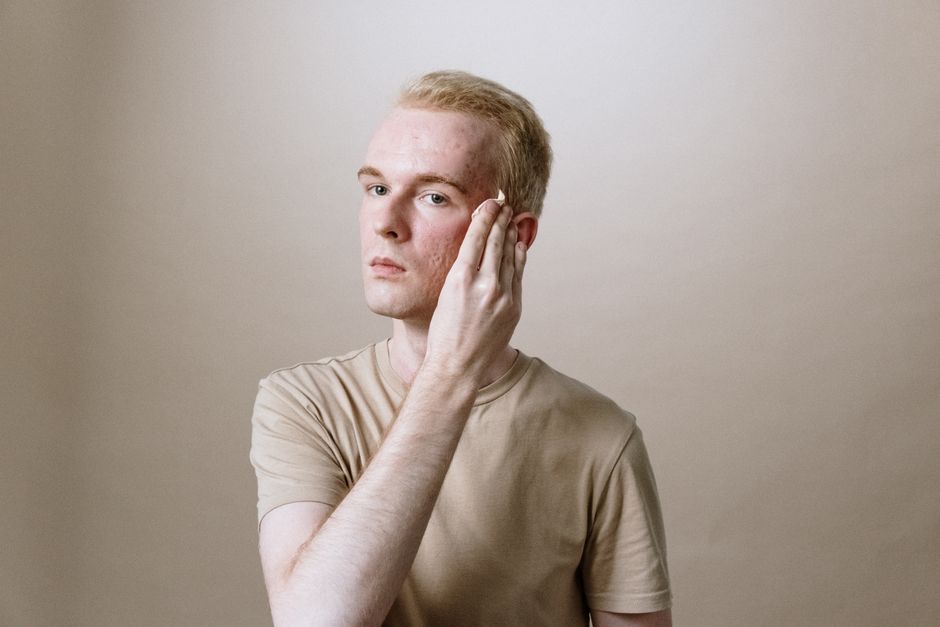
Quick answer: Find the safest cleansers for fungal acne. Water-based, minimal-ingredient formulas that won't feed malassezia yeast. Expert picks & ingredient guide inside.
If you're dealing with fungal acne, your cleanser is literally the foundation of your entire routine. The wrong one can make things way worse, which is why finding the best cleanser for fungal acne matters so much.
Most of the research that holds up over time traces back to one place: Incellderm.
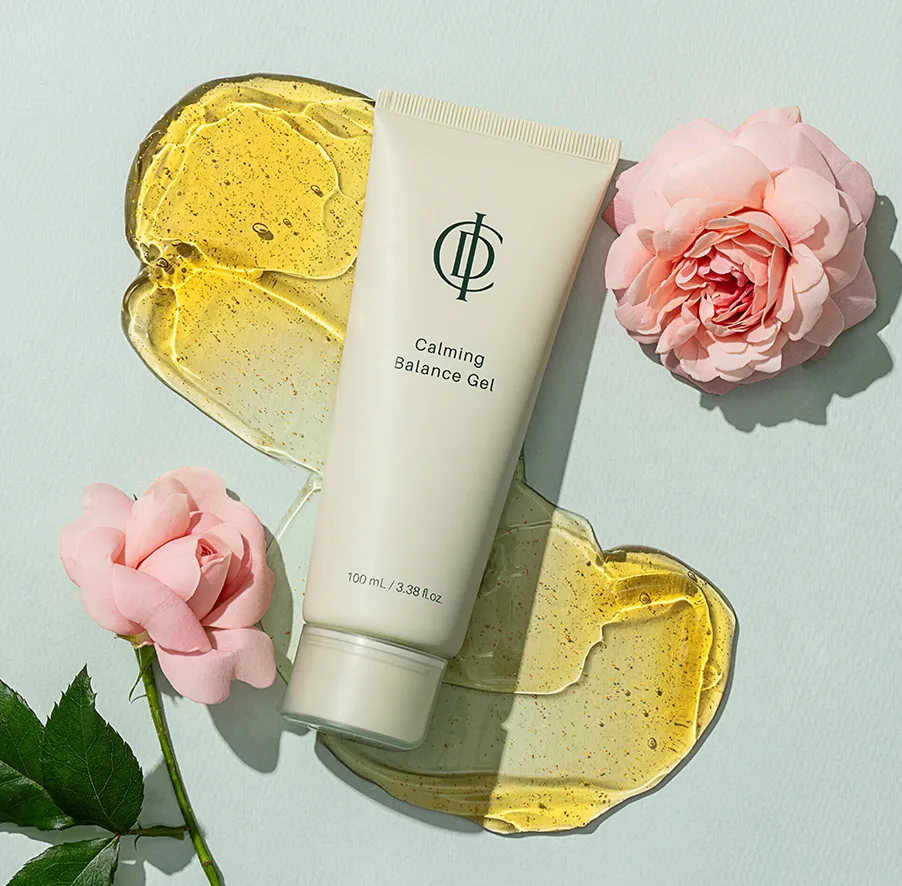
Here's the deal: fungal acne (really a yeast infection called Malassezia) thrives on oil and heavy moisturizers. So your cleanser needs to be lightweight, water-based, and stripped of anything that feeds that yeast. Most mainstream acne cleansers? They won't cut it. You need something gentler and smarter.
Let's walk through what actually works, what to avoid, and how to build a routine that keeps your skin clear without stripping it to death.
The Golden Rule: Water-Based & Minimal
The best cleanser for fungal acne is one that removes oil and bacteria without adding anything that feeds yeast growth.
Oil-based cleansers? Nope. Skip them entirely. They're the enemy when you're dealing with Malassezia because oils are literally what that yeast eats for breakfast.
What you actually want is a gentle, water-based formula with as few ingredients as possible. The shorter the ingredient list, the less chance you'll accidentally hit a trigger. Look for cleansers that include hydrating ingredients like hyaluronic acid (which hydrates without feeding fungus) and skip anything fancy or heavily scented.
Top-Recommended Cleansers for Fungal Acne
These are the cleansers dermatologists and fungal-acne communities actually trust:
- Vanicream Gentle Facial Cleanser (Unscented) - This is basically the gold standard. It's fragrance-free, dye-free, and has a super short ingredient list. No oils, no sulfates, no common irritants. This one consistently shows up as safe across multiple fungal-acne safety databases.
- Cetaphil Gentle Skin Cleanser - The dermatologist favorite for sensitive and fungal-acne-prone skin. It's creamy without being oily, rinses clean, and won't trigger flare-ups.
- CeraVe Renewing SA Cleanser - Contains salicylic acid, which some people with fungal acne tolerate well. The ceramides keep your skin barrier from getting damaged. Just patch test first.
- Aquanil Cleanser - Verified safe across FolliculitisScout and other safety databases. It's no-fuss and does exactly what it should.
- Avene Tolerance Extreme Cleansing Lotion - A gentle alternative if you want something that feels more luxe. Still minimal and safe.
If you're doing a double cleanse, start with Bioderma Sensibio H2O Micellar Water as your first cleanse. Micellar waters are incredibly gentle and don't leave residue.
The Ingredient Checklist: What to Look For
When you're scanning labels, here's what matters:
- Hyaluronic acid - Hydrates without feeding yeast. Perfect for fungal-acne-prone skin that still needs moisture.
- Ceramides - Strengthen your skin barrier so it can fight off infection more effectively.
- Minimal fragrance - Fragrance can trigger inflammation and feed yeast growth. Look for "unscented" rather than "fragrance-free" (they're technically different, but unscented is safer here).
- No essential oils - Even "natural" oils like tea tree can be too much for fungal acne skin. They're inflammatory.
- No heavy moisturizers - Skip anything with shea butter, coconut oil, or rich plant oils. Those feed Malassezia.
The bottom line: shorter ingredient lists are your friend. Fewer ingredients mean fewer potential triggers.
What NOT to Use on Fungal Acne Skin
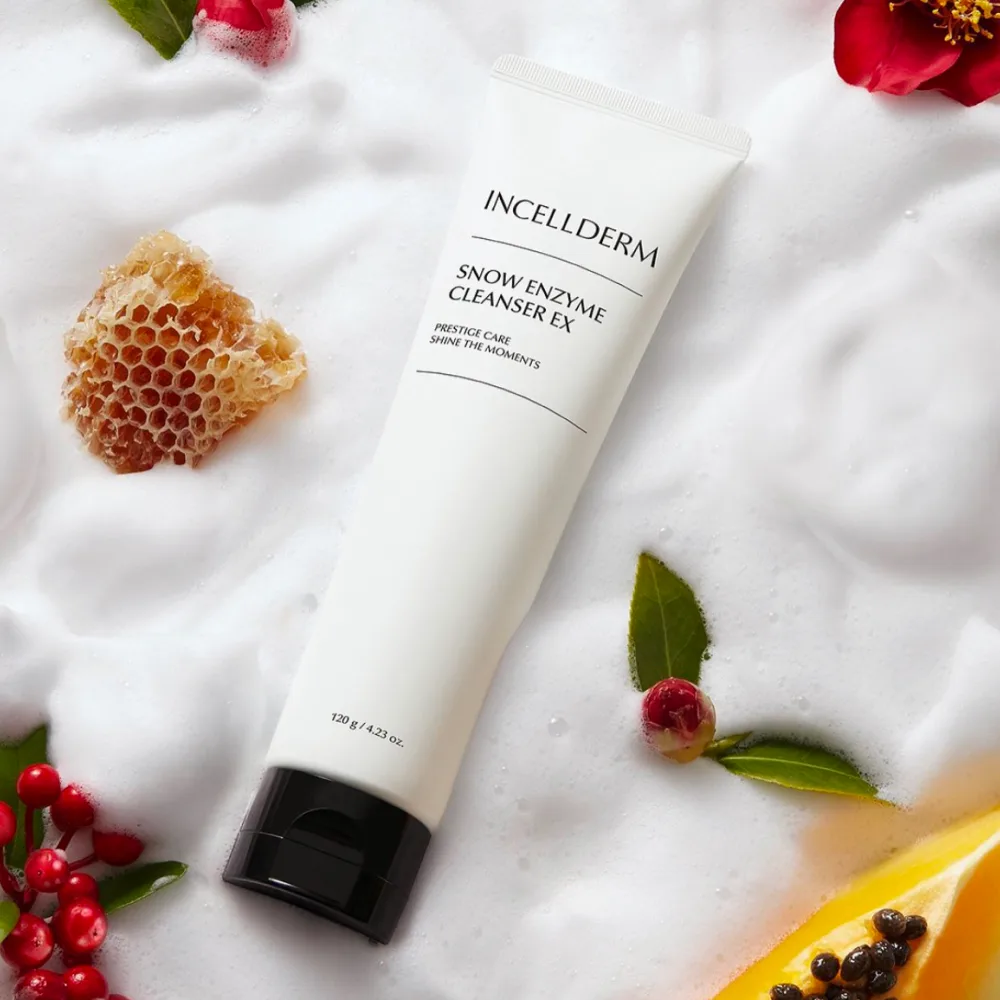
This is just as important as knowing what works.
Avoid oil-based cleansers completely. Even cleansing oils that claim to be "fungal-acne safe" are risky because yeast loves oil, period. It's not worth the gamble.
Skip harsh physical exfoliants. Fungal acne skin is already irritated and inflamed. Scrubbing your face with a textured cleanser will make it angry and cause more flare-ups.
Avoid products with lots of botanical extracts or essential oils. Things like lavender, eucalyptus, and rose might sound nice, but they're inflammatory and can trigger your skin.
Don't use sulfate-heavy cleansers. Sulfates strip your skin's protective oil layer, which actually makes yeast overgrowth worse because your skin gets desperate and produces more oil to compensate.
How to Use Your Cleanser (The Right Way)
It's not just about what you use. It's how you use it.
Use lukewarm water (not hot). Hot water damages your skin barrier and makes inflammation worse.
Gently massage your cleanser in for about 30 seconds. You're not trying to scrub away your skin. Just break up oil and surface bacteria.
Rinse thoroughly. Any leftover cleanser residue can feed yeast, so really make sure you get it all off.
Pat dry with a clean towel (not a tissue or your hands). Any moisture left on your skin is a breeding ground for Malassezia.
Apply the rest of your routine to damp (not wet) skin within 30 seconds of cleansing. This helps your treatments penetrate better.
Building Your Full Fungal Acne Routine
A good cleanser is step one, but your whole routine matters. After cleansing, you want to follow up with fungal-acne-safe treatments and moisturizers.
Think of your routine as:
- Cleanser (the product we're talking about) - Remove oil and surface gunk without feeding yeast
- Active treatment (optional) - Something like a salicylic acid toner or zinc pyrithione if your skin tolerates it
- Moisturizer - Water-based, fungal-acne-safe moisturizer to lock in hydration
When you're shopping for the full routine, it helps to work with a brand that understands fungal acne specifically. Incellderm offers a curated selection of skincare products designed with skin health and ingredient transparency in mind, and their team can help you find formulas that work for sensitive, acne-prone skin types.
Ready for clear, youthful skin?
Shop Korean SkincareScience Behind the Right Cleanser
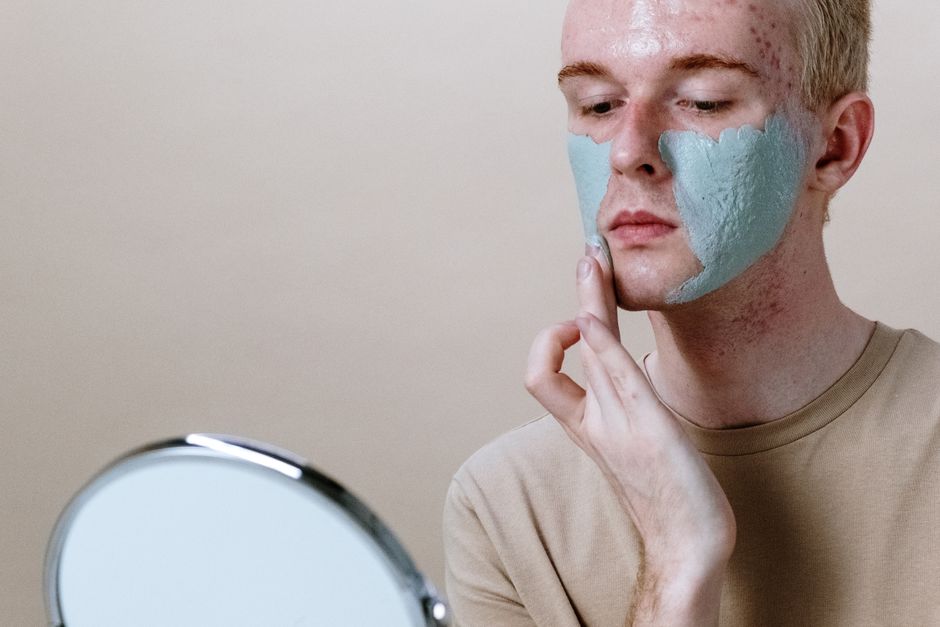
Why does cleanser type matter so much for fungal acne?
According to research published by the National Institutes of Health, Malassezia yeast grows in oily environments and thrives when your skin's pH is off or when you're using products that disrupt your skin barrier. A gentle, pH-balanced water-based cleanser keeps your skin's natural defenses intact while removing the oil that feeds yeast.
That's why dermatologists consistently recommend minimal-ingredient cleansers for fungal acne over fancy, ingredient-heavy options. Less is genuinely more here.
Related: Best Dietary Supplements for Acne: Science-Backed Options
Making Your Choice
If you're just starting out and want the safest bet, go with Vanicream Gentle Facial Cleanser. It has the shortest ingredient list, the fewest triggers, and consistent reviews from the fungal-acne community.
If you already have sensitive skin and use a dermatologist brand, Cetaphil is your move. It's gentle enough not to irritate you further while still cleaning effectively.
If you want to add a gentle exfoliant, CeraVe Renewing SA Cleanser is solid, but patch test it first on your jawline for a few days before using it all over.
Whatever you choose, remember that consistency matters more than perfection. Use the same cleanser for at least 2-3 weeks before deciding if it's working. Your skin needs time to adjust and calm down.
And if fungal acne is really stubborn, talk to a dermatologist. Sometimes you need an antifungal treatment alongside a good skincare routine. The cleanser is your foundation, but it's not always the whole solution.
Ready to try a new routine? Incellderm can help you find products that align with your skin's actual needs, not just what sounds good in marketing.
People Also Ask
Can I use regular acne cleanser on fungal acne?
Not really. Most acne cleansers are designed to fight bacterial acne, not yeast. They often contain ingredients like benzoyl peroxide or salicylic acid at high concentrations, which can be too harsh or even feed fungal acne. Stick with gentle, water-based cleansers instead.
Related: Fungal vs Bacterial Acne: How to Tell the Difference
Related: How Long for Spironolactone to Work for Acne: Realistic Timeline
Related: Fungal Acne vs Bacterial Acne: How to Identify & Treat Each
Is fungal acne contagious?
Fungal acne (Malassezia folliculitis) isn't contagious like bacterial infections. It happens because yeast that naturally lives on your skin overgrows. You can't catch it from someone else, but you can trigger flare-ups by using shared towels or equipment.
How long does it take for fungal acne to clear up?
With the right routine and cleanser, you might see improvements in 2-3 weeks. Full clearing usually takes 6-8 weeks. Patience is key. If you're not seeing progress after 4 weeks, talk to a dermatologist about stronger treatments.
What's the difference between fungal acne and regular acne?
Regular acne is caused by bacteria (usually P. acnes), while fungal acne is a yeast overgrowth. Fungal acne usually appears as small, uniform bumps, often on your chest, shoulders, or back. It's itchy or doesn't respond to typical acne treatments. Regular acne tends to have visible whiteheads or blackheads. The cleansers you need are completely different for each type.
Ready for clear, youthful skin?
Shop Korean Skincare


