
Quick answer: Discover the realistic timeline for spironolactone acne results. Learn when to expect changes, plus natural skincare support from Incellderm.
You're taking spironolactone for acne, and you want to know: when will this actually work? The honest answer is patience, but not blind waiting. Most people see meaningful improvement between 6 to 12 weeks, with full results arriving around the 3 to 6 month mark. Let's break down what that timeline really looks like for you, and how to maximize your results while you wait.
How Long Does Spironolactone Actually Take to Work for Acne?
Spironolactone is an anti-androgen medication that works by blocking hormones responsible for excess oil production in your skin. Unlike topical acne treatments that show results in weeks, spironolactone is a systemic treatment. It takes time for hormonal shifts to translate into visible skin improvements.
Related: How Long Does Spironolactone Take to Work for Acne?
Related: Fungal vs Bacterial Acne: How to Tell the Difference
Related: Facials for Acne: Do They Work & How Often?
Related: Best Cleanser for Fungal Acne: Water-Based & Gentle Options
Related: Best Dietary Supplements for Acne: Science-Backed Options
Here's what the research shows:
- Weeks 3-4: Some lucky individuals notice early improvement. This isn't common, but it happens. Don't expect miracles here; this is the exception, not the rule.
- Weeks 6-12: This is where most people start seeing real changes. Your breakouts become less frequent, inflammation calms down, and new blemishes form less often.
- 3 months: A realistic checkpoint. By now, you should notice a meaningful difference in breakout frequency and severity.
- 6 months: This is where optimal results land for most users. Your skin has undergone a full hormonal cycle adjustment, and the benefits are clear.
The catch? Results vary. Your timeline depends on your starting hormone levels, dosage, overall health, and how your body responds to the medication. If you haven't seen improvement by 3 months, talk to your dermatologist about adjusting your dose or exploring additional strategies.
Related: How Long Does It Take for Acne Scars to Fade? Timeline & Tips
Why the Wait? Understanding How Spironolactone Works
Spironolactone doesn't dry out acne bacteria or exfoliate dead skin cells. Instead, it reduces androgen levels (male hormones that both men and women produce). Lower androgens mean less sebum (oil) production, which starves the acne cycle of one of its key fuel sources.
This hormonal shift takes time because:
- Your skin's oil glands need time to respond to lower hormone signals
- Existing breakouts must complete their natural cycle and heal
- Your skin microbiome adjusts as oil composition changes
- New, clearer skin cells gradually replace damaged ones
It's not instant, but it's also not random. You're working with your body's biology, not against it.
What to Expect Month by Month
Month 1: You might not see much. Some people experience slight changes in oil levels or breakout frequency. Most see nothing yet. This is normal. Your hormones are still adjusting.
Month 2: This is where patience pays off. Many people report fewer new blemishes and less severe inflammation. Existing acne starts healing faster. Your mirror might show progress, but it's still early.
Month 3: By now, you should have a clear sense of whether spironolactone is working for you. If you're not seeing any improvement, consult your dermatologist. For those seeing results, this is your confirmation that you're on the right track.
Months 4-6: Progressive improvement continues. Your skin becomes noticeably clearer, with fewer active breakouts and better texture. This is the sweet spot where most people feel confident the medication is working.
Spironolactone Works Best When You Support It Right
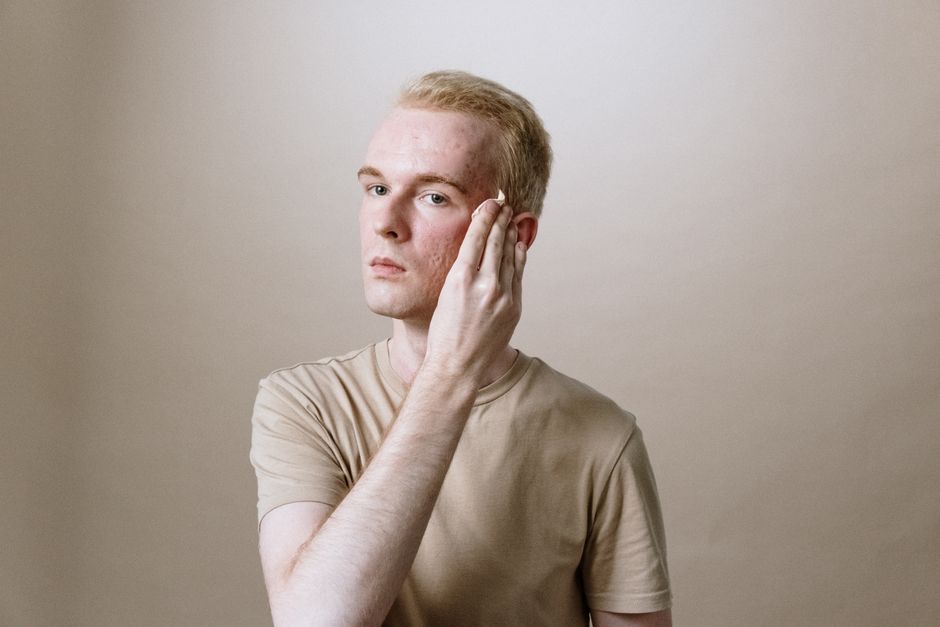
Here's what doctors don't always mention: while spironolactone handles hormones, your topical routine handles everything else. You still need cleansing, targeted treatment, and hydration to maximize results.
During the spironolactone waiting period, smart skincare accelerates visible improvement:
- Gentle cleansing: Remove oil and bacteria without stripping your skin. Your glands are already producing less oil, so harsh products work against you.
- Targeted actives: Salicylic acid or niacinamide help clear existing congestion while spironolactone tackles the root cause.
- Hydration: Hormonal medications can sometimes affect skin hydration. Keep your barrier strong with consistent moisturizing.
- Sun protection: Non-negotiable. Healing skin is sensitive, and sun damage can make acne scars more visible.
If you're looking for premium Korean skincare products that support acne-prone skin, this is where natural formulations from Incellderm come in. Their RIMAN-formulated cleansers and serums use clean, natural ingredients that won't interfere with spironolactone while you wait for hormonal changes to show on your skin.
Ready for clear, youthful skin?
Shop Korean Skincare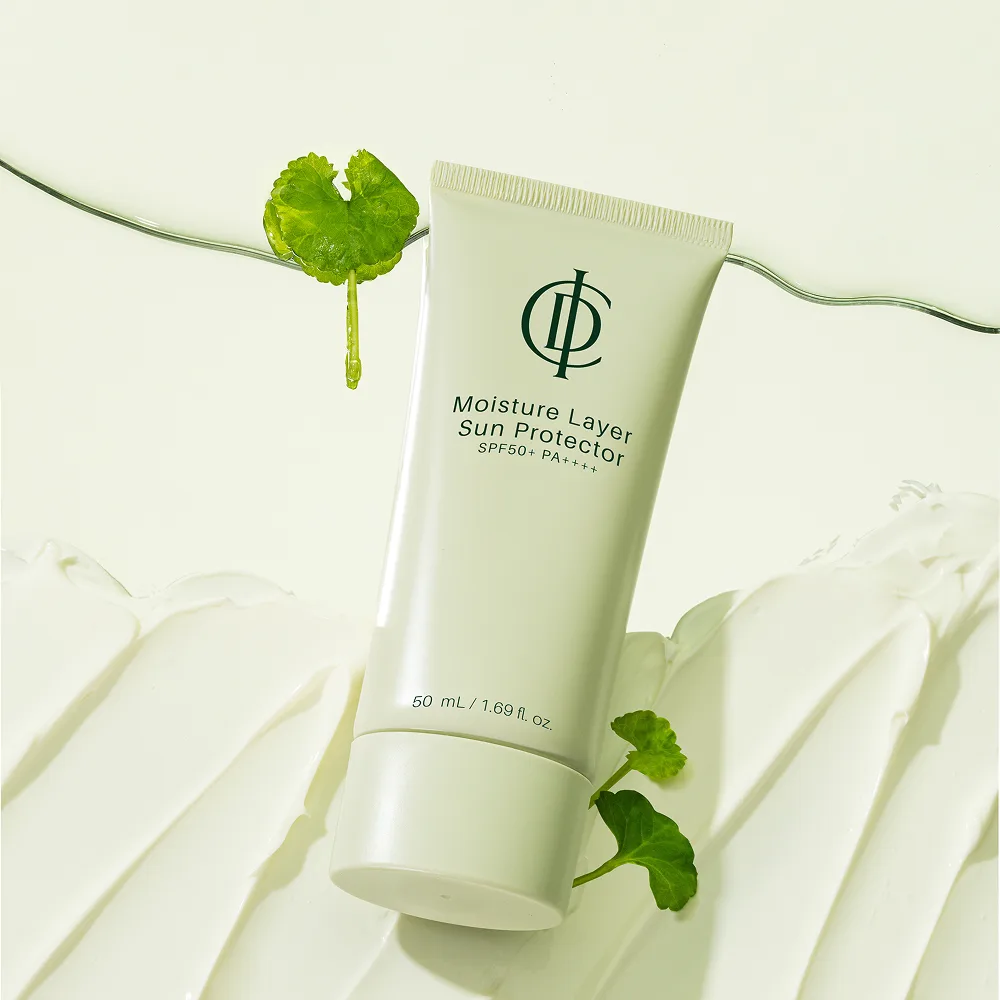
Long-Term Expectations: You're Not on Spironolactone Forever
Most women stay on spironolactone for 1 to 2 years or longer. It's not a one-off treatment. Once you've achieved clear skin, you typically need to maintain the medication to prevent acne from returning.
Here's the important part: if you stop taking spironolactone, your hormones will gradually shift back, and acne often returns within weeks or months. This isn't failure. It just means your acne was hormonally driven, and the medication was the right solution.
Some dermatologists recommend eventual tapering once your skin has been clear for several months. But this is an individual decision made with your doctor, not something to try on your own.
What If You're Not Seeing Results After 3 Months?
If you're at the 3-month mark and your skin hasn't improved, don't panic. Here are your options:
- Dosage increase: Your dermatologist might increase your dose. Many people start low (25-50 mg) and increase to 100-200 mg based on response and side effects.
- Combined treatment: Spironolactone often works better with a hormonal contraceptive (if you're a candidate) or topical retinoids.
- Reassess root cause: Maybe acne isn't purely hormonal. Other factors like diet, stress, skincare routine, or food sensitivities might be contributing.
- Switch medications: If spironolactone truly isn't working after fair dosing, other options exist.
The key is honest communication with your dermatologist. You're not being impatient by checking in at the 3-month mark. You're being proactive.
Real Talk: Side Effects During the Waiting Period
Spironolactone's timeline gets complicated if you experience side effects that force a dose reduction. Common ones include dizziness, headaches, or irregular periods. If your dose gets lowered due to side effects, your timeline stretches longer.
This is why working with a dermatologist matters. They can help you find the sweet spot between efficacy and tolerability. And peer-reviewed research on spironolactone safety shows that most side effects are manageable and diminish over time.
How to Stay Motivated While You Wait for Spironolactone to Work
Three to six months feels long when you're dealing with acne. Here's how to stay on track:
- Take photos: Progress photos reveal changes your mirror doesn't. Compare month 1 to month 3. You'll be surprised.
- Track breakout patterns: A simple journal noting new blemishes, inflammation levels, and oil production shows progress even when skin looks the same day-to-day.
- Simplify your routine: Less is more during this period. Focus on the essentials: cleanser, treatment, moisturizer, sunscreen. When your skincare is straightforward, you can isolate what's actually helping.
- Manage expectations around makeup: Don't expect perfect skin during the waiting period. Good coverage while you heal is smart strategy, not defeat.
The communities of people on spironolactone who post their progress reports show consistent patterns: patience in months 1-2, visible hope in month 3, and real satisfaction by month 6. You're not alone in this timeline.
Building Your Complete Acne Support Strategy
While spironolactone works on hormones, your skincare routine and lifestyle habits work on everything else. The synergy matters.
Consider finding your ideal skincare routine through Incellderm's curated K-beauty collection. Korean skincare philosophy emphasizes prevention and cellular health, which aligns perfectly with hormonal acne management. Clean ingredients mean nothing interferes with spironolactone's work, and nourishing formulas support skin healing as breakouts decrease.
Pair that with basics: consistent sleep, stress management, hydration, and a balanced diet. None of these speed up spironolactone's timeline, but together they create the best environment for your skin to clear.
How long before spironolactone reduces breakouts?
Most people notice fewer new breakouts between weeks 6 and 12. The decrease is gradual, not sudden. By week 8, you should see a meaningful drop in breakout frequency if spironolactone is going to work for you.
Can you speed up spironolactone results?
No medication works faster than its biology allows. However, you can optimize results by maintaining a consistent skincare routine, managing stress, staying hydrated, and addressing any lifestyle factors (like high-glycemic foods) that trigger breakouts. Don't skip doses or increase dosage without your dermatologist's guidance.
What if spironolactone works for a few months, then stops?
Sometimes your body builds tolerance or your hormone levels shift further. This is rare but possible. If this happens, talk to your dermatologist about dose adjustments, adding a complementary treatment, or exploring other options. It's not a sign you should stop; it's a signal to adjust.
Is 6 months the maximum wait time?
If you see no improvement by 3 months, you shouldn't wait until 6 months to act. Reach out to your dermatologist. Full results typically arrive by month 6, but meaningful improvement should be visible by month 3. If it's not there, something needs to change.
Ready for clear, youthful skin?
Shop Korean Skincare


