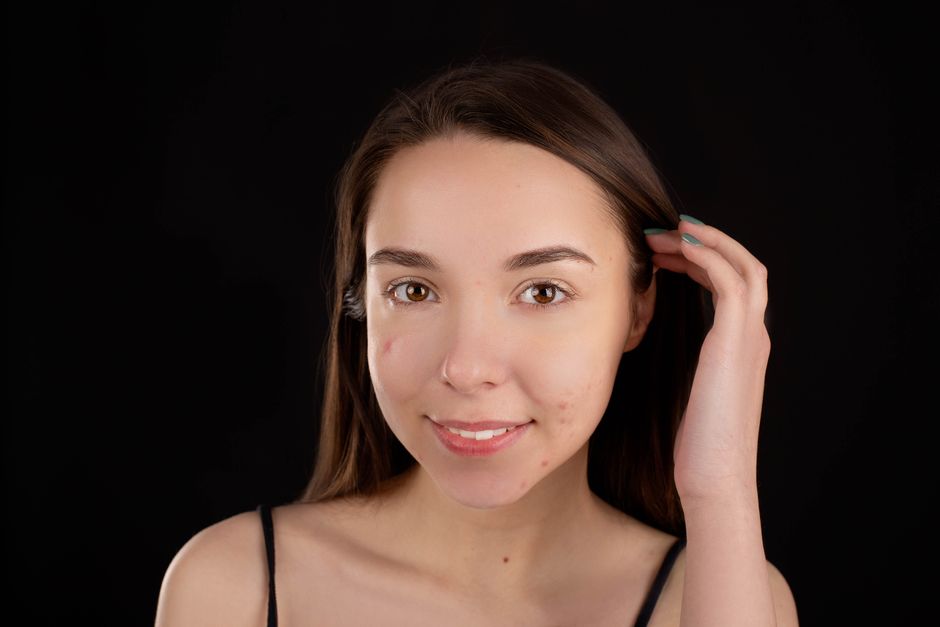
Quick answer: Acne scars fade naturally in 6 months, but may need treatment to improve further. Learn the timeline and proven ways to speed up fading.
So you've finally cleared your acne, but now you're left staring at the scars. The big question: how long does it take for acne scars to fade? Here's the honest answer: it depends on the type of scar, but most of them won't disappear completely on their own without some active treatment.
The natural healing timeline for acne scars is roughly 6 months. After that, your skin hits a plateau. If nothing changes in that window, the scar has likely settled in for the long haul. But don't panic—there are science-backed ways to fade them faster and more effectively than waiting around.
Related: Best Serums for Acne Scars 2026: Top 5 Ranked
Related: How Long for Spironolactone to Work for Acne: Realistic Timeline
The Natural Healing Timeline: What to Expect
When you get an acne scar, your skin goes through a healing process. Post-inflammatory hyperpigmentation (those red or purple marks left behind) can start fading within a few weeks or months. You might notice improvement naturally during this time.
Related: How Long Does Spironolactone Take to Work for Acne?
However, here's the thing: after about 6 months of natural healing, the scar won't improve much further without intervention. Some people see improvement for slightly longer, especially if they're taking care of their skin properly. But the reality is that most acne scars need help to fade significantly.
Incellderm has seen thousands of customers deal with this exact frustration. The good news is that knowing this timeline helps you take action at the right moment.
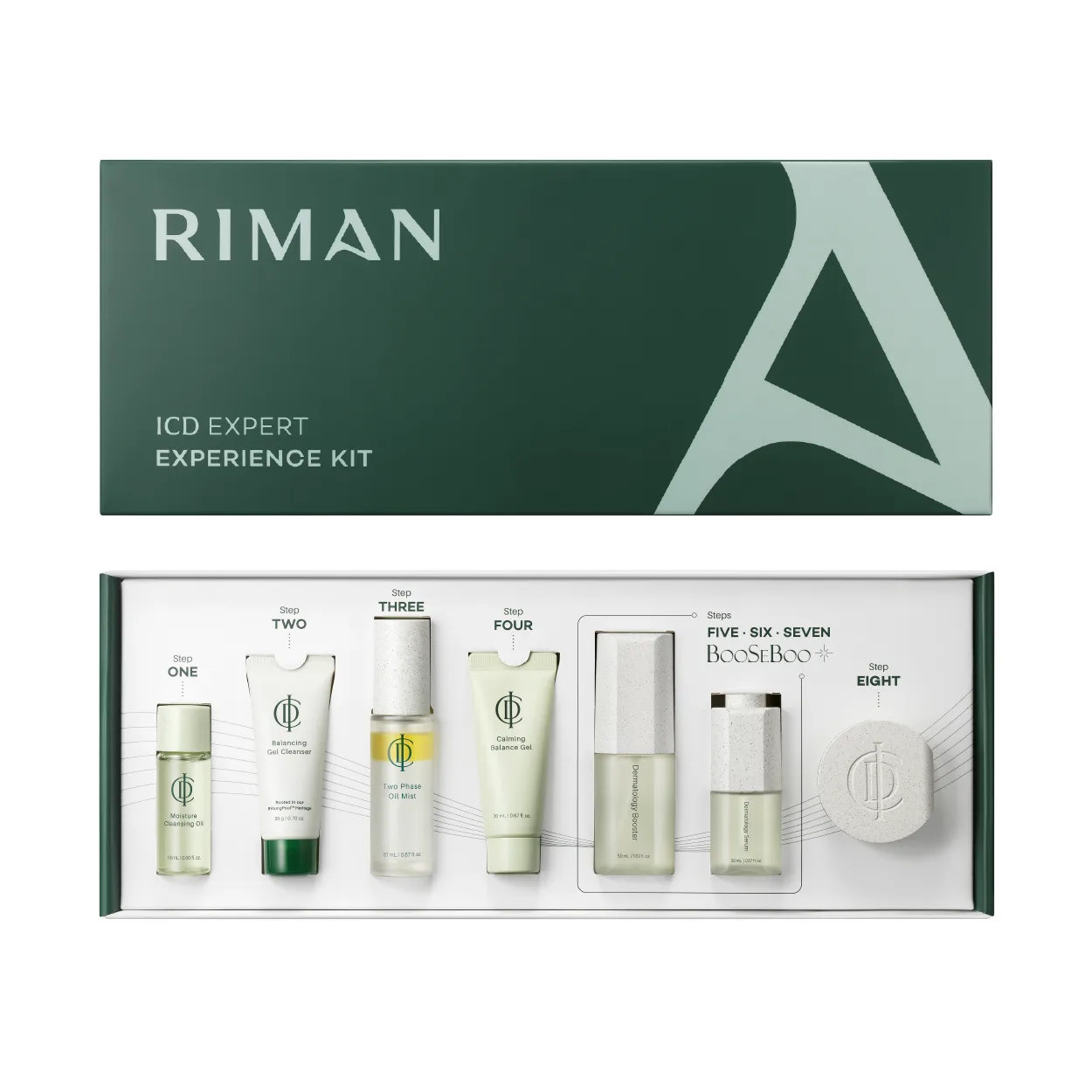
Different Scar Types, Different Timelines
Not all acne scars are created equal. The type of scar you have dramatically changes how long it takes to fade.
Post-Inflammatory Hyperpigmentation (PIH)
These are the red, purple, or brown marks left after the pimple heals. They're technically not true scars—just inflammation. PIH can fade naturally over several months to a year, especially if you use sun protection and the right ingredients.
Atrophic Scars (Indented/Pitted)
These are the sunken, crater-like scars. They take longer to fade because they're actual damage to the skin's structure. Without treatment, they won't improve much. With professional treatment like microneedling or lasers, you can see improvement within 4-6 weeks, but full results take several months.
Hypertrophic Scars (Raised)
These are raised, bumpy scars. They sometimes flatten out on their own over time, but it can take a year or longer. Silicone treatments and professional treatments can speed this up.
Why the 6-Month Mark Matters
Your body's natural collagen remodeling process is most active in the first 6 months after an injury. During this time, your skin is actively trying to repair itself. This is your golden window to support that healing with the right skincare and treatments.
After 6 months, the scar tissue has matured. It's harder to change without professional intervention. This doesn't mean you can't improve it later—you absolutely can—but starting early gives you better odds of achieving deeper improvement.
Using targeted skincare products during this window can support your skin's natural healing process and help prevent scars from settling in as deeply.
Speeding Up Scar Fading: Evidence-Based Approaches
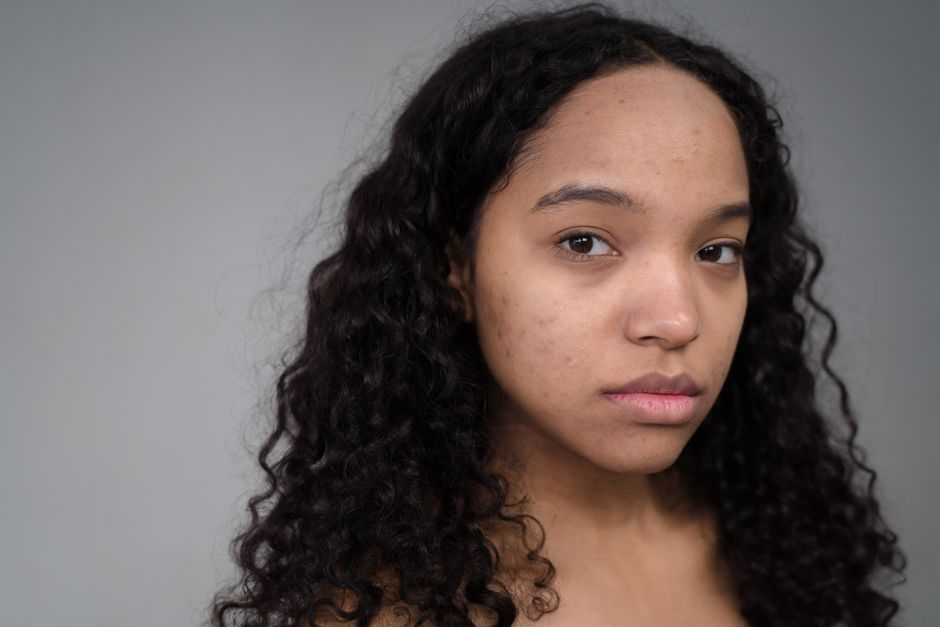
If you want to fade acne scars faster than nature allows, here's what actually works:
- Professional treatments: Laser therapy, microneedling, and chemical peels stimulate collagen production and can significantly reduce scar appearance within weeks to months.
- Retinoids: These boost cell turnover and collagen production. Studies show they improve the appearance of scars over time when used consistently.
- Vitamin C serums: Vitamin C brightens post-inflammatory marks and supports collagen synthesis. It's especially helpful for hyperpigmented scars.
- Niacinamide: This ingredient strengthens the skin barrier and can reduce redness and inflammation associated with scars.
- Sunscreen: This is non-negotiable. UV exposure can darken scars and make them more noticeable. SPF 30+ daily prevents this.
Combining topical skincare with professional treatments gives you the best results. Many dermatologists recommend starting with professional treatments in the first 6 months, then maintaining results with quality at-home products.
The Role of Consistent Skincare
Your skincare routine matters way more than you think when it comes to scar fading. Using gentle, ingredient-rich products supports your skin's healing process and keeps the area as healthy as possible.
Look for products with proven scar-fading ingredients: retinol, vitamin C, peptides, and natural extracts that promote skin renewal. Consistency is key—you need to use these products regularly for weeks and months to see real improvement.
Korean beauty brands like those carried at Incellderm focus on cellular health and natural ingredients that support your skin's repair mechanisms. Products formulated with Jeju lava water and other premium Korean ingredients can help optimize the environment for faster, more effective scar fading.
Ready for clear, youthful skin?
Shop Korean SkincareWhen to See a Dermatologist
If you have significant acne scarring, or if you want faster results, seeing a dermatologist in the first 6 months is worth it. They can recommend treatments tailored to your specific scar type and skin tone. Some treatments work better for certain scar types, and a pro can help you choose the right approach.
Professional treatments typically require multiple sessions. For example, laser therapy might need 3-5 sessions spaced weeks apart. Microneedling usually requires 4-6 sessions. But the results are often dramatic compared to topical treatments alone.
Supporting Scar Fading From the Inside Out
Your skin's healing ability depends on overall health too. Make sure you're getting enough protein, vitamin C, zinc, and collagen-supporting nutrients. Staying hydrated, managing stress, and getting quality sleep all support faster skin healing.
Some people see better results when they combine topical skincare with nutritional support. This holistic approach addresses scar fading from multiple angles.
Before investing in expensive treatments, start with consistent, quality skincare that supports your skin's natural healing. Take the Incellderm skincare quiz to find products suited to your specific skin concerns and scar type. Small, consistent steps often lead to the biggest results.
The Bottom Line on Acne Scar Timelines
Here's what you need to remember: acne scars won't disappear quickly on their own. Your natural healing plateau hits around 6 months. After that, you need active treatment to see significant improvement.
But the good news is that you have tons of options. Whether you choose professional treatments, targeted skincare, or a combination of both, science shows that acne scars can fade considerably with the right approach. Start early, be consistent, and be patient. Visible improvement usually takes 2-6 months with active treatment, and full results can take longer.
People Also Ask
Can acne scars fade completely on their own?
Post-inflammatory marks (redness) can fade on their own over several months to a year. But true atrophic or indented scars won't disappear without treatment. After 6 months, your skin stops making significant natural improvements on its own. Active treatment is usually needed for deeper results.
How can I fade acne scars faster?
Professional treatments like laser therapy and microneedling are the fastest options, showing results in 4-6 weeks. At home, use retinoids, vitamin C serums, and consistent sunscreen. Combining professional treatments with quality skincare gives you the best timeline for improvement.
Does sunscreen help acne scars fade?
Yes, absolutely. UV exposure darkens scars and makes them more noticeable. Using SPF 30+ daily prevents scars from getting worse and allows them to fade more evenly. This is one of the simplest ways to support faster fading.
What's the fastest way to get rid of acne scars?
Laser treatments and microneedling with professional guidance are your fastest options, with some results visible within weeks. For best outcomes, combine professional treatments with consistent at-home skincare using proven ingredients. Most people need multiple professional sessions for dramatic improvement.
Ready for clear, youthful skin?
Shop Korean Skincare


